All Posts
Collected reviews from decades of reading — organized by subject and written for clarity, context, and long-term reference.
Categories
- A Very Short Introduction (4)
- Afghanistan (5)
- Africa (3)
- Age of Discovery (14)
- American Revolution (29)
- Ancient Greece (11)
- Ancient Rome (2)
- Anglo-German Naval Competition (8)
- Anthropology (3)
- Art History (6)
- Artists (16)
- British History (16)
- Business Books (19)
- Business Greats (12)
- Central Banking (8)
- China (1)
- Cold War Era (19)
- Colonial America (25)
- Commodities (10)
- Corporate Biography (11)
- Counter Insurgency (6)
- Cuba (1)
- Disease (9)
- Early Modern Europe (8)
- Early Republic (21)
- Economic Development (12)
- Economics (17)
- French Revolution (8)
- Great Depression (6)
- Great Projects (9)
- Great Writers (4)
- Industrial Revolution (14)
- Iranian Revolution (4)
- Italian Renaissance (27)
- Jacksonian America (4)
- Korea (1)
- Middle Ages (4)
- Middle East (5)
- Military Innovation (20)
- Napoleon (3)
- Philosophy (4)
- Pop History (32)
- Progressive Era (8)
- Republican Rome (16)
- Roman Empire (25)
- Russian History (5)
- Russian Revolution (3)
- Sri Lanka (3)
- The Gilded Age (4)
- U.S. Civil War (7)
- U.S. Presidents (16)
- Vietnam (8)
- World War I (6)
- World War II (10)
-
Eighteenth-century British historian Edward Gibbon famously wrote, “The decline of Rome was the natural and inevitable effect of immoderate greatness.” More than two centuries and countless scholarly debates later, British historian Alexander Demandt wryly observed, “The only thing historians agree on about the fall of the Roman Empire is that it happened.” Indeed, yet another…
-
Each year I choose a broad historical subject to immerse myself in and, if possible, come close to mastering. In 2024 it was the Italian Renaissance; the year before, the Industrial Revolution. In 2025 I turned to early colonial America. Of the dozen or so books I read – ranging from accounts of the Spanish…
-

In Chip War: The Fight for the World’s Most Critical Technology (2022) historian Chris Miller delivers a comprehensive and urgent account of how the semiconductor has become the most critical – and contested – resource in the modern world. His central insight is that microchips are not merely the foundation of the digital economy but…
-
Gordon S. Wood, who died a few months ago at the age of 92, is one of my all-time favorite academic historians. His work is so insightful and consistently well written that I try to read virtually everything he has published, even when the subject falls outside my immediate interests. It was primarily Wood’s name,…
-
The United States is, beyond doubt, the most innovative economy in the world and has been for decades, if not centuries. There is no simple explanation or formula for this remarkable and enduring success, but I’m convinced that America’s uniquely large and risk-embracing venture capital ecosystem has played an important role. In VC: An American…
-
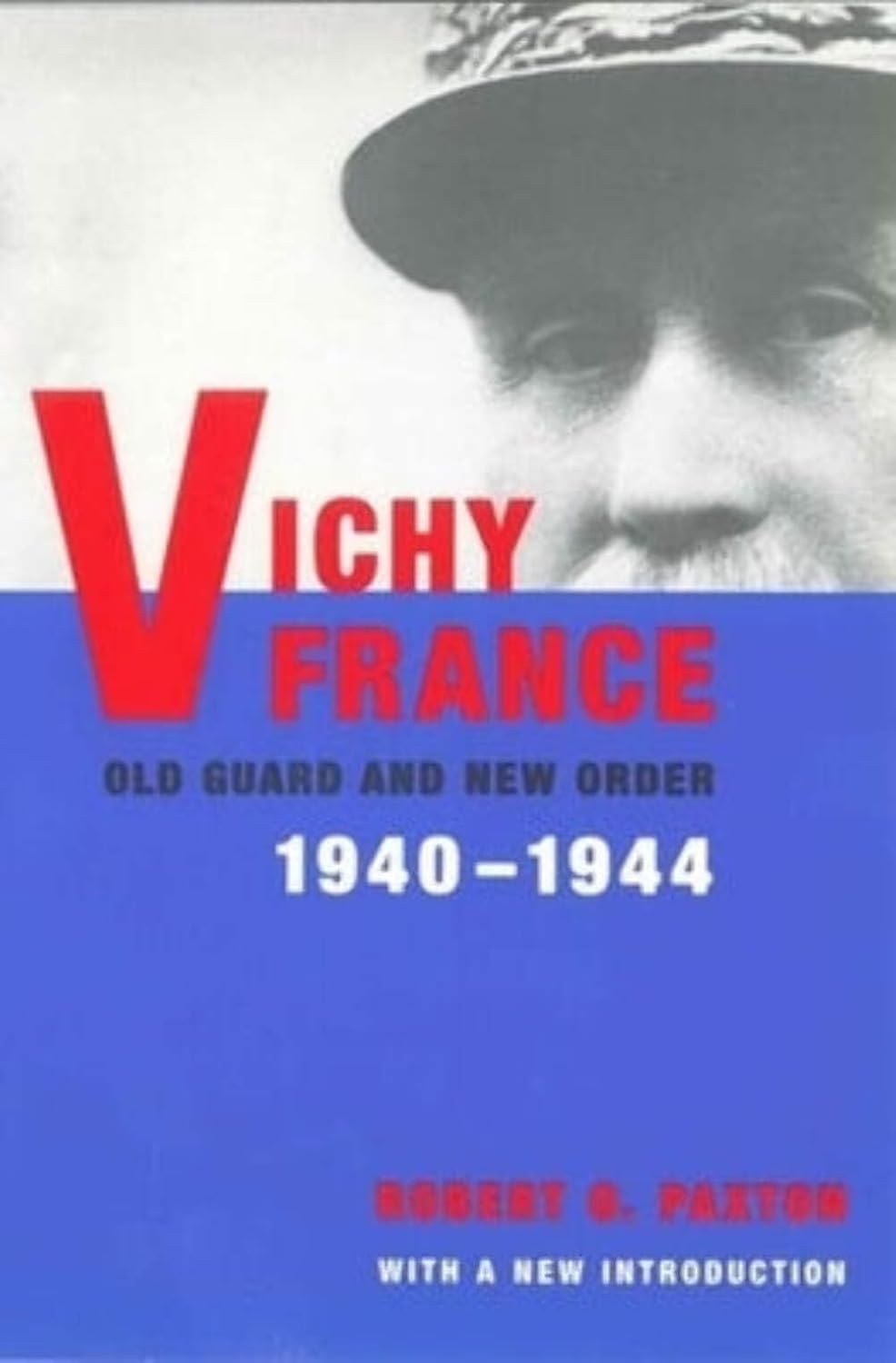
Vichy has long been a stain on French honor and national pride. As such, many in France have preferred to bury the history and legacy of the four-year collaborationist regime. Perhaps because of this, I have always felt that relatively little is taught about Marshal Pétain and the government that ruled France from the central…
-
According to mathematician Chris Bernhardt, quantum computing represents “a beautiful fusion of quantum physics and computer science.” His book, Quantum Computing for Everyone (2019), offers a remarkably accessible primer on a technological revolution that now seems just over the horizon. Bernhardt focuses not on the engineering challenge of building quantum computers, but on the theory…
-
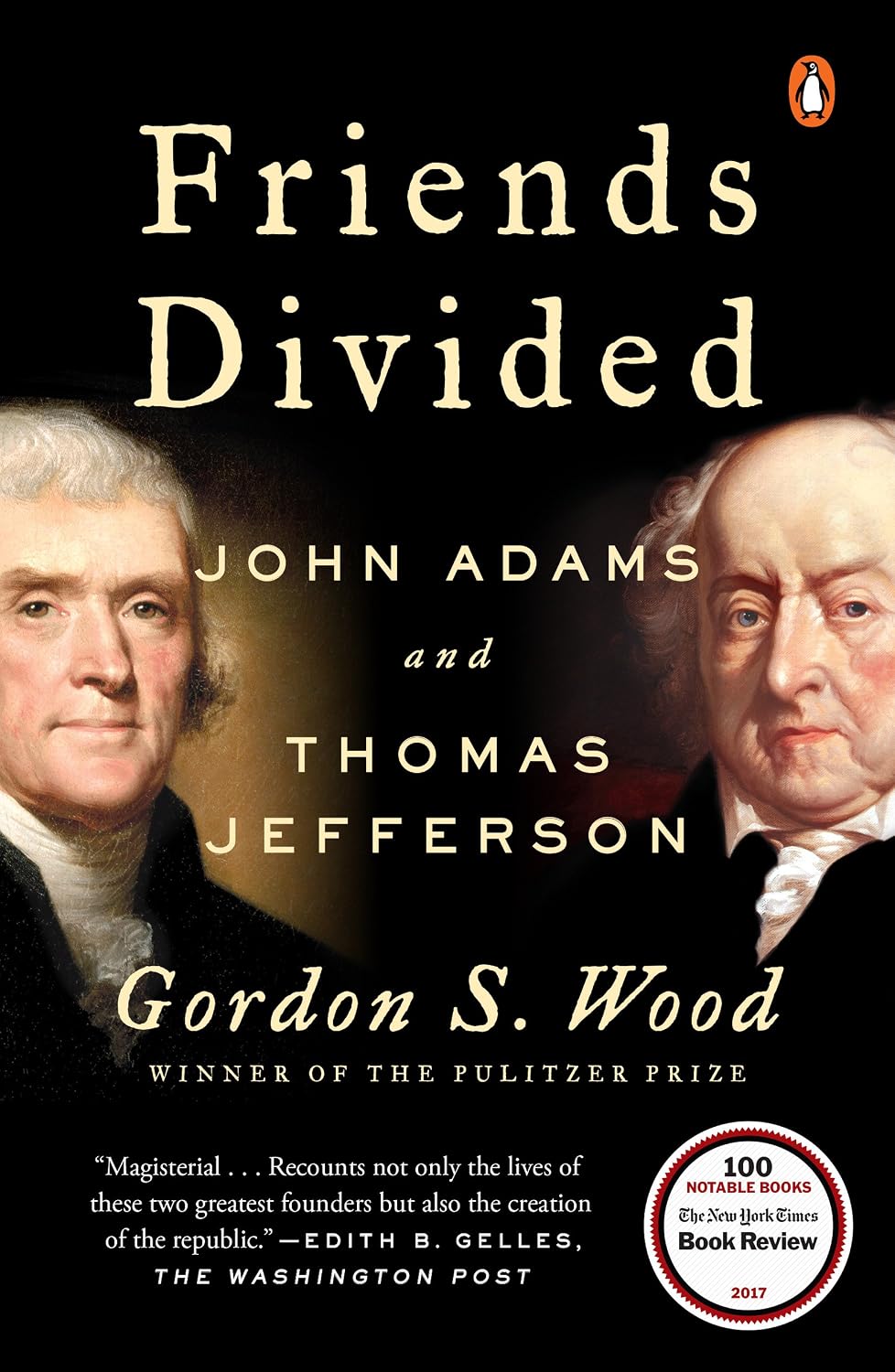
Gordon S. Wood’s Friends Divided: John Adams and Thomas Jefferson (2017) is less a conventional dual biography than an extended examination of two radically different ways of understanding America, politics, and human nature. Adams and Jefferson were, Wood writes, divided “in every single thing that mattered”: in temperament, their assumptions about human nature, their ideas…
-
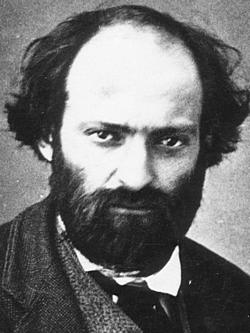
Cézanne was a giant of European art, with well-developed ideas about what painting should – and should not – be. He rejected the notion that paintings should merely capture impressions of nature, illustrate stories, provide decoration, or offer social commentary. Instead, he believed that painting should express the emotions evoked in the artist through the…
-
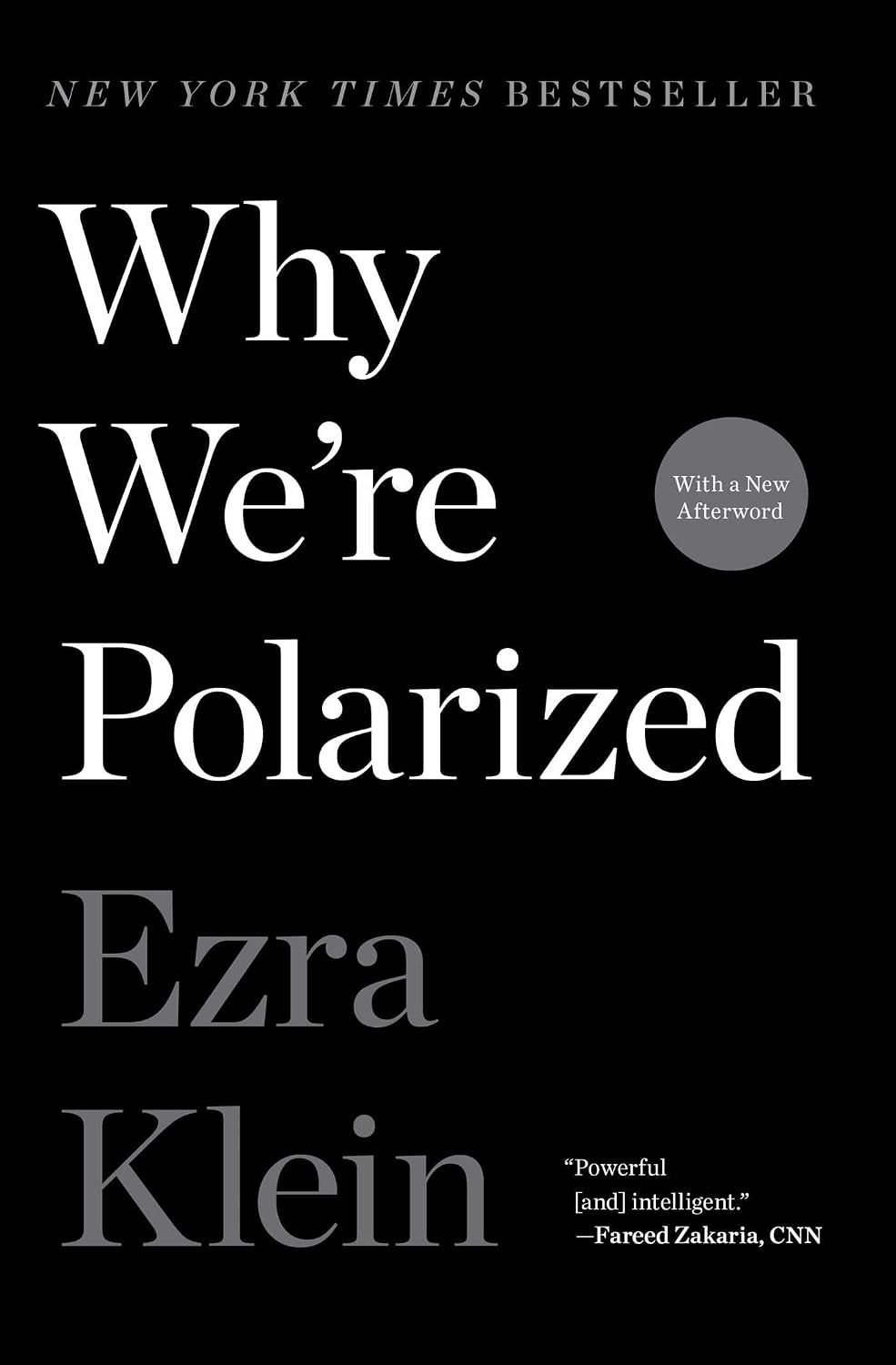
Like many Americans, political journalist and commentator Ezra Klein was stunned by Donald Trump’s victory over Hillary Clinton in the 2016 presidential election. In the aftermath, countless pundits and political scientists searched for the elusive explanation: the black swan event or October surprise that could account for what many regarded as an unprecedented political upset.…
-
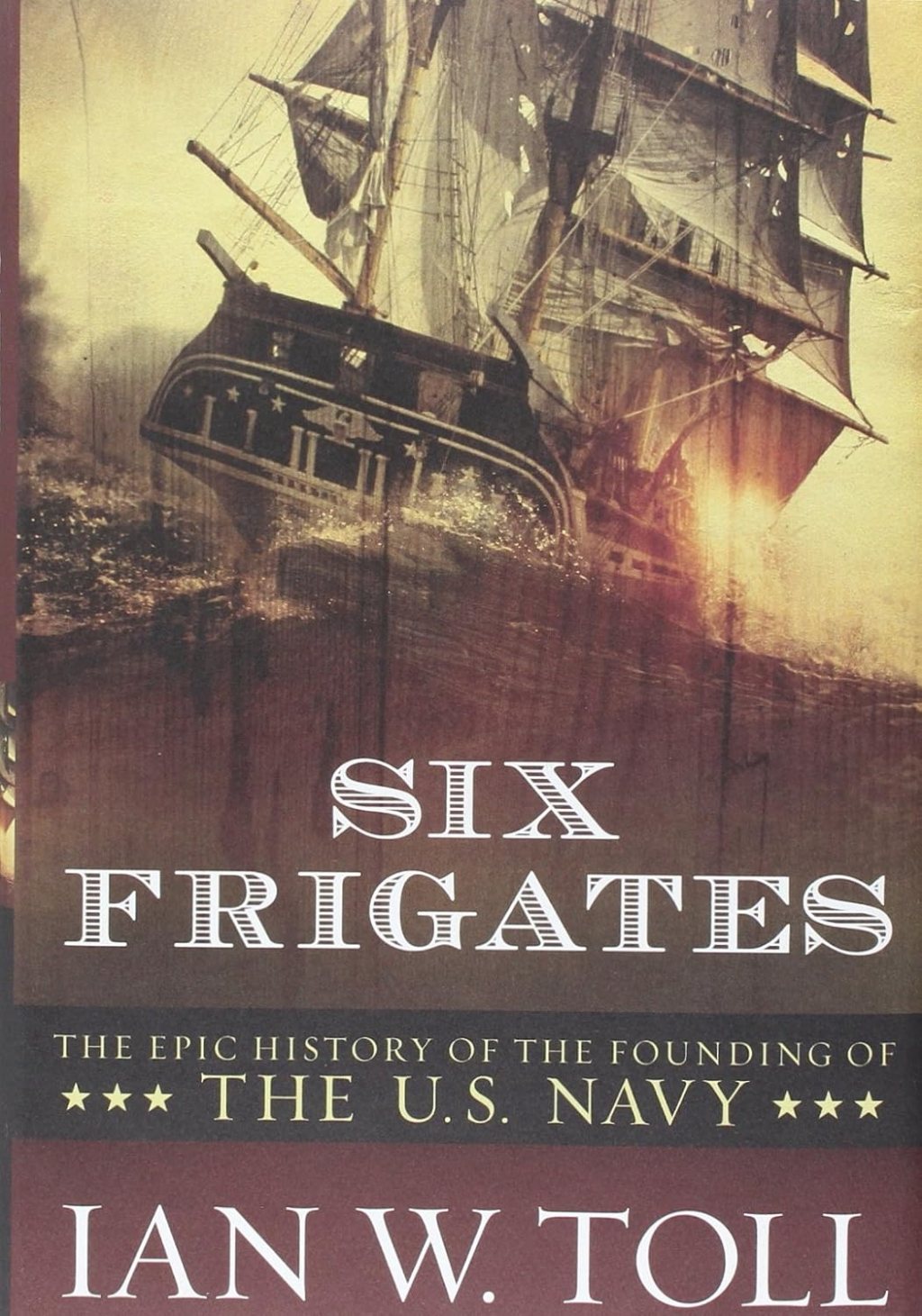
In the late eighteenth century, the English seemed almost born to the sea. They were better suited to naval warfare than their French, Spanish, and Dutch rivals, writes historian Ian W. Toll, “in the same way that a seal or a shark is inherently a better swimmer than a horse or a bear.” The central…
-
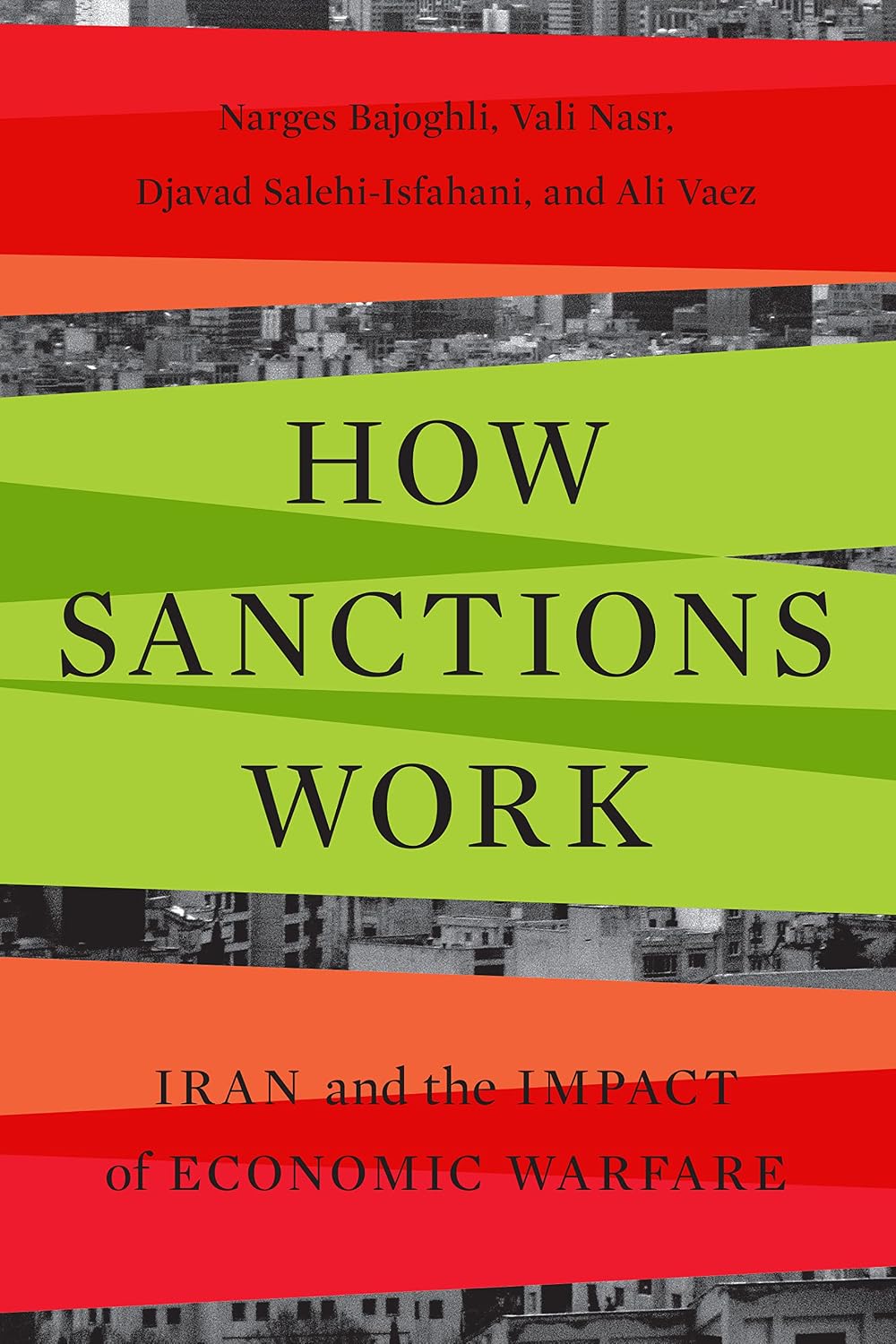
As a graduate of the Johns Hopkins School of Advanced International Studies (SAIS), I happened to be on campus when How Sanctions Work: Iran and the Impact of Economic Warfare (2024), by Narges Bajoghli and her co-authors, was released. I attended the authors’ roundtable discussion but reserved judgment until I had read the book itself.…
 What's Tim Reading Now?