Category: Pop History
-
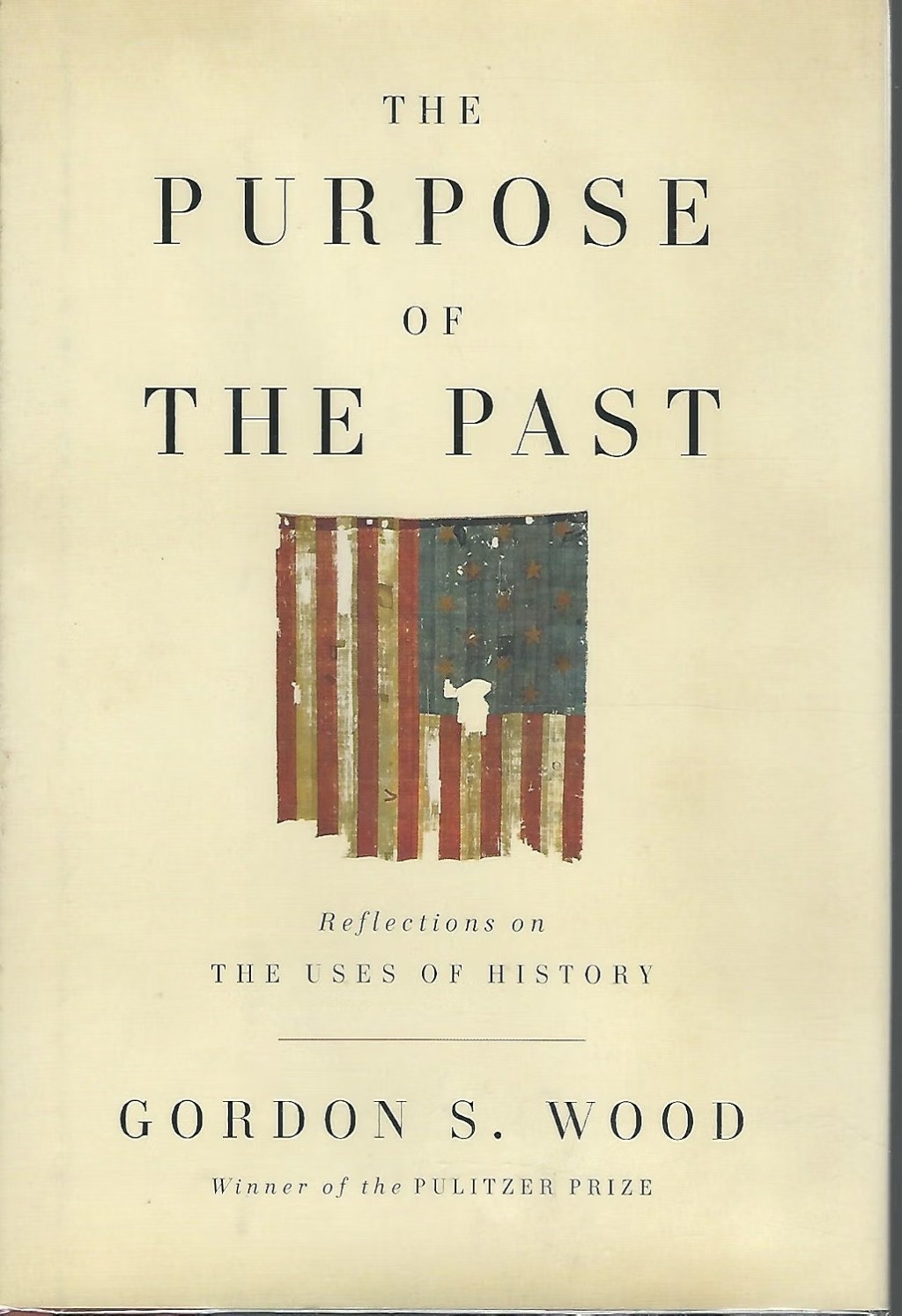
The Purpose of the Past: Reflections on the Uses of History (2008) by Gordon S. Wood
Gordon S. Wood, who died a few months ago at the age of 92, is one of my all-time favorite academic historians. His work is so insightful and consistently well written that I try to read virtually everything he has published, even when the subject falls outside my immediate interests. It was primarily Wood’s name,…
-
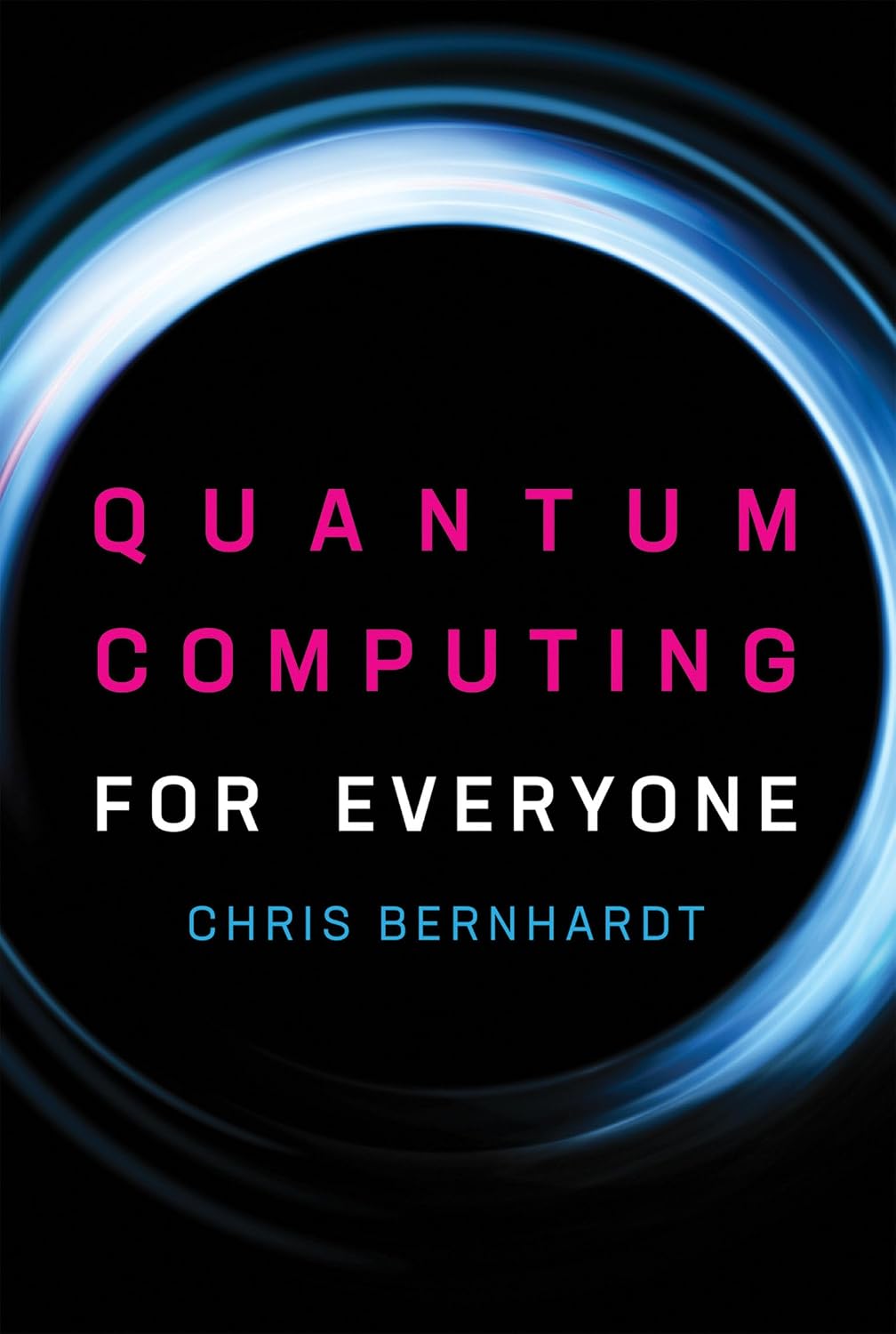
Quantum Computing for Everyone (2019) by Chris Bernhardt
According to mathematician Chris Bernhardt, quantum computing represents “a beautiful fusion of quantum physics and computer science.” His book, Quantum Computing for Everyone (2019), offers a remarkably accessible primer on a technological revolution that now seems just over the horizon. Bernhardt focuses not on the engineering challenge of building quantum computers, but on the theory…
-
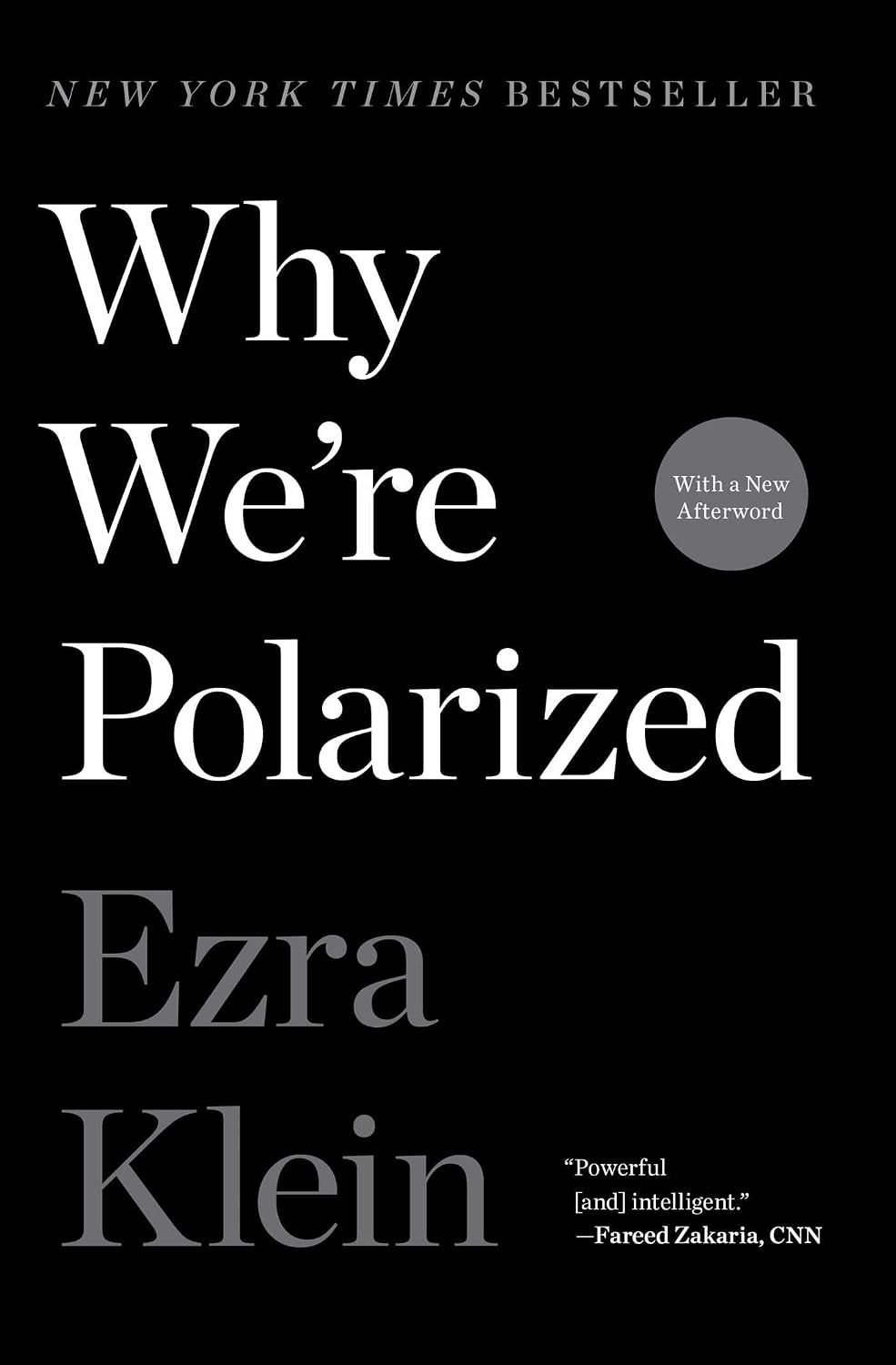
Why We’re Polarized (2020) by Ezra Klein
Like many Americans, political journalist and commentator Ezra Klein was stunned by Donald Trump’s victory over Hillary Clinton in the 2016 presidential election. In the aftermath, countless pundits and political scientists searched for the elusive explanation: the black swan event or October surprise that could account for what many regarded as an unprecedented political upset.…
-

Longitude: The True Story of a Lone Genius Who Solved the Greatest Scientific Problem of His Time (2007) by Dava Sobel
Sometimes there is an obvious answer to a complex problem, but there is a missing piece that confounds even the greatest minds and resists the efforts of large-scale government programs to develop a solution. Such was the case of a reliable and accurate method for calculating longitude in the first centuries of European naval mastery…
-
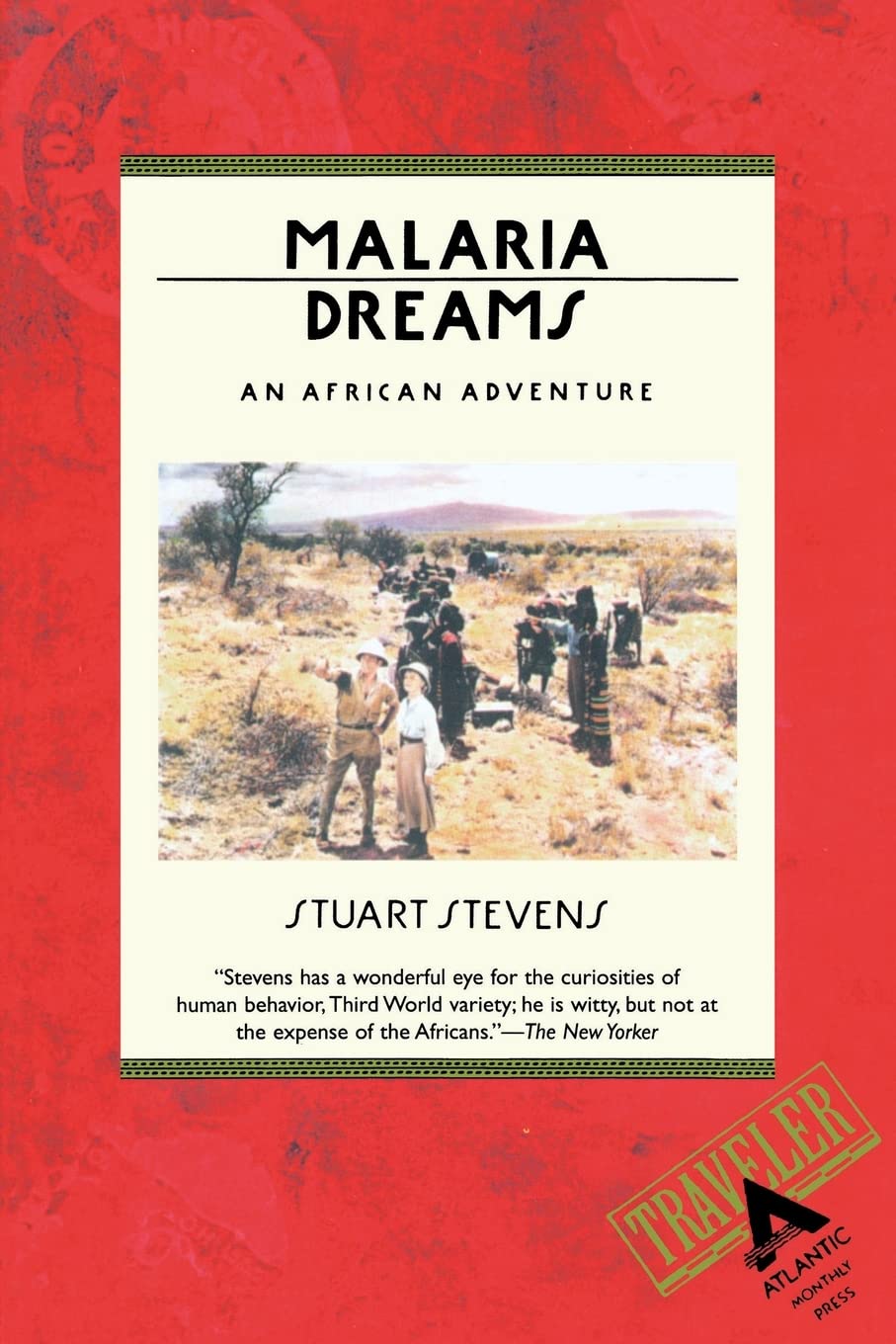
Malaria Dreams: An African Adventure (1989) by Stuart Stevens
My in-laws were medical missionaries in north east Cameroon back in the late 1990s. They were urged to read this travelogue as a preparation for life in sub Saharan Africa. I read it for fun, mainly because after flipping through a few pages I realized that it was a lot like the blog I kept…
-

The End of History and the Last Man (1992) by Francis Fukuyama
Toward the end of the Cold War, three very different books were published within five years of each other that sought to explain the likely contours of the inchoate new world order emerging from the implosion of the communist bloc: David Kennedy’s “The Rise and Fall of the Great Powers” 1989); Francis Fukuyama’s “The End…
-

The Storytelling Animal: How Stories Make Us Human (2012) by Jonathan Gottschall
Malcolm Gladwell has made a fortune writing books like this, stitching together a compelling and comprehensive narrative on phenomena like social virality (“Tipping Point”), deep understanding of subject matter (“Blink”) and exceptional performance (“Outliers”). Gladwell delivers virtually no original research in any of these books. But what he does with genius is make all the…
-

King Leopold’s Ghost: A Story of Greed, Terror, and Heroism in Colonial Africa (1998) by Adam Hochschild
A century before the campaign to support Darfur and the anti-Apartheid struggle of the 1980s there was the Congo, an international humanitarian movement propelled by celebrity endorsements (Sir Arthur Conan Doyle and Mark Twain) and stoked by graphic images of the atrocities that happened there, which horrified and outraged and inspired action. Adam Hochschild tells…
-

The Black Swan: The Impact of the Highly Improbable (2007) by Nassim Taleb
In the main, I found “Black Swan” to be terribly disappointing: long-winded, poorly structured, unnecessarily acerbic, often embarrassingly childish, but above all of limited practical application. Author Nassim Taleb launches a frontal assault on social scientists of all stripes, but unleashes particular venom at economists, especially Nobel Prize winners who’s work is based on Gaussian…
 What's Tim Reading Now?