All Posts
Collected reviews from decades of reading — organized by subject and written for clarity, context, and long-term reference.
Categories
- A Very Short Introduction (4)
- Afghanistan (5)
- Africa (3)
- Age of Discovery (14)
- American Revolution (29)
- Ancient Greece (11)
- Ancient Rome (2)
- Anglo-German Naval Competition (8)
- Anthropology (3)
- Art History (6)
- Artists (16)
- British History (16)
- Business Books (19)
- Business Greats (12)
- Central Banking (8)
- China (1)
- Cold War Era (19)
- Colonial America (25)
- Commodities (10)
- Corporate Biography (11)
- Counter Insurgency (6)
- Cuba (1)
- Disease (9)
- Early Modern Europe (8)
- Early Republic (21)
- Economic Development (12)
- Economics (17)
- French Revolution (8)
- Great Depression (6)
- Great Projects (9)
- Great Writers (4)
- Industrial Revolution (14)
- Iranian Revolution (4)
- Italian Renaissance (27)
- Jacksonian America (4)
- Korea (1)
- Middle Ages (4)
- Middle East (5)
- Military Innovation (20)
- Napoleon (3)
- Philosophy (4)
- Pop History (32)
- Progressive Era (8)
- Republican Rome (16)
- Roman Empire (25)
- Russian History (5)
- Russian Revolution (3)
- Sri Lanka (3)
- The Gilded Age (4)
- U.S. Civil War (7)
- U.S. Presidents (16)
- Vietnam (8)
- World War I (6)
- World War II (10)
-
John Berger’s Ways of Seeing (1972) remains one of the most influential – and controversial – books ever written about art. More than offering definitive answers, Berger poses a series of provocative questions that have shaped the interpretation of art well into the twenty-first century. Personally, I found Ways of Seeing neither especially well written…
-
Anthony Everitt’s The Rise of Athens: The Story of the World’s Greatest Civilization (2016) is an engaging narrative history of how a relatively obscure Greek city-state rose to become the dominant political, military, and cultural power of the ancient Mediterranean during the fifth century BC. Despite its title, however, the book chronicles not only Athens’…
-
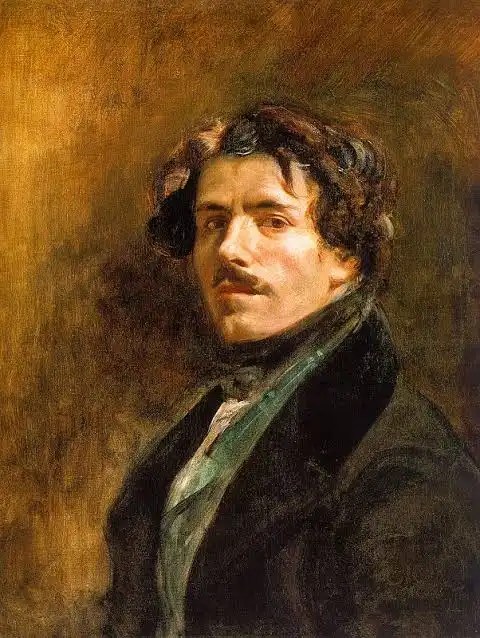
Eugène Delacroix stood at a pivotal turning point in the history of Western art. He was arguably the last great painter of the tradition shaped by Renaissance humanism; the final master to approach myth, religion, allegory, literature, and history with complete confidence that these subjects remained worthy of the grandest artistic treatment. While the generations…
-
The American Revolution technically continued for nearly two years after the capitulation of Lord Cornwallis at the Siege of Yorktown in October 1781, but the war was effectively decided during that dramatic campaign, which brought together some 20,000 American and French soldiers and a powerful French battle fleet that converged from hundreds of miles of…
-
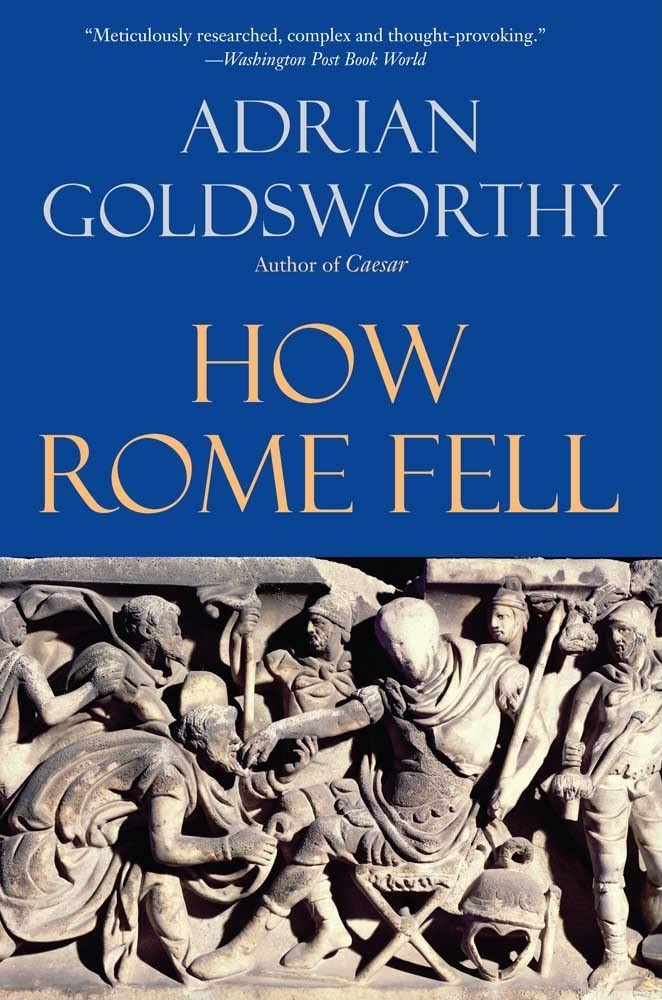
Eighteenth-century British historian Edward Gibbon famously wrote, “The decline of Rome was the natural and inevitable effect of immoderate greatness.” More than two centuries and countless scholarly debates later, British historian Alexander Demandt wryly observed, “The only thing historians agree on about the fall of the Roman Empire is that it happened.” Indeed, yet another…
-
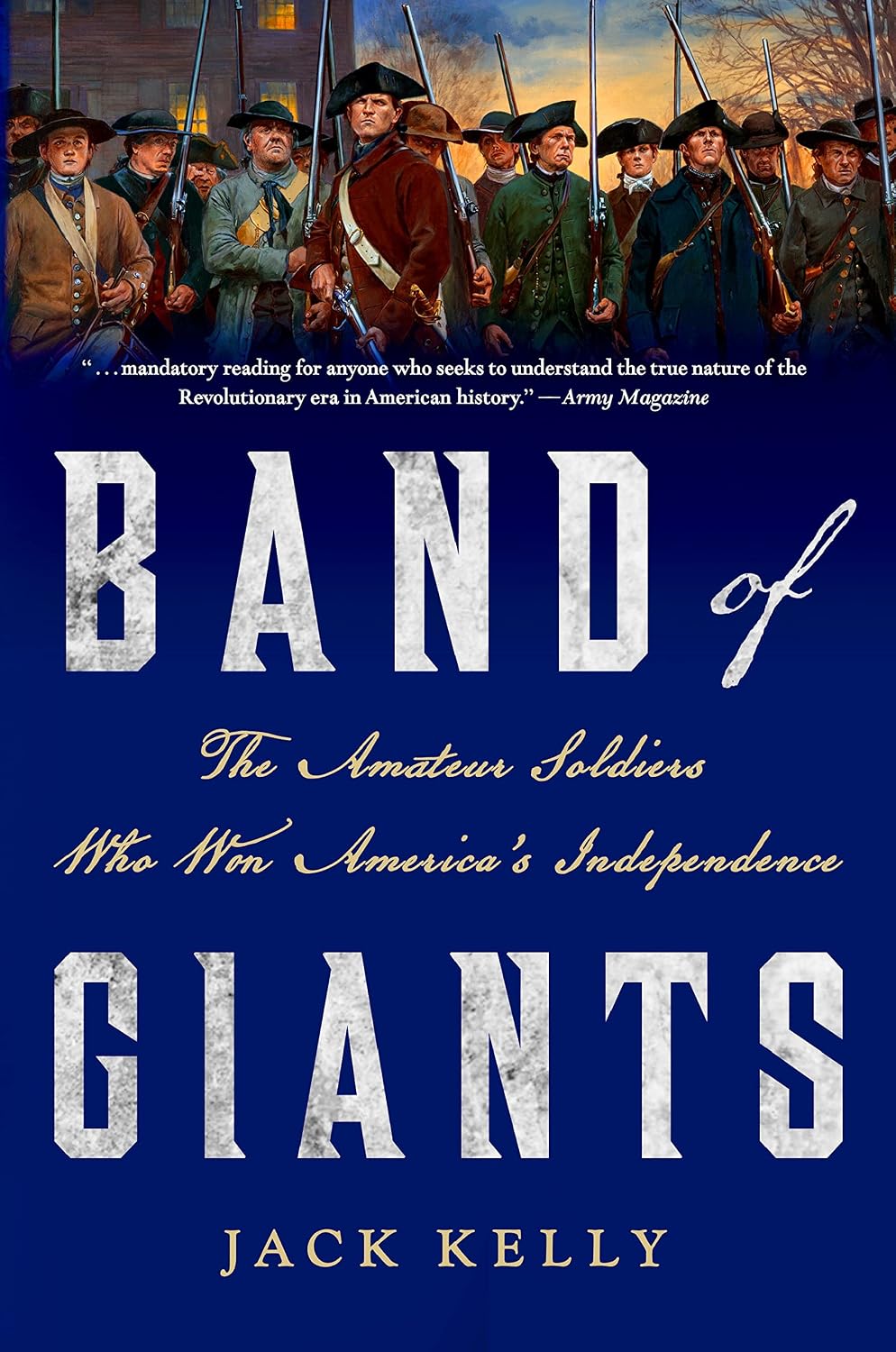
Band of Giants: The Amateur Soldiers Who Won America’s Independence (2014) by Jack Kelly quite literally fell into my lap. While having dinner with old friends from graduate school, my hostess mentioned that she had an extra copy and insisted I take it home. I read almost the entire thing on my flight back to…
-
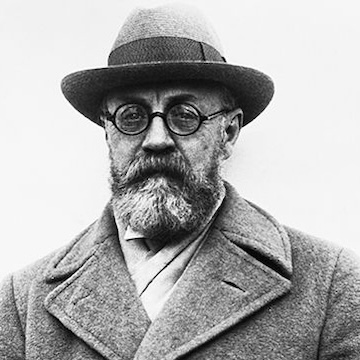
The World of Matisse: 1869–1954 (1969) by longtime New York Times art critic John Russell was one of the final volumes published in the landmark Time-Life World of Art series. Appearing just fifteen years after Matisse’s death, it was written at a time when both the artist’s reputation and his place in the history of…
-
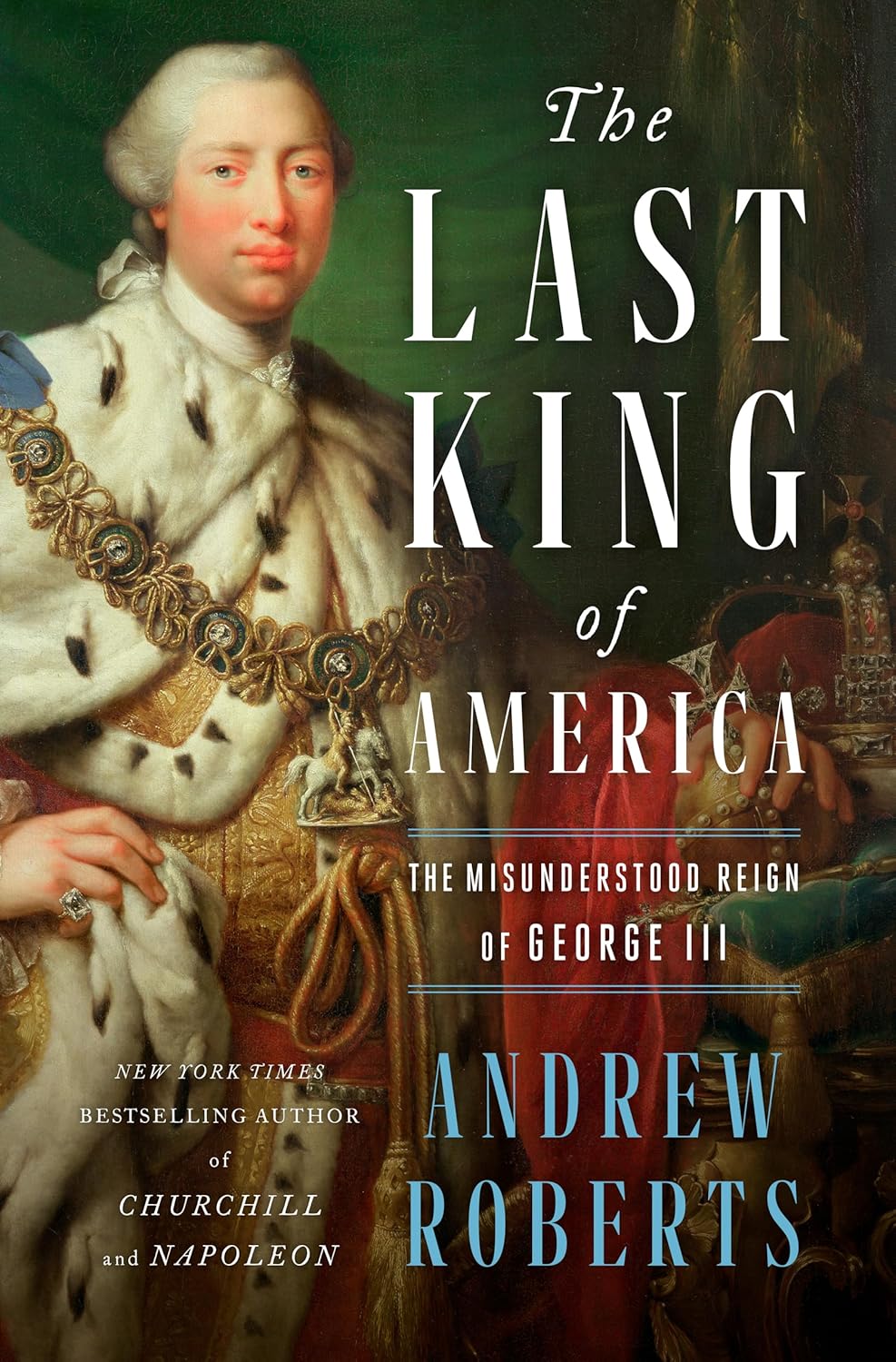
“George III is one of the most tragic monarchs in British history, as well as one of the most underestimated and misunderstood.” So concludes Andrew Roberts in his sweeping, revisionist biography of the Hanoverian king who reigned for nearly sixty years, guiding Britain through the American Revolution, the French Revolution, and the Napoleonic Wars while…
-
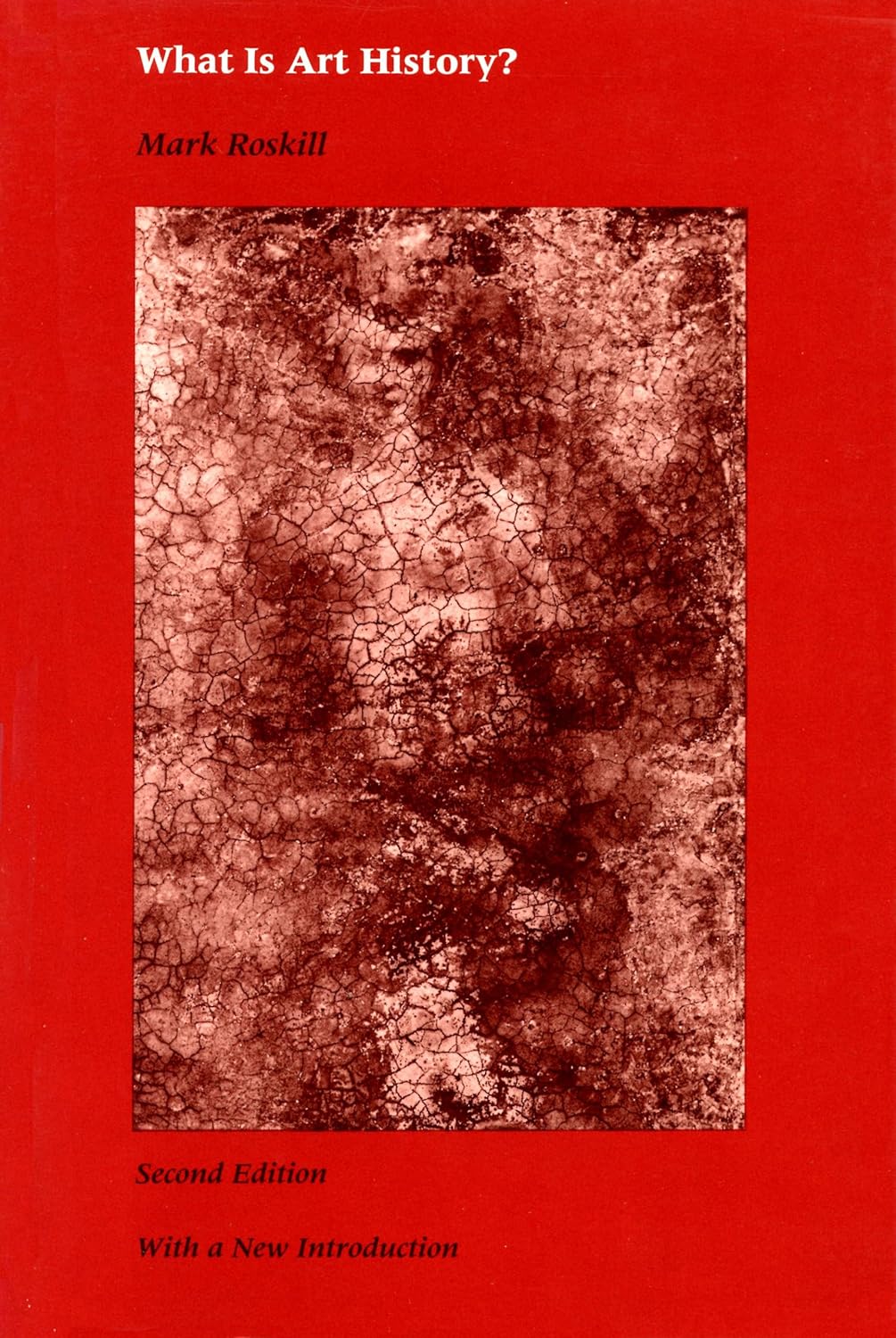
The title of this book says it all. Originally published in 1975, What Is Art History? by art historian Mark Roskill provides a lively and engaging introduction to the discipline. Organized into a series of short, richly illustrated chapters, the book explores the central questions, methods, and responsibilities that define the work of the art…
 What's Tim Reading Now?