Category: Artists
-
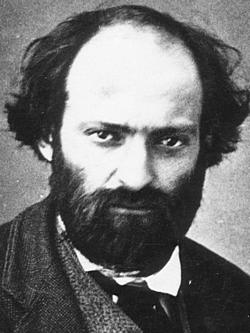
The World of Cezanne: 1839-1906 (1968) by Richard W. Murphy
Cézanne was a giant of European art, with well-developed ideas about what painting should – and should not – be. He rejected the notion that paintings should merely capture impressions of nature, illustrate stories, provide decoration, or offer social commentary. Instead, he believed that painting should express the emotions evoked in the artist through the…
-
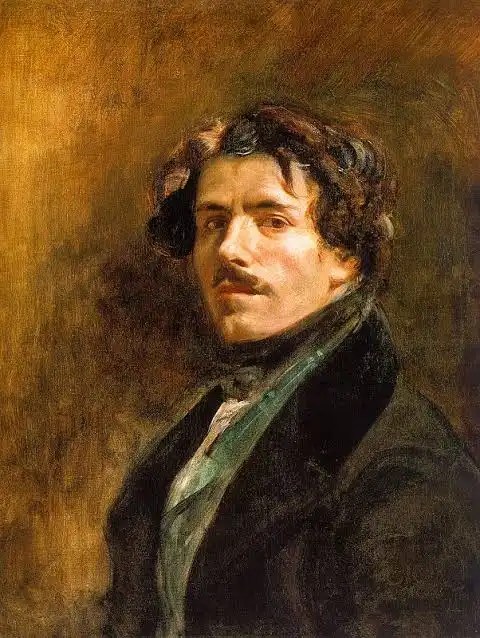
The World of Delacroix: 1798-1863 (1969) by Tom Prideaux
Eugène Delacroix stood at a pivotal turning point in the history of Western art. He was arguably the last great painter of the tradition shaped by Renaissance humanism; the final master to approach myth, religion, allegory, literature, and history with complete confidence that these subjects remained worthy of the grandest artistic treatment. While the generations…
-
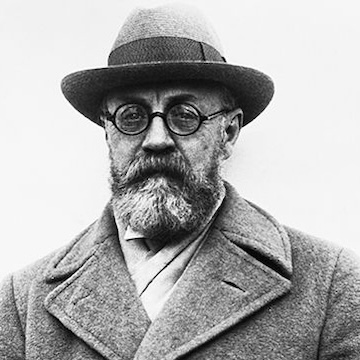
The World of Matisse: 1869-1954 (1969) by John Russell
The World of Matisse: 1869–1954 (1969) by longtime New York Times art critic John Russell was one of the final volumes published in the landmark Time-Life World of Art series. Appearing just fifteen years after Matisse’s death, it was written at a time when both the artist’s reputation and his place in the history of…
-
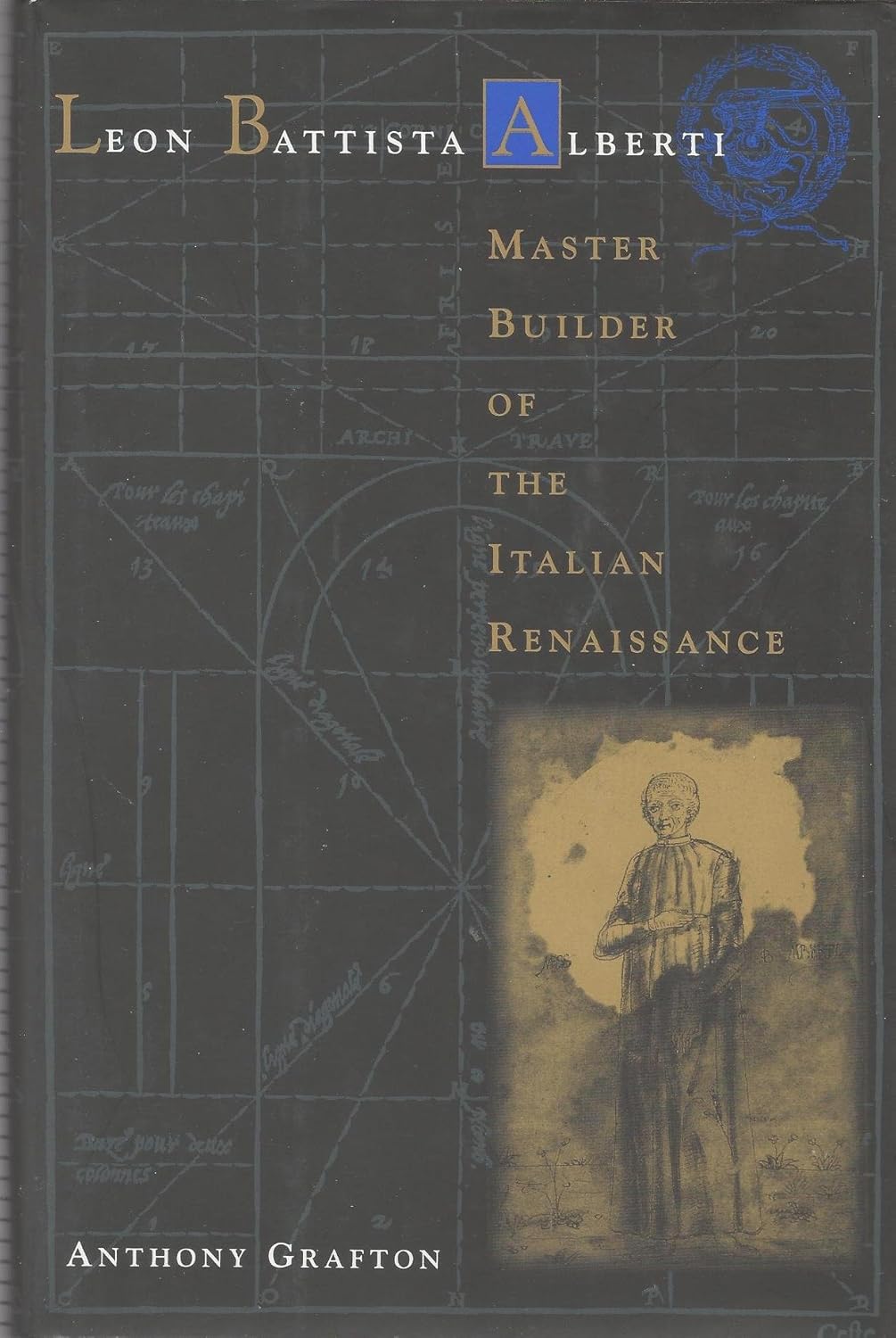
Leon Battista Alberti: Master Builder of the Italian Renaissance (2000) by Anthony Grafton
Leon Battista Alberti (1404–1472) was the quintessential Renaissance man, famously described by the nineteenth-century historian Jacob Burckhardt as the “universal man.” In Leon Battista Alberti: Master Builder of the Italian Renaissance (2000), historian Anthony Grafton places the great Florentine humanist into historical perspective while attempting to uncover the complex individual behind the carefully constructed public…
-
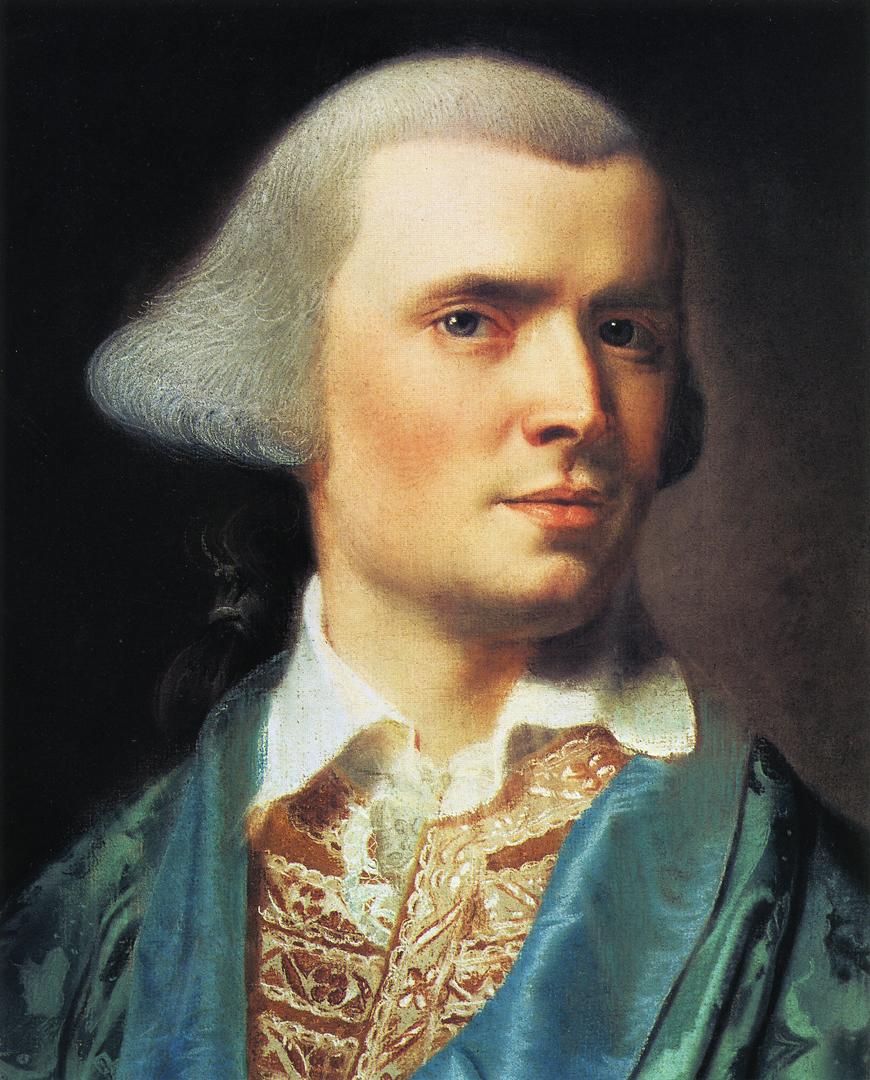
The World of Copley: 1738-1815 (1970) by Alfred Frankenstein
John Singleton Copley stands as the foremost American artist of the eighteenth century. At a time when Americans were widely regarded in Europe as provincial brutes, he nonetheless earned an honored place among the leading artists of the continent. His life was divided almost evenly between two worlds: the first thirty-seven years in Boston, and…
-
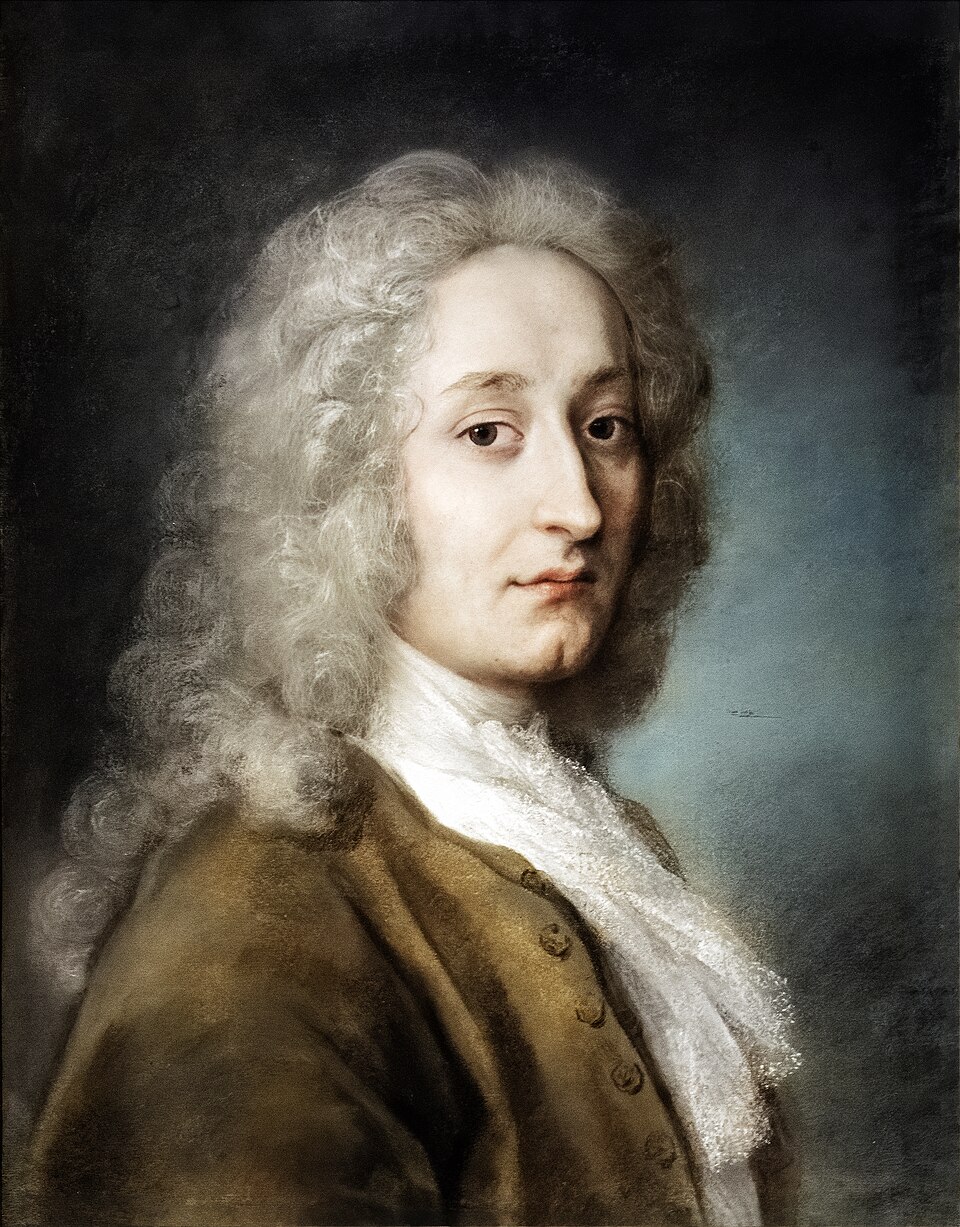
The World of Watteau (1967) by Pierre Schneider
The Sun King, Louis XIV, died in 1715 after 70 years on the throne. In partnership with his aide Jean-Baptiste Colbert, he set out to establish royal control over all aspects of life. Rigid regulations and etiquette dominated all aspects of French life in the late seventeenth century, including art. The Royal Academy of Painting…
-
Seven Centuries of Art: Survey and Index (1970) by H.W. Janson et al.
Seven Centuries of Art: Survey and Index, the capstone volume of the classic Time-Life Library of Art, is best understood as a grand connective tissue – an effort to show how Western art evolved not as a sequence of isolated geniuses, but as a long conversation across time. Rather than focusing on the twenty-eight individual…
-
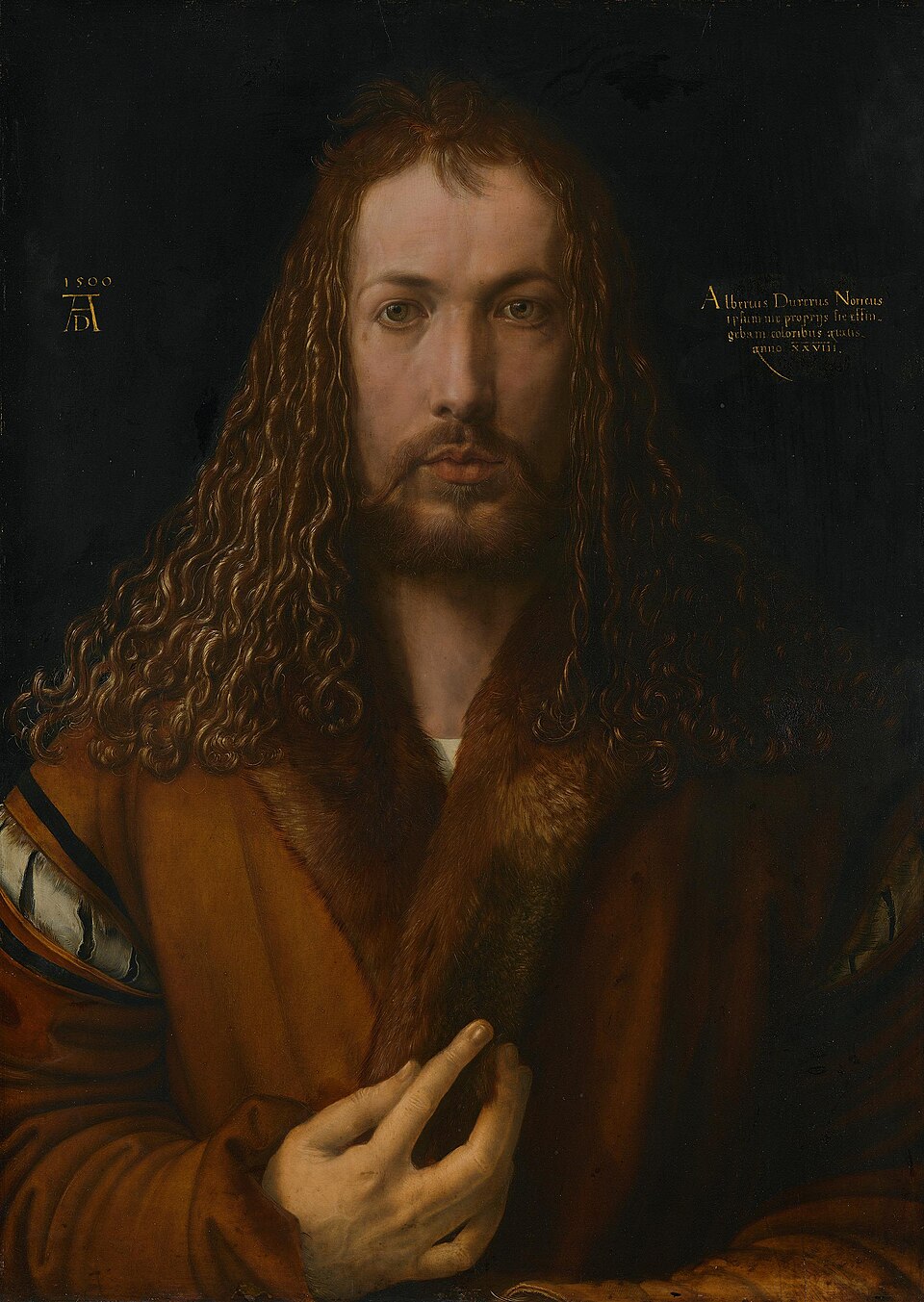
The World of Dürer: 1471-1528 (1967) by Francis Russell
Born the son of a Nuremberg goldsmith, Albrecht Dürer learned the demanding art of engraving with a burin at an early age, a discipline that trained both his hand and his eye. His talent was quickly recognized, and he was apprenticed to the painter Michael Wolgemut, who would become a second father and introduce him…
-

The World of Titian: 1488-1576 (1968) by Jay Williams
Titian – born Tiziano Vecellio in a small village in the Dolomites northeast of Venice – was the most prominent, versatile, and long-lived of all sixteenth-century Venetian artists. He arrived in Venice in 1497 as a nine-year-old apprentice, when the city was still at the height of its economic and cultural power and its art…
 What's Tim Reading Now?