All Posts
Collected reviews from decades of reading — organized by subject and written for clarity, context, and long-term reference.
Categories
- A Very Short Introduction (4)
- Afghanistan (5)
- Africa (3)
- Age of Discovery (14)
- American Revolution (29)
- Ancient Greece (11)
- Ancient Rome (2)
- Anglo-German Naval Competition (8)
- Anthropology (3)
- Art History (6)
- Artists (16)
- British History (16)
- Business Books (19)
- Business Greats (12)
- Central Banking (8)
- China (1)
- Cold War Era (19)
- Colonial America (25)
- Commodities (10)
- Corporate Biography (11)
- Counter Insurgency (6)
- Cuba (1)
- Disease (9)
- Early Modern Europe (8)
- Early Republic (21)
- Economic Development (12)
- Economics (17)
- French Revolution (8)
- Great Depression (6)
- Great Projects (9)
- Great Writers (4)
- Industrial Revolution (14)
- Iranian Revolution (4)
- Italian Renaissance (27)
- Jacksonian America (4)
- Korea (1)
- Middle Ages (4)
- Middle East (5)
- Military Innovation (20)
- Napoleon (3)
- Philosophy (4)
- Pop History (32)
- Progressive Era (8)
- Republican Rome (16)
- Roman Empire (25)
- Russian History (5)
- Russian Revolution (3)
- Sri Lanka (3)
- The Gilded Age (4)
- U.S. Civil War (7)
- U.S. Presidents (16)
- Vietnam (8)
- World War I (6)
- World War II (10)
-
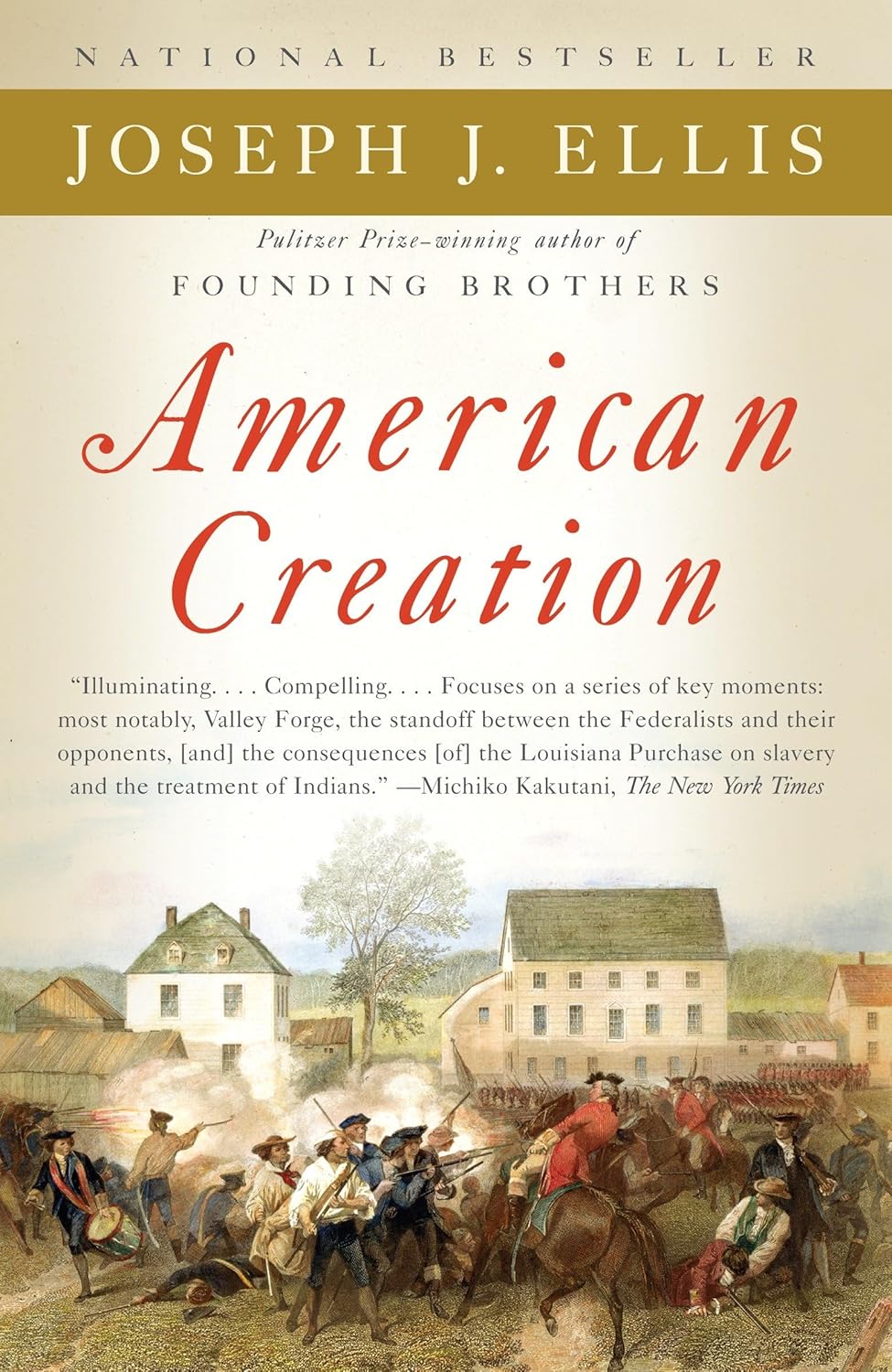
How did the American founding actually happen? That is the central question Joseph Ellis takes up in American Creation: Triumphs and Tragedies at the Founding of the Republic (2007). Rather than treating the founding as a single moment, Ellis stretches the period across twenty-eight formative years – from the Declaration of Independence in 1776 to…
-
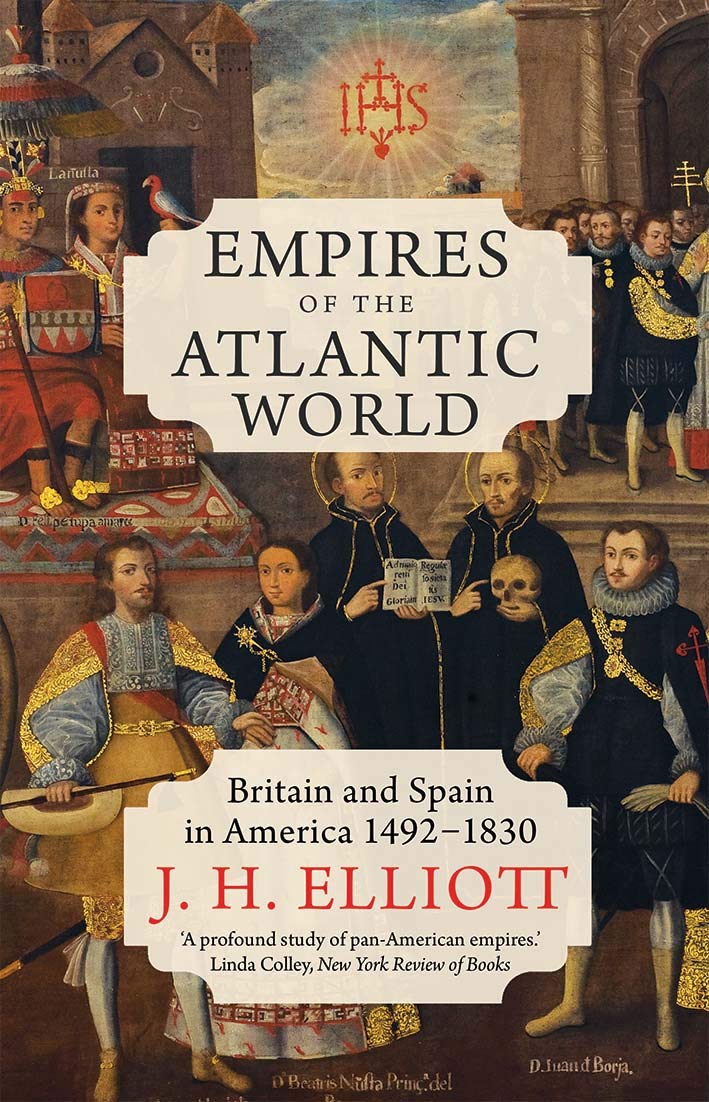
J. H. Elliott’s Empires of the Atlantic World: Britain and Spain in America, 1492–1830 is a sweeping comparative history that attempts something both ambitious and intellectually disciplined: to explain not simply how two empires conquered and colonized the Americas, but why they produced such profoundly different societies – and why those differences endured long after…
-
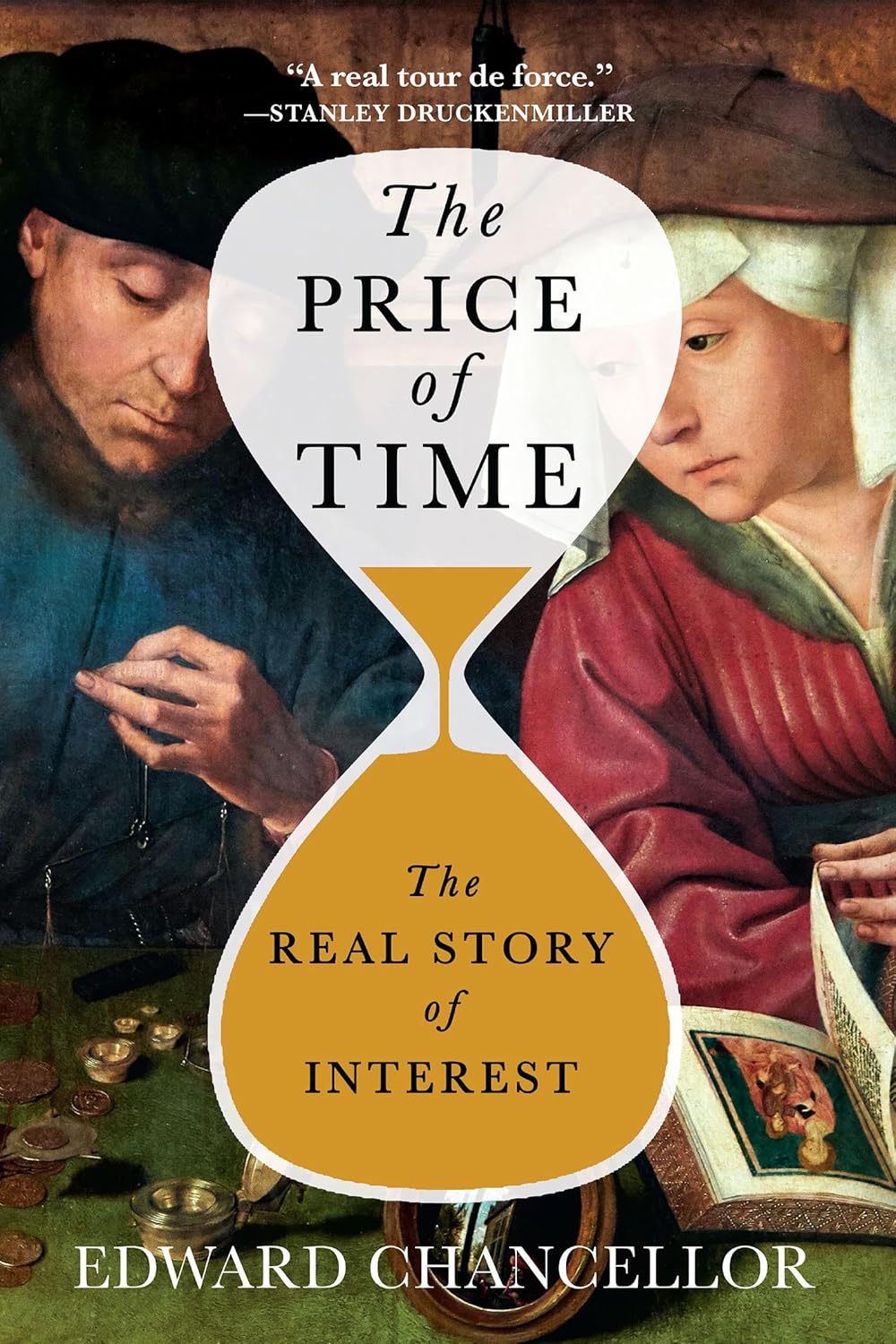
Some books are good, fewer are great, and only a rare handful amount to an education. These are the works that fundamentally reshape how you see the world—how you understand the past and imagine the future. The Price of Time: The Real Story of Interest (2022) by Edward Chancellor is one of those rare books.…
-
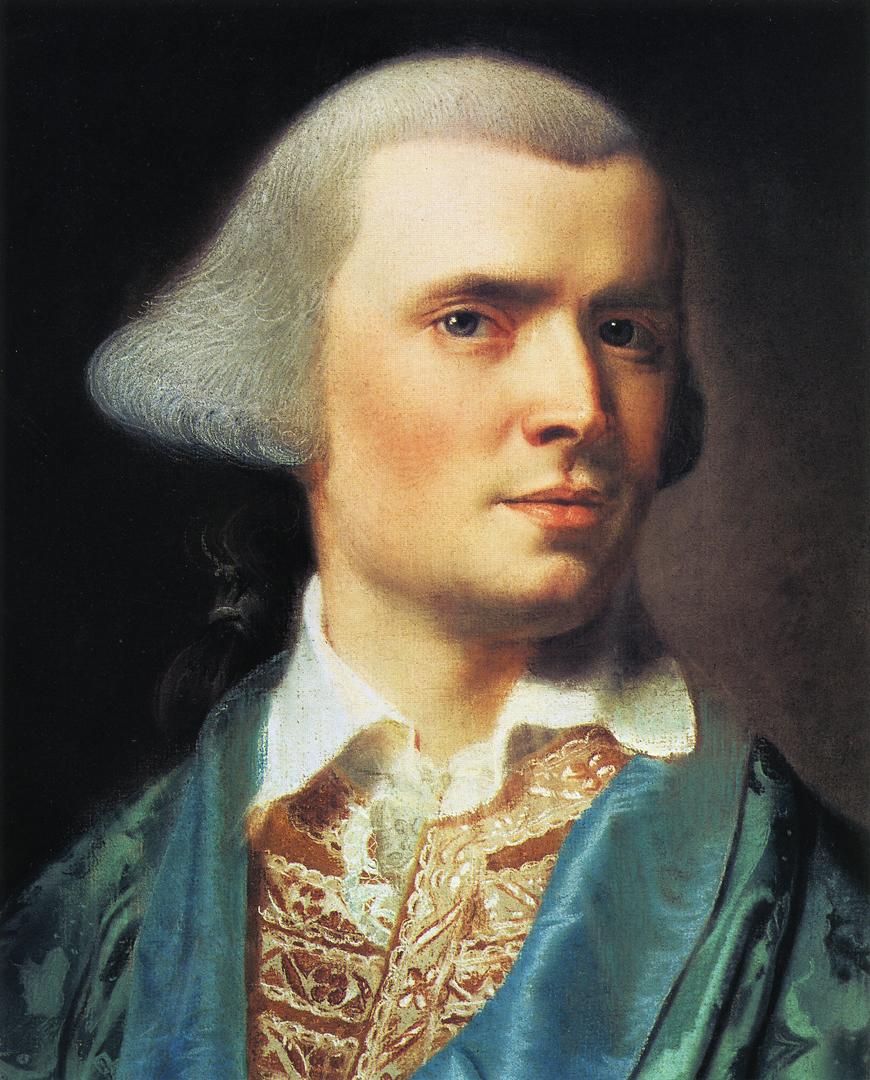
John Singleton Copley stands as the foremost American artist of the eighteenth century. At a time when Americans were widely regarded in Europe as provincial brutes, he nonetheless earned an honored place among the leading artists of the continent. His life was divided almost evenly between two worlds: the first thirty-seven years in Boston, and…
-
American Colonies: The Settling of North America (2001) by Alan Taylor is a sweeping and authoritative narrative of the European colonization of the Americas from 1492 to 1830. A decade later, the UC Davis historian distilled that expansive work into Colonial America: A Very Short Introduction (2013), part of Oxford’s acclaimed series of concise scholarly…
-
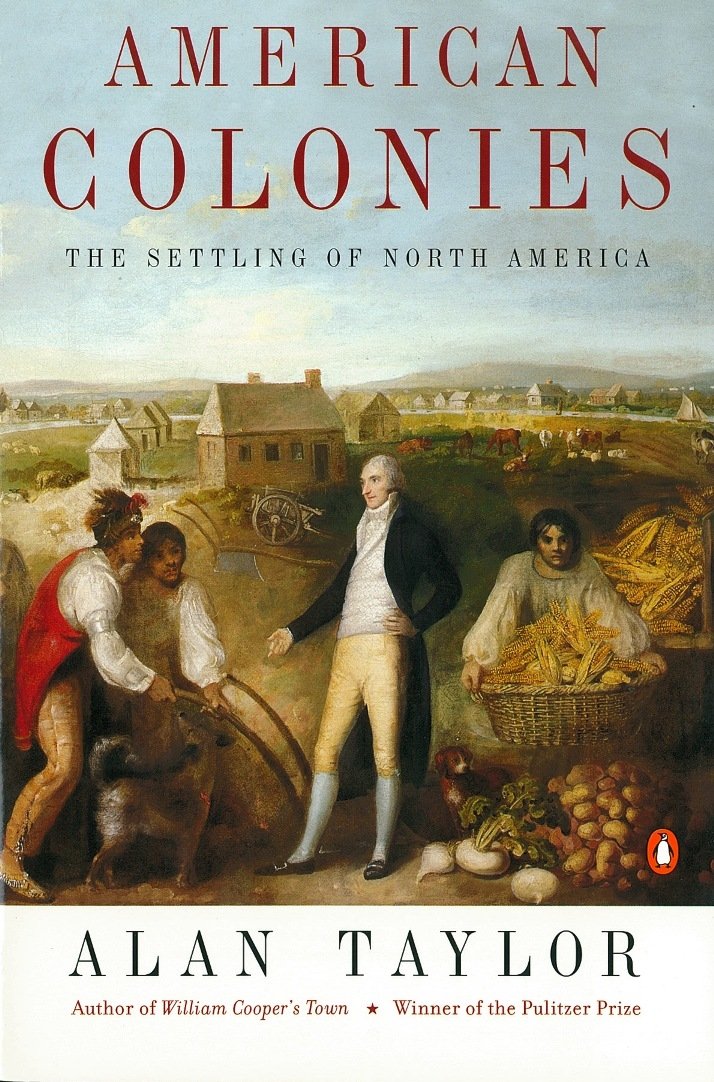
Each year I choose a broad historical subject to immerse myself in and, if possible, come close to mastering. In 2024 it was the Italian Renaissance; the year before, the Industrial Revolution. In 2025 I turned to early colonial America. Of the dozen or so books I read – ranging from accounts of the Spanish…
-
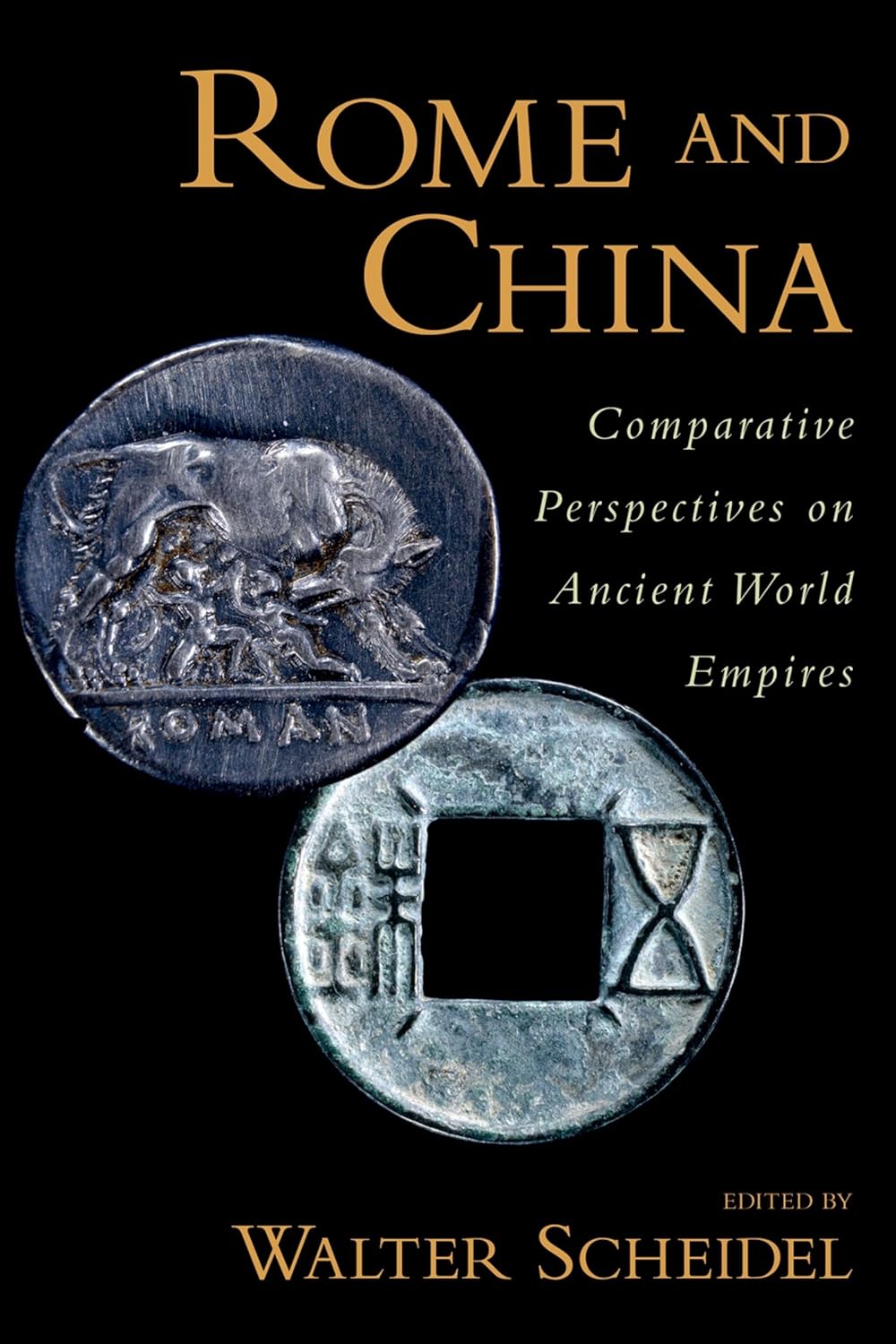
Rome and China: Comparative Perspectives on Ancient World Empires, edited by Walter Scheidel, represents an ambitious effort to bring rigorous comparative analysis to two of the most influential political systems of the ancient world: the Roman Empire in the West and the Qin–Han Empire in the East (221 BC to 220 AD). At a time…
-
Paying with plastic – especially now using our smartphones to tap-and-pay – is so easy and ubiquitous that it’s almost hard to imagine a time before credit cards transactions. Perhaps the most incredible part of the process is how fast and relatively secure it is when you consider all the moving parts and various players…
-

The Sun King, Louis XIV, died in 1715 after 70 years on the throne. In partnership with his aide Jean-Baptiste Colbert, he set out to establish royal control over all aspects of life. Rigid regulations and etiquette dominated all aspects of French life in the late seventeenth century, including art. The Royal Academy of Painting…
 What's Tim Reading Now?