All Posts
Collected reviews from decades of reading — organized by subject and written for clarity, context, and long-term reference.
Categories
- A Very Short Introduction (4)
- Afghanistan (5)
- Africa (3)
- Age of Discovery (14)
- American Revolution (29)
- Ancient Greece (11)
- Ancient Rome (2)
- Anglo-German Naval Competition (8)
- Anthropology (3)
- Art History (6)
- Artists (16)
- British History (16)
- Business Books (19)
- Business Greats (12)
- Central Banking (8)
- China (1)
- Cold War Era (19)
- Colonial America (25)
- Commodities (10)
- Corporate Biography (11)
- Counter Insurgency (6)
- Cuba (1)
- Disease (9)
- Early Modern Europe (8)
- Early Republic (21)
- Economic Development (12)
- Economics (17)
- French Revolution (8)
- Great Depression (6)
- Great Projects (9)
- Great Writers (4)
- Industrial Revolution (14)
- Iranian Revolution (4)
- Italian Renaissance (27)
- Jacksonian America (4)
- Korea (1)
- Middle Ages (4)
- Middle East (5)
- Military Innovation (20)
- Napoleon (3)
- Philosophy (4)
- Pop History (32)
- Progressive Era (8)
- Republican Rome (16)
- Roman Empire (25)
- Russian History (5)
- Russian Revolution (3)
- Sri Lanka (3)
- The Gilded Age (4)
- U.S. Civil War (7)
- U.S. Presidents (16)
- Vietnam (8)
- World War I (6)
- World War II (10)
-
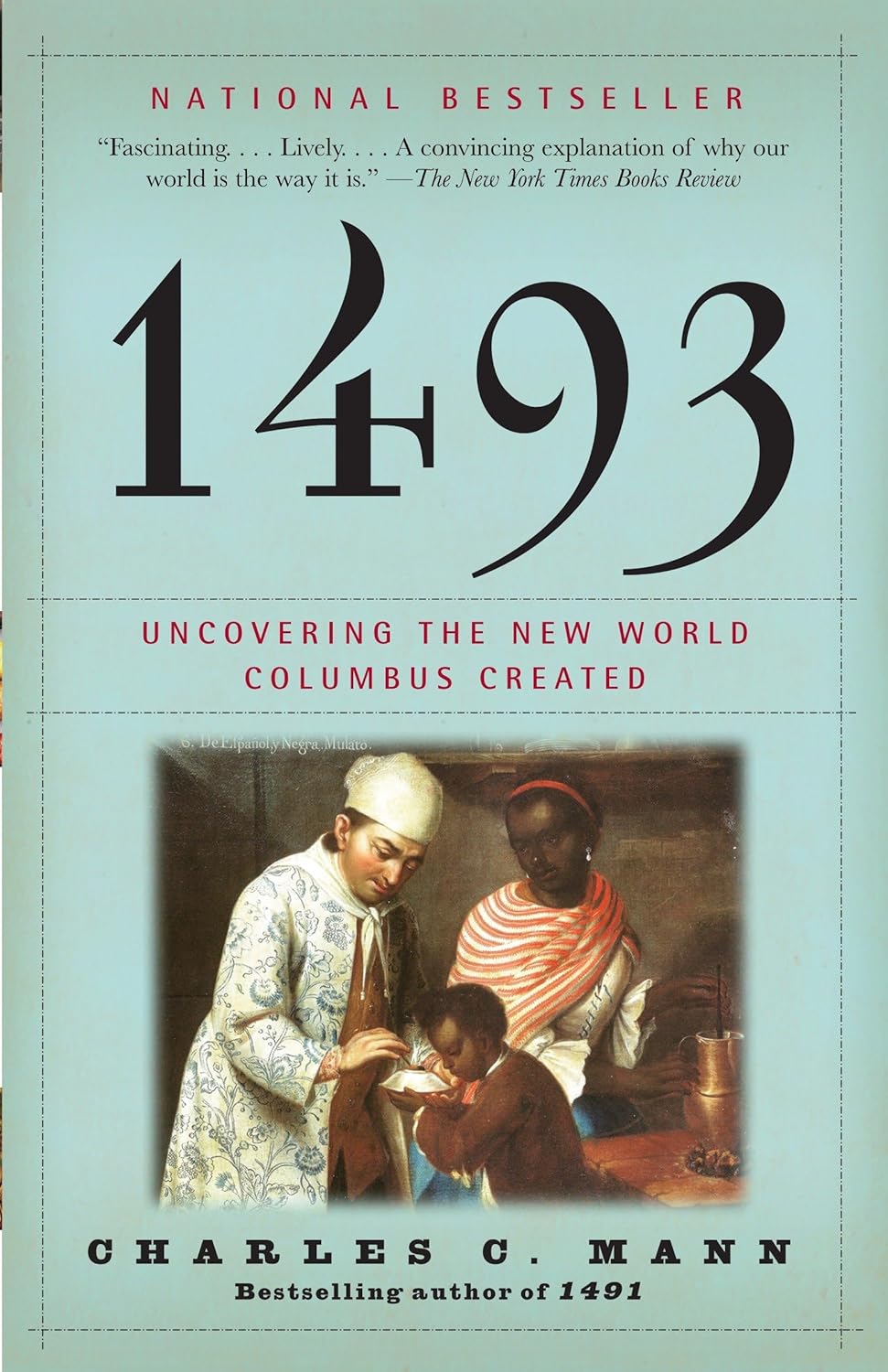
In 1493: Uncovering the New World Columbus Created (2011), Charles C. Mann examines how the voyages of Columbus set in motion one of the most transformative events in human history – the creation of the Homogocene, a truly globalized, borderless world. Building on the foundation of his earlier work 1491 (2005) and Arthur Crosby’s seminal…
-

Titian – born Tiziano Vecellio in a small village in the Dolomites northeast of Venice – was the most prominent, versatile, and long-lived of all sixteenth-century Venetian artists. He arrived in Venice in 1497 as a nine-year-old apprentice, when the city was still at the height of its economic and cultural power and its art…
-
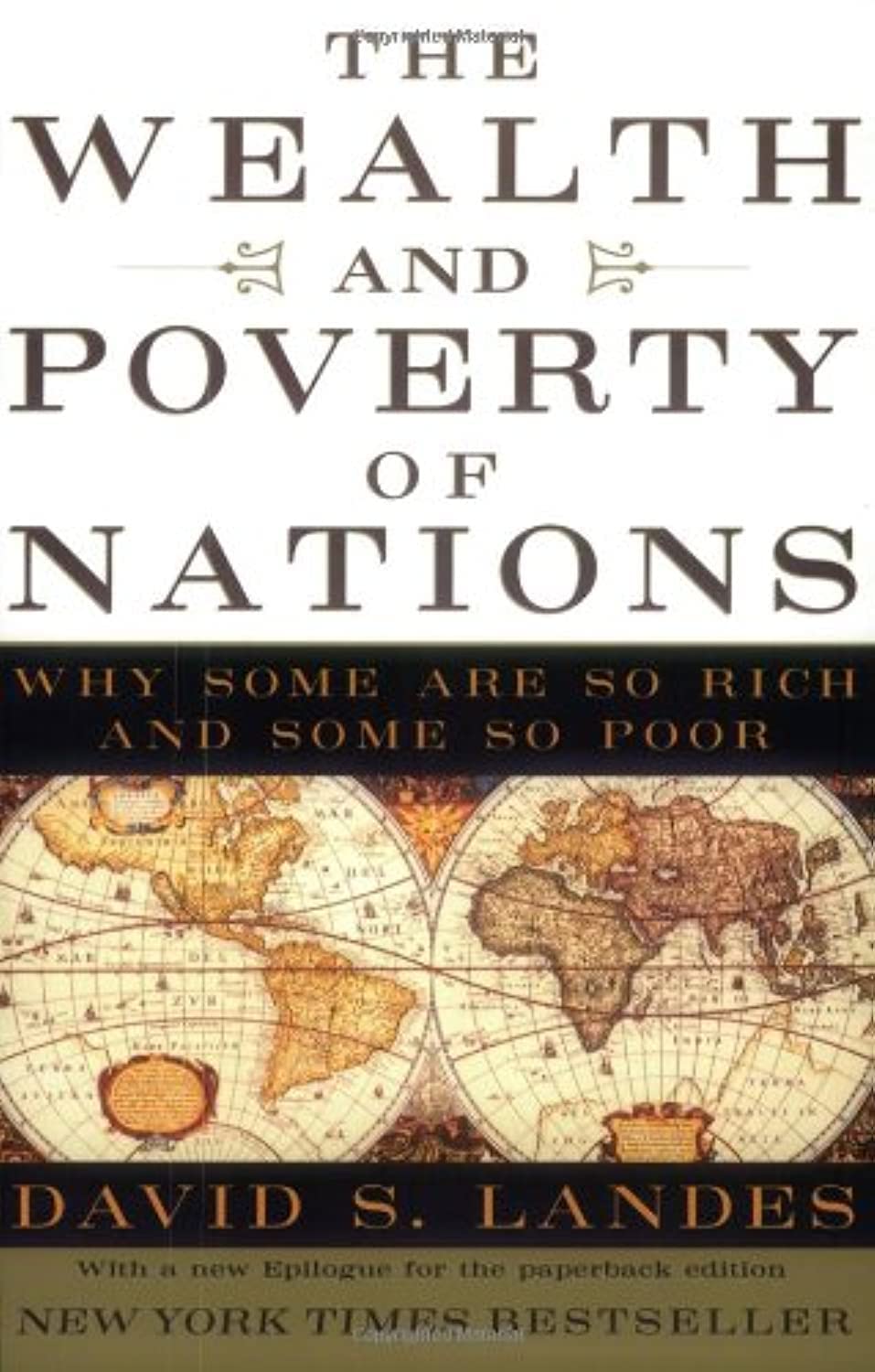
When David Landes published The Wealth and Poverty of Nations in 1998, he entered one of the most enduring debates in world history: why some societies become rich while others remain poor. Landes’s answer was simple and blunt: “If we learn anything from the history of economic development, it is that culture makes all the…
-
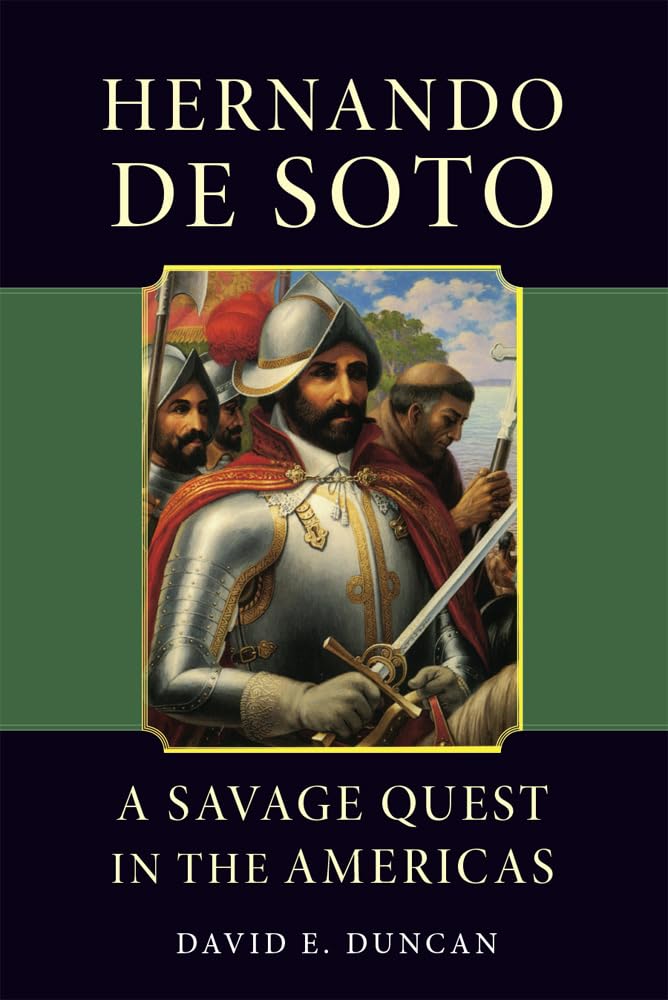
Few figures from the Age of Discovery embody both ambition and brutality as starkly as Hernando de Soto (1500-1542), the conquistador who carved a bloody path through the southeast of North America in search of gold and glory. In Hernando de Soto: A Savage Quest in the Americas (1997), David Ewing Duncan strips away the…
-
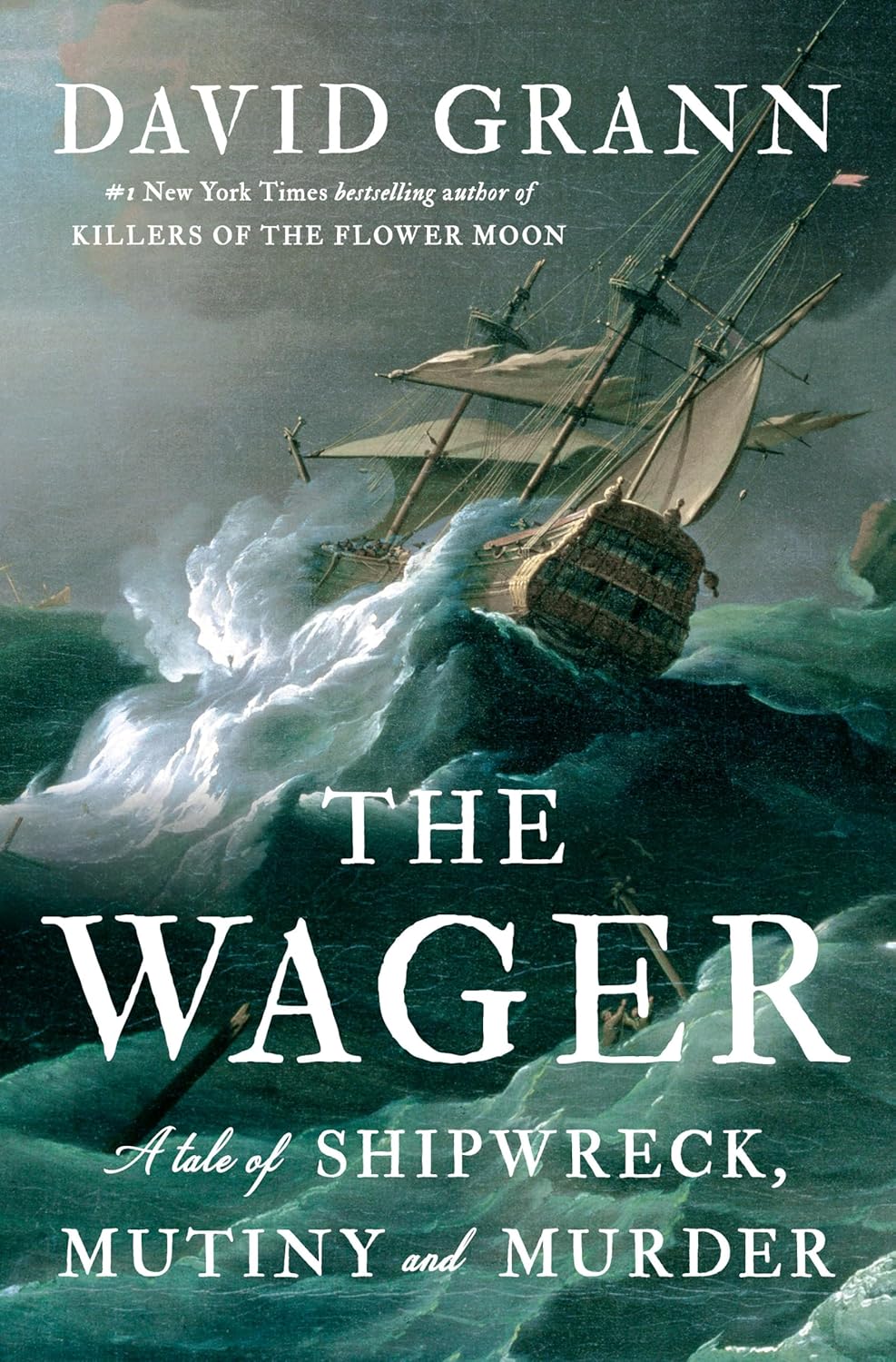
David Grann’s The Wager: A Tale of Shipwreck, Mutiny and Murder has been a publishing phenomenon, especially for an historical non-fiction account of an event that happened 300 years ago. Since its initial release in 2023, the book has dominated bestseller lists, sold more than a million copies worldwide, and cemented Grann’s reputation as one…
-

David Graeber’s Debt: The First 5,000 Years (2021) is both a romp through human financial history and a deliberately provocative political polemic. Part anthropology, part moral essay and part work of revisionist history, it upends a set of conventional narratives – most famously the “barter-to-money-to-market” story taught in introductory economics – and replaces them with…
-

In Chip War: The Fight for the World’s Most Critical Technology (2022) historian Chris Miller delivers a comprehensive and urgent account of how the semiconductor has become the most critical – and contested – resource in the modern world. His central insight is that microchips are not merely the foundation of the digital economy but…
-

Before Giotto, art had been largely decorative or dogmatic; he revealed that it could also be a shared human experience – something to look at rather than look up to. He infused his paintings with a newfound sense of humanity, setting his figures in natural, emotionally resonant scenes. Inspired by the philosophy of the Franciscans,…
-
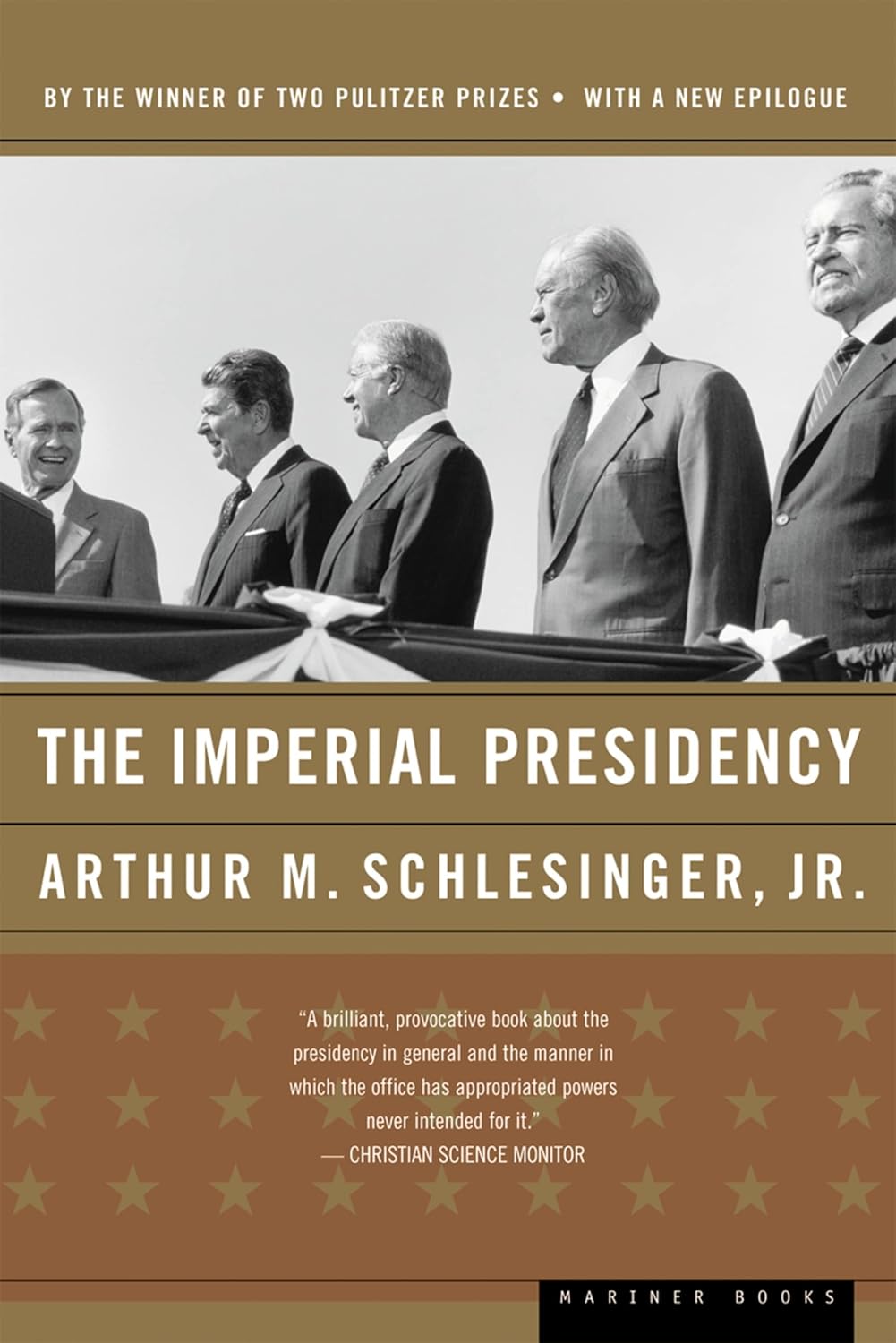
Arthur Schlesinger Jr. is one of the most celebrated American historians of the twentieth century, having won two Pulitzer Prizes while teaching at Harvard for several decades. He also had significant and relevant experience in government, first as an intelligence officer in the Office of Strategic Services during World War II and later as a White…
 What's Tim Reading Now?