All Posts
Collected reviews from decades of reading — organized by subject and written for clarity, context, and long-term reference.
Categories
- A Very Short Introduction (4)
- Afghanistan (5)
- Africa (3)
- Age of Discovery (14)
- American Revolution (29)
- Ancient Greece (11)
- Ancient Rome (2)
- Anglo-German Naval Competition (8)
- Anthropology (3)
- Art History (6)
- Artists (16)
- British History (16)
- Business Books (19)
- Business Greats (12)
- Central Banking (8)
- China (1)
- Cold War Era (19)
- Colonial America (25)
- Commodities (10)
- Corporate Biography (11)
- Counter Insurgency (6)
- Cuba (1)
- Disease (9)
- Early Modern Europe (8)
- Early Republic (21)
- Economic Development (12)
- Economics (17)
- French Revolution (8)
- Great Depression (6)
- Great Projects (9)
- Great Writers (4)
- Industrial Revolution (14)
- Iranian Revolution (4)
- Italian Renaissance (27)
- Jacksonian America (4)
- Korea (1)
- Middle Ages (4)
- Middle East (5)
- Military Innovation (20)
- Napoleon (3)
- Philosophy (4)
- Pop History (32)
- Progressive Era (8)
- Republican Rome (16)
- Roman Empire (25)
- Russian History (5)
- Russian Revolution (3)
- Sri Lanka (3)
- The Gilded Age (4)
- U.S. Civil War (7)
- U.S. Presidents (16)
- Vietnam (8)
- World War I (6)
- World War II (10)
-
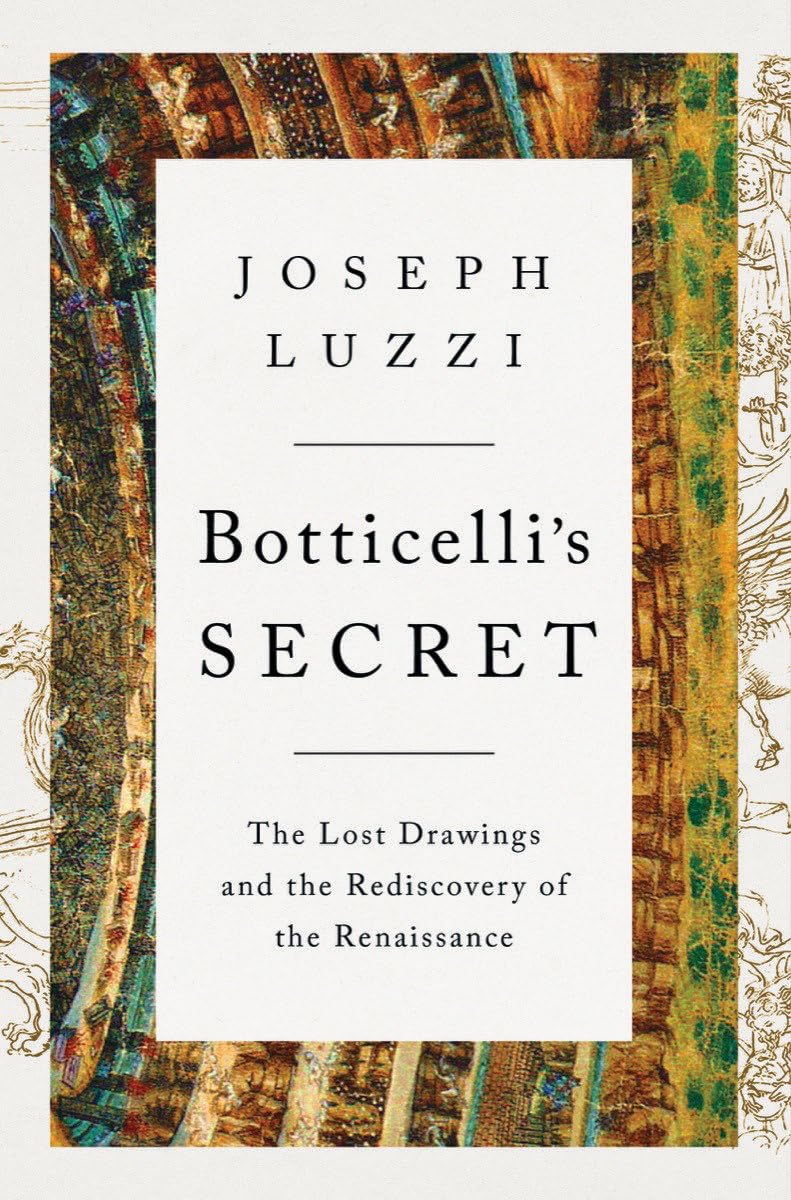
Botticelli’s Secret: The Lost Drawings and the Rediscovery of the Renaissance (2022) by Joseph Luzzi
There aren’t many histories of the Italian Renaissance written for a lay audience, besides a few excellent examples by Ross King. Joseph Luzzi is a literature professor at Bard College in upstate New York. I get the sense that he wrote “Botticelli’s Secret: The Lost Drawings and the Rediscovery of the Renaissance” (2022) just for…
-
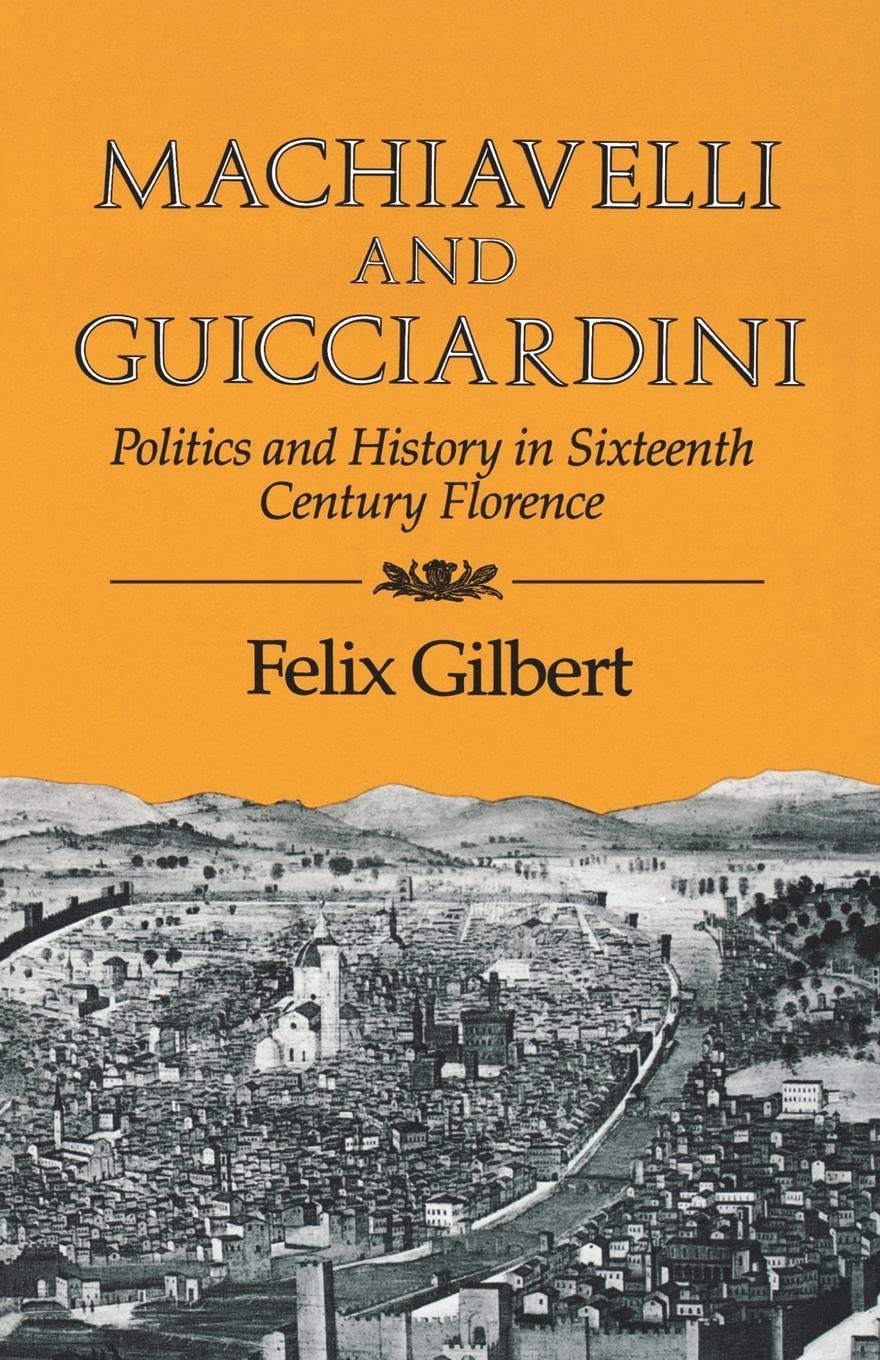
“Machiavelli and Guicciardini: Politics and History in Sixteenth Century Florence” (1965) by Felix Gilbert examines the contrasting political philosophies and historical methodologies of two prominent Renaissance thinkers: Niccolò Machiavelli (1469-1527) and Francesco Guicciardini (1483-1540). Gilbert places both figures within the intellectual and political turmoil of Renaissance Italy in the first decades of the sixteenth century,…
-
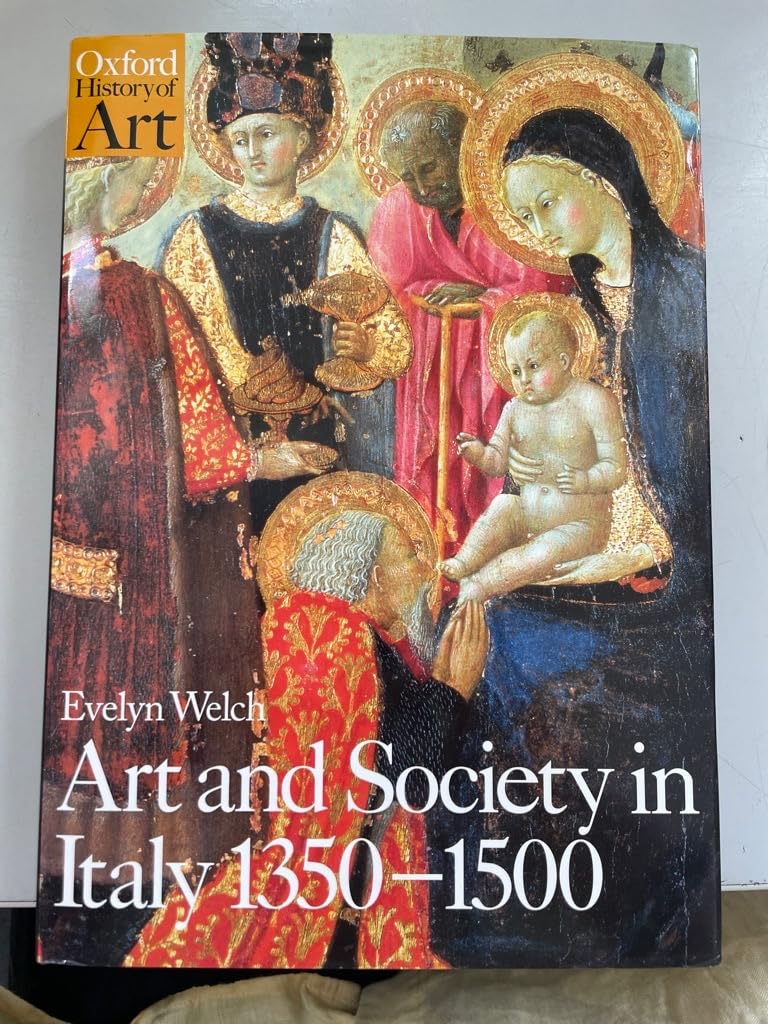
The Renaissance gave birth to individualism, nationalism, secularism, and capitalist entrepreneurism. It could also be argued that the Renaissance gave birth to the modern concept of art and the artist. “Art and Society in Italy, 1350-1500” (1997) by Evelyn Welch has a lot to say about this phenomenon without saying very much at all. Her…
-

The title of this book is a bit misleading. “Wealth and the Demand for Art in Italy: 1300-1600” (1993) by Johns Hopkins history professor Richard Goldthwaite isn’t actually very much about art at all. It says nothing about individual artists or their patrons, nor does it attempt to interpret works of art or the functioning…
-

The first thing you should know about “A Short History of the Italian Renaissance” (2013) by Kenneth Bartlett of the University of Toronto is that it isn’t particularly short. With fifteen richly illustrated thematic chapters covering nearly 350 pages, this book feels more authoritative than the title would otherwise suggest. In fact, it is the…
-

Elizabeth Eisenstein’s The Printing Press as an Agent of Change (1979) is considered a seminal work because it reframed our understanding of the role of print in the development of modern society. Eisenstein’s arguments have had a profound and enduring impact on fields such as history, communication studies, sociology, and the history of science. However,…
-
What if Adam Smith (invisible hand) and Charles Darwin (evolution) had a baby? The offspring might be pretty amazing: intelligent, dynamic, innovative, problem-solving. At least that’s what British science writer Matt Ridley argues in “The Rational Optimist: How Prosperity Evolves” (2011). First, Ridley wants you to know that being an optimist is long been lonely,…
-
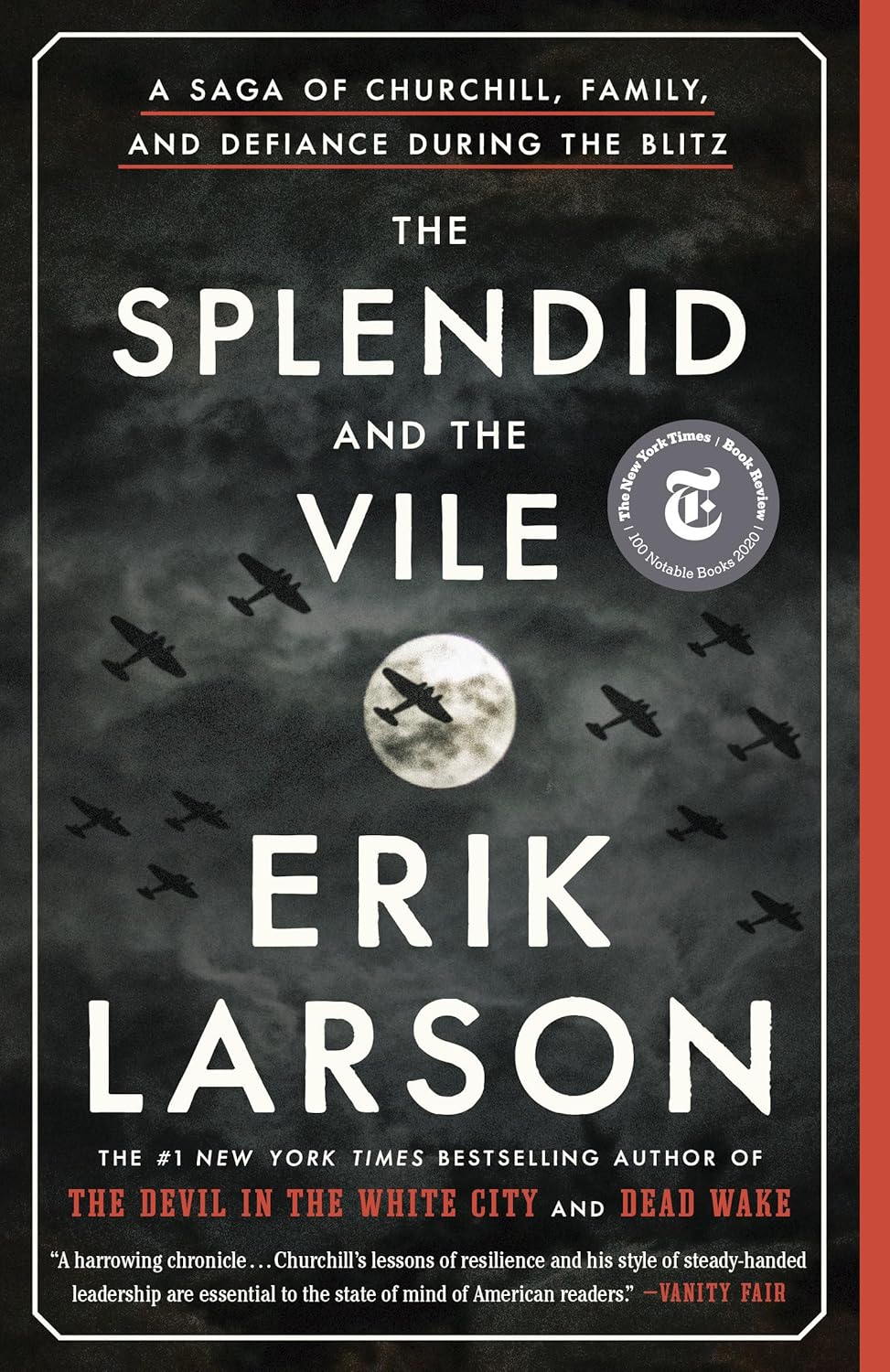
Erik Larson has a rare talent for making popular history read like gripping historical fiction. His trademark approach – finding lesser-known figures like serial killer Dr. H.H. Holmes or American diplomat Martha Dodd and placing them amid moments of great historical consequence – has yielded some of the most compelling nonfiction narratives of the past…
-
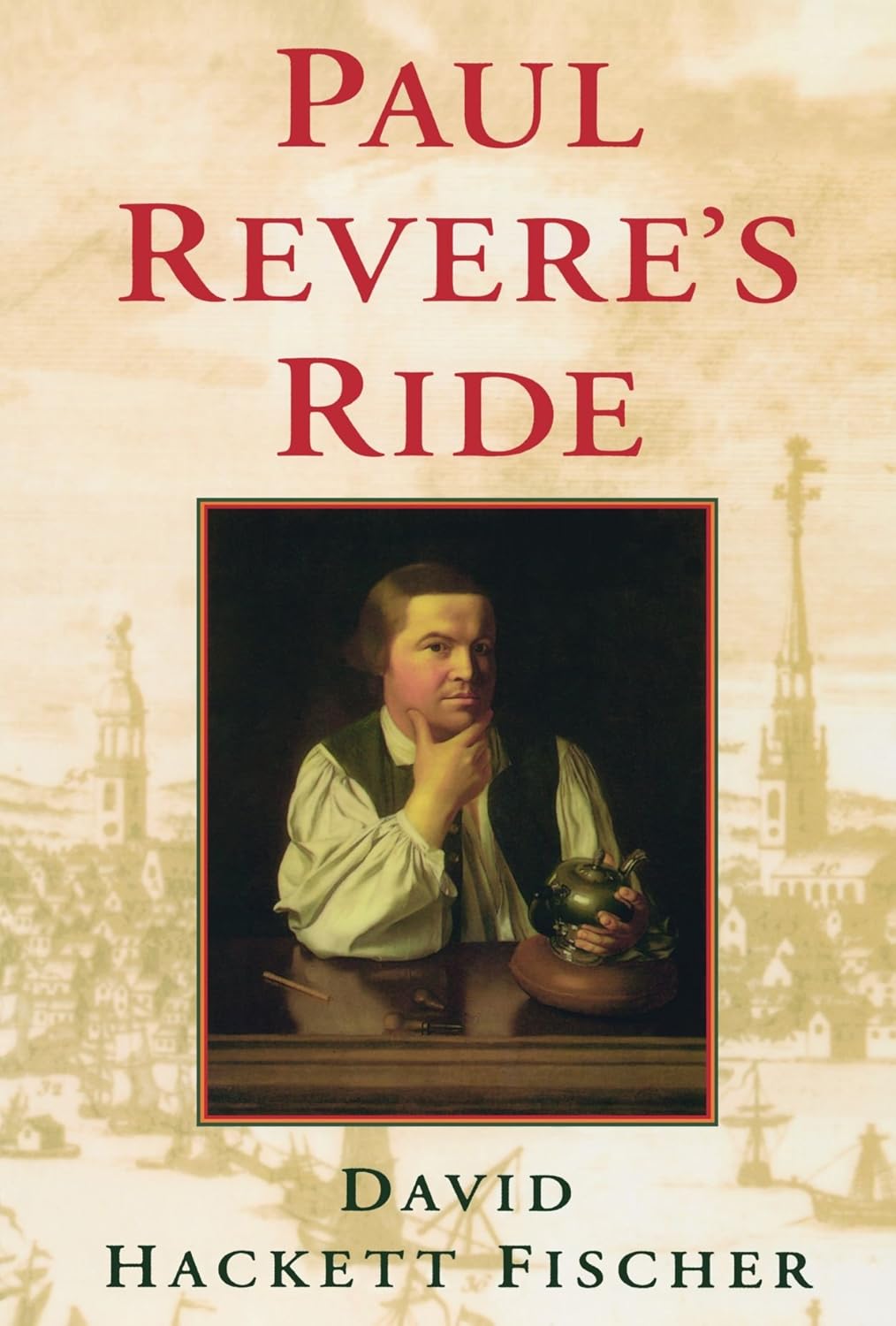
David Hackett Fischer writes delightful books. He expertly combines the breezy readability of a master popular historian with the professional craftsmanship and deep primary research of a top rate academic. The end result is a narrative that is at once a dazzling adventure tale and a groundbreaking piece of historiography. The adventure tale aspect of…
 What's Tim Reading Now?