Category: Early Republic
-
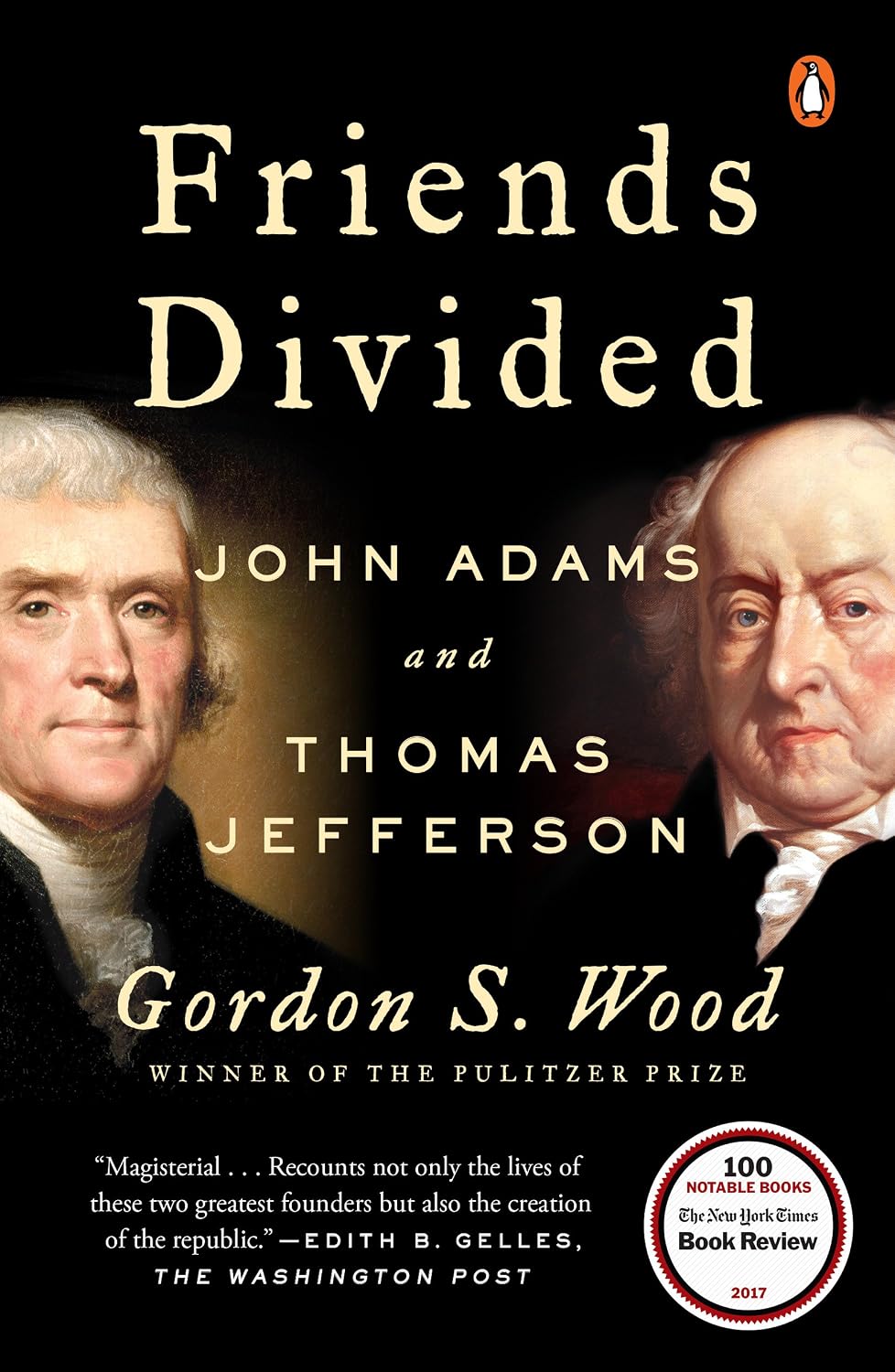
Friends Divided: John Adams and Thomas Jefferson (2017) by Gordon S. Wood
Gordon S. Wood’s Friends Divided: John Adams and Thomas Jefferson (2017) is less a conventional dual biography than an extended examination of two radically different ways of understanding America, politics, and human nature. Adams and Jefferson were, Wood writes, divided “in every single thing that mattered”: in temperament, their assumptions about human nature, their ideas…
-
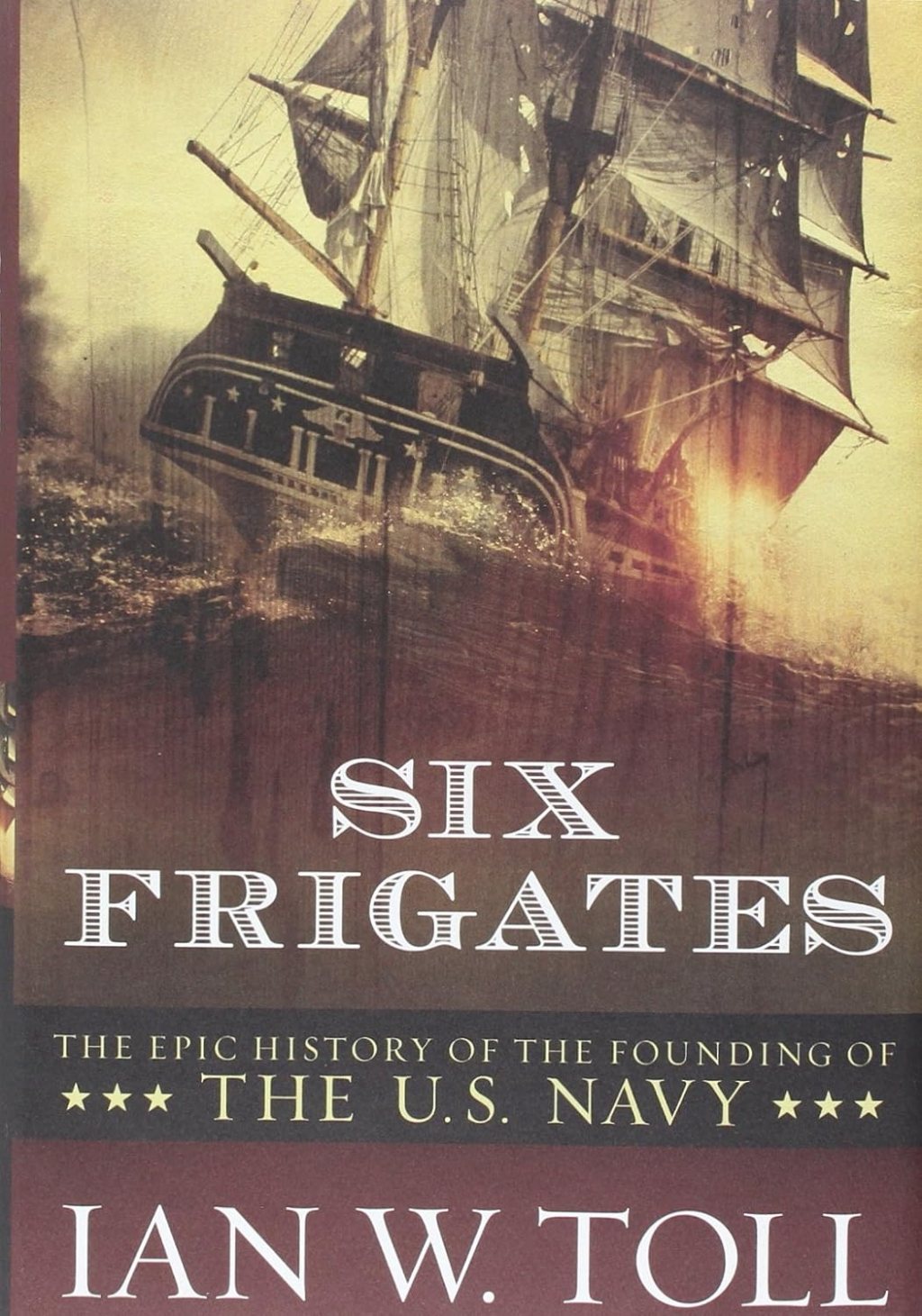
Six Frigates: The Epic History of the Founding of the U. S. Navy (2006) by Ian W. Toll
In the late eighteenth century, the English seemed almost born to the sea. They were better suited to naval warfare than their French, Spanish, and Dutch rivals, writes historian Ian W. Toll, “in the same way that a seal or a shark is inherently a better swimmer than a horse or a bear.” The central…
-
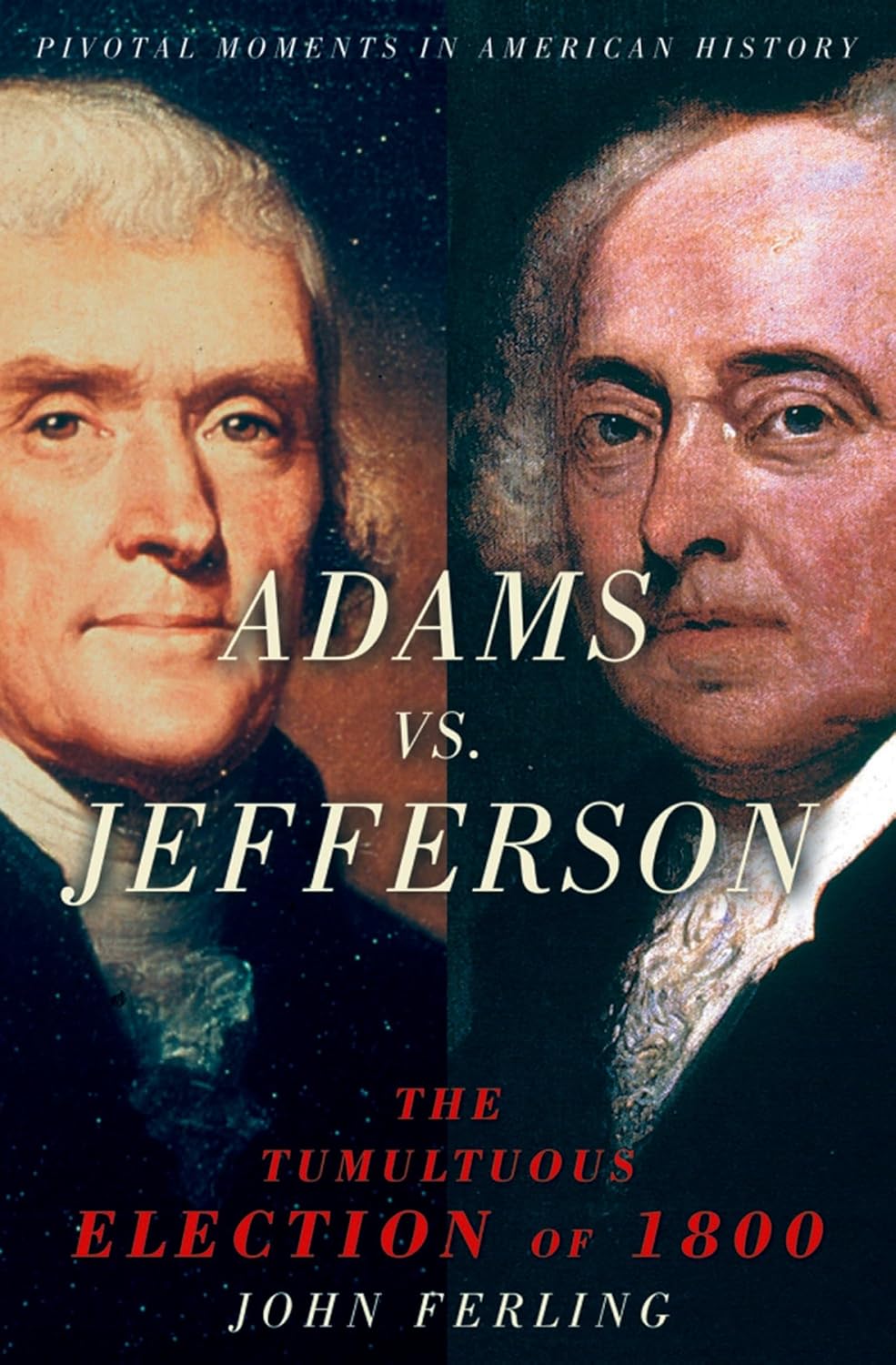
Adams vs. Jefferson: The Tumultuous Election of 1800 (2004) by John Ferling
Thomas Jefferson came to call America’s fourth presidential election the “Revolution of 1800.” Indeed, the showdown between Federalist incumbent John Adams and Republican Democrat challenger Jefferson was selected as a topic in the excellent “Pivotal Moments in American History” series edited by David Hackett Fischer and James McPherson. It marked the first peaceful transfer of…
-
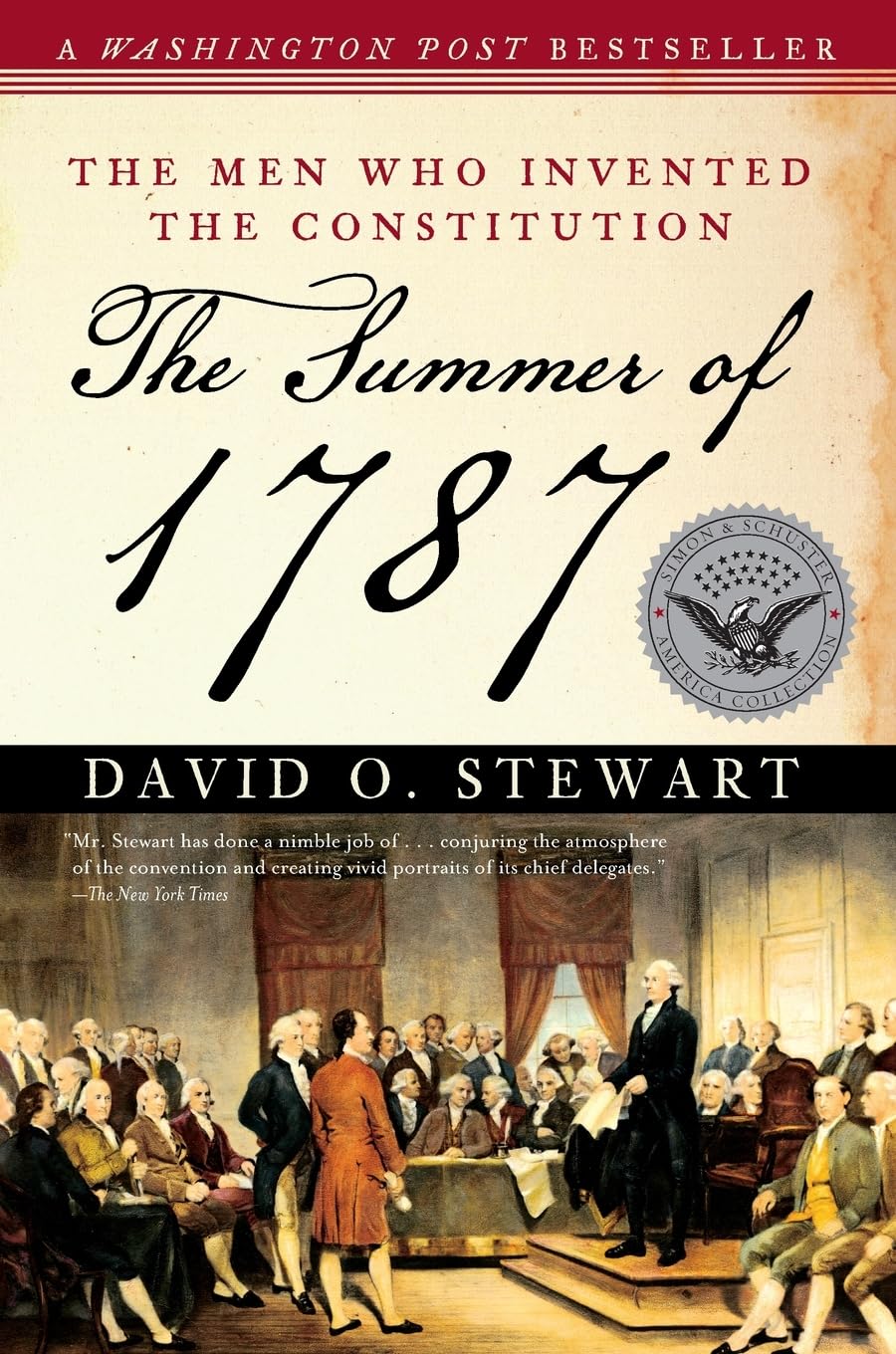
The Summer of 1787: The Men Who Invented the Constitution (2007) by David O. Stewart
In March 1785, Virginia planter George Mason traveled to George Washington’s estate at Mount Vernon to discuss a matter of shared concern: fishing, taxation, and toll rights on the Potomac River. A royal charter issued by Charles I of England in 1632 had defined Maryland’s boundary as extending to the far bank of the river,…
-
James Madison: A Life Reconsidered (2014) by Lynne Cheney
Mid-nineteenth-century Democratic U.S. senator from Illinois and presidential candidate Stephen A. Douglas was known as the “Little Giant.” It seems to me that James Madison is far more deserving of that title. The principal architect of the U.S. Constitution, a driving force behind the Federalist Papers, a former Secretary of State, and a wartime president,…
-
Shays’s Rebellion: The American Revolution’s Final Battle (2002) by Leonard Richards
Shays’s Rebellion: The American Revolution’s Final Battle (2002) by Leonard Richards is one of those rare books that genuinely surprises. I can’t recall being as engrossed by a monograph on early American history since reading The Elusive Republic (1980) by Drew R. McCoy. Richards takes a familiar yet often overlooked episode – the 1786 uprising…
-
American Creation: Triumphs and Tragedies at the Founding of the Republic (2007) by Joseph J. Ellis
How did the American founding actually happen? That is the central question Joseph Ellis takes up in American Creation: Triumphs and Tragedies at the Founding of the Republic (2007). Rather than treating the founding as a single moment, Ellis stretches the period across twenty-eight formative years – from the Declaration of Independence in 1776 to…
-
The Rise of American Democracy: Jefferson to Lincoln (2005) by Sean Wilentz
Princeton University’s Sean Wilentz’s The Rise of American Democracy (2005) is an ambitious work of U.S. political history. It is a dense but readable and deeply researched account of how democratic politics took shape from the age of the Revolution through the Civil War. At nearly a thousand pages, the book is far more than…
-
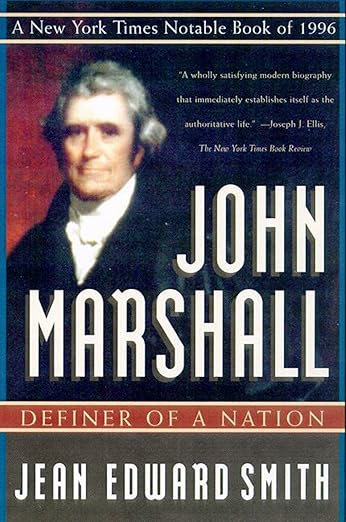
John Marshall: Definer of a Nation (1996) by Jean Edward Smith
Long before he was a controversial commentator on NPR and then FOX News, Juan Williams was a distinguished chronicler of the US Civil Rights era. “Thurgood Marshall: American Revolutionary” was published in 1998, a half-decade after the legendary civil rights lawyer (but rather forgettable Supreme Court justice, according to this book) passed away at age…
 What's Tim Reading Now?