All Posts
Collected reviews from decades of reading — organized by subject and written for clarity, context, and long-term reference.
Categories
- A Very Short Introduction (4)
- Afghanistan (5)
- Africa (3)
- Age of Discovery (14)
- American Revolution (29)
- Ancient Greece (11)
- Ancient Rome (2)
- Anglo-German Naval Competition (8)
- Anthropology (3)
- Art History (6)
- Artists (16)
- British History (16)
- Business Books (19)
- Business Greats (12)
- Central Banking (8)
- China (1)
- Cold War Era (19)
- Colonial America (25)
- Commodities (10)
- Corporate Biography (11)
- Counter Insurgency (6)
- Cuba (1)
- Disease (9)
- Early Modern Europe (8)
- Early Republic (21)
- Economic Development (12)
- Economics (17)
- French Revolution (8)
- Great Depression (6)
- Great Projects (9)
- Great Writers (4)
- Industrial Revolution (14)
- Iranian Revolution (4)
- Italian Renaissance (27)
- Jacksonian America (4)
- Korea (1)
- Middle Ages (4)
- Middle East (5)
- Military Innovation (20)
- Napoleon (3)
- Philosophy (4)
- Pop History (32)
- Progressive Era (8)
- Republican Rome (16)
- Roman Empire (25)
- Russian History (5)
- Russian Revolution (3)
- Sri Lanka (3)
- The Gilded Age (4)
- U.S. Civil War (7)
- U.S. Presidents (16)
- Vietnam (8)
- World War I (6)
- World War II (10)
-
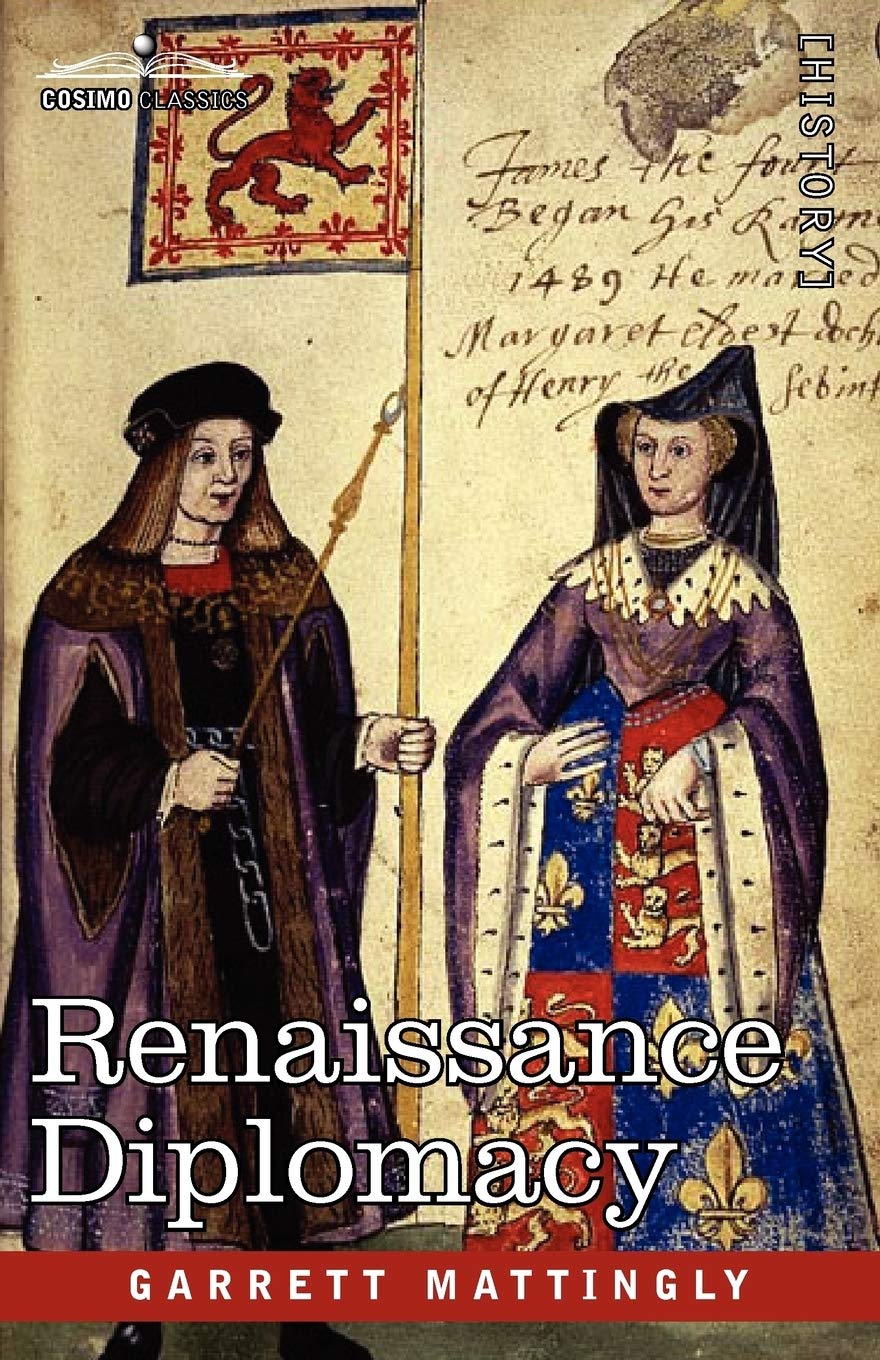
Permanent diplomacy, featuring resident ambassadors empowered to formally represent their sovereign state and bestowed with certain legal immunities, such as exemption from taxes, tolls, and custom duties, is a modern development tracing its origin back to the city-states of fifteenth century Renaissance Italy. Garrett Mattingly tells the story of these developments in “Renaissance Diplomacy” (1955),…
-

“The Crisis of the Early Italian Renaissance” (1955) by German-Jewish emigre Hans Baron is one of the most influential pieces of Renaissance history published in the last century. In it Baron introduces the term “civic humanism,” which has become a core element of contemporary Renaissance studies. While “Crisis” is a dazzling work of scholarship and…
-

There is no bigger topic on the global stage today than climate change. The primary culprit causing today’s climate crisis is hydrocarbon emissions, a process that kicked off a century and a half ago with the Second Industrial Revolution. But there was something about this widely accepted narrative that has always troubled me and it…
-
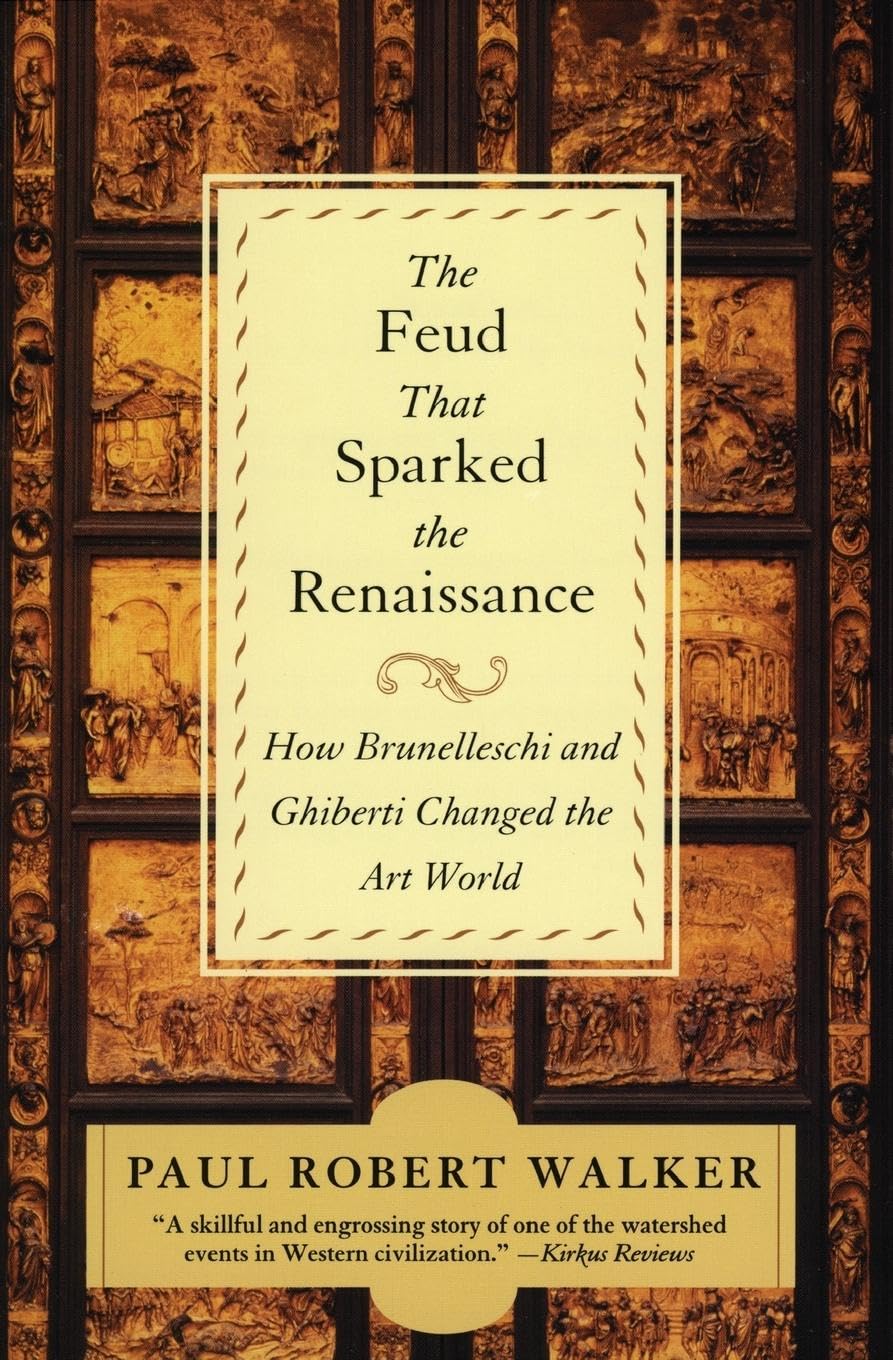
The Renaissance was born in Florence at the dawn of the fifteenth century. Not many people dispute that. How and why that happened when and where it did is much more debated. In “The Feud That Sparked the Renaissance: How Brunelleschi and Ghiberti Changed the Art World” (2003) bohemian author Paul Robert Walker argues that…
-
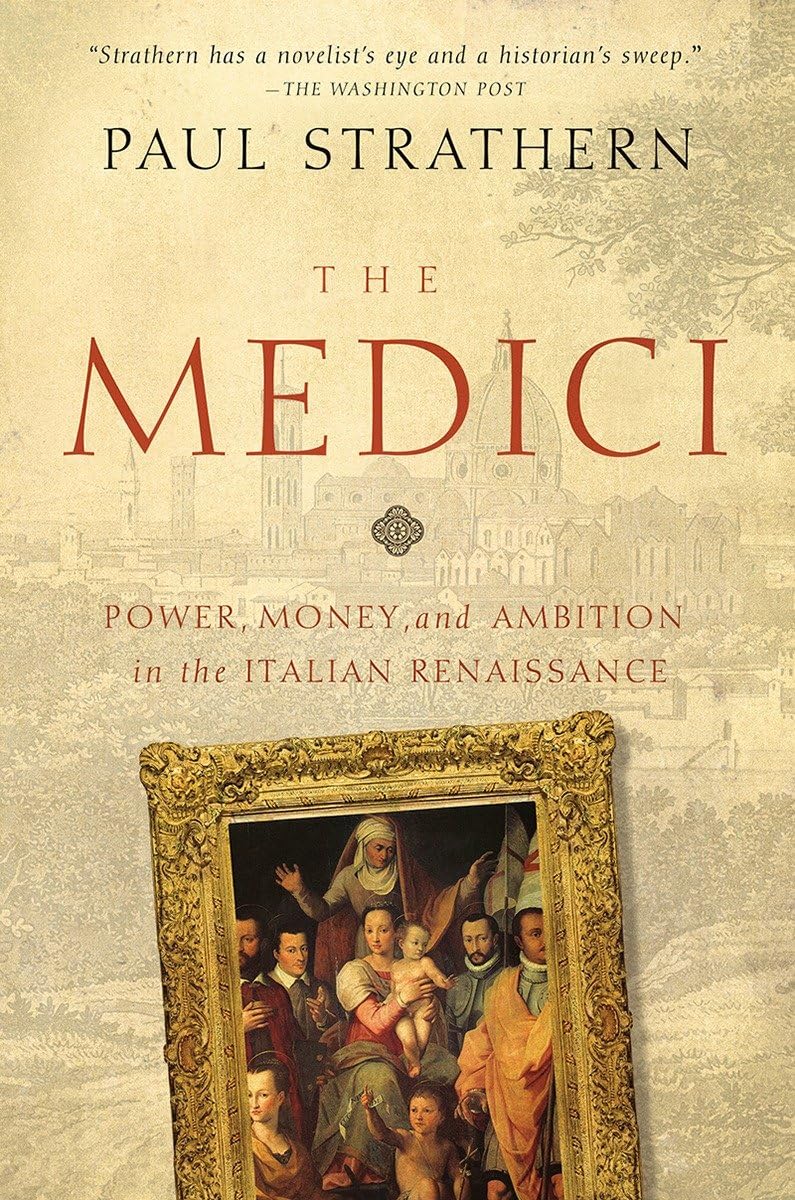
The origins of the Italian Renaissance have been debated since the mid-nineteenth century, but one thing is relatively certain: the Medici family of Florence had a lot to do with it. British novelist Paul Strathern tells the remarkable story of this remarkable family in “The Medici: Power, Money, and Ambition in the Italian Renaissance” (2016).…
-
The term Renaissance is synonymous with art. Yet, in this brisk 127-page monograph on the Renaissance by professor Jerry Brotton from the University of London, art and the famed artists of the period play a very small role (e.g. Leonardo da Vinci appears just three times in the index, Raphael just four times). Brotton argues…
-
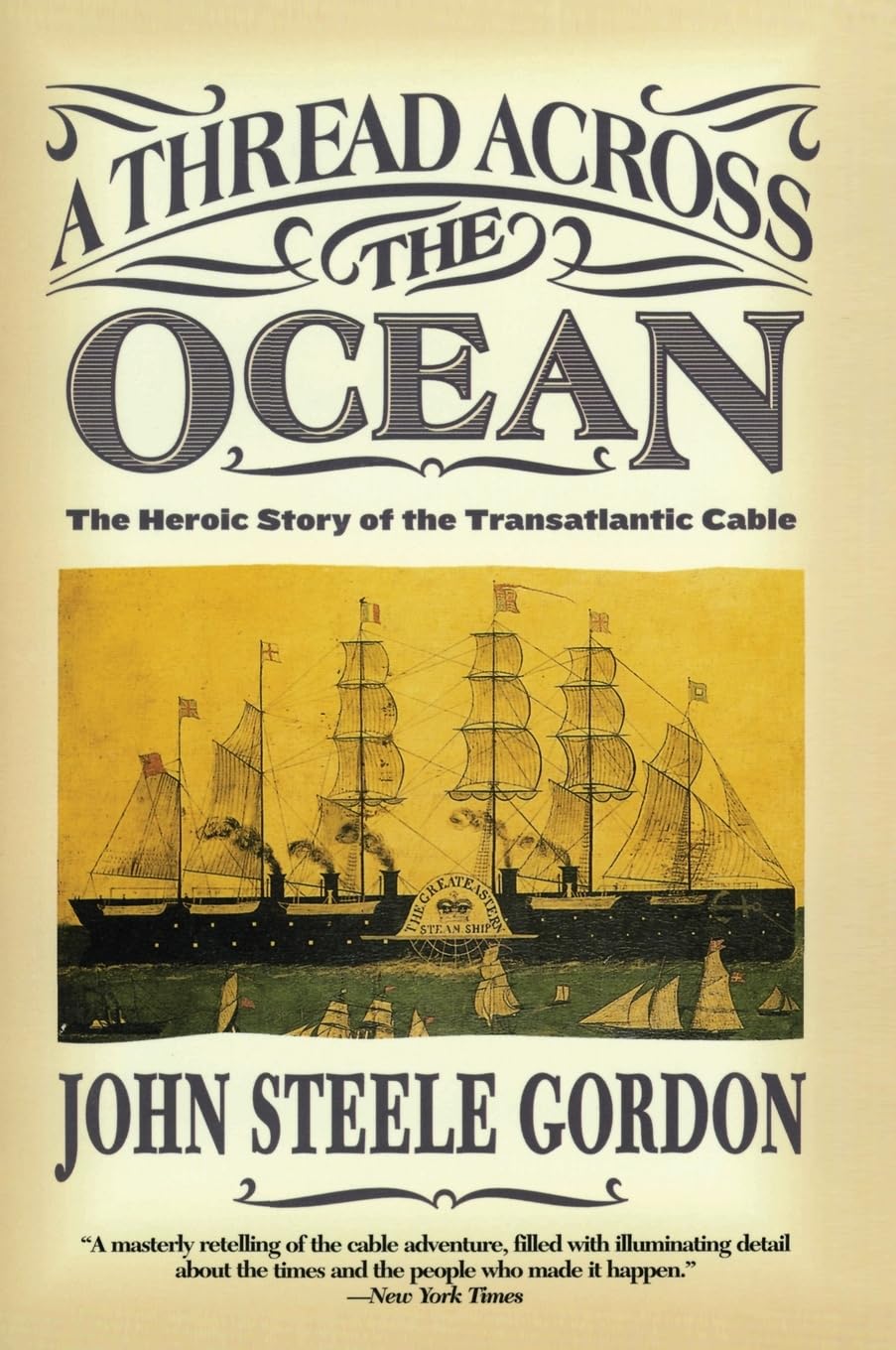
I love well researched, character-driven narratives about great projects. Notable examples include David McCollough on the building of the Panama Canal (1977) and Brooklyn Bridge (1972), David Haward Bain on the transcontinental railroad (1999), Richard Rhodes on the Manhattan Project (1986), Peter Bernstein on the Erie Canal (2006), and Michael Hiltzik on the Hoover Dam…
-
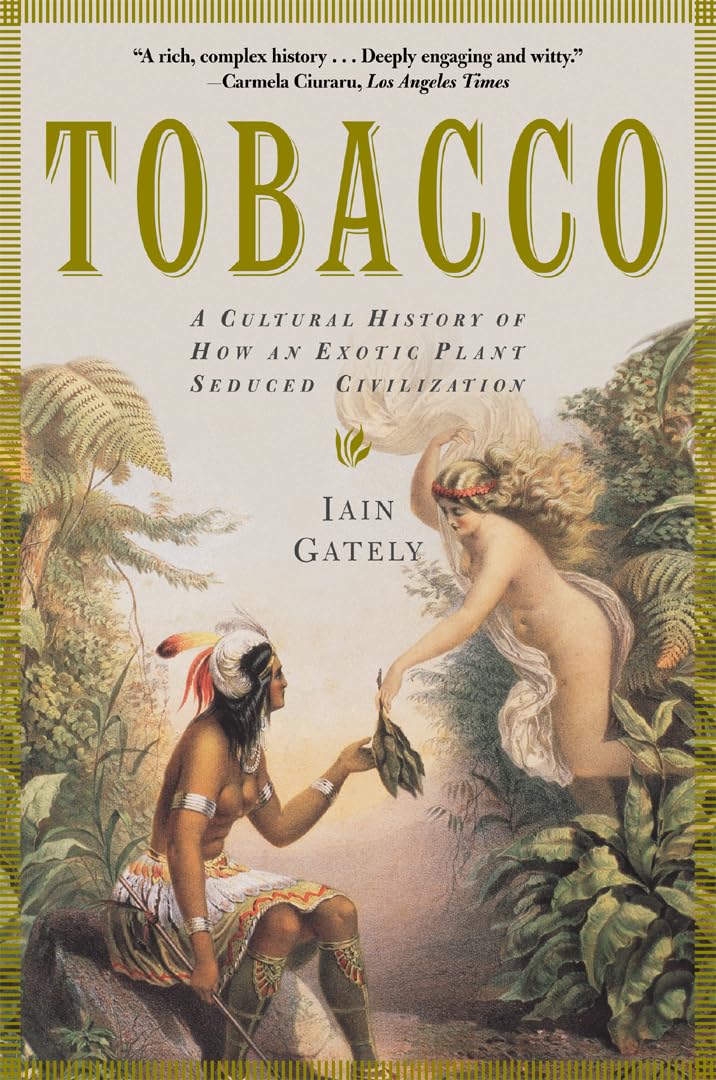
Biographies of basic commodities come in all shapes and sizes. Some are monumental achievements and major award winners, such as Daniel Yergin’s Pulitzer Prize winning history of oil (1990) and Sven Beckett’s Bancroft Award winning story of cotton (2014). Others are less inspiring, but fun nevertheless, such Mark Kurlansky’s books about salt (2002) and the…
-
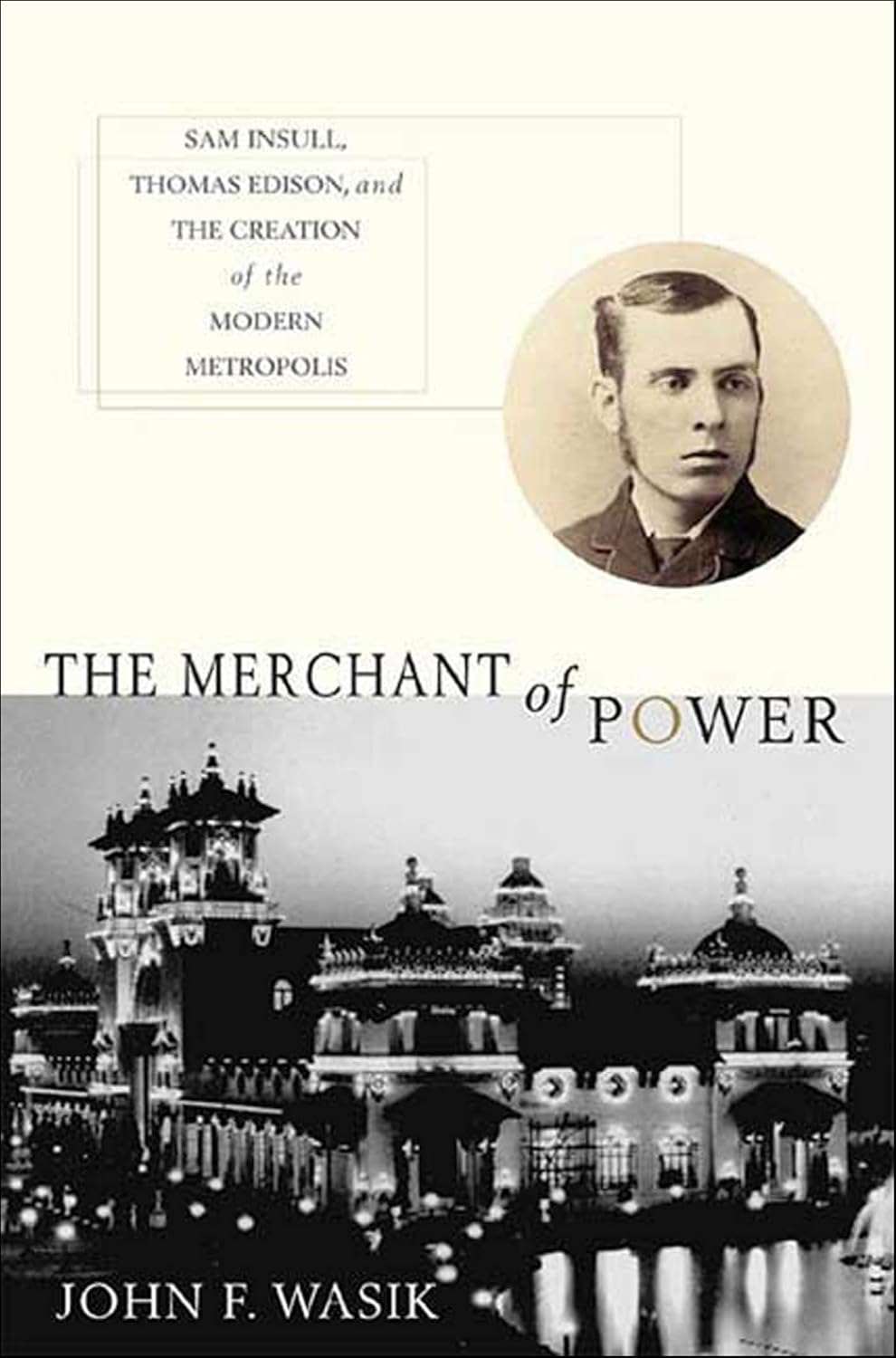
Samuel Insull is almost completely forgotten today, even in Chicago where he was once one of the most prominent and wealthiest men in the city. Few have risen so high starting from a position so low. Even fewer have crashed more swiftly, completely and spectacularly. In “The Merchant of Power: Sam Insull, Thomas Edison, and…
 What's Tim Reading Now?