All Posts
Collected reviews from decades of reading — organized by subject and written for clarity, context, and long-term reference.
Categories
- A Very Short Introduction (4)
- Afghanistan (5)
- Africa (3)
- Age of Discovery (14)
- American Revolution (29)
- Ancient Greece (11)
- Ancient Rome (2)
- Anglo-German Naval Competition (8)
- Anthropology (3)
- Art History (6)
- Artists (16)
- British History (16)
- Business Books (19)
- Business Greats (12)
- Central Banking (8)
- China (1)
- Cold War Era (19)
- Colonial America (25)
- Commodities (10)
- Corporate Biography (11)
- Counter Insurgency (6)
- Cuba (1)
- Disease (9)
- Early Modern Europe (8)
- Early Republic (21)
- Economic Development (12)
- Economics (17)
- French Revolution (8)
- Great Depression (6)
- Great Projects (9)
- Great Writers (4)
- Industrial Revolution (14)
- Iranian Revolution (4)
- Italian Renaissance (27)
- Jacksonian America (4)
- Korea (1)
- Middle Ages (4)
- Middle East (5)
- Military Innovation (20)
- Napoleon (3)
- Philosophy (4)
- Pop History (32)
- Progressive Era (8)
- Republican Rome (16)
- Roman Empire (25)
- Russian History (5)
- Russian Revolution (3)
- Sri Lanka (3)
- The Gilded Age (4)
- U.S. Civil War (7)
- U.S. Presidents (16)
- Vietnam (8)
- World War I (6)
- World War II (10)
-
Lucius Annaeus Seneca (~1 BC – 65 AD) was once one of the most celebrated and richest men in Rome. Tutor and then senior advisor to Emperor Nero, Seneca lived a life of luxury and influence highly unusual for a dramatist and Stoic philosopher. According to author Emily Wilson, “Seneca is a Socrates without a…
-
Explaining the sustained economic growth that certain parts of the world have experienced since the First Industrial Revolution in the latter half of the eighteenth century has become something of its own field of study in the world of economic history. In fact, according to authors Mark Koyama (George Mason University) and Jared Rubin (Chapman…
-
The best part about writing a memoir is you get to be the hero of your own story. And believe me, Bill Browder is the hero of “Red Notice: A True Story of High Finance, Murder, and One Man’s Fight for Justice” (2013). But is Browder a hero? Some hedge fund titan cum fearless Galahad…
-
I’ve written several hundred non-fiction book reviews here on Amazon over the years and this is the first one that comes with a spoiler alert. William Rosen has written a fabulously thorough and consistently entertaining history of the steam engine in “The Most Powerful Idea in the World: A Story of Steam, Industry, and Invention”…
-
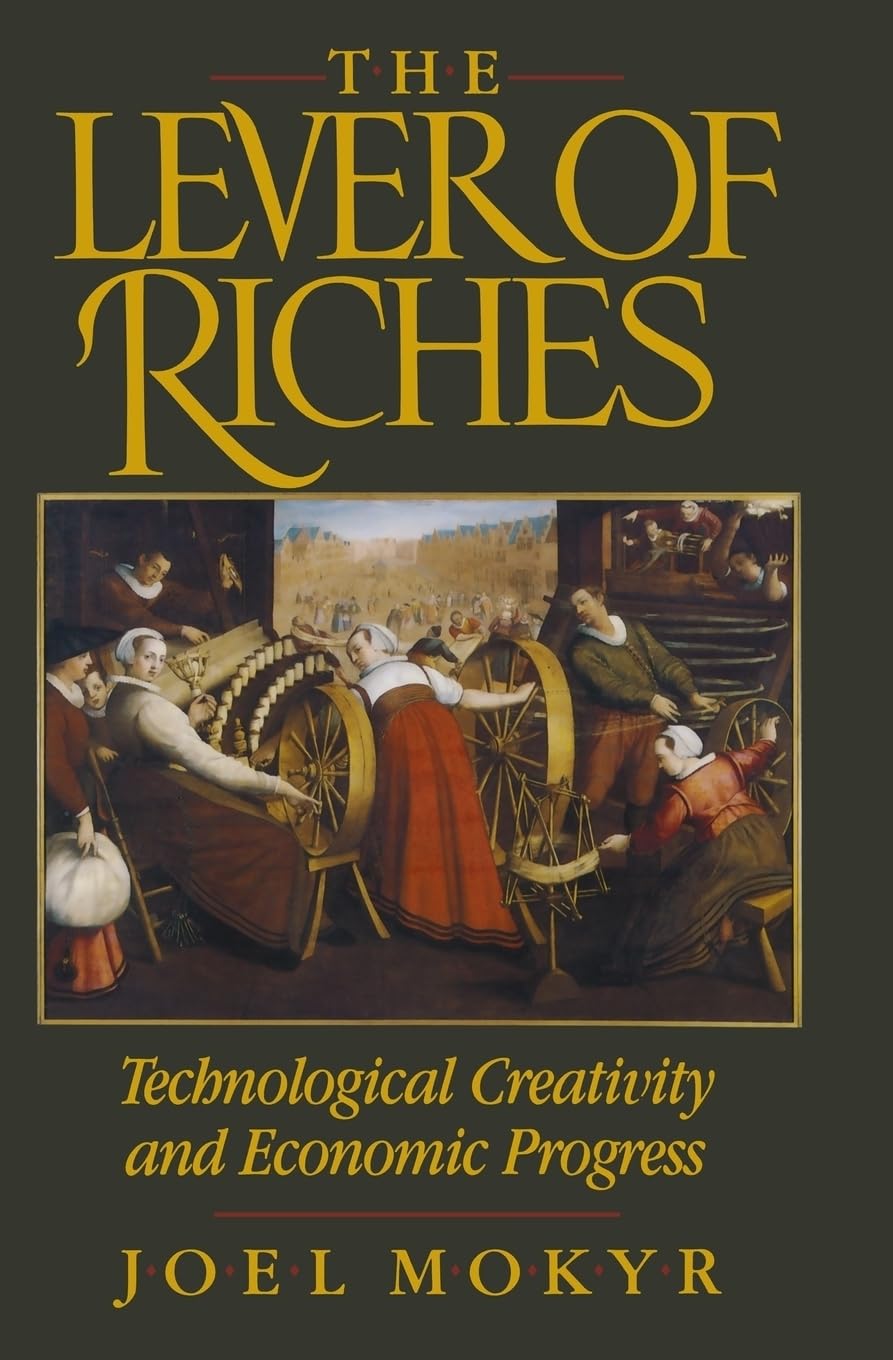
Joel Mokyr is known today primarily for his thesis that northwest Europe’s tradition of free inquiry and a culture marked by contestability and doubt is responsible for the remarkable period of technological innovation and economic growth known as the Industrial Revolution. However, in “The Lever of Riches: Technological Creativity and Economic Progress” (1990), he ultimately…
-
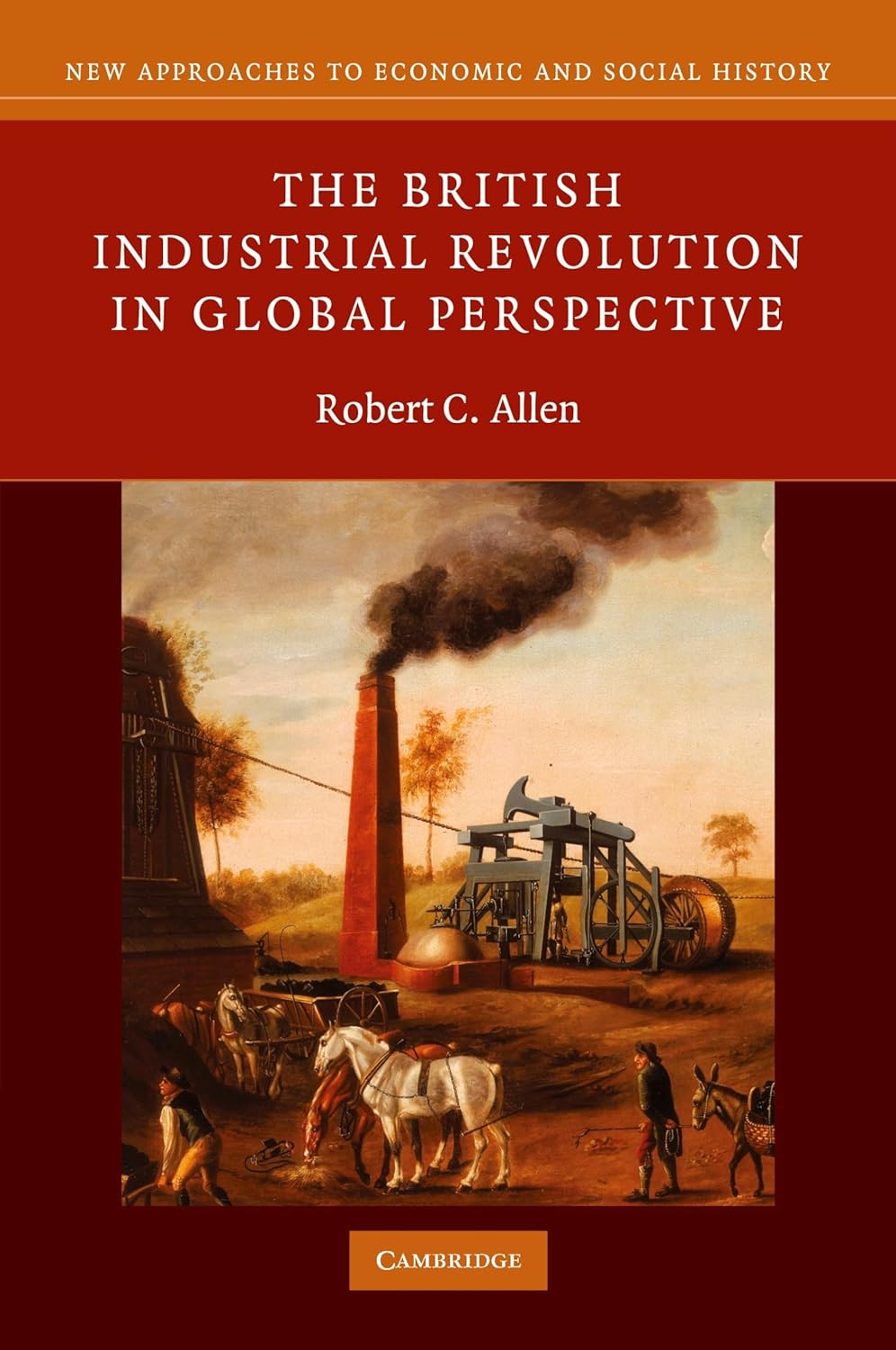
Two significant pieces of scholarship about the Industrial Revolution appeared almost simultaneously in 2009: Joel Mokyr’s “The Enlightened Economy” and Robert Allen’s “The British Industrial Revolution in Global Perspective.” They offer completely different perspectives as to why the Industrial Revolution occurred when and where it did. Both agree that technological innovation played the critical role…
-
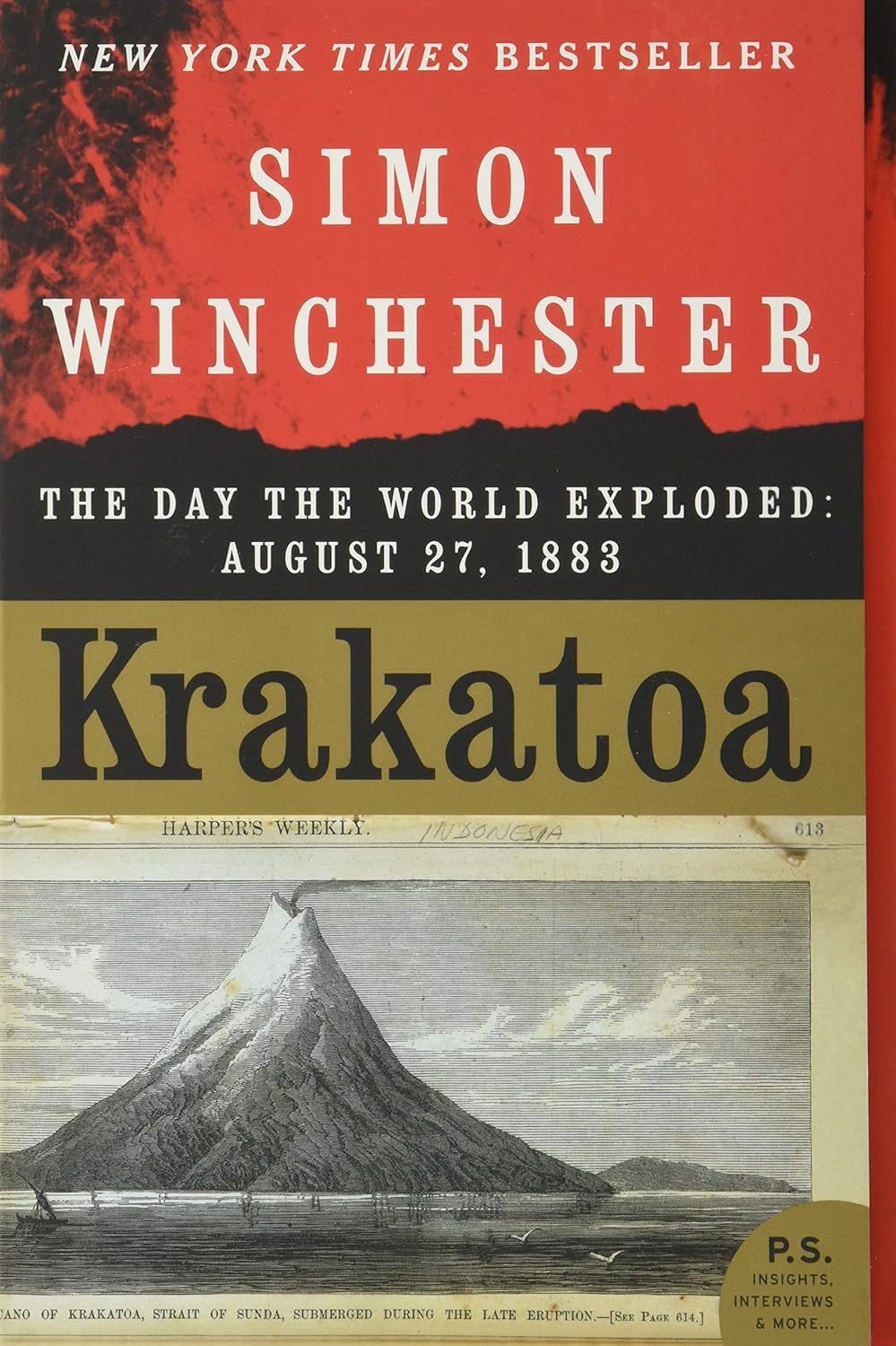
The word “Krakatoa ” has become synonymous with almost unthinkable natural disaster, an extinction level event locally, if not globally. Simon Winchester, an increasingly successful British pop historian, delivers a lively, albeit highly discursive account of the great eruption in “Krakatoa: The Day the World Exploded: August 27, 1883” (2003). Krakatoa, a small volcanic island…
-
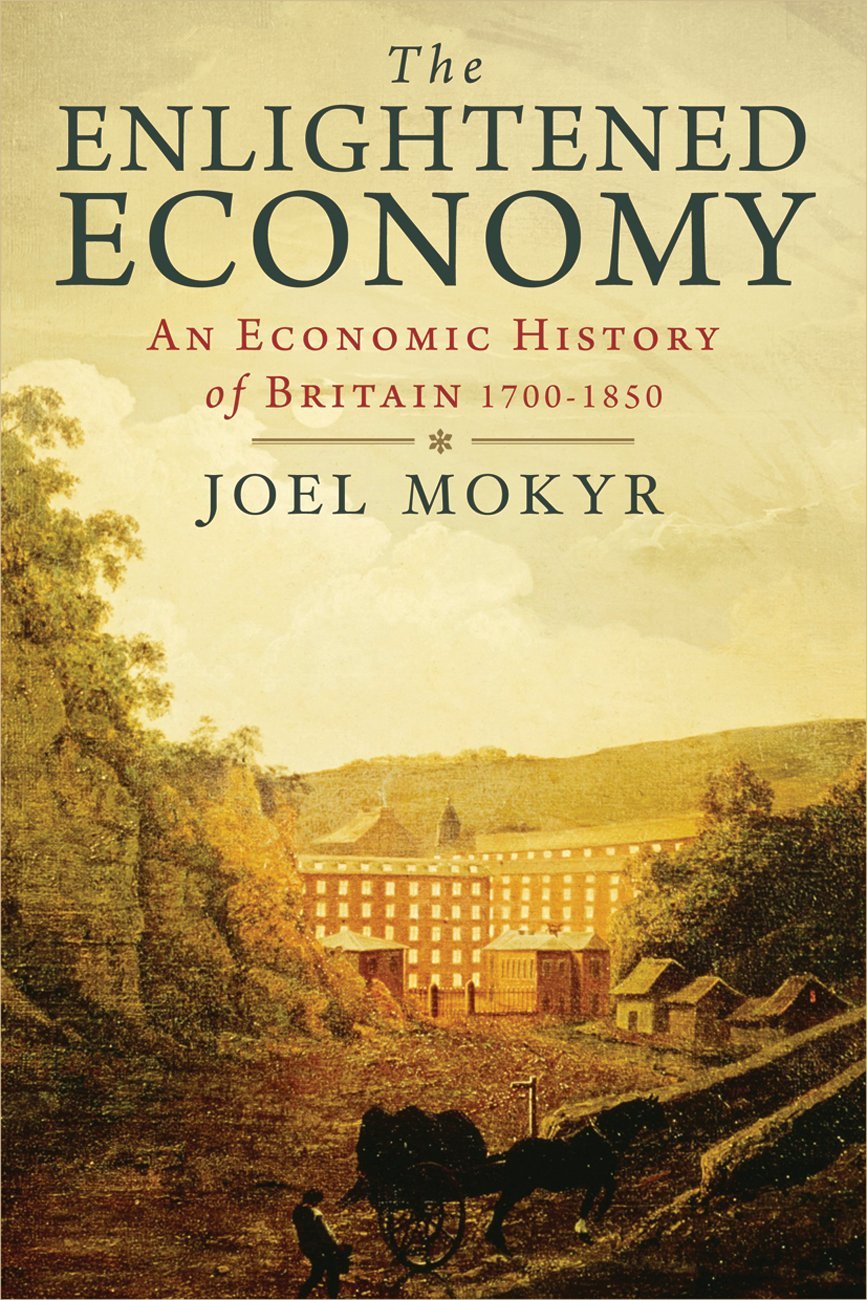
According to acclaimed economic historian Joel Mokyr, “Nothing in economic history is simple, clean, and linear.” The same might be said for Mokyr’s magisterial tome on Industrial Revolution era Britain, “The Enlightened Economy: An Economic History of Britain, 1700 to 1850” (2009). Mokyr throws a lot at the reader in this dense 489-page economic history;…
-
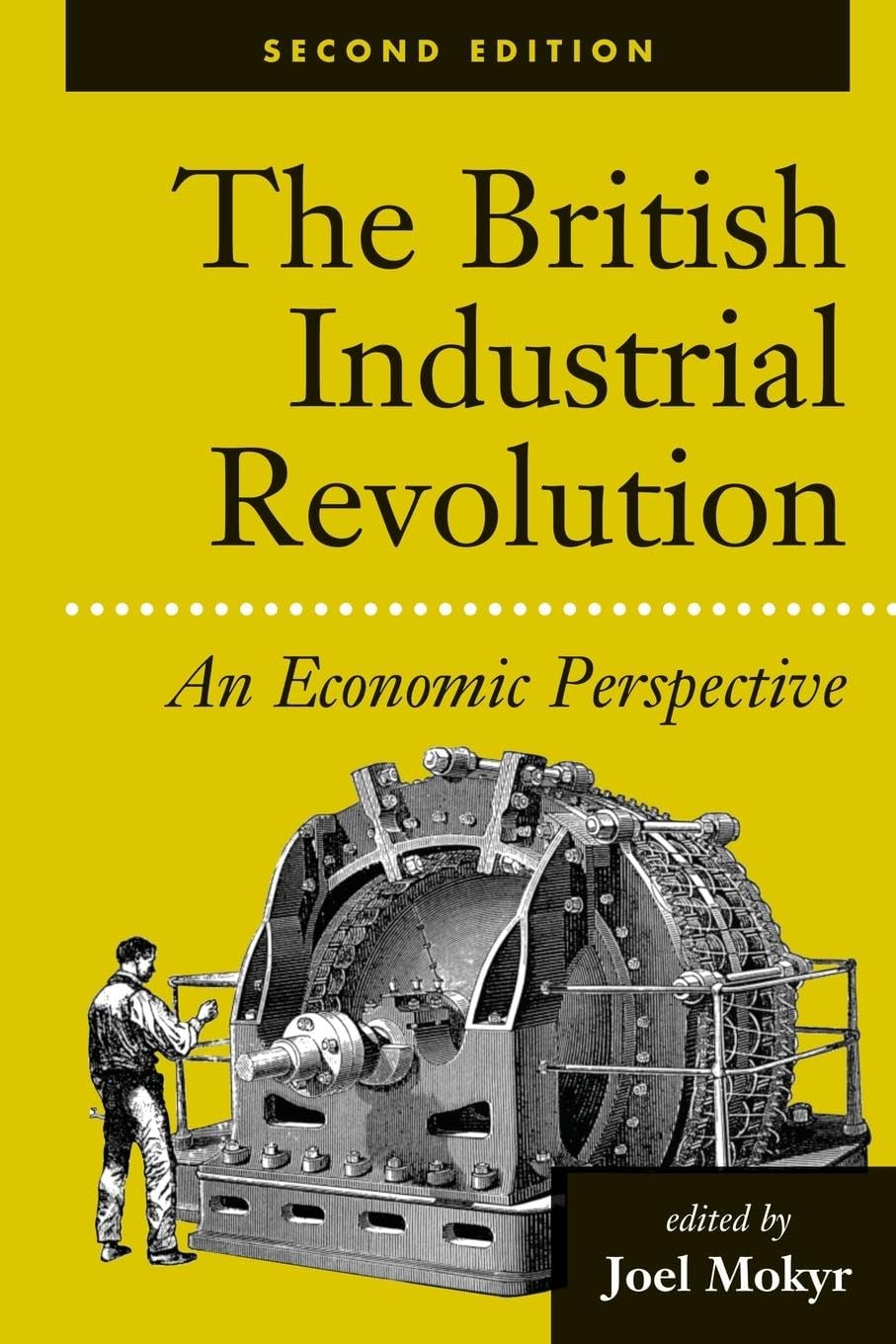
Industrial Revolution Studies isn’t a formal program at any major university, so far as I know, but there ought to be. Over the past half century a veritable library of books and scholarly articles have been published on all facets of the subject. Scholars can’t seem to agree on anything. “The British Industrial Revolution: An…
 What's Tim Reading Now?