All Posts
Collected reviews from decades of reading — organized by subject and written for clarity, context, and long-term reference.
Categories
- A Very Short Introduction (4)
- Afghanistan (5)
- Africa (3)
- Age of Discovery (14)
- American Revolution (29)
- Ancient Greece (11)
- Ancient Rome (2)
- Anglo-German Naval Competition (8)
- Anthropology (3)
- Art History (6)
- Artists (16)
- British History (16)
- Business Books (19)
- Business Greats (12)
- Central Banking (8)
- China (1)
- Cold War Era (19)
- Colonial America (25)
- Commodities (10)
- Corporate Biography (11)
- Counter Insurgency (6)
- Cuba (1)
- Disease (9)
- Early Modern Europe (8)
- Early Republic (21)
- Economic Development (12)
- Economics (17)
- French Revolution (8)
- Great Depression (6)
- Great Projects (9)
- Great Writers (4)
- Industrial Revolution (14)
- Iranian Revolution (4)
- Italian Renaissance (27)
- Jacksonian America (4)
- Korea (1)
- Middle Ages (4)
- Middle East (5)
- Military Innovation (20)
- Napoleon (3)
- Philosophy (4)
- Pop History (32)
- Progressive Era (8)
- Republican Rome (16)
- Roman Empire (25)
- Russian History (5)
- Russian Revolution (3)
- Sri Lanka (3)
- The Gilded Age (4)
- U.S. Civil War (7)
- U.S. Presidents (16)
- Vietnam (8)
- World War I (6)
- World War II (10)
-
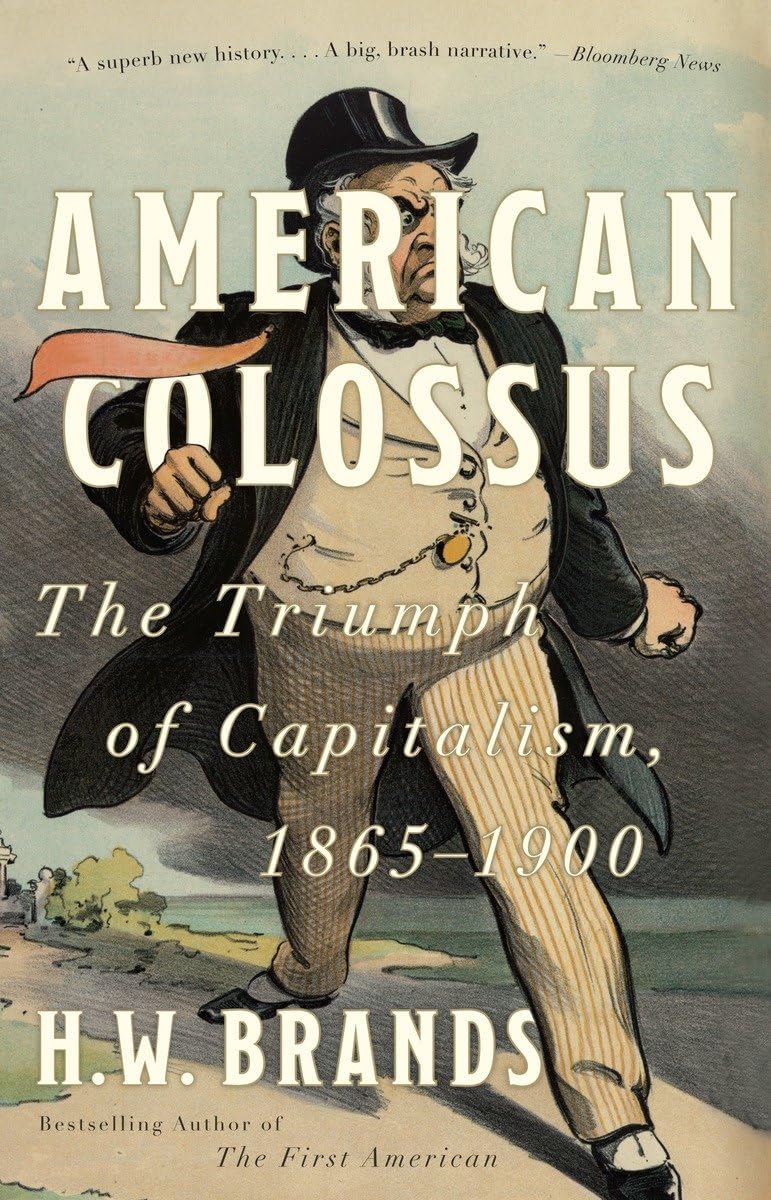
I’ve been reading scholarly non-fiction books for over a quarter century now. Over the years I’ve learned to vet my prospective reading list carefully. However, when it came to “American Colossus: The Triumph of Capitalism, 1865-1900” by H.W. Brands (2010), I got a bit sloppy with my due diligence and I paid the price for…
-

According to the author, Harriet Flower, professor of classics at Princeton, “Roman Republics” (2010) is “based on the fundamental idea that periodization is essential to historical thinking and writing.” No one thinks of American history since 1776 as one monolithic bloc and, Flower argues, you shouldn’t think of Republican Rome’s 450-year history that way either.…
-

Doris Kearns Goodwin is one of the most distinguished presidential historians of the past fifty years. Her extended profiles of Abraham Lincoln, Teddy Roosevelt, Franklin Roosevelt, and Lyndon Johnson have all been best sellers; some have even won the Pulitzer Prize. In “Leadership in Turbulent Times” (2018), Goodwin seems to traverse from the Harvard history…
-
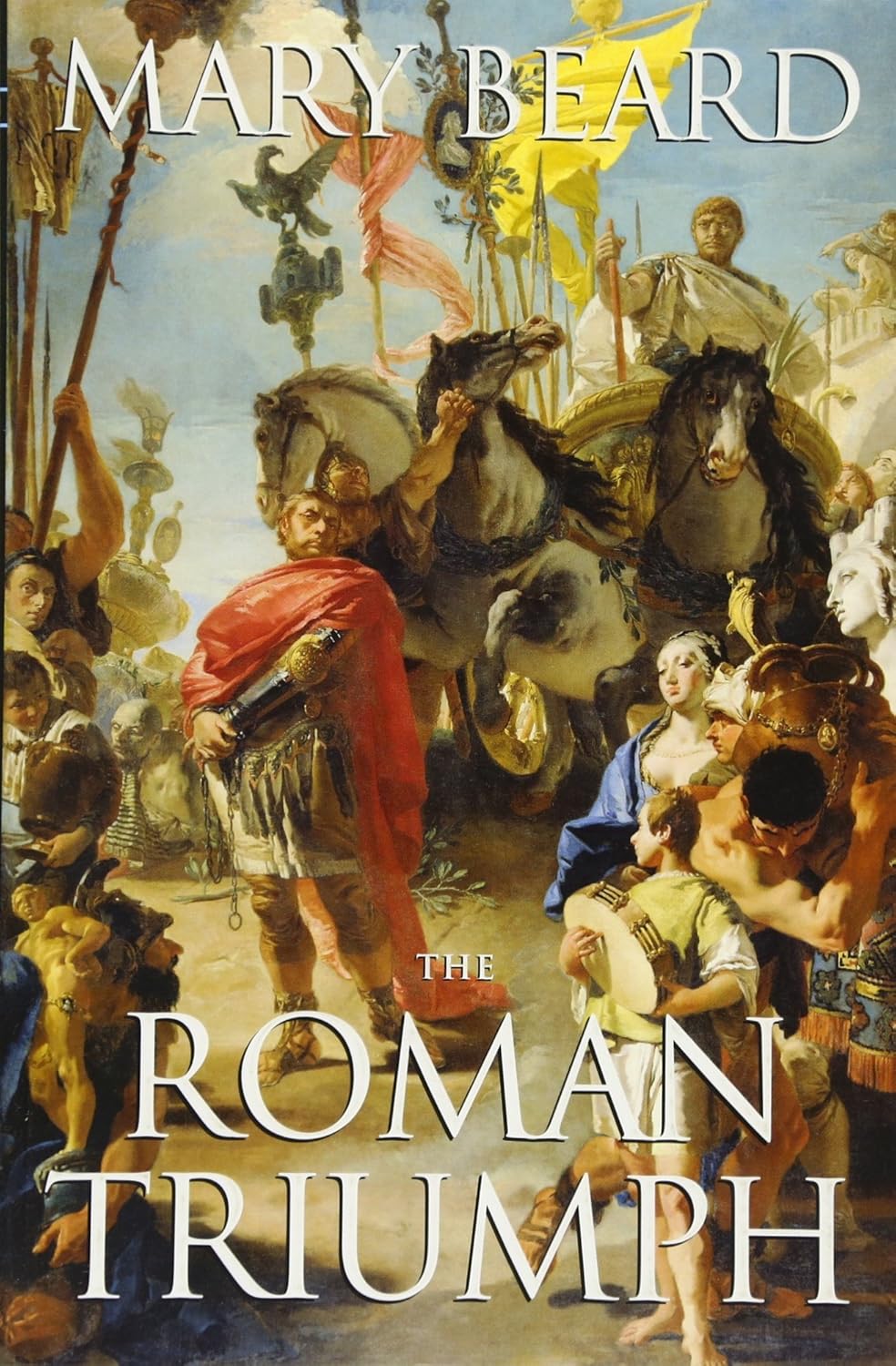
The triumph is perhaps the best known – and misunderstood – event in ancient Roman history. There were relatively lots of them, perhaps over three hundred distinct triumphs in the millennium between the founding of the city in 753 BC and the collapse of the Empire in 476 AD, although in some periods, such as…
-
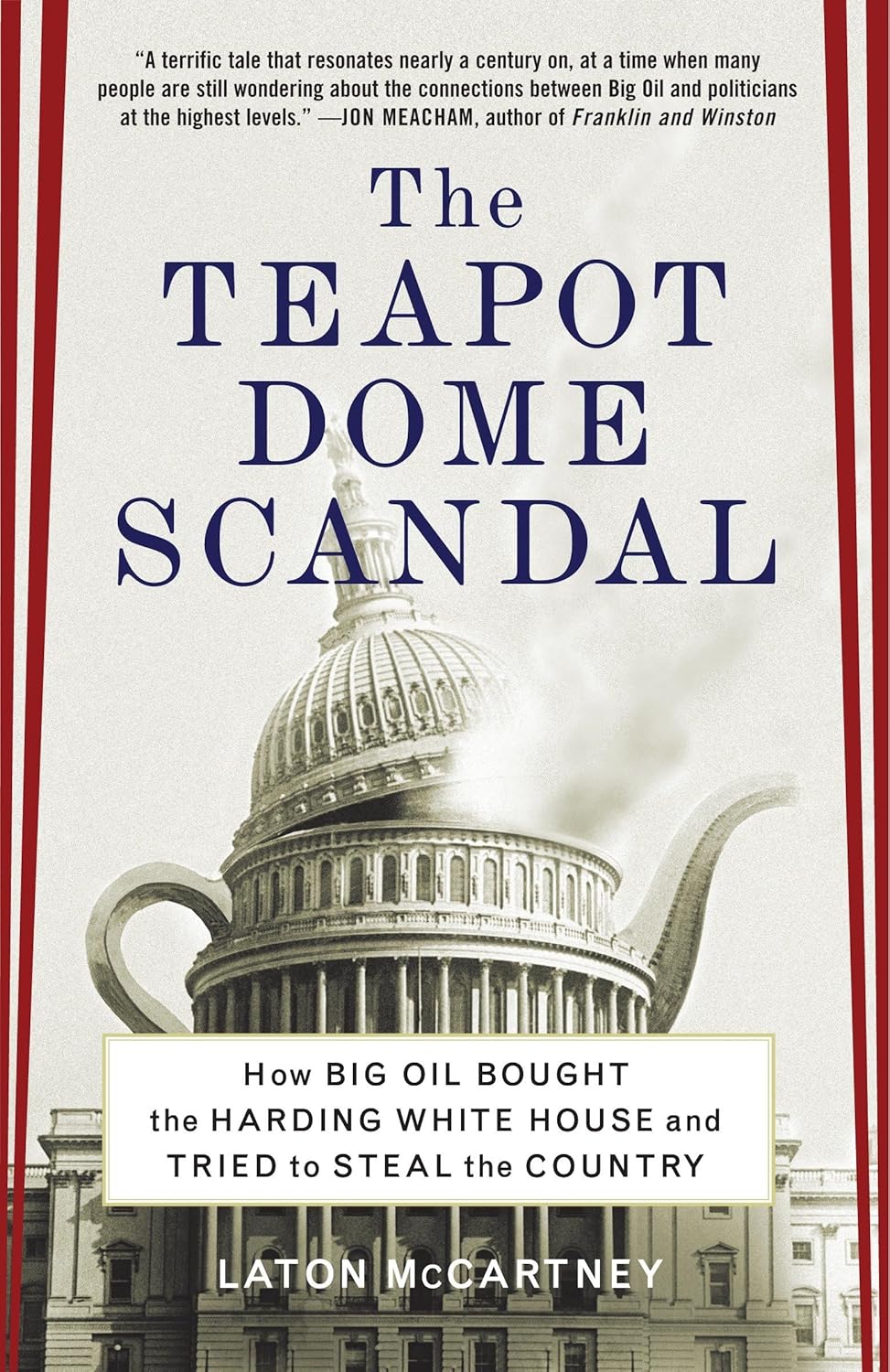
A century ago “Teapot Dome” made headlines from coast to coast for almost a decade. Today, only the most dedicated political junkies remember what it was all about. In “The Teapot Dome Scandal: How Big Oil Bought the Harding White House and Tried to Steal the Country” (2008) Laton McCartney seeks to bring the largest…
-
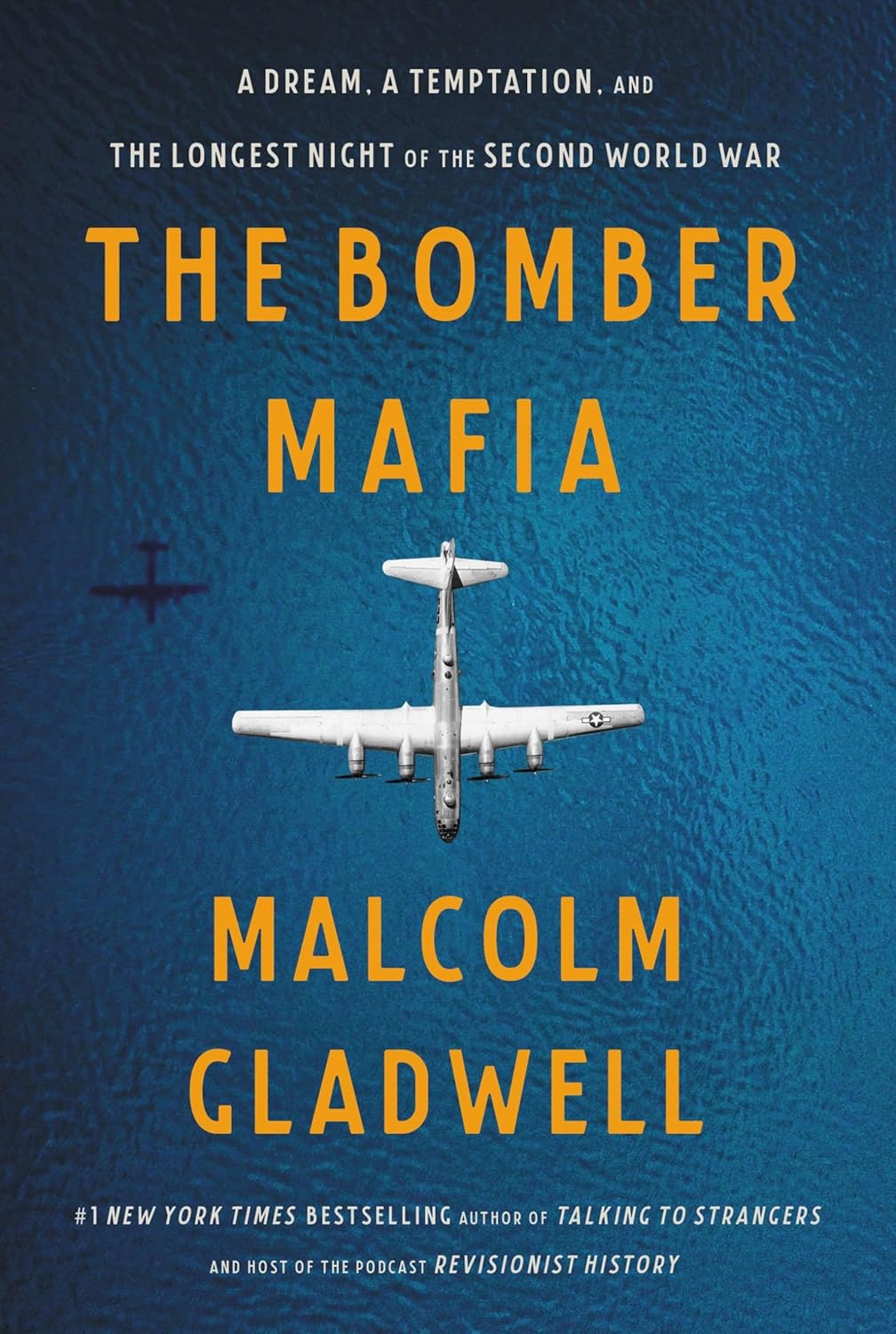
Somebody (but definitely not Mark Twain) once said, “It’s easier to fool people than to convince them that they have been fooled.” It seems to me this is what Malcolm Gladwell’s latest bestseller, “The Bomber Mafia: A Tale of Innovation and Obsession” (2021), is really all about, although the author doesn’t frame it that way.…
-
Erik Larson knows how to tell a good story. Perhaps even more importantly, he knows how to find them. Over the years I’ve read my fair share of books on the interwar period and the rise of Nazi Germany, but I don’t recall ever reading about the American ambassador to Berlin in the first few…
-
France in 1939 was preoccupied by the menacing actions of neighboring Nazi Germany. Meanwhile, French classist Jerome Carcopino was preoccupied with putting the finishing touches on “Daily Life in Ancient Rome: The People and the City at the Height of the Empire” (1939). It was considered a valuable and influential work when it was first…
-
The Poison King: The Life and Legend of Mithridates, Rome’s Deadliest Enemy (2010) by Adrienne Mayor
Only a handful of enemy generals gave the Roman legions fits over multiple campaign seasons: Hannibal Barca (d. 183 BC), Vercingetorix (d. 46 BC), and Mithridates IV of Pontus (d. 63 BC). Mithridates is the least well known of this triumvirate today, but he resisted Rome the longest, almost thirty years, challenging imperial authority in…
 What's Tim Reading Now?