All Posts
Collected reviews from decades of reading — organized by subject and written for clarity, context, and long-term reference.
Categories
- A Very Short Introduction (4)
- Afghanistan (5)
- Africa (3)
- Age of Discovery (14)
- American Revolution (29)
- Ancient Greece (11)
- Ancient Rome (2)
- Anglo-German Naval Competition (8)
- Anthropology (3)
- Art History (6)
- Artists (16)
- British History (16)
- Business Books (19)
- Business Greats (12)
- Central Banking (8)
- China (1)
- Cold War Era (19)
- Colonial America (25)
- Commodities (10)
- Corporate Biography (11)
- Counter Insurgency (6)
- Cuba (1)
- Disease (9)
- Early Modern Europe (8)
- Early Republic (21)
- Economic Development (12)
- Economics (17)
- French Revolution (8)
- Great Depression (6)
- Great Projects (9)
- Great Writers (4)
- Industrial Revolution (14)
- Iranian Revolution (4)
- Italian Renaissance (27)
- Jacksonian America (4)
- Korea (1)
- Middle Ages (4)
- Middle East (5)
- Military Innovation (20)
- Napoleon (3)
- Philosophy (4)
- Pop History (32)
- Progressive Era (8)
- Republican Rome (16)
- Roman Empire (25)
- Russian History (5)
- Russian Revolution (3)
- Sri Lanka (3)
- The Gilded Age (4)
- U.S. Civil War (7)
- U.S. Presidents (16)
- Vietnam (8)
- World War I (6)
- World War II (10)
-

The improbable rise and frightening reign of Russian president Vladimir Putin is surely one of the most fascinating stories of the early twenty-first century. How did a low-level, low-key former KGB officer become president of a global nuclear power without ever having served in political office and with little national name-recognition at the time of…
-

J. B. Campbell’s The Emperor and the Roman Army, 31 BC–AD 235 remains one of the most important modern studies of the Roman imperial military system and its relationship to political authority. Published in 1996, the book is not merely a work of military history in the traditional sense – focused on battles, tactics, or…
-

It’s rare for serious nonfiction about the late eighteenth century to appear on The New York Times’ list of the Ten Best Books of the Year – but that’s exactly what Hampton Sides achieved in 2024 with The Wide Wide Sea: Imperial Ambition, First Contact, and the Fateful Final Voyage of Captain James Cook. In…
-

One of the greatest Spanish painters of all time, Diego Valazquez served at the court of Philip IV (r. 1621-1665), a man six years his junior, for four decades. He came to Madrid in 1622 under the patronage of Count Olivares, young King Philip IV’s First Minister. Philip and Olivares were opposites: weak, lazy and…
-

“The name Sir Francis Drake is emblazoned in history as one of England’s greatest heroes.” So writes author Samuel Bawlf in the prologue to his 2003 biography The Secret Voyage of Sir Francis Drake: 1577–1580. Drake’s reputation on the other side of the pond has become decidedly more mixed as of late. He is one…
-

Roger Crowley is a faithfully entertaining and informative popular historian. His latest effort – Spice: The 16th-Century Contest that Shaped the Modern World (2024) – is not everything I hoped it would be, but it was certainly a worthwhile and enjoyable read. Spice chronicles the six-decade struggle between Spain and Portugal – and later Britain…
-
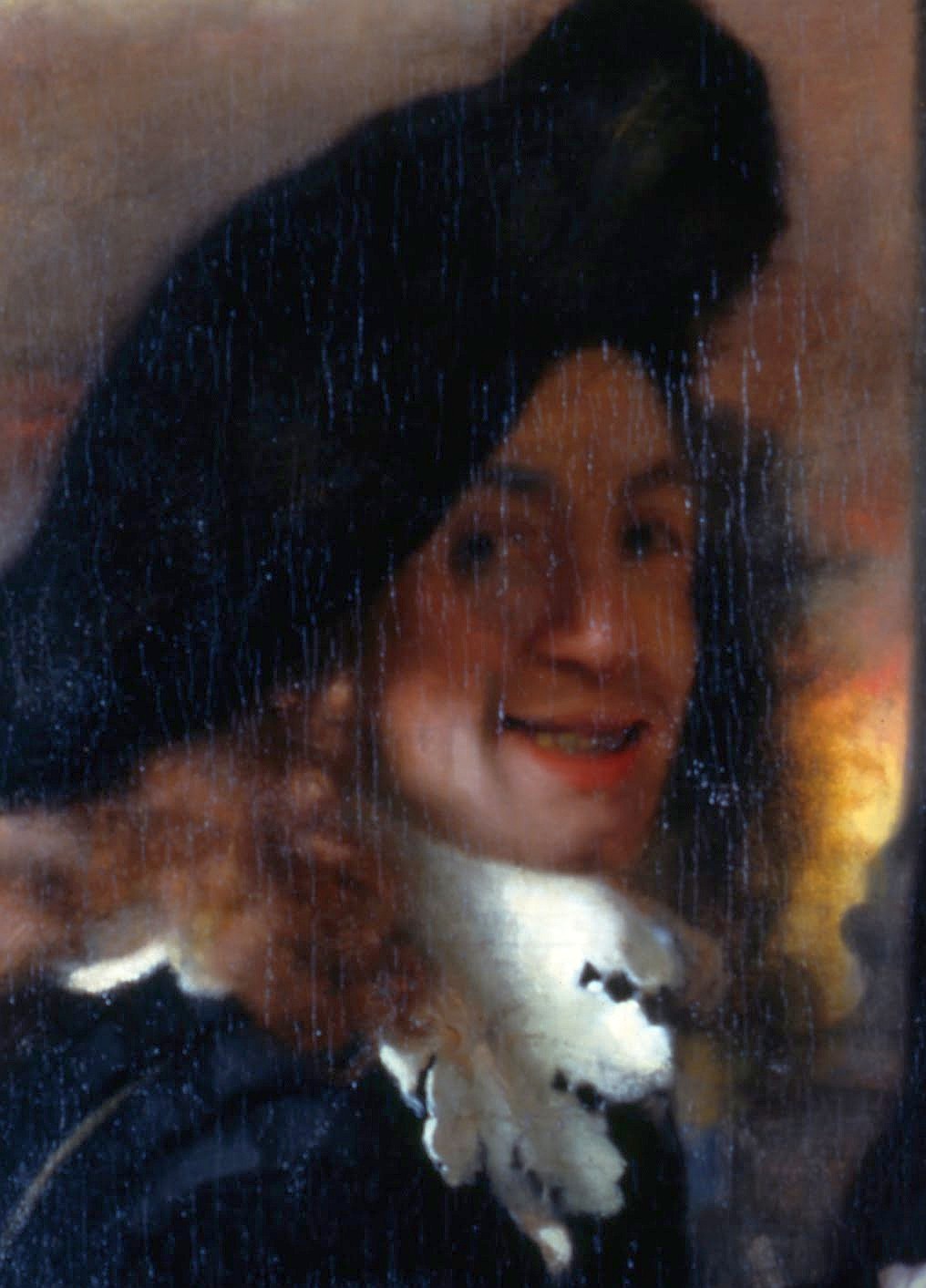
o little is known about Jan Vermeer, his goals and influences. He died unknown, penniless with 8 minor children, at age 43 and remained forgotten for 200 years. Today he is known as the “Sphinx of Delft,” a sobriquet attached to him by the French art critic Thore-Burger, who rediscovered his genius in the 1860s…
-
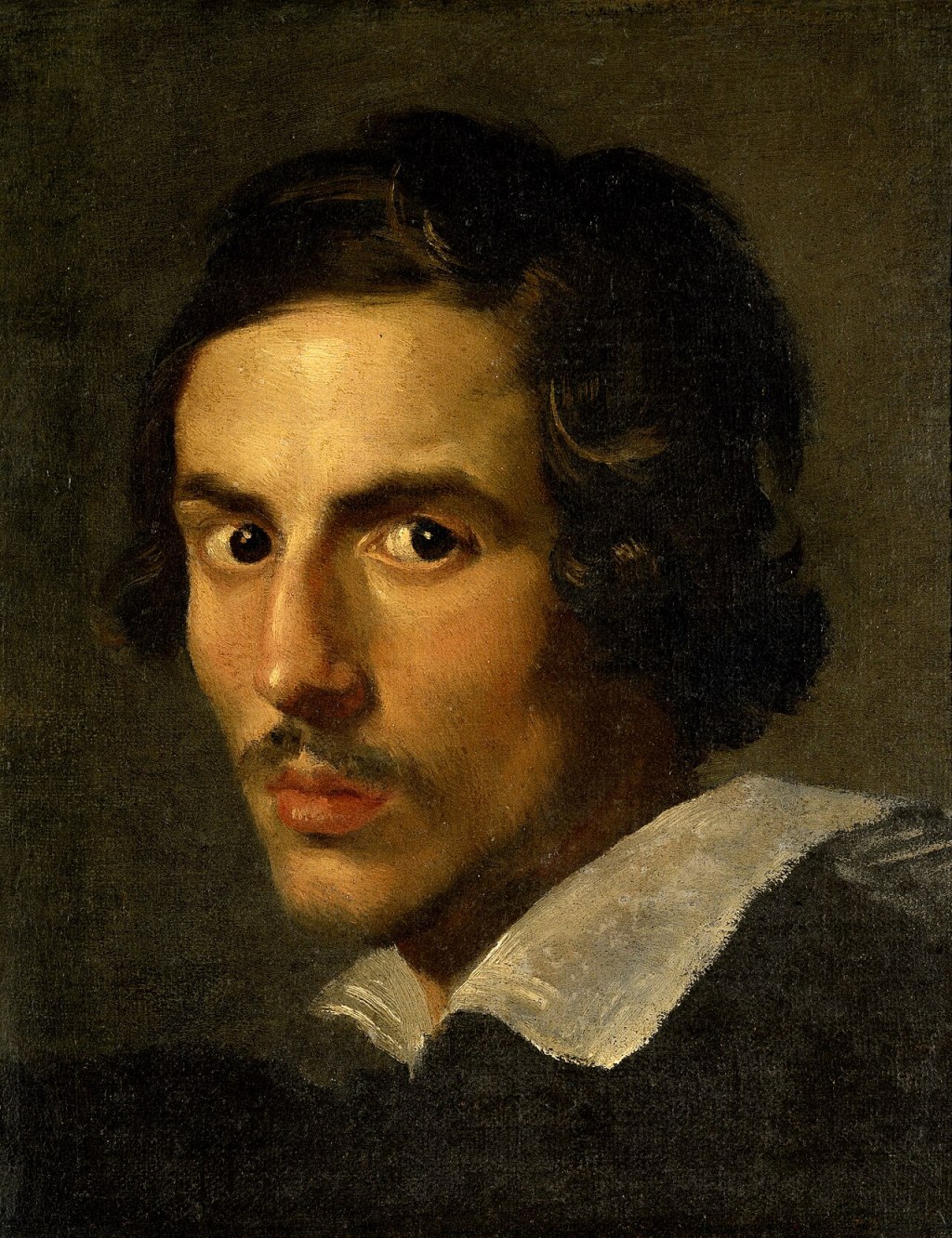
Bernini was a child prodigy and the greatest artist (possibly the greatest man) of his day, internationally famous by age 35, possessing the virtuosity of Leonardo and Michelangelo. He left an extensive and indelible mark on Rome, the only city he ever knew, especially St Peter’s Basilica, completed in 1626, where Bernini was responsible for…
-
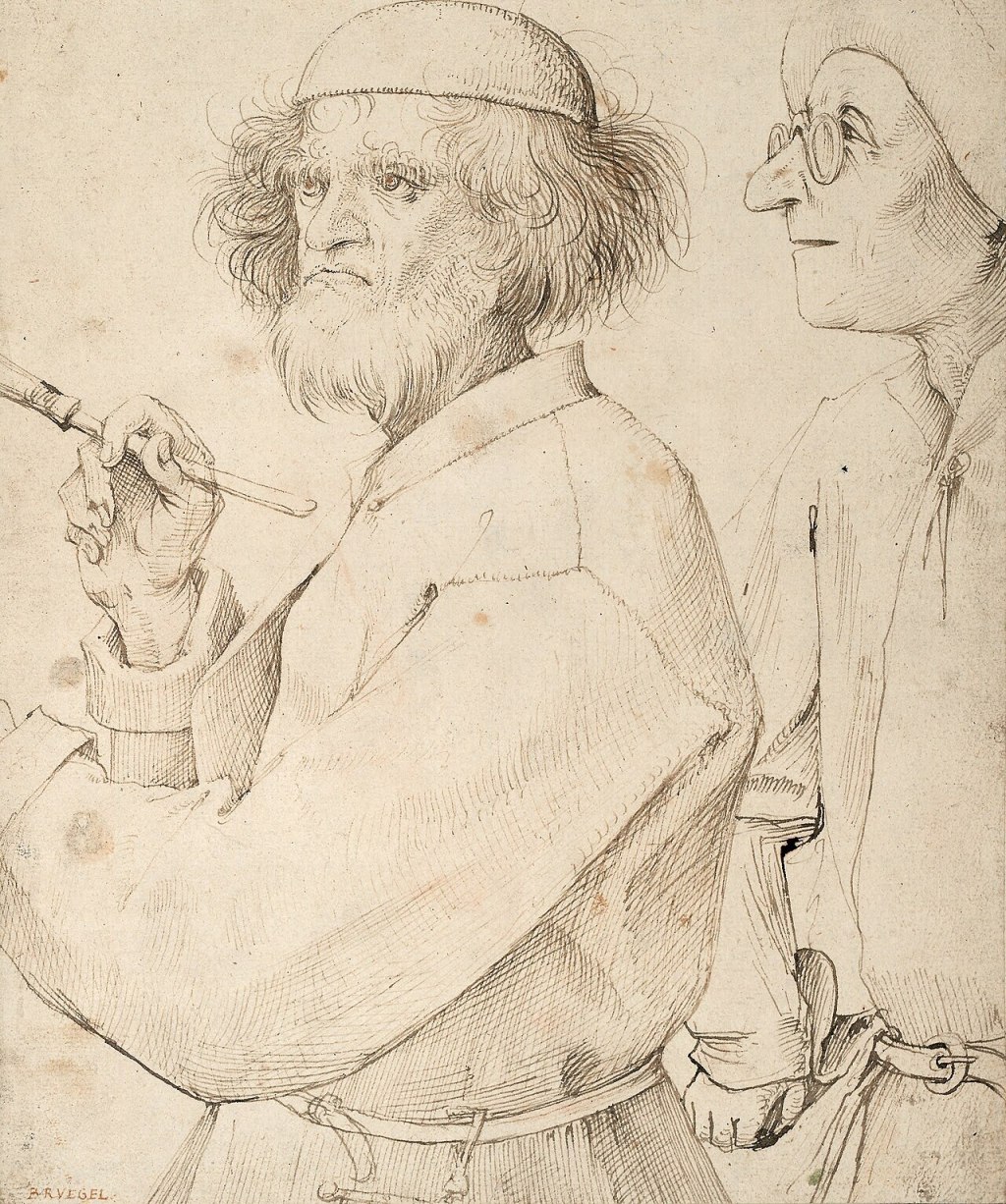
Pieter Bruegel is celebrated for shifting the focus of art from the divine to the human, from the heroic to the humble, and from the exceptional to the everyday, which is how he earned the nickname “Peasant Brueghel.” Whereas the Italian High Renaissance was optimistic and saw man as large, idealized, and heroic, the Northern…
 What's Tim Reading Now?