All Posts
Collected reviews from decades of reading — organized by subject and written for clarity, context, and long-term reference.
Categories
- A Very Short Introduction (4)
- Afghanistan (5)
- Africa (3)
- Age of Discovery (14)
- American Revolution (29)
- Ancient Greece (11)
- Ancient Rome (2)
- Anglo-German Naval Competition (8)
- Anthropology (3)
- Art History (6)
- Artists (16)
- British History (16)
- Business Books (19)
- Business Greats (12)
- Central Banking (8)
- China (1)
- Cold War Era (19)
- Colonial America (25)
- Commodities (10)
- Corporate Biography (11)
- Counter Insurgency (6)
- Cuba (1)
- Disease (9)
- Early Modern Europe (8)
- Early Republic (21)
- Economic Development (12)
- Economics (17)
- French Revolution (8)
- Great Depression (6)
- Great Projects (9)
- Great Writers (4)
- Industrial Revolution (14)
- Iranian Revolution (4)
- Italian Renaissance (27)
- Jacksonian America (4)
- Korea (1)
- Middle Ages (4)
- Middle East (5)
- Military Innovation (20)
- Napoleon (3)
- Philosophy (4)
- Pop History (32)
- Progressive Era (8)
- Republican Rome (16)
- Roman Empire (25)
- Russian History (5)
- Russian Revolution (3)
- Sri Lanka (3)
- The Gilded Age (4)
- U.S. Civil War (7)
- U.S. Presidents (16)
- Vietnam (8)
- World War I (6)
- World War II (10)
-
Anthony Gottlieb claims that the foundations of western philosophy were created in two “staccoto bursts” of 150 years each separated by nearly two millenia. “The Dream of Reason” (2000) covered the first burst centered on Athens from the middle of the fifth century to the late fourth century BC. “The Dream of Enlightenment: The Rise…
-
“Citizens: A Chronicle of the French Revolution” (1989) was the first book I ever read by Simon Schama. It was sometime around 2008. I was mesmerized; I could hardly put it down. It seemed as though I had just found a new favorite historical writer, someone as graceful and penetrating as Robert Massie. I immediately…
-

“The World the Plague Made: The Black Death and the Rise of Europe” (2022), by New Zealand historian James Belich – co-founder of Oxford’s Centre for Global History – is a bold, sweeping, and revisionist exploration of how a medieval catastrophe transformed the fate of an entire continent. In nearly 500 pages, Belich’s argument ranges…
-
Thomas Pakenham’s The Boer War, first published in 1979, remains one of the most absorbing accounts of imperial warfare ever written. It is at once sweeping and immediate: a grand chronicle of armies clashing across South Africa’s high veldt, yet also a study of private fears and petty ambitions that together reshaped the British Empire’s…
-
I’ve probably read close to a thousand works of non-fiction at this point in my life, and Simon Schama’s “Citizens: A Chronicle of the French Revolution” is in my Top Five. That’s really swaying something! Citizens is one of those rare works of history that truly reads like an epic novel, bursting with vivid characters,…
-
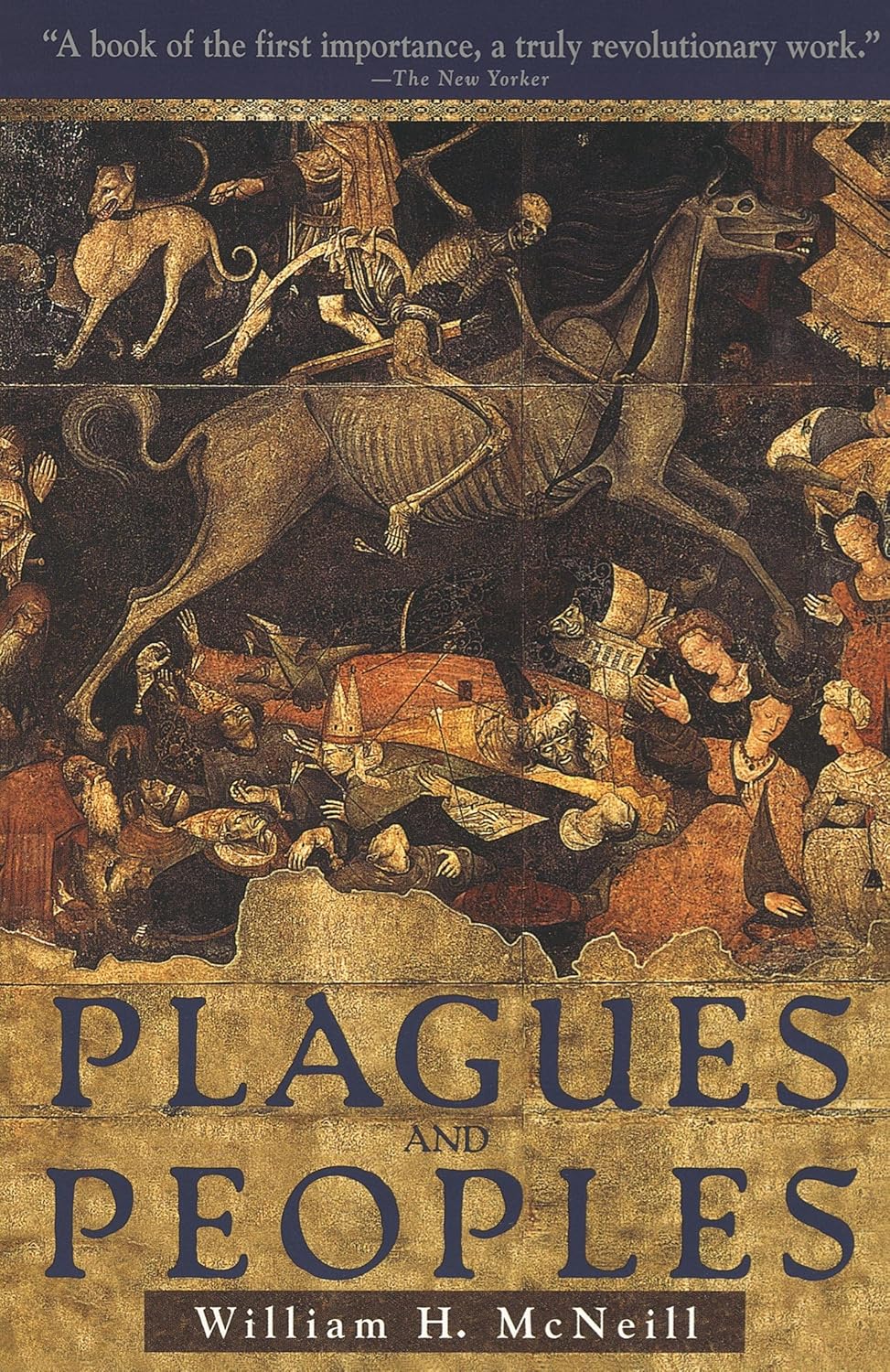
When William H. McNeill published “Plagues and Peoples” in 1976, it startled historians and anthropologists alike. Here was a sweeping, erudite global history that placed microbes – not kings, generals, or economic systems – at the center of the human story. In doing so, McNeill challenged centuries of historical writing that had largely treated disease…
-

When Garrett Mattingly’s “The Armada” was first published in 1959, it became an immediate sensation – not just among historians, but among general readers. It won the National Book Award and quickly carved out a reputation as one of the most engaging works of narrative history ever written. Even today, over half a century later,…
-
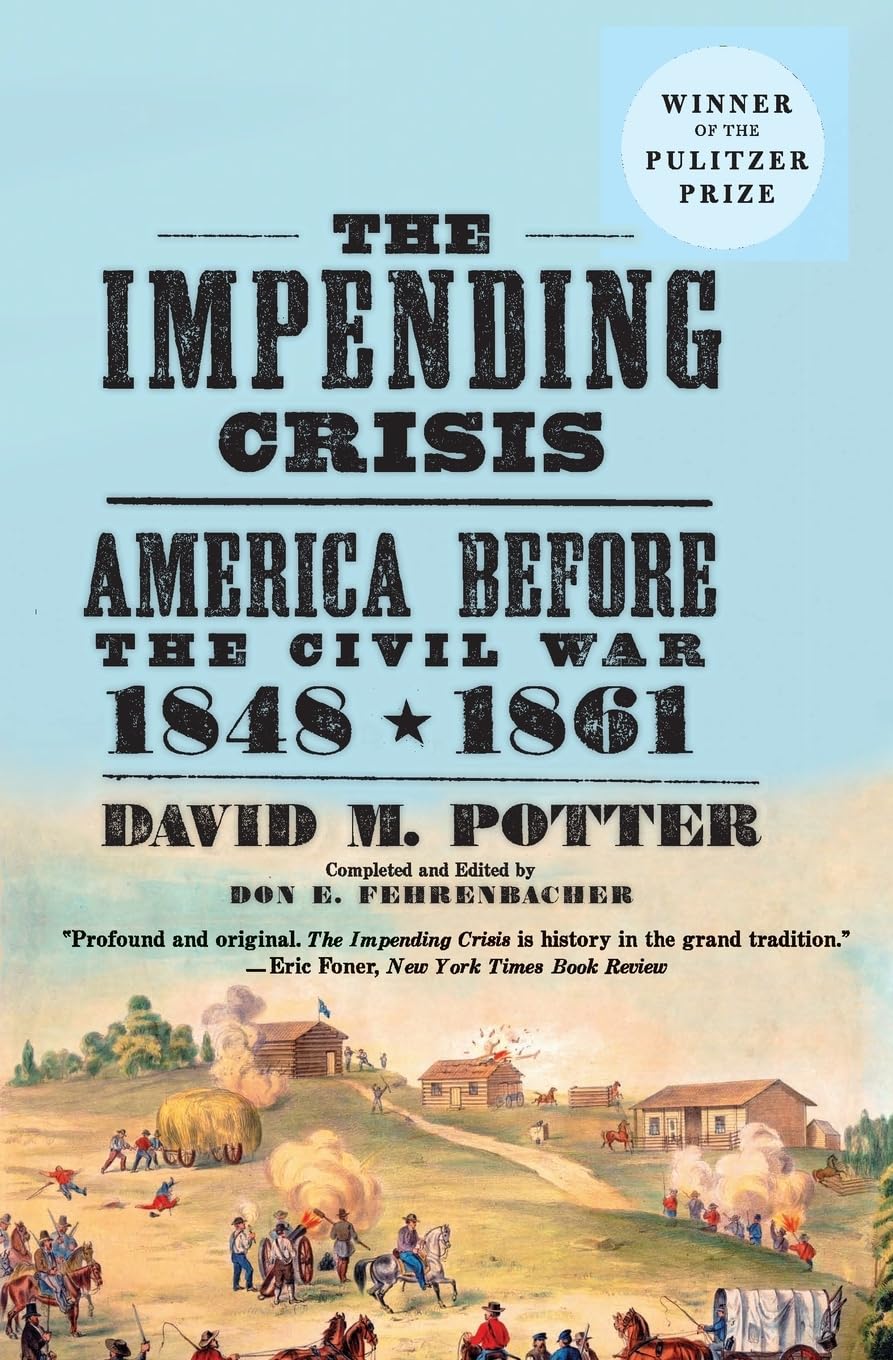
David M. Potter’s Pulitzer Prize-winning history “The Impending Crisis” (1976) is that rare historical work which, decades after its publication, remains not only authoritative but essential. Posthumously published in 1976 and completed by his Stanford colleague Don E. Fehrenbacher, the book distills nearly a lifetime of scholarship into a sweeping, judicious, and penetrating account of…
-
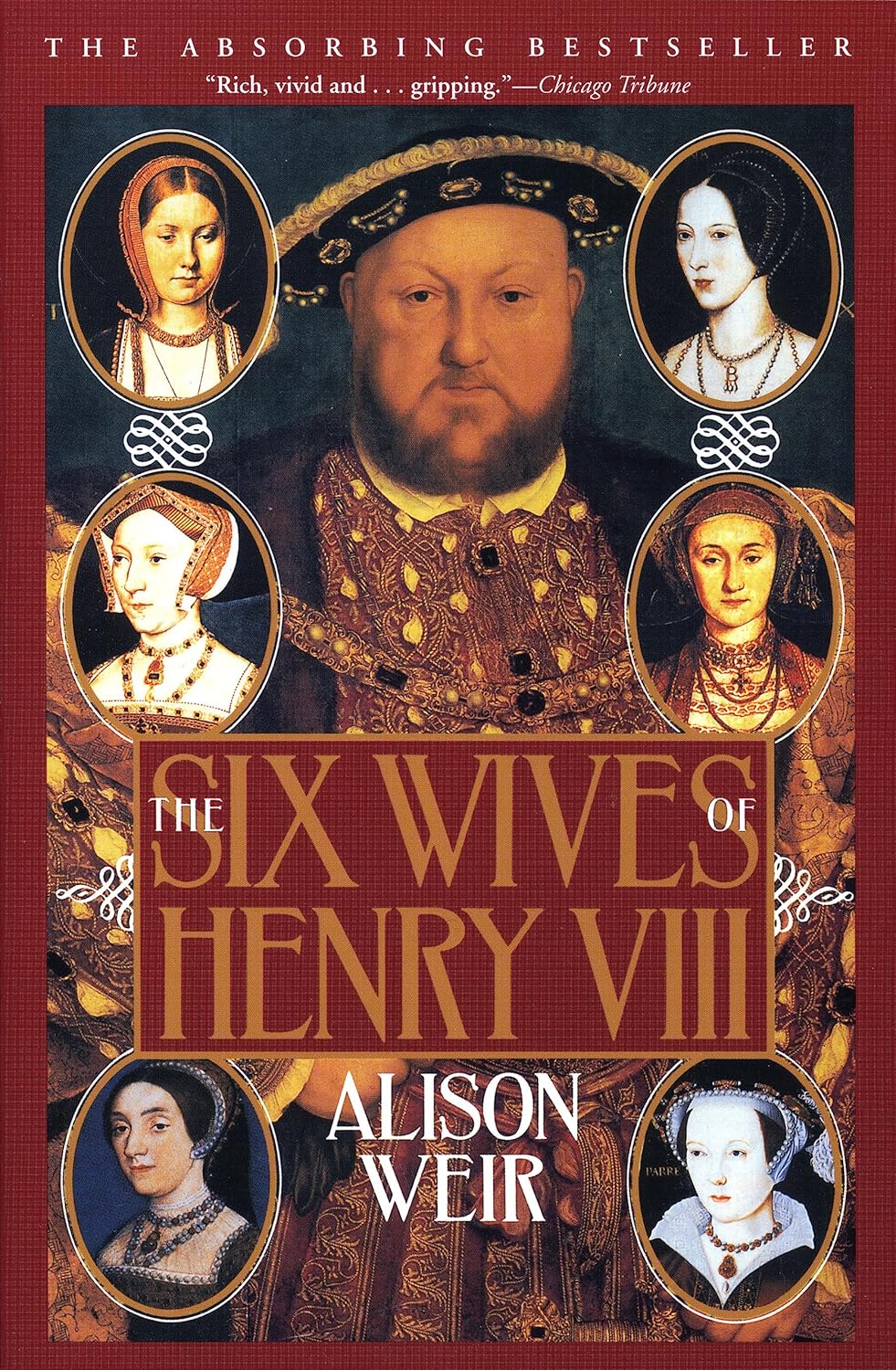
I first discovered this book in a box of donated books at a forward operating base on the Afghan-Pakistan border in 2010. Imagine my surprise when it turned out to be one of the most entertaining works of history I’ve ever picked up. Alison Weir has an unusual knack for putting flesh-and-bones on long dead…
 What's Tim Reading Now?