All Posts
Collected reviews from decades of reading — organized by subject and written for clarity, context, and long-term reference.
Categories
- A Very Short Introduction (4)
- Afghanistan (5)
- Africa (3)
- Age of Discovery (14)
- American Revolution (29)
- Ancient Greece (11)
- Ancient Rome (2)
- Anglo-German Naval Competition (8)
- Anthropology (3)
- Art History (6)
- Artists (16)
- British History (16)
- Business Books (19)
- Business Greats (12)
- Central Banking (8)
- China (1)
- Cold War Era (19)
- Colonial America (25)
- Commodities (10)
- Corporate Biography (11)
- Counter Insurgency (6)
- Cuba (1)
- Disease (9)
- Early Modern Europe (8)
- Early Republic (21)
- Economic Development (12)
- Economics (17)
- French Revolution (8)
- Great Depression (6)
- Great Projects (9)
- Great Writers (4)
- Industrial Revolution (14)
- Iranian Revolution (4)
- Italian Renaissance (27)
- Jacksonian America (4)
- Korea (1)
- Middle Ages (4)
- Middle East (5)
- Military Innovation (20)
- Napoleon (3)
- Philosophy (4)
- Pop History (32)
- Progressive Era (8)
- Republican Rome (16)
- Roman Empire (25)
- Russian History (5)
- Russian Revolution (3)
- Sri Lanka (3)
- The Gilded Age (4)
- U.S. Civil War (7)
- U.S. Presidents (16)
- Vietnam (8)
- World War I (6)
- World War II (10)
-
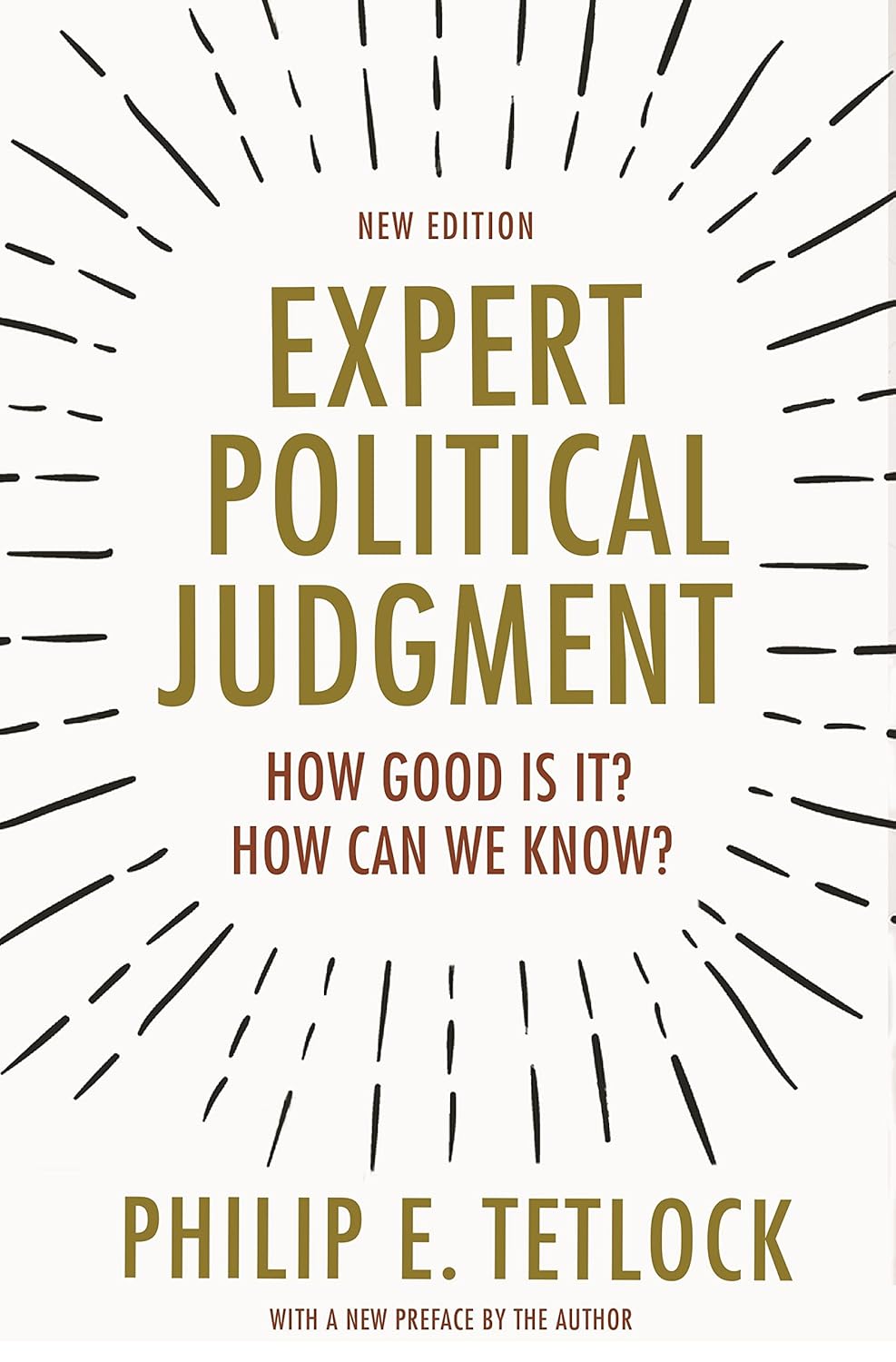
I only heard about Philip Tetlock’s “Expert Political Judgment: How Good Is It? How Can We Know?” (2005) in late 2024. Vinod Khosla, the legendary co-founder of Sun Microsystems and later venture investor, was speaking at the TechCrunch Disrupt conference in San Francisco. It was an casual style discussion on stage discussing the state of…
-

Portrait of a Pessimist Dictator Antonio Salazar was born the fifth and last child to devout peasant parents in the coastal city of Vimieiro in 1889, a time when roughly eighty percent of Portuguese were illiterate. The future dictator was a brilliant scholar and a sincere Catholic who believed the teachings of the church were…
-
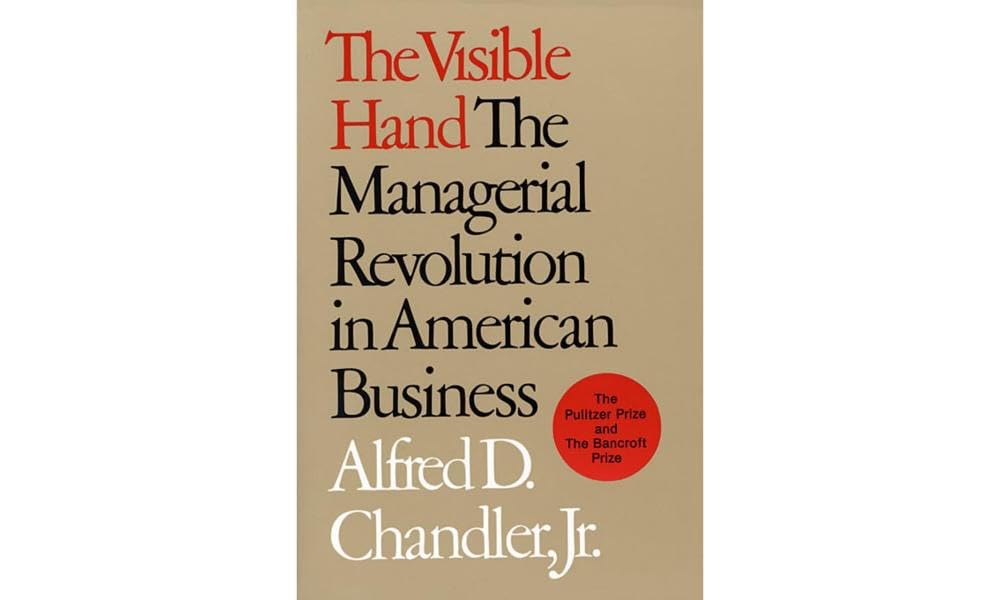
Some books are worth reading because they are grand and insightful, even if the writing is a bit stale and dry. “The Visible Hand” falls into that rare fraternity of non-fiction; a book that is tough to get through, but will forever alter how you perceive a given subject, in this case, the early economic…
-

Who really wrote Shakespeare? It’s a question that’s been asked literally for centuries, sometimes by thoughtful intellectuals, but most often by those with a limited knowledge of literature and a strong predisposition to conspiracy theories. In this book, “Contested Will: Who Wrote Shakespeare?” (2020) by distinguished Columbia University literature professor James Shapiro, the author seeks…
-
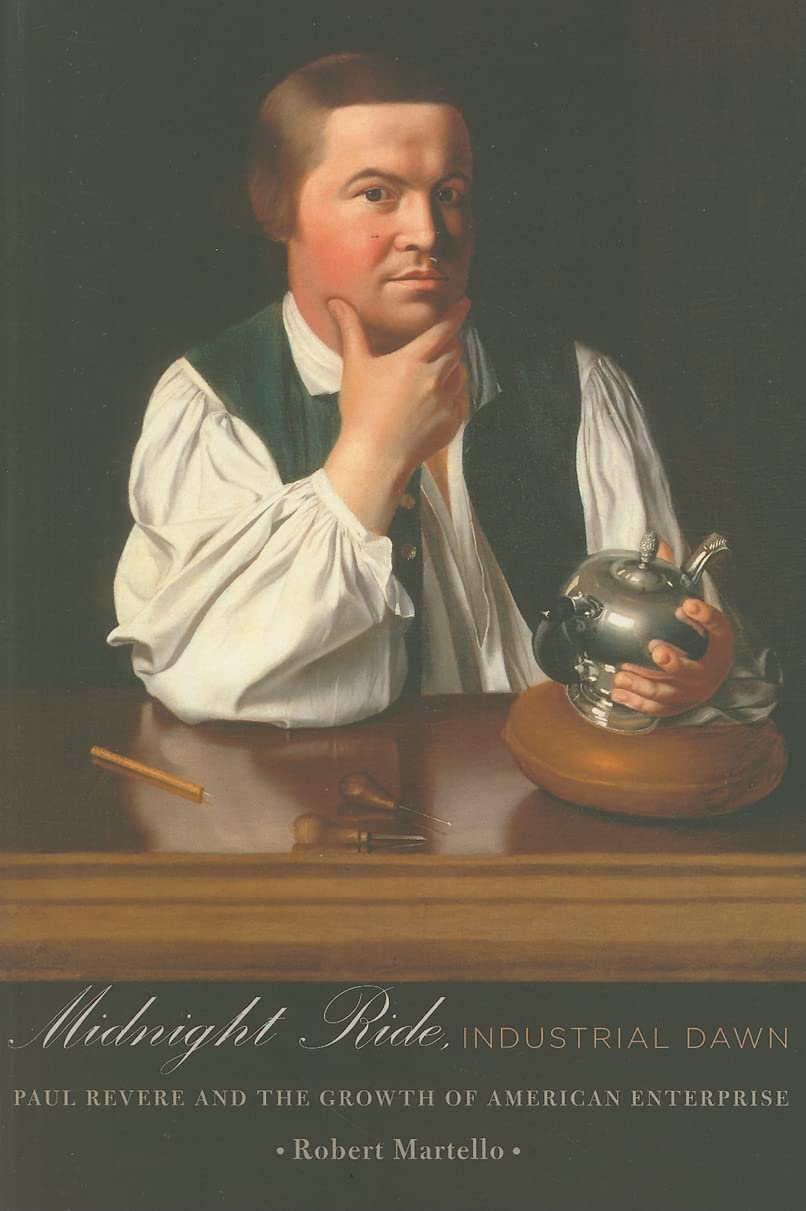
“Listen, my children, and you shall hear, Of the midnight ride of Paul Revere.” So begins one of the most famous poems in American history, “Paul Revere’s Ride” by Henry Wadsworth Longfellow (1860). Published forty-two years after the death of the great American patriot, Longfellow’s poem cemented Paul Revere’s name in American history. In the…
-
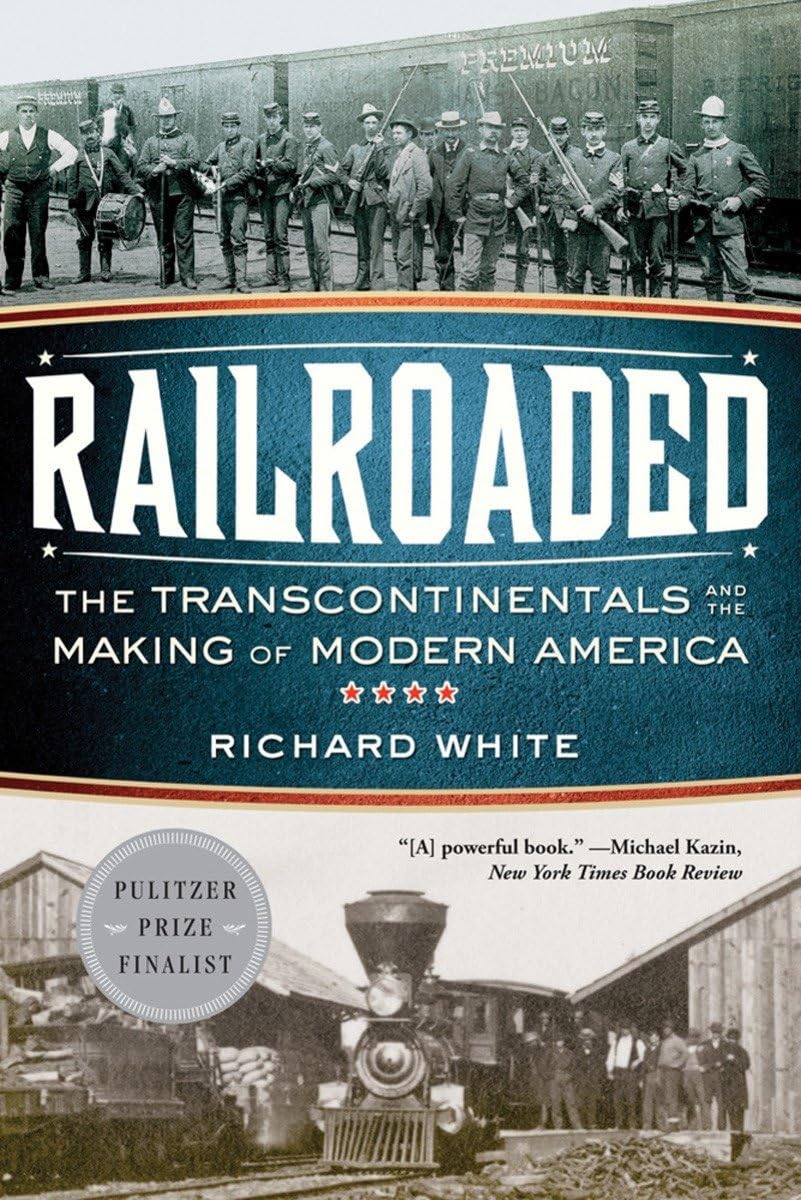
Richard White’s “Railroaded: The Transcontinentals and the Making of Modern America” (2011), which won the Parkman Prize and was a finalist for the Pulitzer Prize, argues that the transcontinental railroads of the late nineteenth century were not the inevitable engines of progress that they were often portrayed to be in earlier notable works of economic…
-
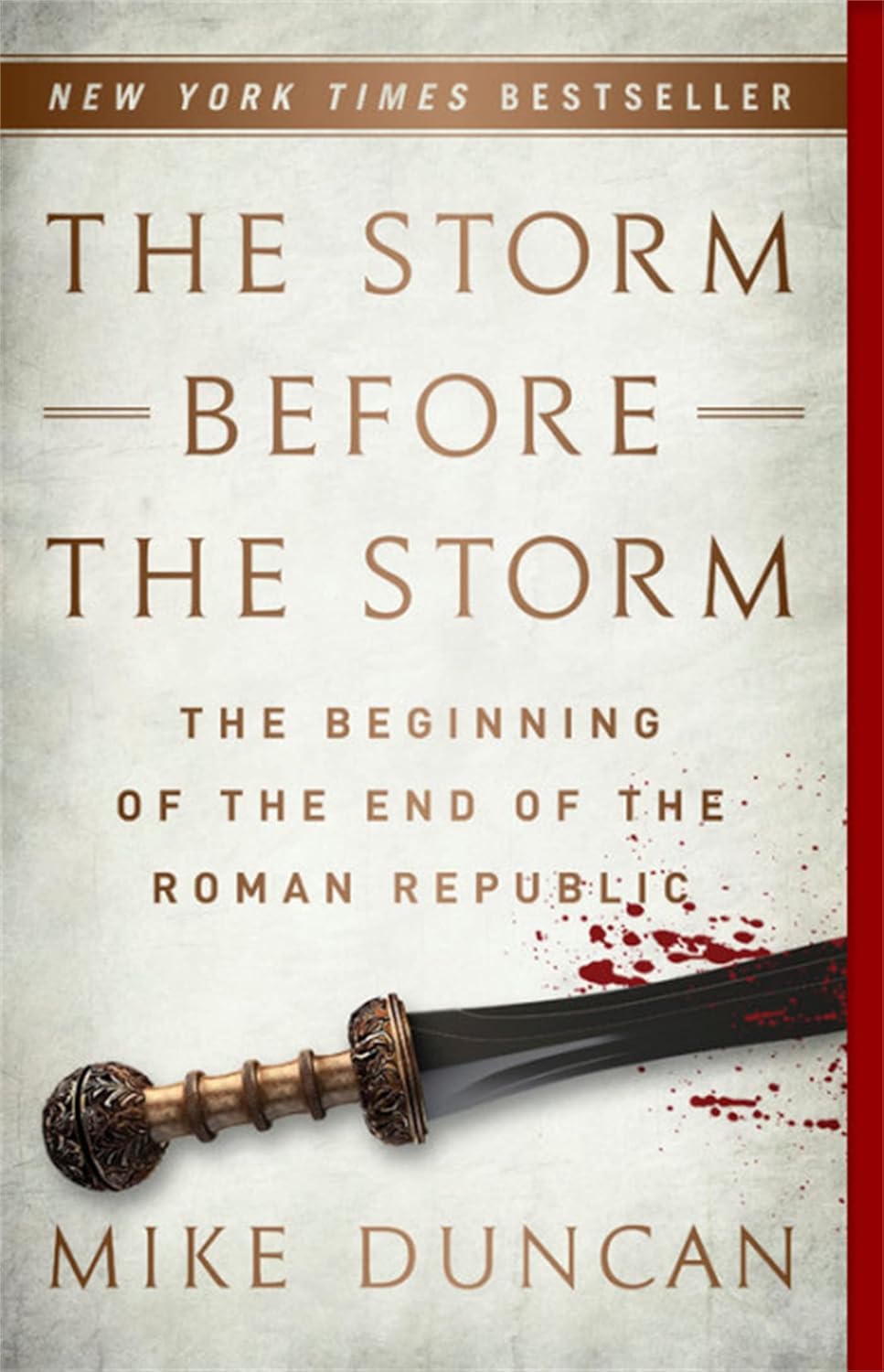
Mike Duncan has an unusual background for a New York Times Bestselling author of ancient Roman history. Possessing nothing more than a political science degree from Western Washington University and a few years experience as a fishmonger, he burst onto the scene in 2007 with his wildly popular podcast “The History of Rome.” I have…
-
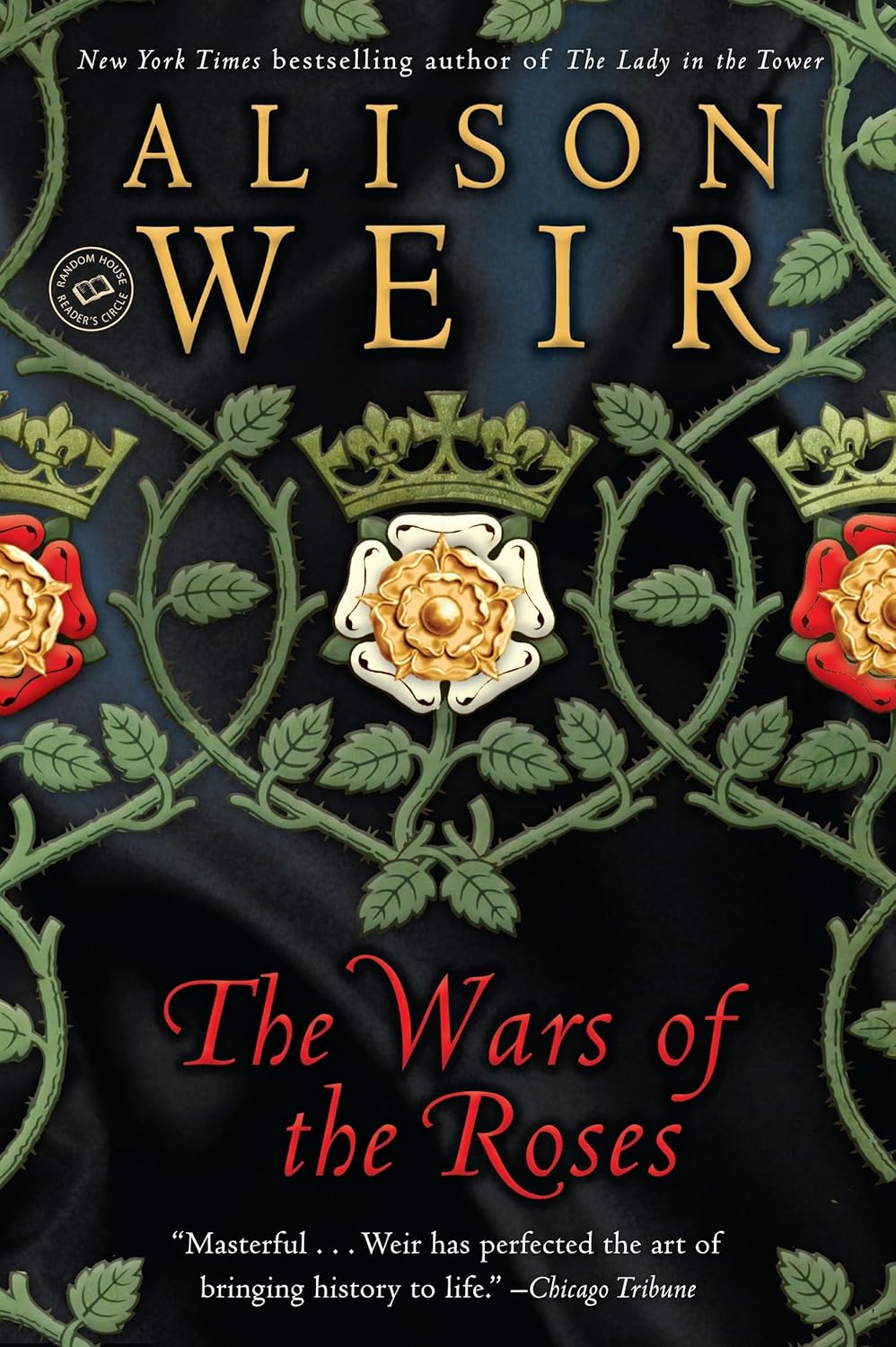
Alison Weir’s “The Wars of the Roses” (1995) offers an absorbing and detailed narrative of the dynastic struggles that engulfed England in the fifteenth century. These conflicts – known more accurately to contemporaries as the “Cousins’ Wars” – fought between the rival houses of Lancaster and York, arose from a crisis of succession that had…
-

In “The Republic for Which It Stands: The United States during Reconstruction and the Gilded Age, 1865–1896” (2017), historian Richard White presents a sweeping and richly textured account of American life from the end of the Civil War through the pivotal election of 1896 – a period commonly known as the Gilded Age, and which…
 What's Tim Reading Now?