All Posts
Collected reviews from decades of reading — organized by subject and written for clarity, context, and long-term reference.
Categories
- Afghanistan (5)
- Africa (3)
- Age of Discovery (14)
- American Revolution (25)
- Ancient Greece (10)
- Ancient Rome (1)
- Anglo-German Naval Competition (8)
- Anthropology (3)
- Artists (12)
- British History (15)
- Business Books (16)
- Business Greats (12)
- Central Banking (7)
- China (1)
- Cold War Era (19)
- Colonial America (24)
- Commodities (10)
- Corporate Biography (11)
- Counter Insurgency (6)
- Cuba (1)
- Disease (9)
- Early Modern Europe (7)
- Early Republic (13)
- Economic Development (12)
- Economics (17)
- French Revolution (8)
- Great Depression (6)
- Great Projects (9)
- Great Writers (4)
- Industrial Revolution (14)
- Iranian Revolution (3)
- Italian Renaissance (25)
- Jacksonian America (4)
- Korea (1)
- Middle Ages (4)
- Middle East (5)
- Military Innovation (20)
- Napoleon (3)
- Philosophy (3)
- Pop History (28)
- Progressive Era (8)
- Republican Rome (16)
- Roman Empire (23)
- Russian History (5)
- Russian Revolution (3)
- Sri Lanka (3)
- The Gilded Age (4)
- U.S. Civil War (7)
- U.S. Presidents (14)
- Vietnam (8)
- World War I (6)
- World War II (9)
-
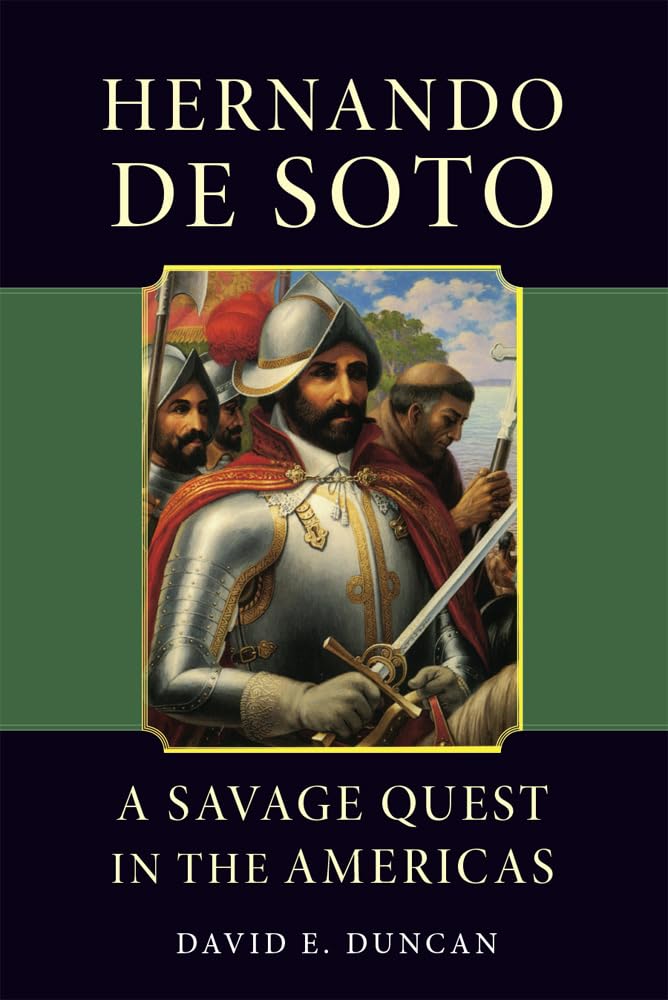
Few figures from the Age of Discovery embody both ambition and brutality as starkly as Hernando de Soto (1500-1542), the conquistador who carved a bloody path through the southeast of North America in search of gold and glory. In Hernando de Soto: A Savage Quest in the Americas (1997), David Ewing Duncan strips away the…
-
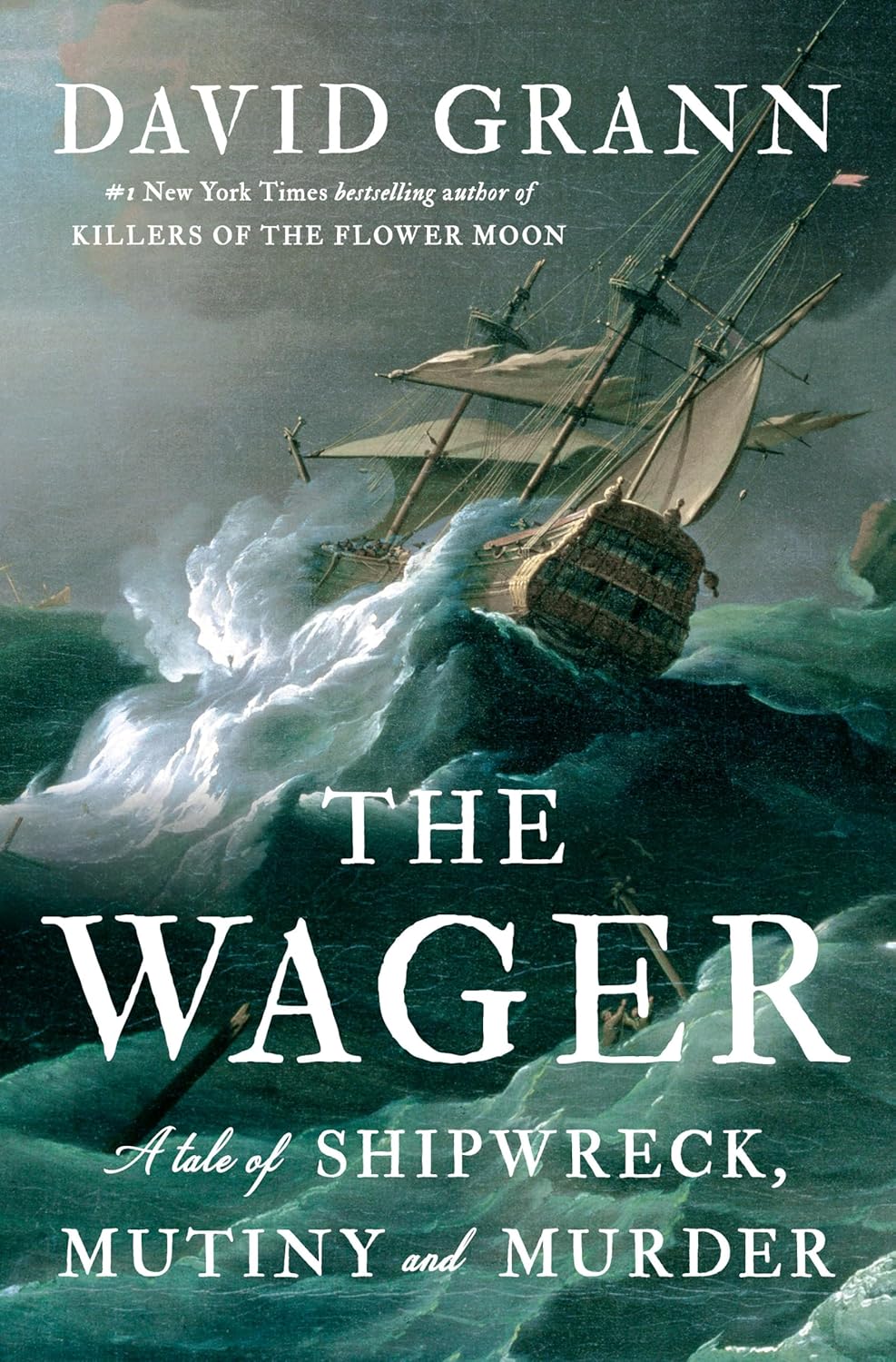
David Grann’s The Wager: A Tale of Shipwreck, Mutiny and Murder has been a publishing phenomenon, especially for an historical non-fiction account of an event that happened 300 years ago. Since its initial release in 2023, the book has dominated bestseller lists, sold more than a million copies worldwide, and cemented Grann’s reputation as one…
-

David Graeber’s Debt: The First 5,000 Years (2021) is both a romp through human financial history and a deliberately provocative political polemic. Part anthropology, part moral essay and part work of revisionist history, it upends a set of conventional narratives – most famously the “barter-to-money-to-market” story taught in introductory economics – and replaces them with…
-

In Chip War: The Fight for the World’s Most Critical Technology (2022) historian Chris Miller delivers a comprehensive and urgent account of how the semiconductor has become the most critical – and contested – resource in the modern world. His central insight is that microchips are not merely the foundation of the digital economy but…
-

Before Giotto, art had been largely decorative or dogmatic; he revealed that it could also be a shared human experience – something to look at rather than look up to. He infused his paintings with a newfound sense of humanity, setting his figures in natural, emotionally resonant scenes. Inspired by the philosophy of the Franciscans,…
-
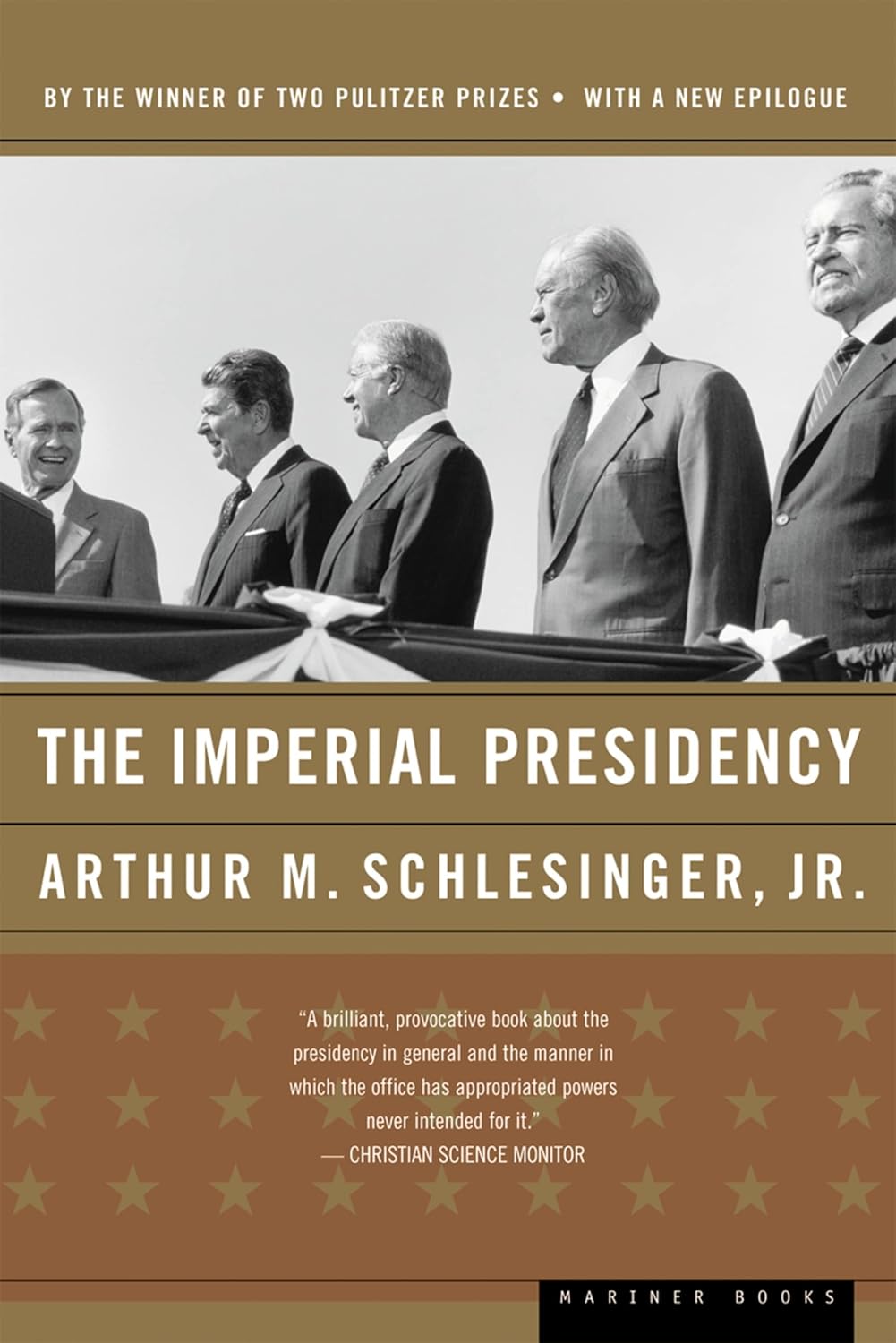
Arthur Schlesinger Jr. is one of the most celebrated American historians of the twentieth century, having won two Pulitzer Prizes while teaching at Harvard for several decades. He also had significant and relevant experience in government, first as an intelligence officer in the Office of Strategic Services during World War II and later as a White…
-

The improbable rise and frightening reign of Russian president Vladimir Putin is surely one of the most fascinating stories of the early twenty-first century. How did a low-level, low-key former KGB officer become president of a global nuclear power without ever having served in political office and with little national name-recognition at the time of…
-

J. B. Campbell’s The Emperor and the Roman Army, 31 BC–AD 235 remains one of the most important modern studies of the Roman imperial military system and its relationship to political authority. Published in 1996, the book is not merely a work of military history in the traditional sense – focused on battles, tactics, or…
-

It’s rare for serious nonfiction about the late eighteenth century to appear on The New York Times’ list of the Ten Best Books of the Year – but that’s exactly what Hampton Sides achieved in 2024 with The Wide Wide Sea: Imperial Ambition, First Contact, and the Fateful Final Voyage of Captain James Cook. In…
 What's Tim Reading Now?