All Posts
Collected reviews from decades of reading — organized by subject and written for clarity, context, and long-term reference.
Categories
- Afghanistan (5)
- Africa (3)
- Age of Discovery (14)
- American Revolution (25)
- Ancient Greece (10)
- Ancient Rome (1)
- Anglo-German Naval Competition (8)
- Anthropology (3)
- Artists (12)
- British History (15)
- Business Books (16)
- Business Greats (12)
- Central Banking (7)
- China (1)
- Cold War Era (19)
- Colonial America (24)
- Commodities (10)
- Corporate Biography (11)
- Counter Insurgency (6)
- Cuba (1)
- Disease (9)
- Early Modern Europe (7)
- Early Republic (13)
- Economic Development (12)
- Economics (17)
- French Revolution (8)
- Great Depression (6)
- Great Projects (9)
- Great Writers (4)
- Industrial Revolution (14)
- Iranian Revolution (3)
- Italian Renaissance (25)
- Jacksonian America (4)
- Korea (1)
- Middle Ages (4)
- Middle East (5)
- Military Innovation (20)
- Napoleon (3)
- Philosophy (3)
- Pop History (28)
- Progressive Era (8)
- Republican Rome (16)
- Roman Empire (23)
- Russian History (5)
- Russian Revolution (3)
- Sri Lanka (3)
- The Gilded Age (4)
- U.S. Civil War (7)
- U.S. Presidents (14)
- Vietnam (8)
- World War I (6)
- World War II (9)
-

Pauline Maier’s “From Resistance to Revolution: Colonial Radicals and the Development of American Opposition to Britain, 1765-1776” (1972) is one of the most thoughtful and enduring contributions to the historiography of the American Revolution. The book represented a significant shift in how scholars approached the study of colonial radicalism, eschewing romanticized portrayals of the founding…
-

Most people don’t think of the Carolinas as a major theater of operations during the American Revolution. Yet, the British looked at the South as a critical part of their strategy to isolate and destroy seditious New England, which the North administration believed was the atypical nest of rebellion. John Buchanan’s “The Road to Guilford…
-

First published in 1969, Graham Webster’s The Imperial Roman Army was one of the first modern accounts of the Roman military, charting its evolution from the Republican period through to the Empire at its height. Webster’s work has long stood as a staple introduction for students and enthusiasts alike, praised for its clarity and archaeological…
-
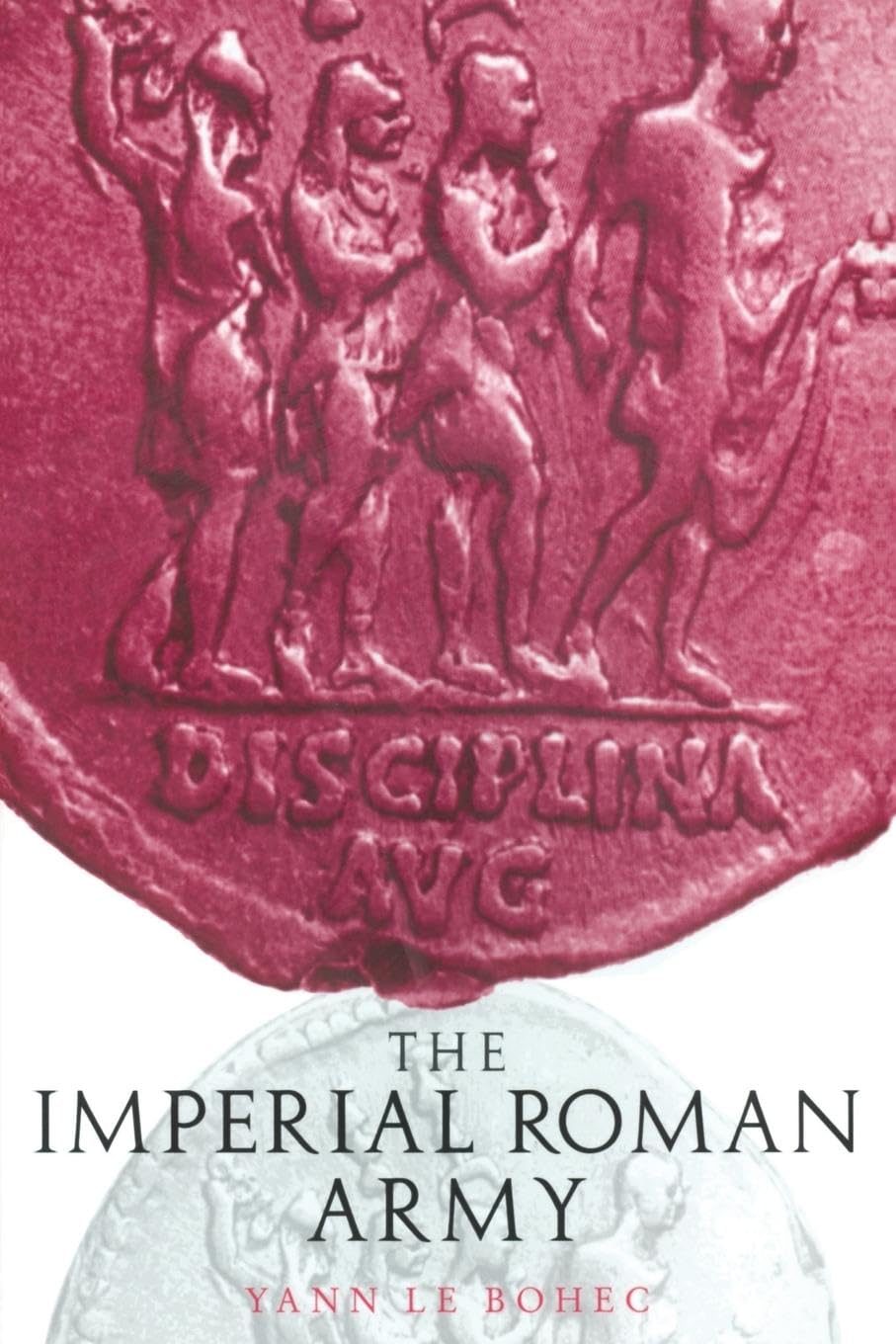
Yann Le Bohec’s “The Imperial Roman Army” (1989) is a sweeping, detailed, and authoritative account of the Roman military during the Empire’s most formative and enduring centuries. Originally published in French and translated into English in 1994, the book quickly became a cornerstone of Roman military studies. Rather than focusing solely on battlefield exploits or…
-
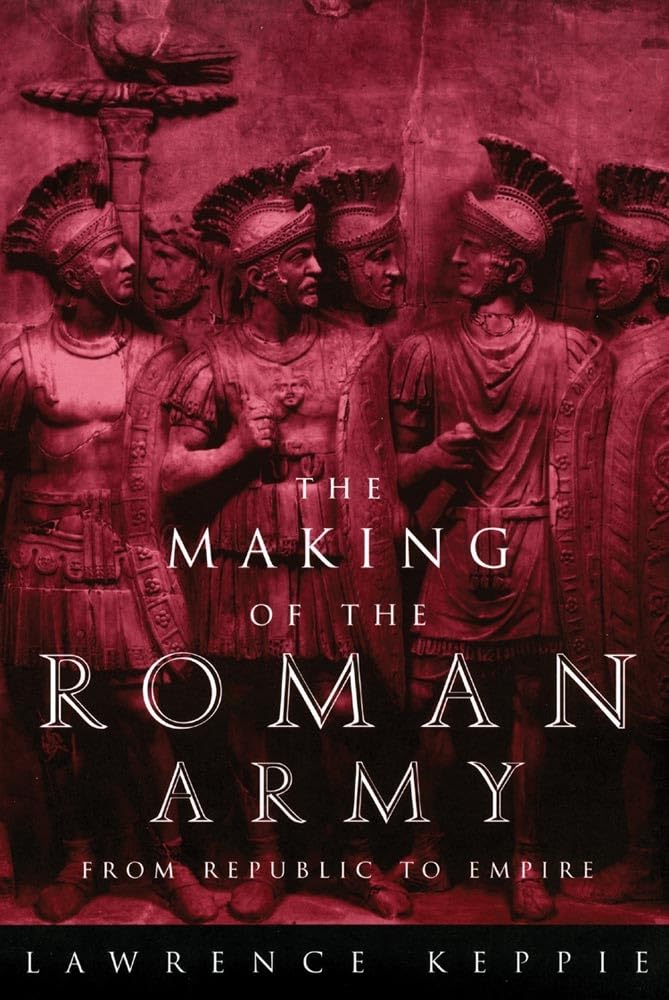
Lawrence Keppie’s “The Making of the Roman Army: From Republic to Empire” (1984) is an informed, well-structured study of one of the most formidable and influential military institutions in world history. From the rudimentary levy-based militias of early Rome to the professionalized, standing legions of the imperial era, Keppie traces the evolution of the Roman…
-

Stephen Peter Rosen’s “Winning the Next War: Innovation and the Modern Military” (1991) came out just when the idea of a Revolution in Military Affairs (RMA) was coming into vogue in defence policy circles. It is one of the most influential books I’ve ever read. I discovered it my first year in graduate school at…
-
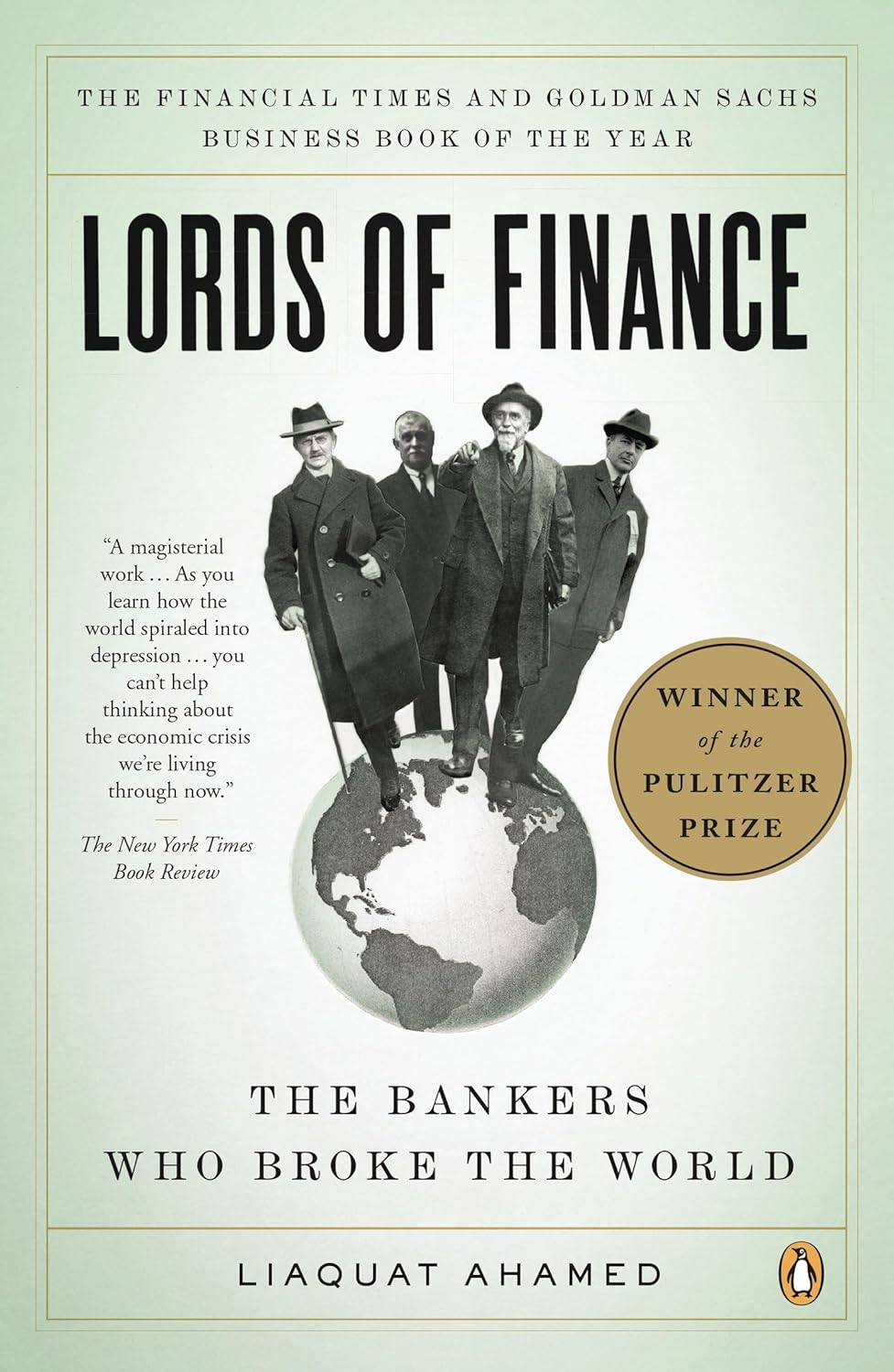
Liaquat Ahamed’s Pulitzer Prize-winning book, “Lords of Finance: The Bankers Who Broke the World” (2009), is a masterfully written and deeply insightful narrative of the economic and political turbulence that defined the early twentieth century. With the precision of a historian and the storytelling flair of a novelist, Ahamed traces the actions and missteps of…
-

Robert Remini’s Andrew Jackson and the Bank War (1967) is a real gem of a book. I can’t recommend it highly enough. It offers a brilliant account of one of the most consequential and contentious episodes in early American political and economic history. First published in 1967, this work continues to resonate not just as…
-
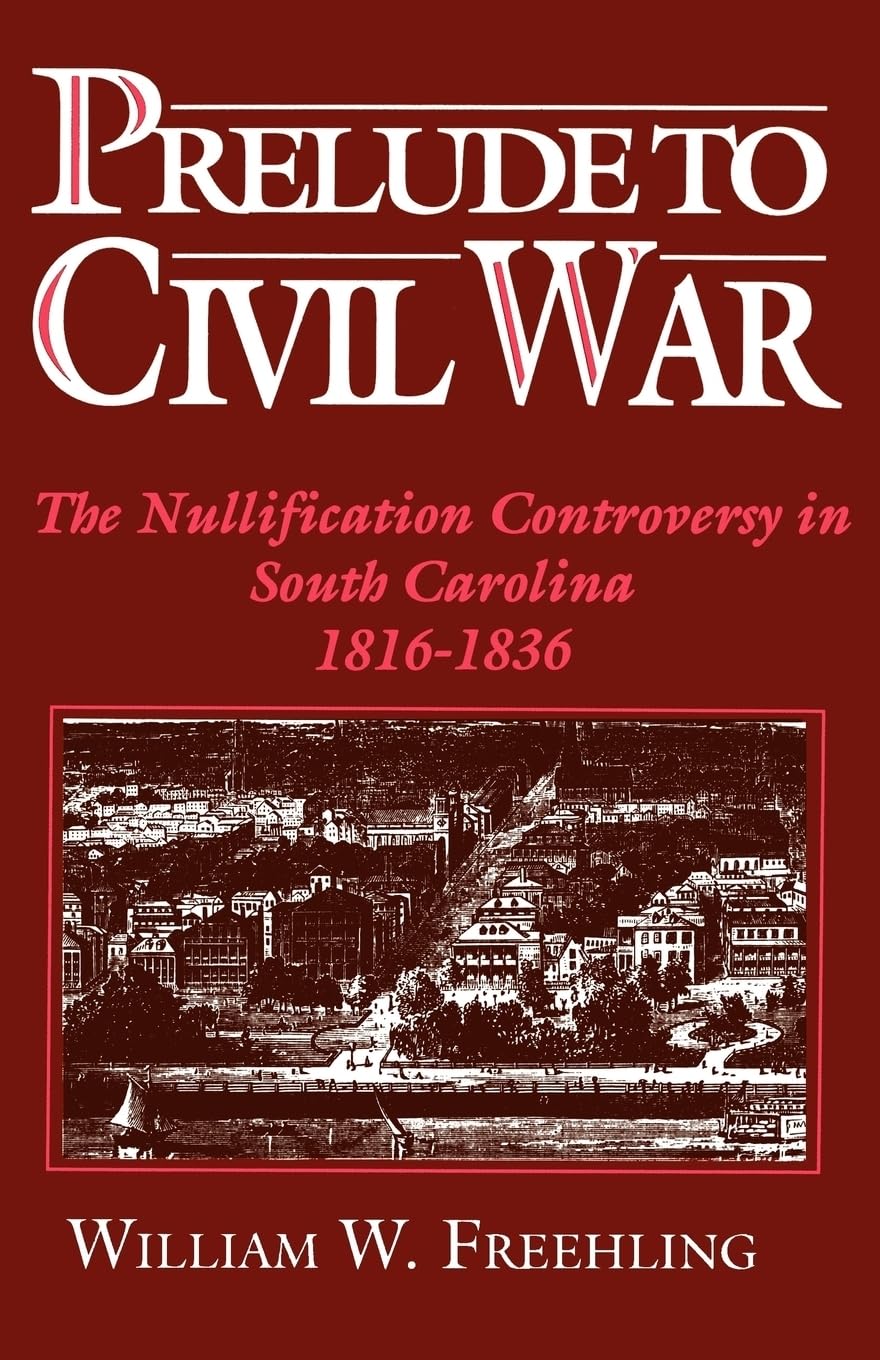
William W. Freehling’s Prelude to Civil War: The Nullification Controversy in South Carolina, 1816-1836 (1965) by William W. Freehling (1965) remains a foundational text in the study of antebellum American political development. In fewer than two hundred pages, Freehling delivers a penetrating and nuanced examination of one of the most consequential constitutional and political showdowns…
 What's Tim Reading Now?