All Posts
Collected reviews from decades of reading — organized by subject and written for clarity, context, and long-term reference.
Categories
- Afghanistan (5)
- Africa (3)
- Age of Discovery (14)
- American Revolution (25)
- Ancient Greece (10)
- Ancient Rome (1)
- Anglo-German Naval Competition (8)
- Anthropology (3)
- Artists (12)
- British History (15)
- Business Books (16)
- Business Greats (12)
- Central Banking (7)
- China (1)
- Cold War Era (19)
- Colonial America (24)
- Commodities (10)
- Corporate Biography (11)
- Counter Insurgency (6)
- Cuba (1)
- Disease (9)
- Early Modern Europe (7)
- Early Republic (13)
- Economic Development (12)
- Economics (17)
- French Revolution (8)
- Great Depression (6)
- Great Projects (9)
- Great Writers (4)
- Industrial Revolution (14)
- Iranian Revolution (3)
- Italian Renaissance (25)
- Jacksonian America (4)
- Korea (1)
- Middle Ages (4)
- Middle East (5)
- Military Innovation (20)
- Napoleon (3)
- Philosophy (3)
- Pop History (28)
- Progressive Era (8)
- Republican Rome (16)
- Roman Empire (23)
- Russian History (5)
- Russian Revolution (3)
- Sri Lanka (3)
- The Gilded Age (4)
- U.S. Civil War (7)
- U.S. Presidents (14)
- Vietnam (8)
- World War I (6)
- World War II (9)
-

Kim MacQuarrie’s The Last Days of the Incas (2006) is a riveting account of conquest and discovery. The book recounts the almost unimaginable story of how Francisco Pizarro subdued a native empire of some ten million people with just 168 conquistadors and a handful of horses. Equally fascinating is MacQuarrie’s chronicle of the twentieth-century rediscovery…
-

Sidney W. Mintz’s Sweetness and Power (1985) is widely regarded as a classic in cultural history and economic anthropology, not because it tells an engaging and sweeping political story, but because it takes something as seemingly ordinary as sugar and uses it to illuminate the foundations of the modern world. Where other historians have traced…
-

by John Stuart Mill (Author), David Bromwich (Editor), George Kateb (Editor) John Stuart Mill’s On Liberty (1859) remains one of the foundational texts of modern liberal thought, articulating a defense of individual freedom against the encroachment of state authority and, even more importantly, social conformity. It may be the single most influential piece of philosophy I’ve ever read. Its central argument…
-
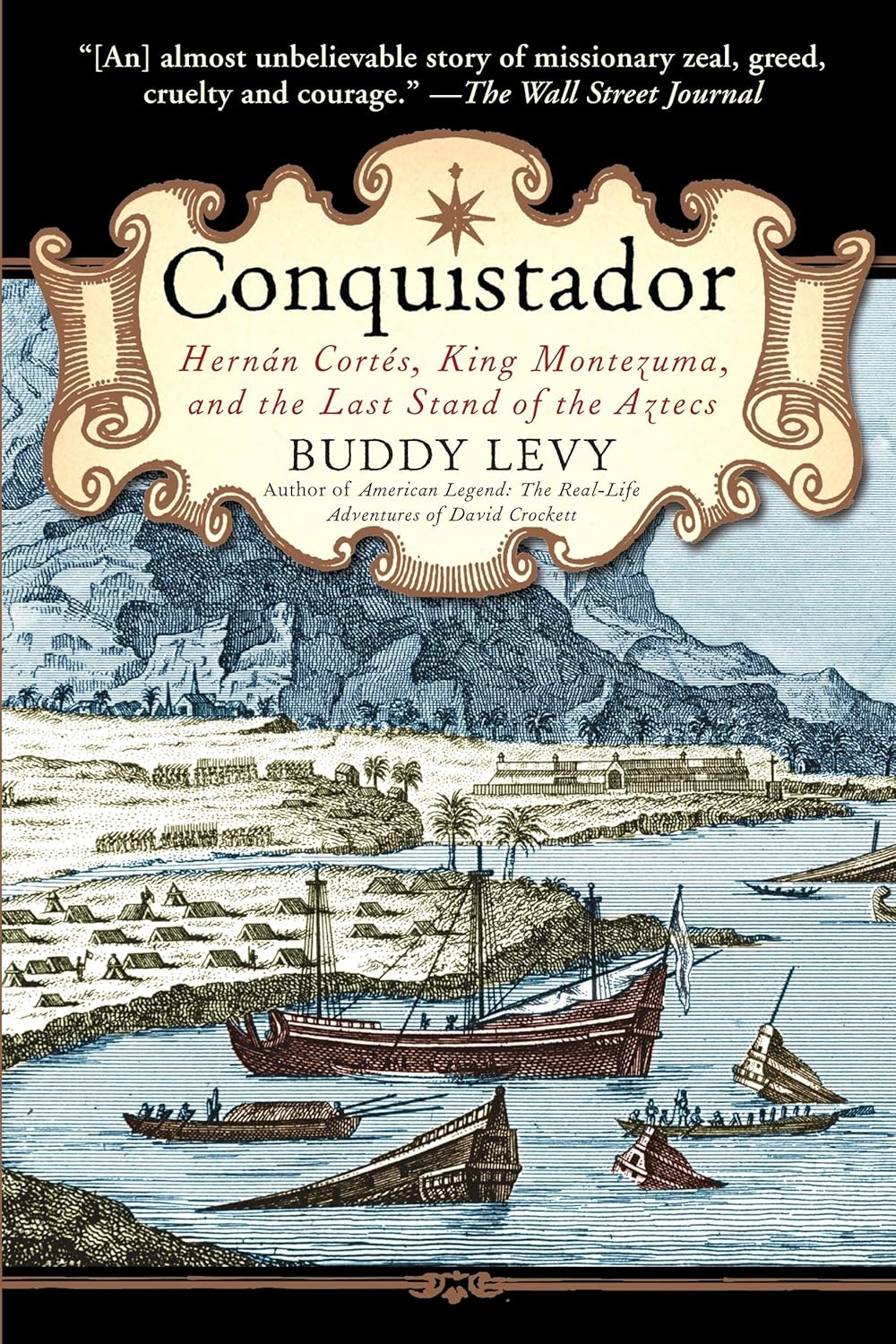
“Conquistador: Hernán Cortés, King Montezuma, and the Last Stand of the Aztecs” (2008) by Buddy Levy may seem an unlikely work from an English professor at Washington State University, yet it delivers with striking success. Levy brings to life one of the most astonishing and tragic episodes in world history – the Spanish conquest of…
-
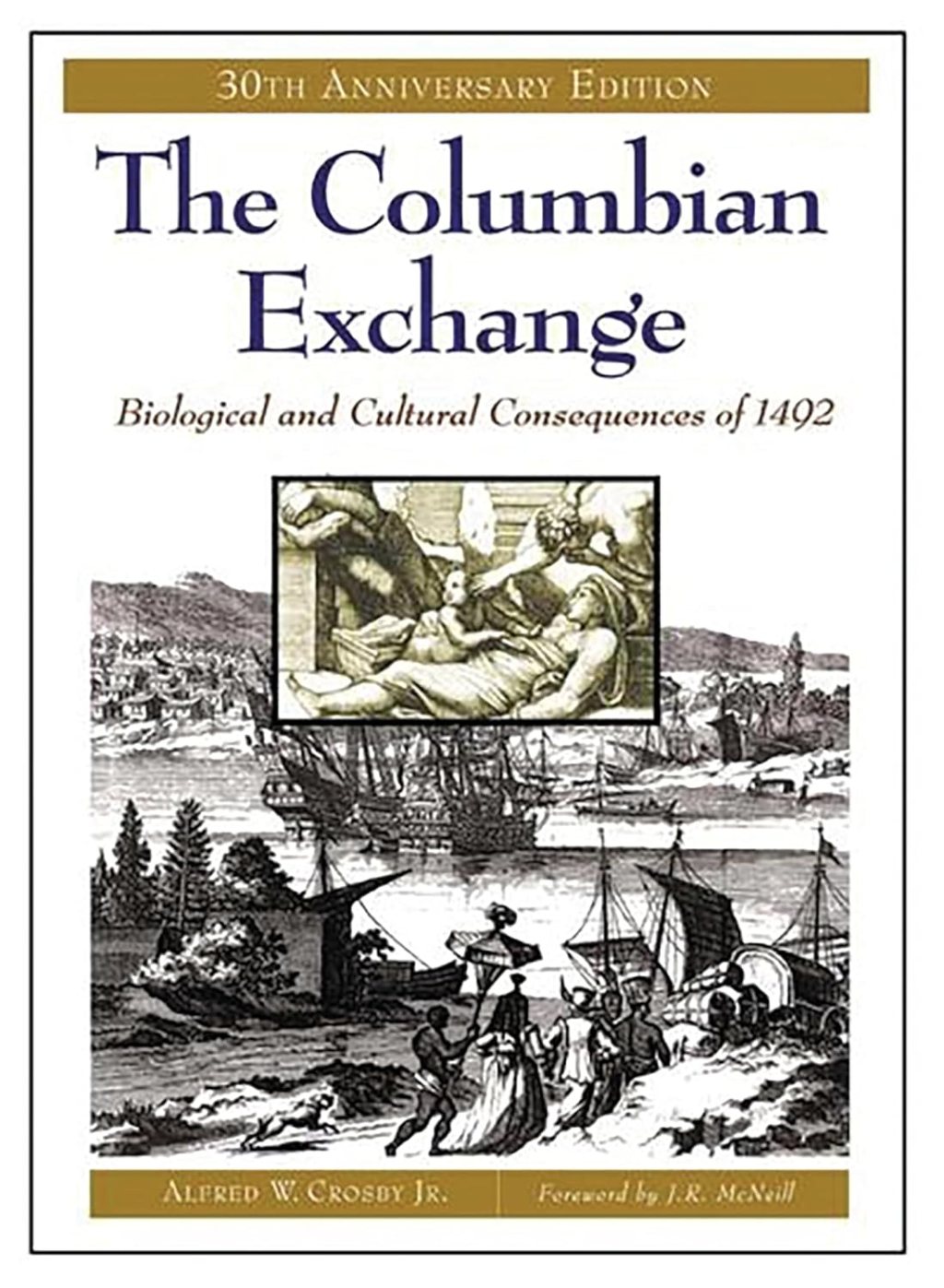
Arthur Crosby’s unassuming little book “The Columbian Exchange: Biological and Cultural Consequences of 1492” (1972) is actually one of the most important works of historical scholarship of the twentieth century. It launched a field of study, altered a paradigm, and continues to shape the way we think about global history. It ultimately spawned a Pulitzer…
-

When Jared Diamond’s Pulitzer Prize-winning history “Guns, Germs and Steel” came out in 1997 it made quite a splash. “1491: New Revelations of the Americas Before Columbus” by Charles Mann appeared less than a decade later in 2005. Diamond’s and Mann’s core arguments partly support each other – both stress that Old World diseases decimated…
-
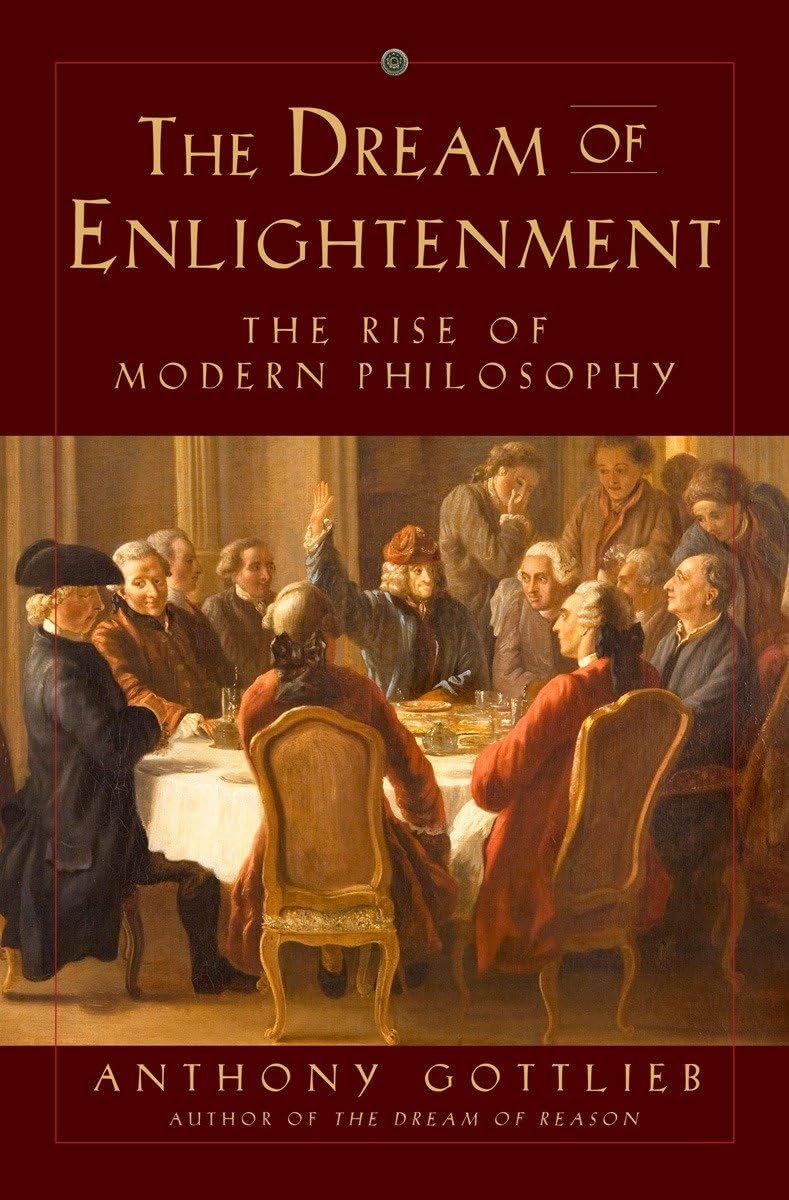
Anthony Gottlieb claims that the foundations of western philosophy were created in two “staccoto bursts” of 150 years each separated by nearly two millenia. “The Dream of Reason” (2000) covered the first burst centered on Athens from the middle of the fifth century to the late fourth century BC. “The Dream of Enlightenment: The Rise…
-
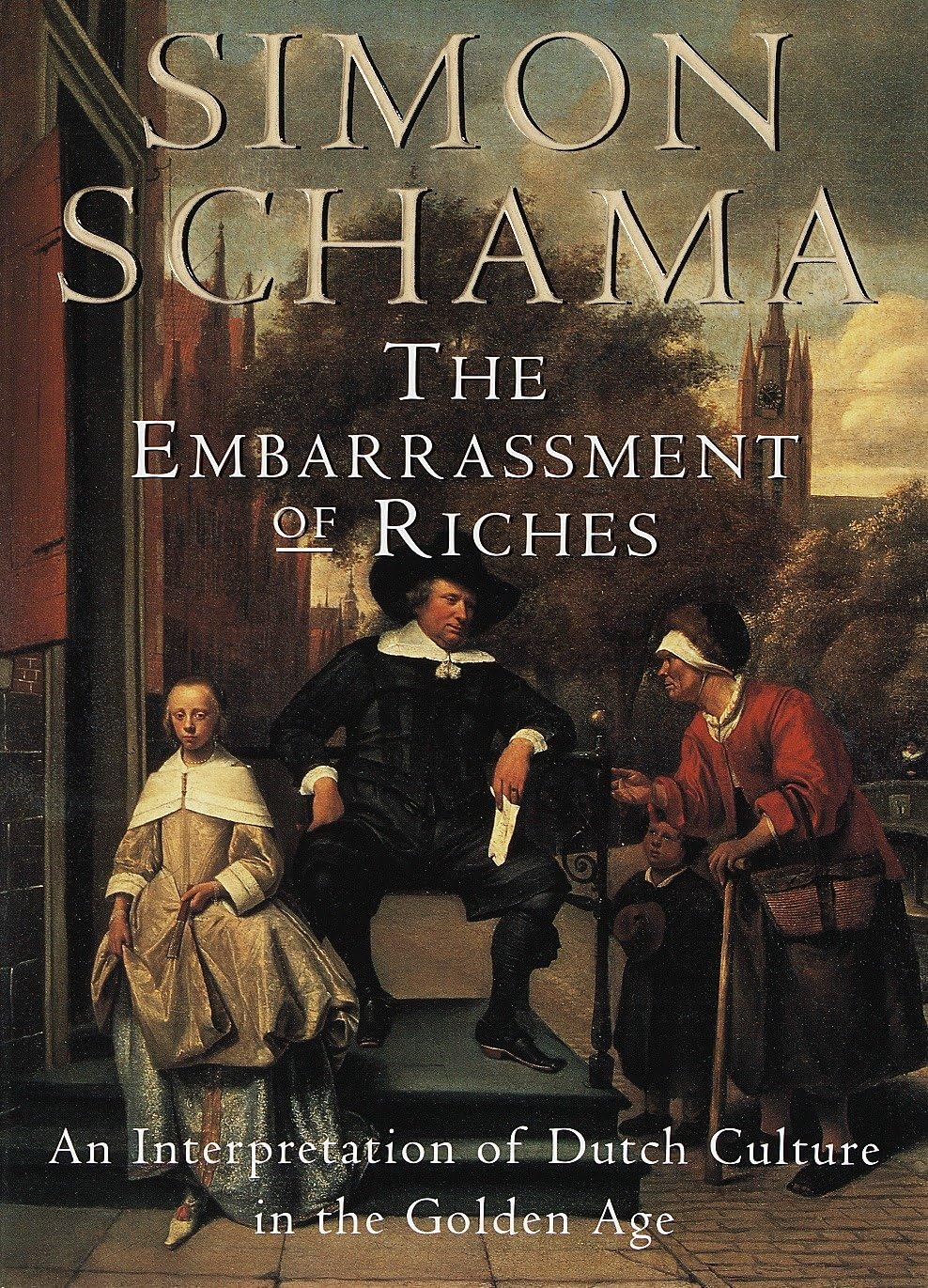
“Citizens: A Chronicle of the French Revolution” (1989) was the first book I ever read by Simon Schama. It was sometime around 2008. I was mesmerized; I could hardly put it down. It seemed as though I had just found a new favorite historical writer, someone as graceful and penetrating as Robert Massie. I immediately…
-

“The World the Plague Made: The Black Death and the Rise of Europe” (2022), by New Zealand historian James Belich – co-founder of Oxford’s Centre for Global History – is a bold, sweeping, and revisionist exploration of how a medieval catastrophe transformed the fate of an entire continent. In nearly 500 pages, Belich’s argument ranges…
 What's Tim Reading Now?