All Posts
Collected reviews from decades of reading — organized by subject and written for clarity, context, and long-term reference.
Categories
- Afghanistan (5)
- Africa (3)
- Age of Discovery (14)
- American Revolution (25)
- Ancient Greece (10)
- Ancient Rome (1)
- Anglo-German Naval Competition (8)
- Anthropology (3)
- Artists (12)
- British History (15)
- Business Books (16)
- Business Greats (12)
- Central Banking (7)
- China (1)
- Cold War Era (19)
- Colonial America (24)
- Commodities (10)
- Corporate Biography (11)
- Counter Insurgency (6)
- Cuba (1)
- Disease (9)
- Early Modern Europe (7)
- Early Republic (13)
- Economic Development (12)
- Economics (17)
- French Revolution (8)
- Great Depression (6)
- Great Projects (9)
- Great Writers (4)
- Industrial Revolution (14)
- Iranian Revolution (3)
- Italian Renaissance (25)
- Jacksonian America (4)
- Korea (1)
- Middle Ages (4)
- Middle East (5)
- Military Innovation (20)
- Napoleon (3)
- Philosophy (3)
- Pop History (28)
- Progressive Era (8)
- Republican Rome (16)
- Roman Empire (23)
- Russian History (5)
- Russian Revolution (3)
- Sri Lanka (3)
- The Gilded Age (4)
- U.S. Civil War (7)
- U.S. Presidents (14)
- Vietnam (8)
- World War I (6)
- World War II (9)
-

John Steinbeck is arguably the greatest American novelist of the twentieth century. In “John Steinbeck: A Biography,” the great author’s life and times are dramatically chronicled by the magnificent (although sometimes pretentious) Jay Parini, a writer and professor of literature at Middlebury College in Vermont. I picked up “John Steinbeck” immediately after reading Parini’s deft…
-

Arthur Schlesinger Jr. is one of the more celebrated American historians of the twentieth century, having won two Pulitzer Prizes while teaching at Harvard for many decades. He also had meaningful and relevant stints in government, first as an intelligence officer in the Office of Strategic Services during World War II and then as a…
-
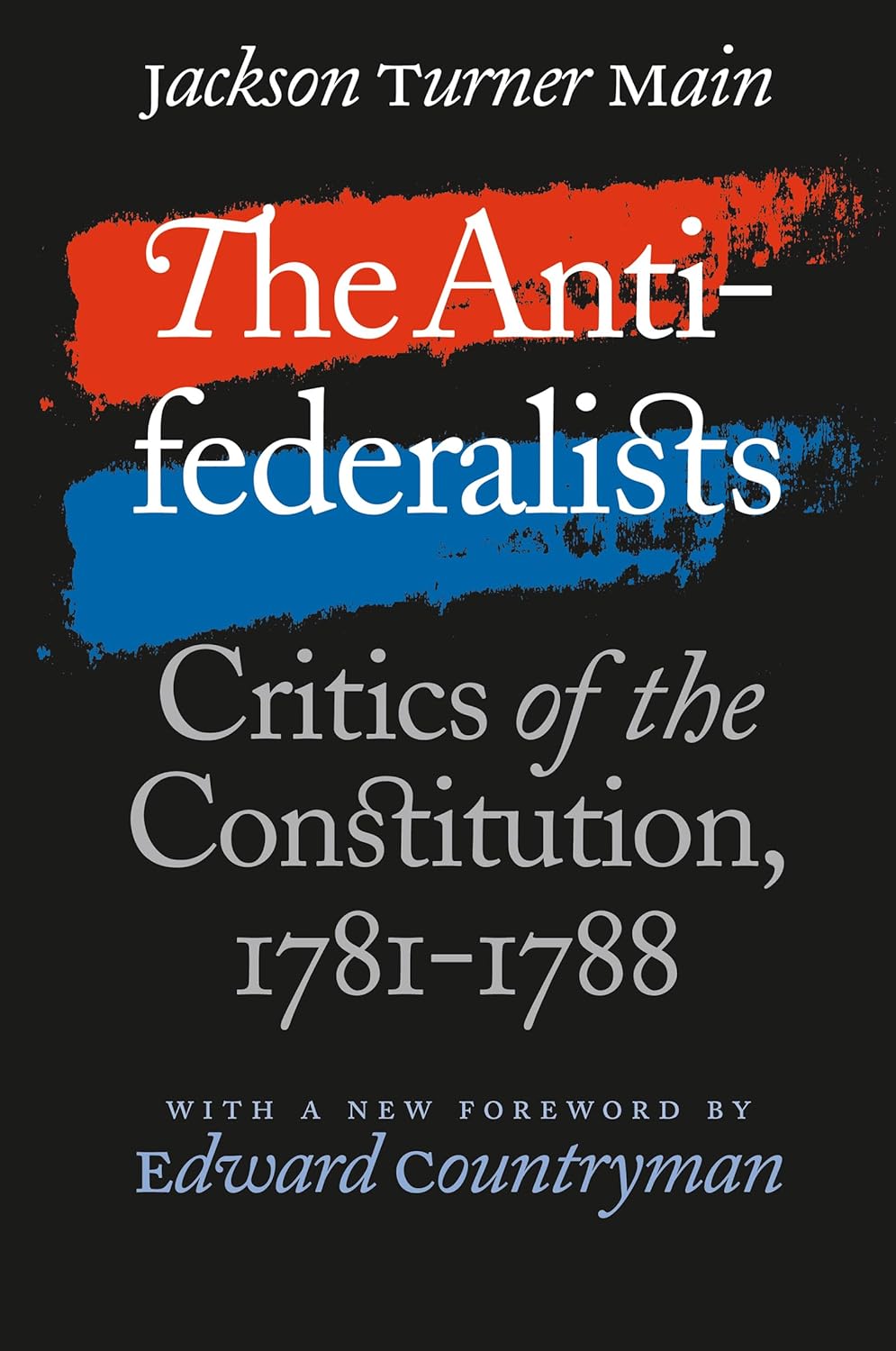
It is astounding that the United States Constitution has survived 235 years. No doubt the Founding Fathers would find the powers of the modern American presidency and the extensive system of federal taxation terrifying, but overall I think they’d be impressed and proud to see how well their handiwork has stood up over the centuries.…
-
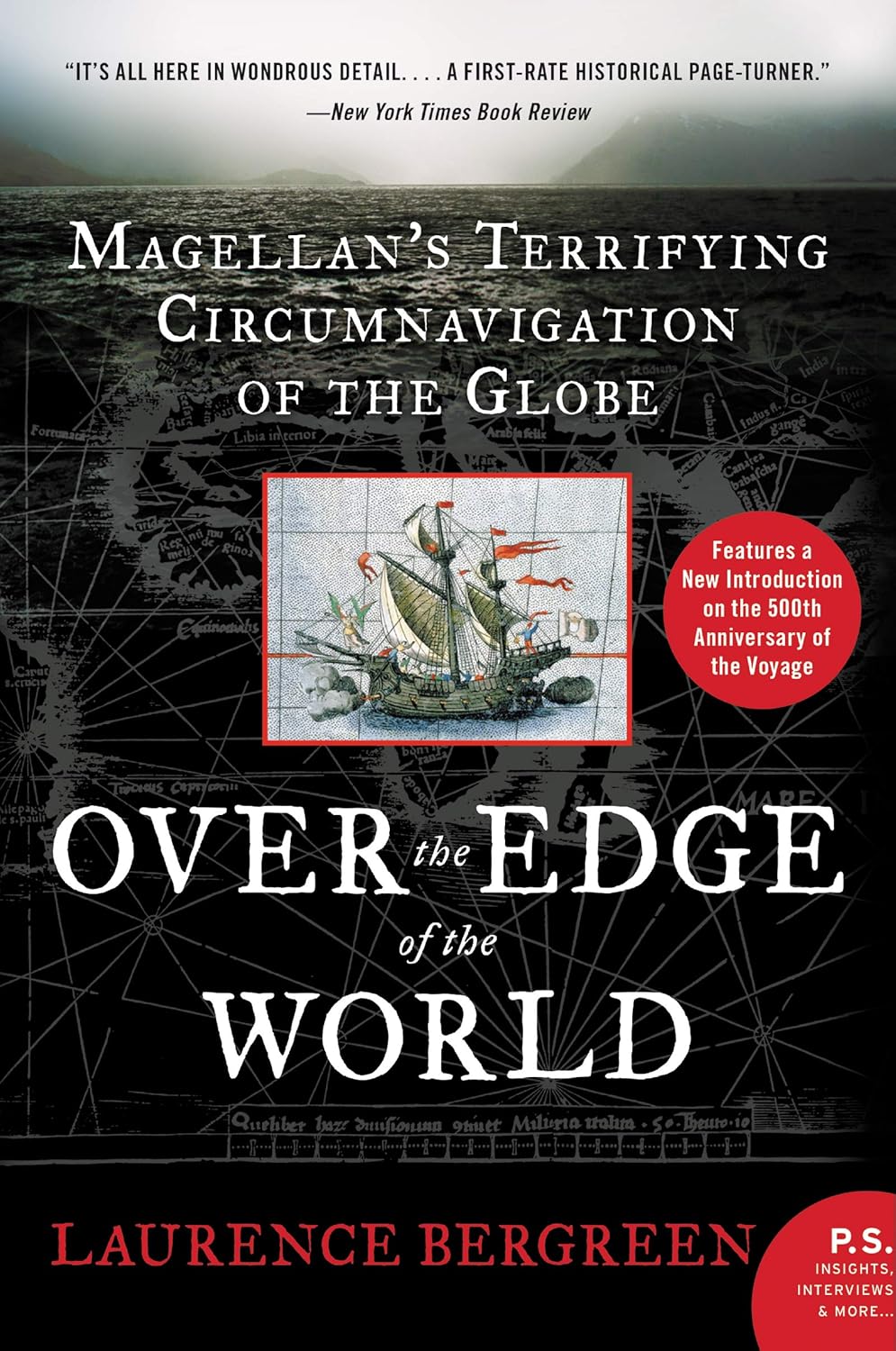
This book blew my mind. I don’t think “Over the Edge of the World: Magellan’s Terrifying Circumnavigation of the Globe” by Laurence Bergreen won any major awards or made any notable bestseller lists, and that’s a shame because it’s fantastic. I found my copy in a box at a flea market in eastern North Carolina.…
-

There haven’t been many men like Howard Hughes, and I suppose that’s why he is the subject of a nearly 700-page biography. “Howard Hughes: His Life and Madness” by Donald Barlett and James Steele, first published just a few years after the famed industrialist’s death in 1976, is a sweeping, often plodding, and generally critical…
-
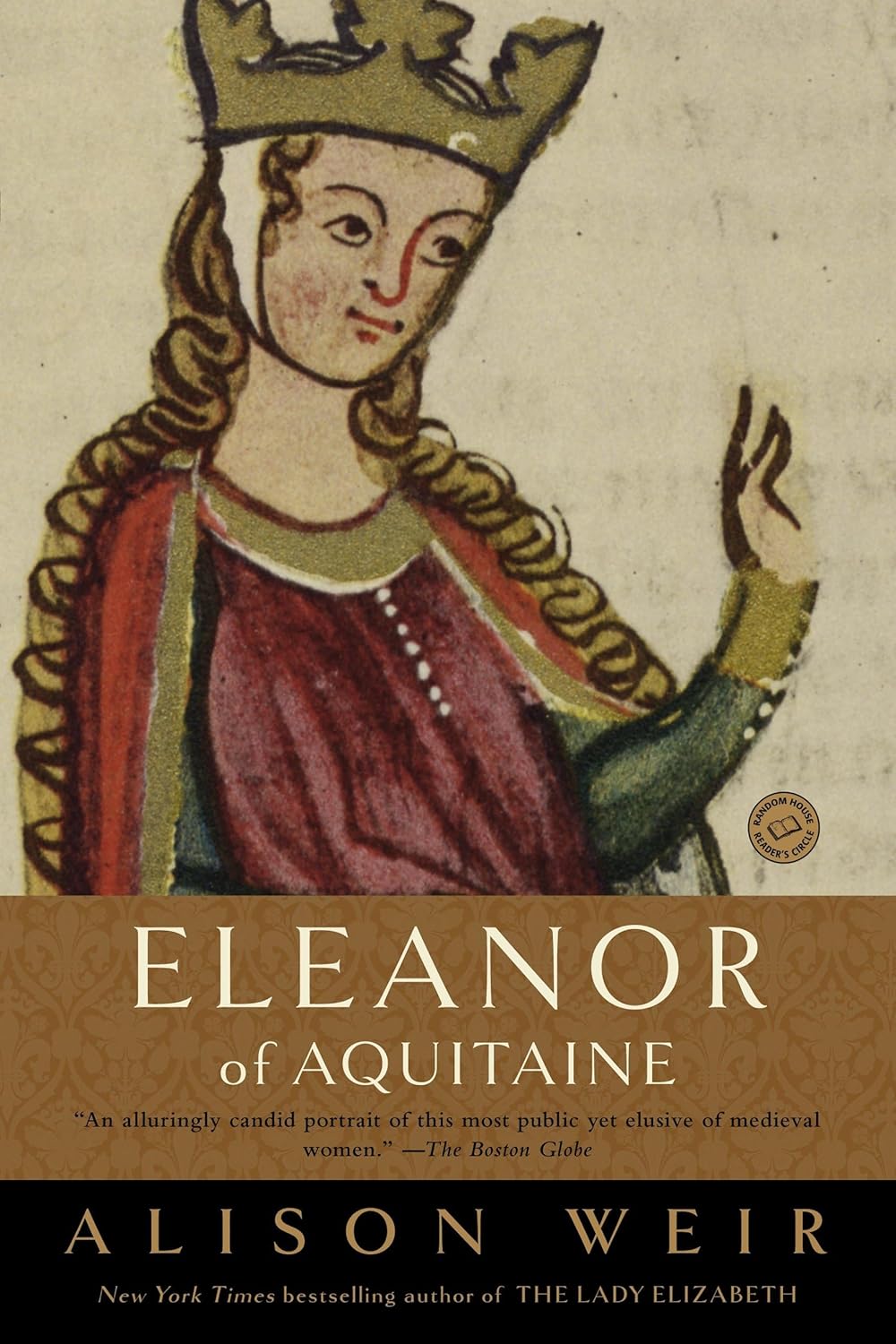
Nobody writes about early English history better than Alison Weir. Her book “The Six Wives of Henry the Eighth” (1991) is one of my all-time favorites. I picked up “Eleanor of Aquitaine” (1999) for the simple reason it was written by Alison Weir. I knew next to nothing about Eleanor before reading this book, not…
-
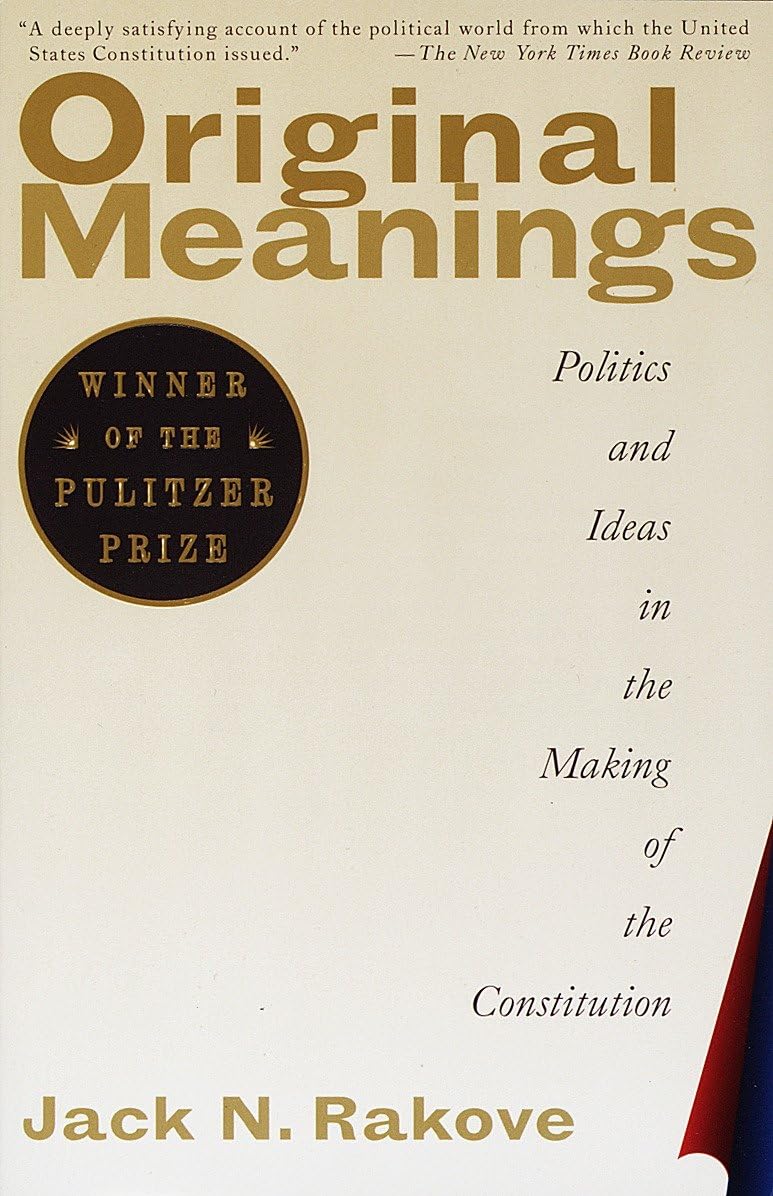
“Original Meanings: Politics and Ideas in the Making of the Constitution” by Jack Rakove is one of the most challenging books I’ve ever read. Normally, I plow through books like this in a week or two. I found that I could only read “Original Meanings” for maybe six to ten pages before my eyes glazed…
-

Laura Hillenbrand sure knows how to pick a story to tell. I think she’s only published two books in the past twenty years – “Seabiscuit” (1999) and “Unbroken” (2010) – but both have been mindboggling hits, selling over 13 million copies worldwide. However, reading “Unbroken: A World War II Story of Survival, Resilience, and Redemption,”…
-
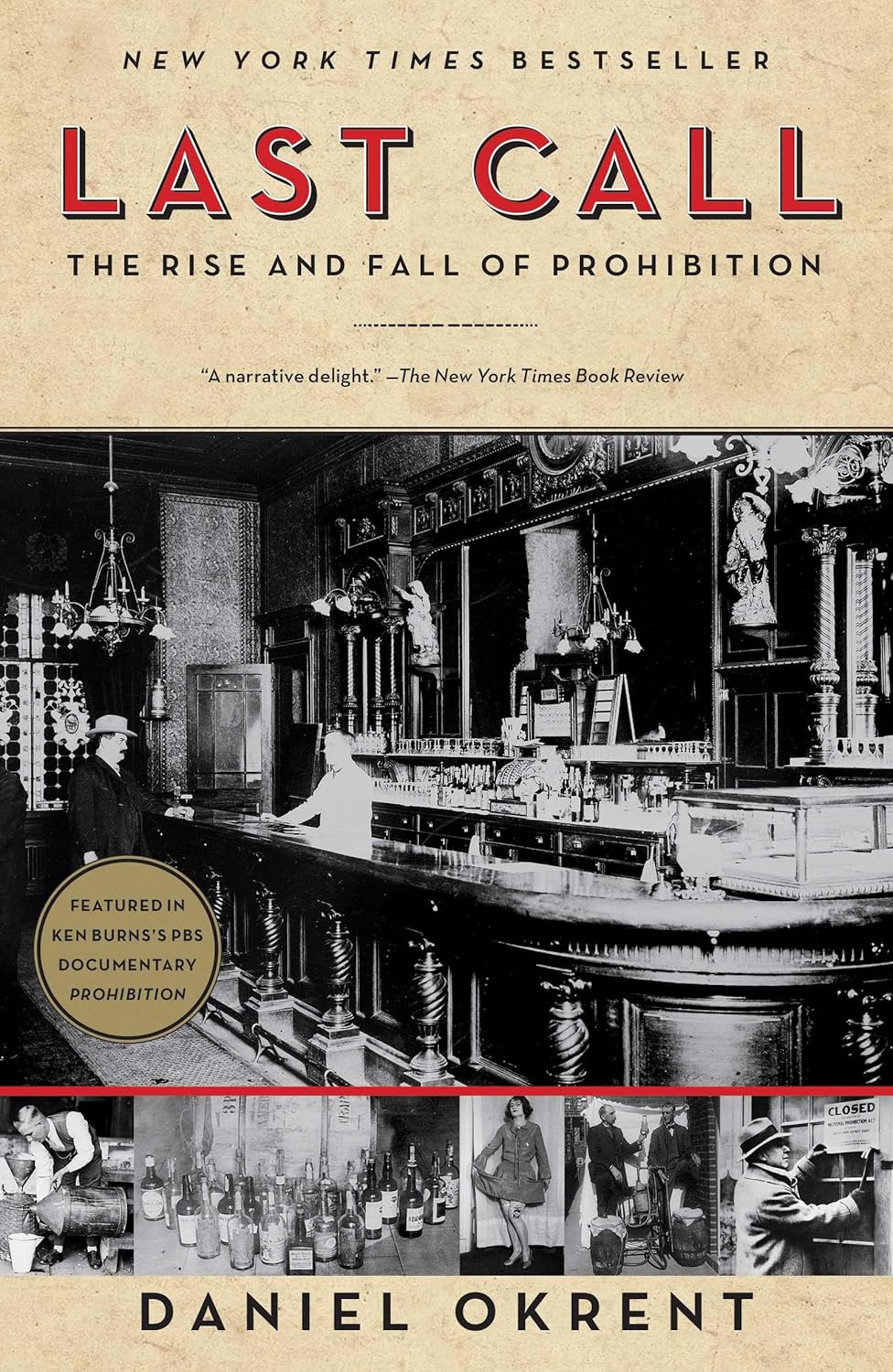
The United States Constitution prohibits the federal government from doing a lot of things. However, over the past 235 years it has only spelled out two things that citizens cannot do: own slaves (13th Amendment) and purchase alcohol (18th Amendment). Author Daniel Okrent tells the fascinating story behind the passage of the 18th Amendment and…
 What's Tim Reading Now?