All Posts
Collected reviews from decades of reading — organized by subject and written for clarity, context, and long-term reference.
Categories
- A Very Short Introduction (4)
- Afghanistan (5)
- Africa (3)
- Age of Discovery (14)
- American Revolution (29)
- Ancient Greece (11)
- Ancient Rome (2)
- Anglo-German Naval Competition (8)
- Anthropology (3)
- Art History (6)
- Artists (16)
- British History (16)
- Business Books (19)
- Business Greats (12)
- Central Banking (8)
- China (1)
- Cold War Era (19)
- Colonial America (25)
- Commodities (10)
- Corporate Biography (11)
- Counter Insurgency (6)
- Cuba (1)
- Disease (9)
- Early Modern Europe (8)
- Early Republic (21)
- Economic Development (12)
- Economics (17)
- French Revolution (8)
- Great Depression (6)
- Great Projects (9)
- Great Writers (4)
- Industrial Revolution (14)
- Iranian Revolution (4)
- Italian Renaissance (27)
- Jacksonian America (4)
- Korea (1)
- Middle Ages (4)
- Middle East (5)
- Military Innovation (20)
- Napoleon (3)
- Philosophy (4)
- Pop History (32)
- Progressive Era (8)
- Republican Rome (16)
- Roman Empire (25)
- Russian History (5)
- Russian Revolution (3)
- Sri Lanka (3)
- The Gilded Age (4)
- U.S. Civil War (7)
- U.S. Presidents (16)
- Vietnam (8)
- World War I (6)
- World War II (10)
-
Behavioral economics has been all the rage among business types for well over a decade now. I was first introduced to the field in 2012 when my employer at the time, consumer software maker Intuit, hired behavioral economics pioneer Dan Ariely to consult with the company. As part of the process the company had us…
-
It’s often said that you shouldn’t judge a book by its cover. Over the years I’ve learned that you could say the same thing about its title. Consider the case of “Narconomics: How to Run a Drug Cartel” by longtime Economist reporter Tom Wainwright. It seems to me that there are four basic components to…
-
Today, Goldman Sachs sits unrivaled atop the world of international investment banking. That hasn’t always been the case. In fact, for much of the firm’s 150-year existence Goldman Sachs has been a relatively small and inconsequential second-tier player on Wall Street. So what happened? That is what I was hoping to find out when I…
-
In 1879 Dr. James Murray, editor in chief of the Oxford English Dictionary (OED), published an open invitation calling for volunteers to read rare books and collect quotations for use in the dictionary. Thousands of participants signed up. It was a sort of nineteenth century form of Wikipedia. The dictionary would take many decades to…
-

What accounts for stupendous success in life? Is it talent or luck or hard work? It’s probably a combination of all three, according to Malcolm Gladwell in his 2008 bestseller, “Outliers: The Story of Success.” Gladwell lumps the reasons for success into three broad buckets. First is “luck” or perhaps what we today might call…
-
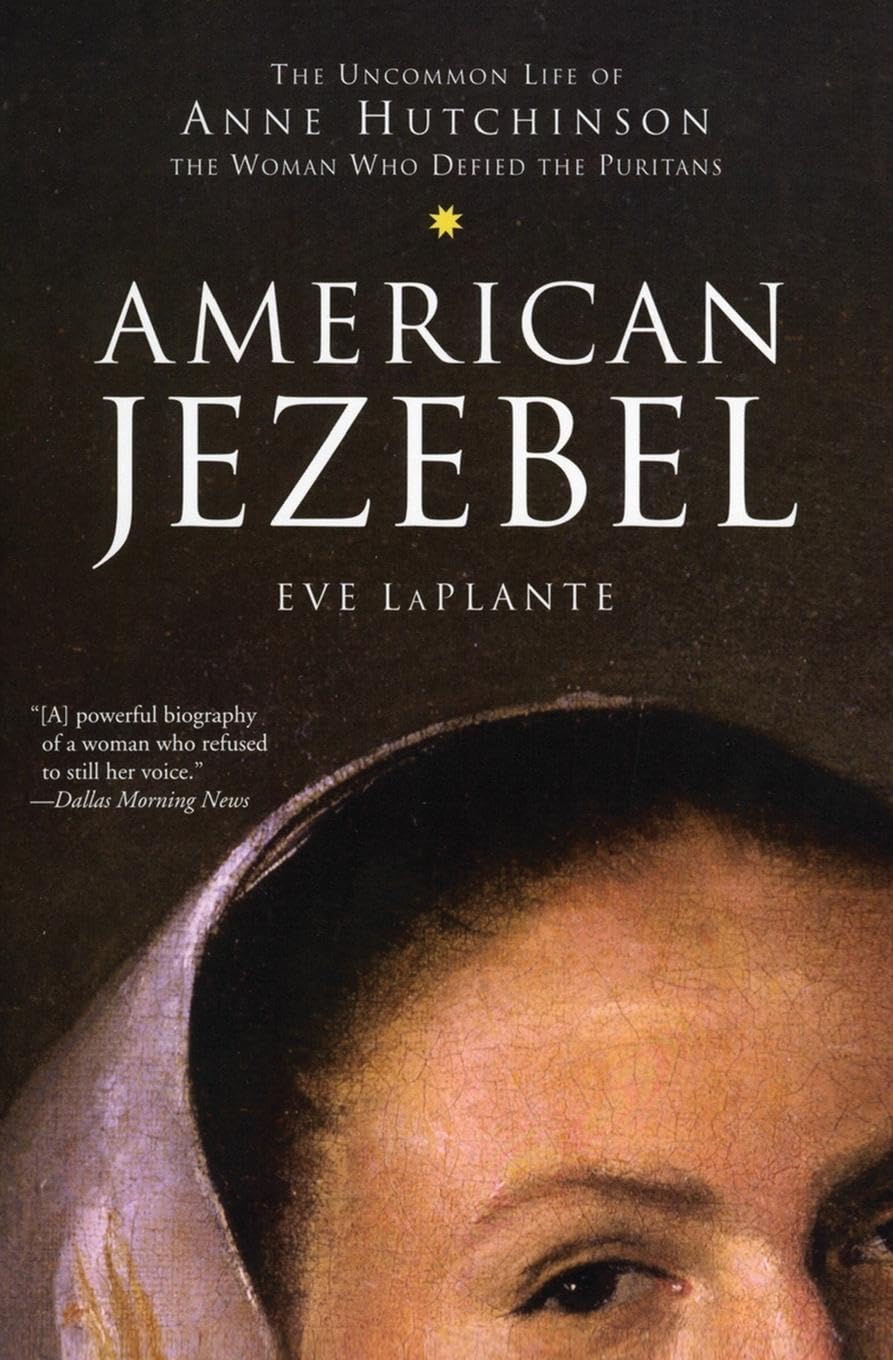
Freedom of speech has arguably never been more important in America than it is right now in 2022. The issue has been shaping us from the moment European colonists arrived on American shores in the early seventeenth century. The legendary case of outspoken Boston Puritan Anne Hutchinson resonates today for a variety of reasons. “American…
-
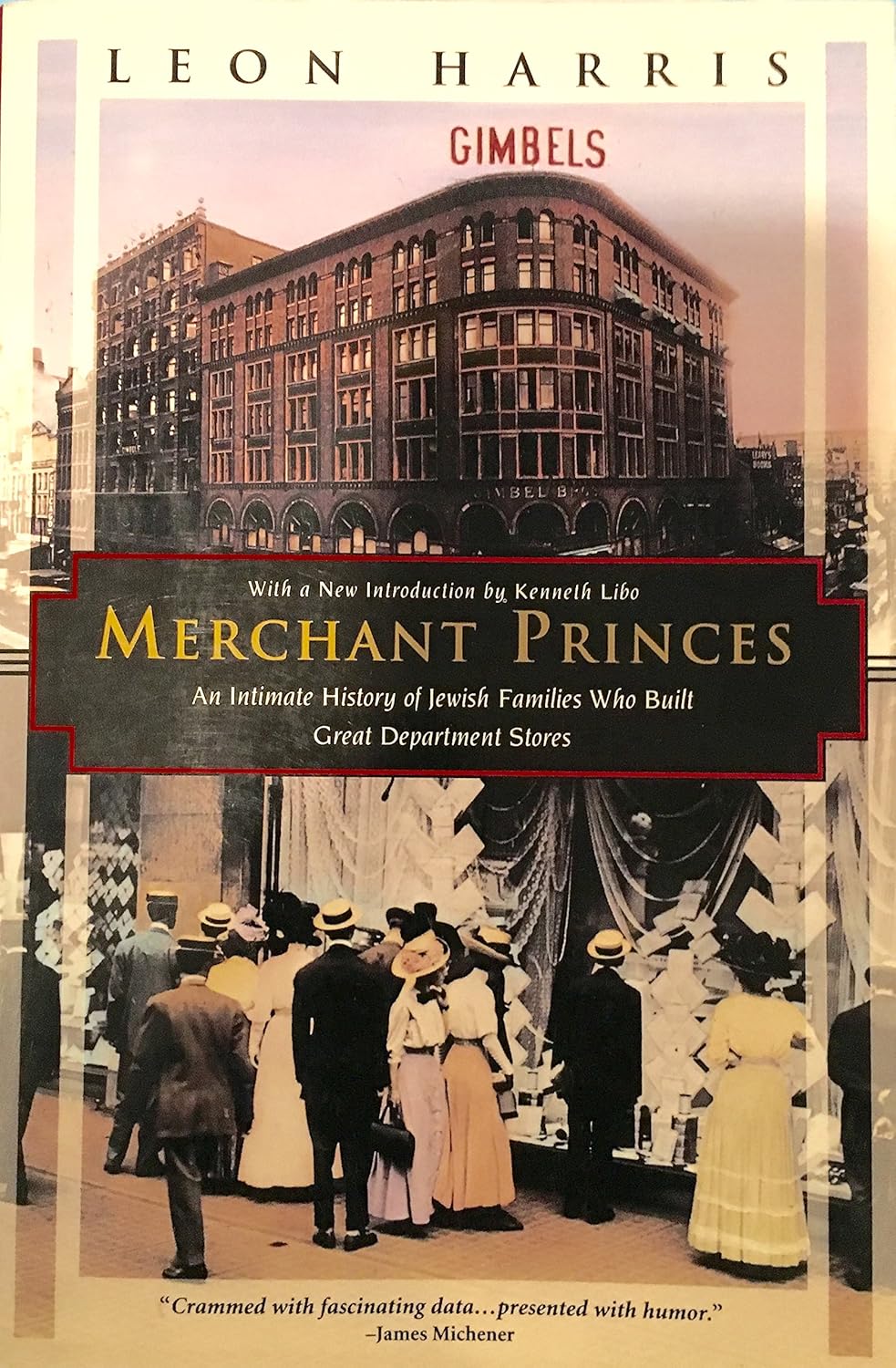
“Merchant Princes” is one of Malcolm Gladwell’s all-time favorite books. During an appearance on the Tim Ferriss podcast, Gladwell noted that he loves this 1977 bestseller so much he often gives away copies to people he meets, especially if they’re Jewish. That is pretty high praise coming from one of my favorite non-fiction authors. I…
-
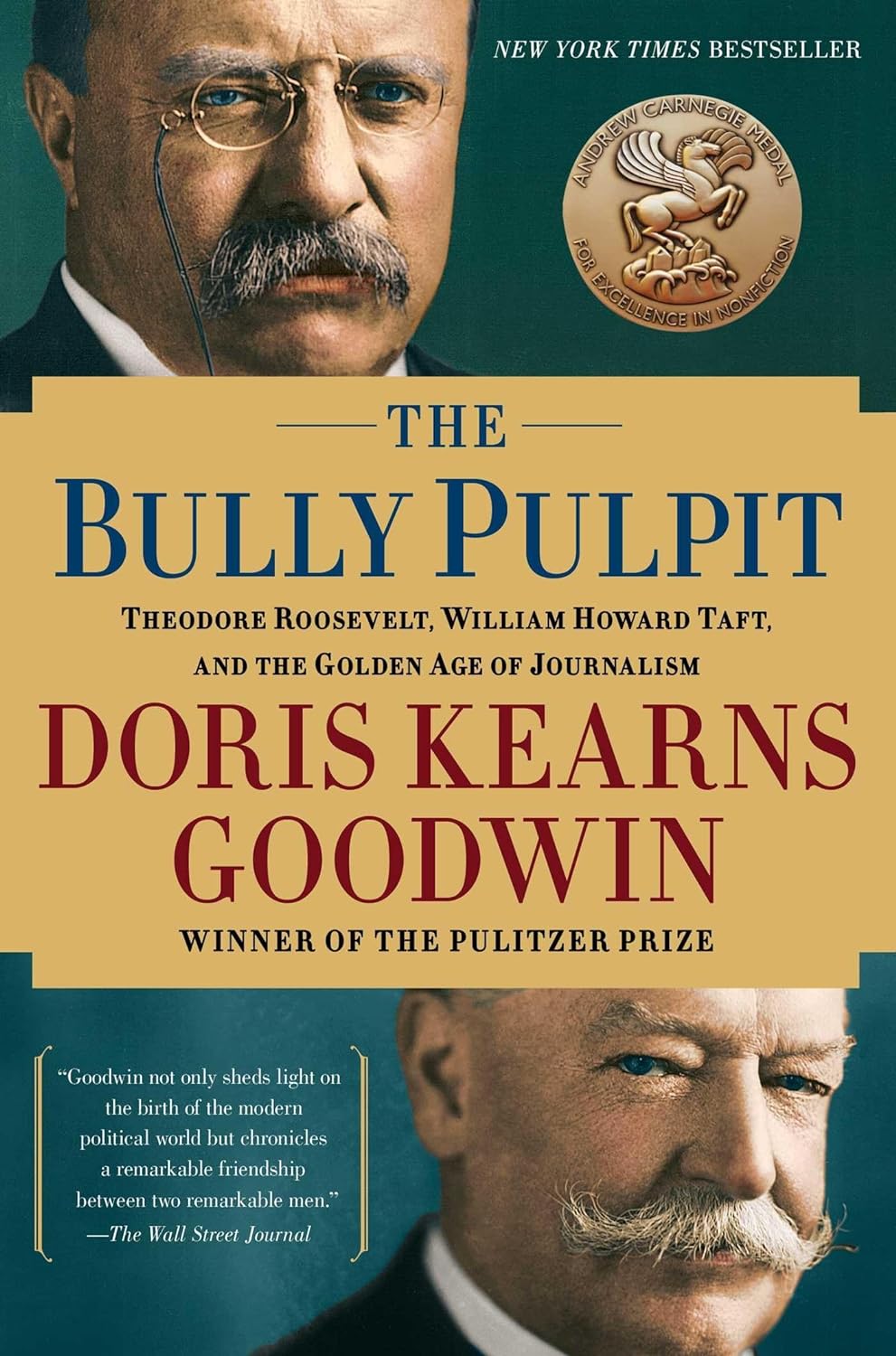
Teddy Roosevelt has long been a personal hero of mine. However, after reading Doris Kearns Goodwin’s 2013 bestseller, “The Bully Pulpit: Theodore Roosevelt, William Howard Taft, and the Golden Age of Journalism,” I now may be an even bigger fan of the jovial but largely misunderstood and now generally forgotten William Taft. As sometimes happens,…
-
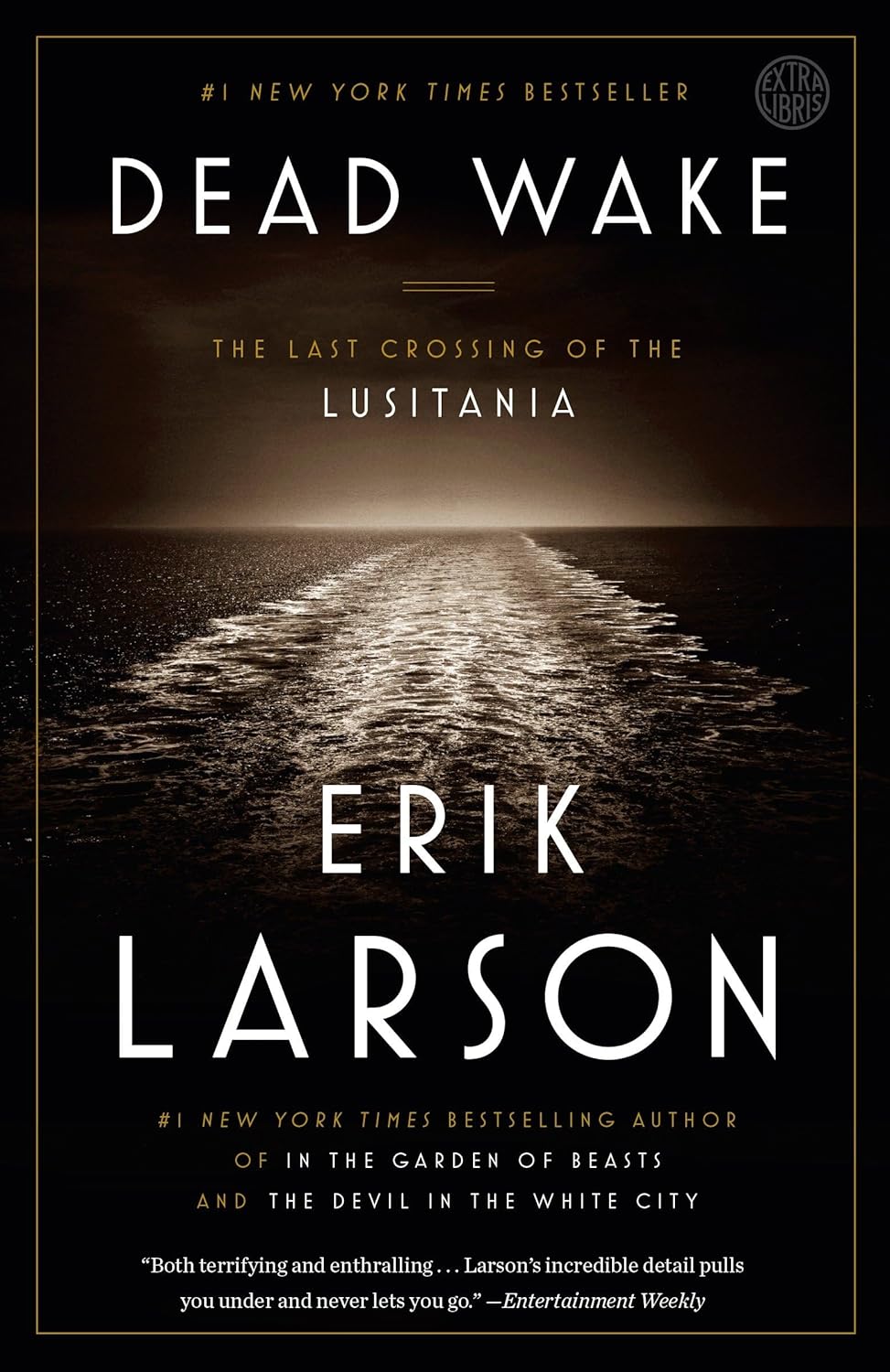
The sinking of the Cunard luxury liner Lusitania on May 7, 1915 is perhaps the most dramatic waypoint on America’s three-year long political and diplomatic journey before formal military intervention in the First World War. Bestselling author Erik Larson adds much texture and new detail to this familiar story in “Dead Wake: The Last Crossing…
 What's Tim Reading Now?