All Posts
Collected reviews from decades of reading — organized by subject and written for clarity, context, and long-term reference.
Categories
- A Very Short Introduction (4)
- Afghanistan (5)
- Africa (3)
- Age of Discovery (14)
- American Revolution (29)
- Ancient Greece (11)
- Ancient Rome (2)
- Anglo-German Naval Competition (8)
- Anthropology (3)
- Art History (6)
- Artists (16)
- British History (16)
- Business Books (19)
- Business Greats (12)
- Central Banking (8)
- China (1)
- Cold War Era (19)
- Colonial America (25)
- Commodities (10)
- Corporate Biography (11)
- Counter Insurgency (6)
- Cuba (1)
- Disease (9)
- Early Modern Europe (8)
- Early Republic (21)
- Economic Development (12)
- Economics (17)
- French Revolution (8)
- Great Depression (6)
- Great Projects (9)
- Great Writers (4)
- Industrial Revolution (14)
- Iranian Revolution (4)
- Italian Renaissance (27)
- Jacksonian America (4)
- Korea (1)
- Middle Ages (4)
- Middle East (5)
- Military Innovation (20)
- Napoleon (3)
- Philosophy (4)
- Pop History (32)
- Progressive Era (8)
- Republican Rome (16)
- Roman Empire (25)
- Russian History (5)
- Russian Revolution (3)
- Sri Lanka (3)
- The Gilded Age (4)
- U.S. Civil War (7)
- U.S. Presidents (16)
- Vietnam (8)
- World War I (6)
- World War II (10)
-

I first read “Upton and the Army” in the mid-1990s when I worked in national security and defense circles. The US military was wrestling with the implications of a new “Revolution in Military Affairs,” a dramatic and discontinuous change in military capabilities wrought by the Information Age. In the post Cold War environment, serious military…
-
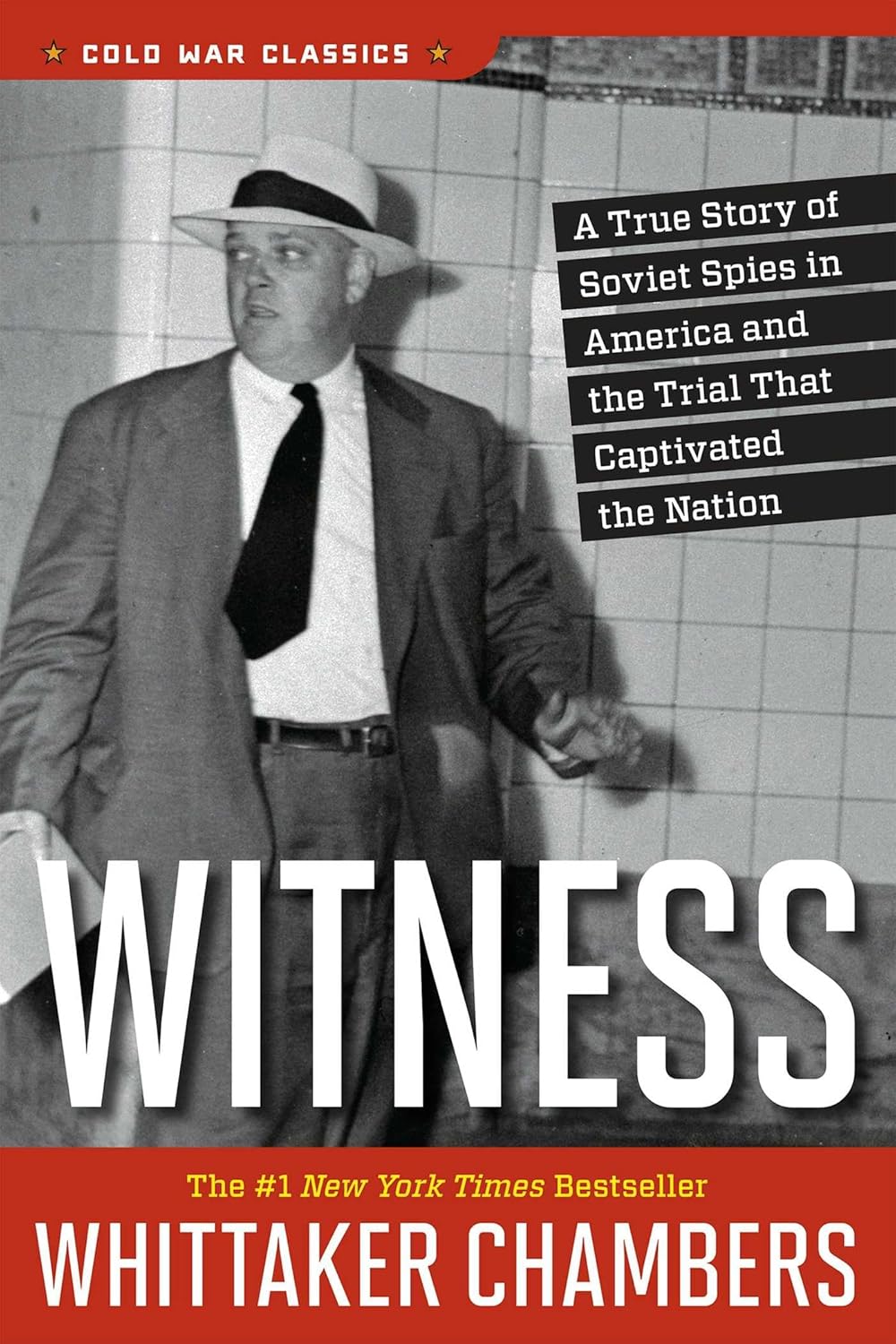
“Witness,” Whittaker Chambers’s classic autobiography, was first published in 1952 in the midst of the Red Scare known as McCarthyism. It dropped like a fifty-gallon drum of gasoline onto a bonfire. Chambers was a former Communist operative turned state’s witness. He was raised in a fractured family living in near poverty on Long Island. After…
-
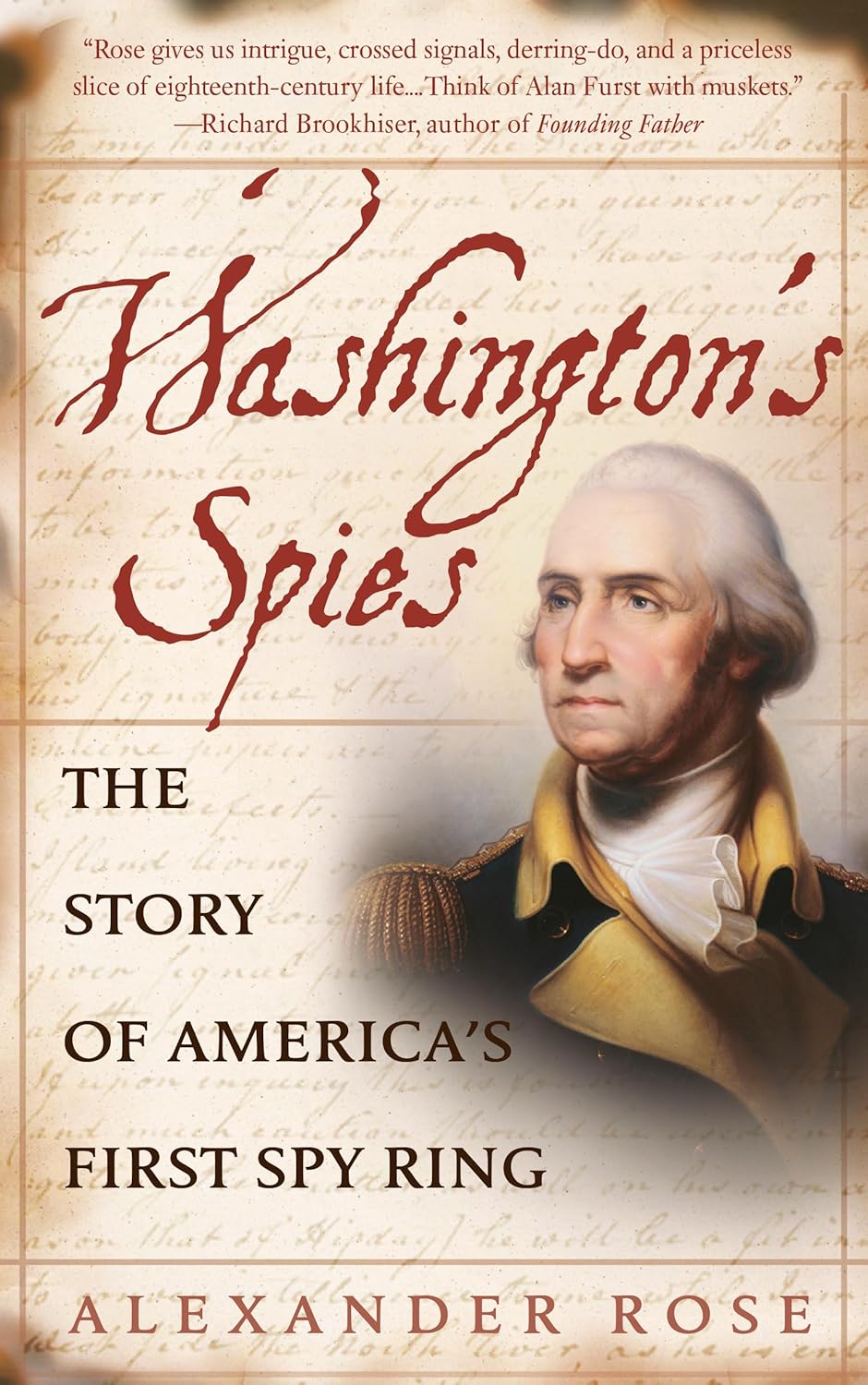
I suppose many prospective readers of “Washington’s Spies” will also be enthusiastic viewers of the AMC Original Series “Turn,” which is loosely based on the book. The key word, readers will find, is “loosely.” The core cast of characters in “Washington’s Spies” will be familiar to any faithful watcher of “Turn”: The Yale educated intelligence…
-
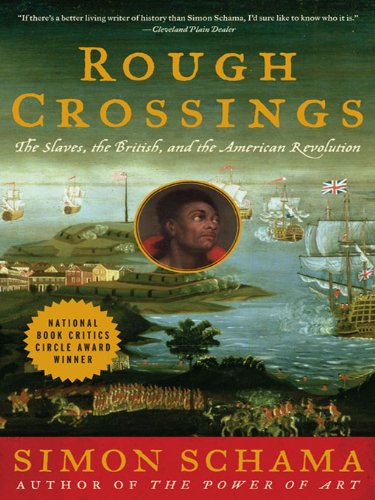
For far too long the African-American experience has not been fully or accurately captured in American history books. At the time of the American Revolution, 20% of the 2.5 million people in the colonies were black. In the plantation provinces, such as Virginia, that proportion could be as high as 40%. Of the roughly 500,000…
-
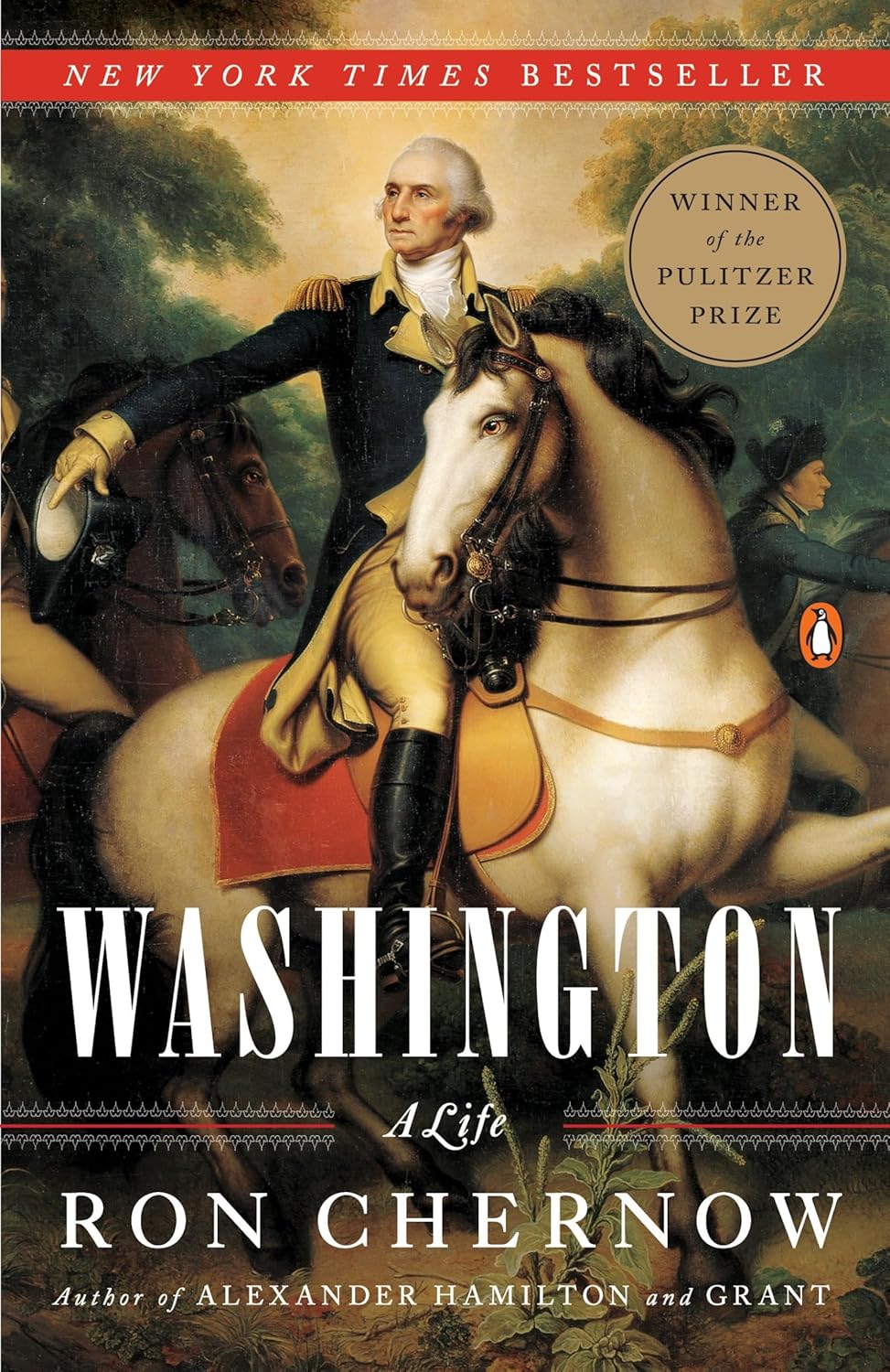
The year 2020 is a rough time to be a slaveholding Founding Father. As the mob indiscriminately tears down statues across America, I would argue there is no better time to read a book like this, an honest, richly textured Pulitzer Prize-winning biography from the celebrated Ron Chernow that brilliantly puts George Washington’s enormous contributions…
-
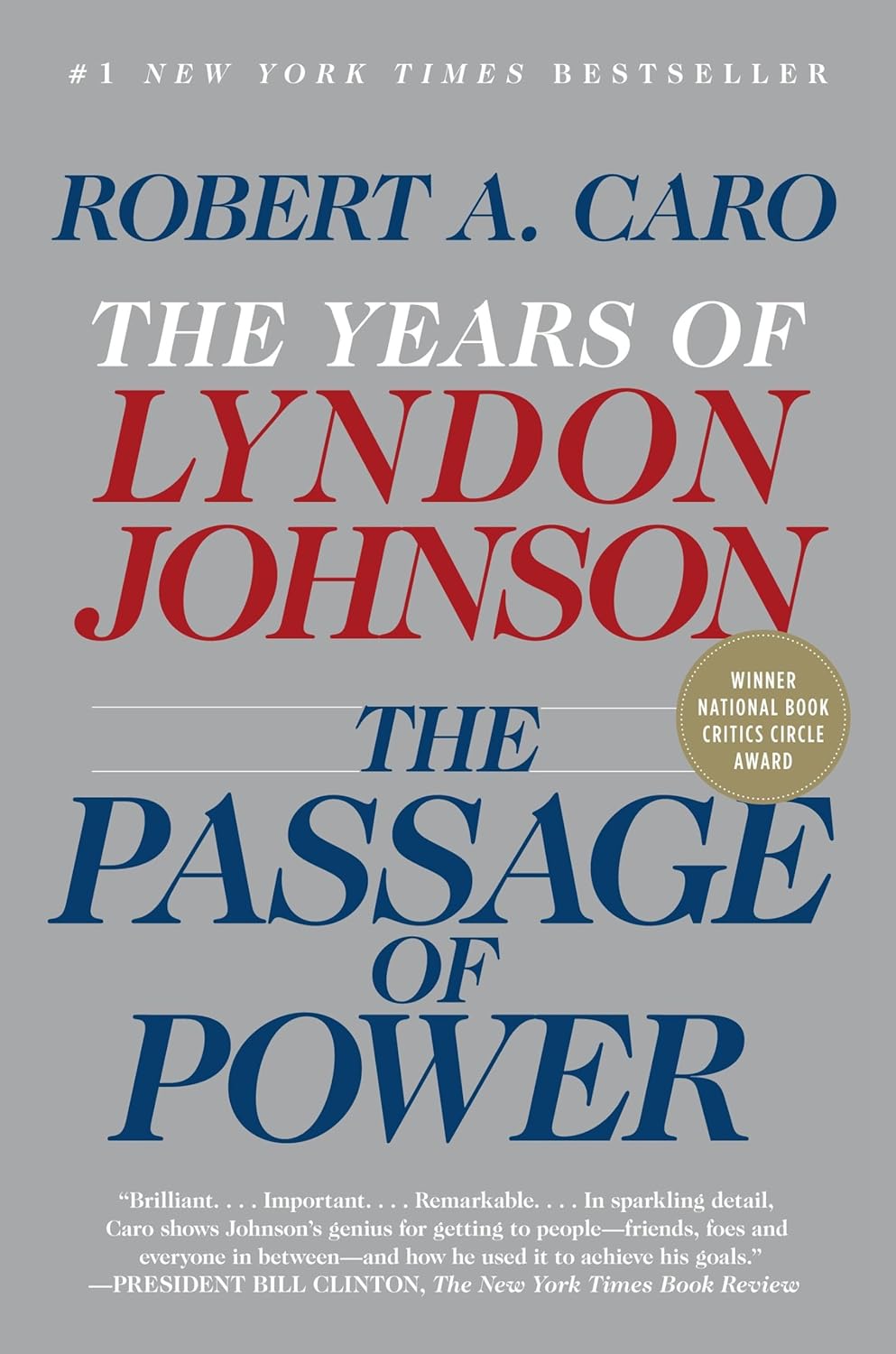
The latest in Robert Caro’s monumental biography of Lyndon Johnson, “The Passage to Power” opens with LBJ’s perplexing performance in the 1960 Democratic presidential nomination. Perplexing because of Johnson’s uncharacteristic political naiveté and his complete failure to size up his competition. In short, Johnson purposively kept out of the race until just weeks before the…
-
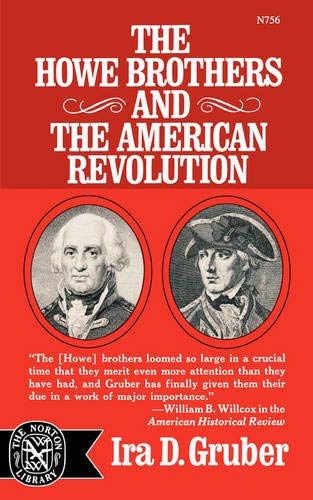
At the beginning of 1776, the British government was spoiling for a fight. Ira Gruber’s “The Howe Brothers and the American Revolution” tells the story of the opening chapter in the war when British success in smashing the rebellion seemed all but foreordained. “Why, indeed,” Gruber asks, “did [the Howe brothers] have no more success…
-

Arguably one of the greatest biographies written in the twentieth century, Robert Caro’s “The Power Broker: Robert Moses and the Fall of New York” is an epic piece of historiography on municipal government and urban planning. At roughly 1,200 pages in length, it is not, needless to say, for everyone. Born into a well-to-do, socially…
-
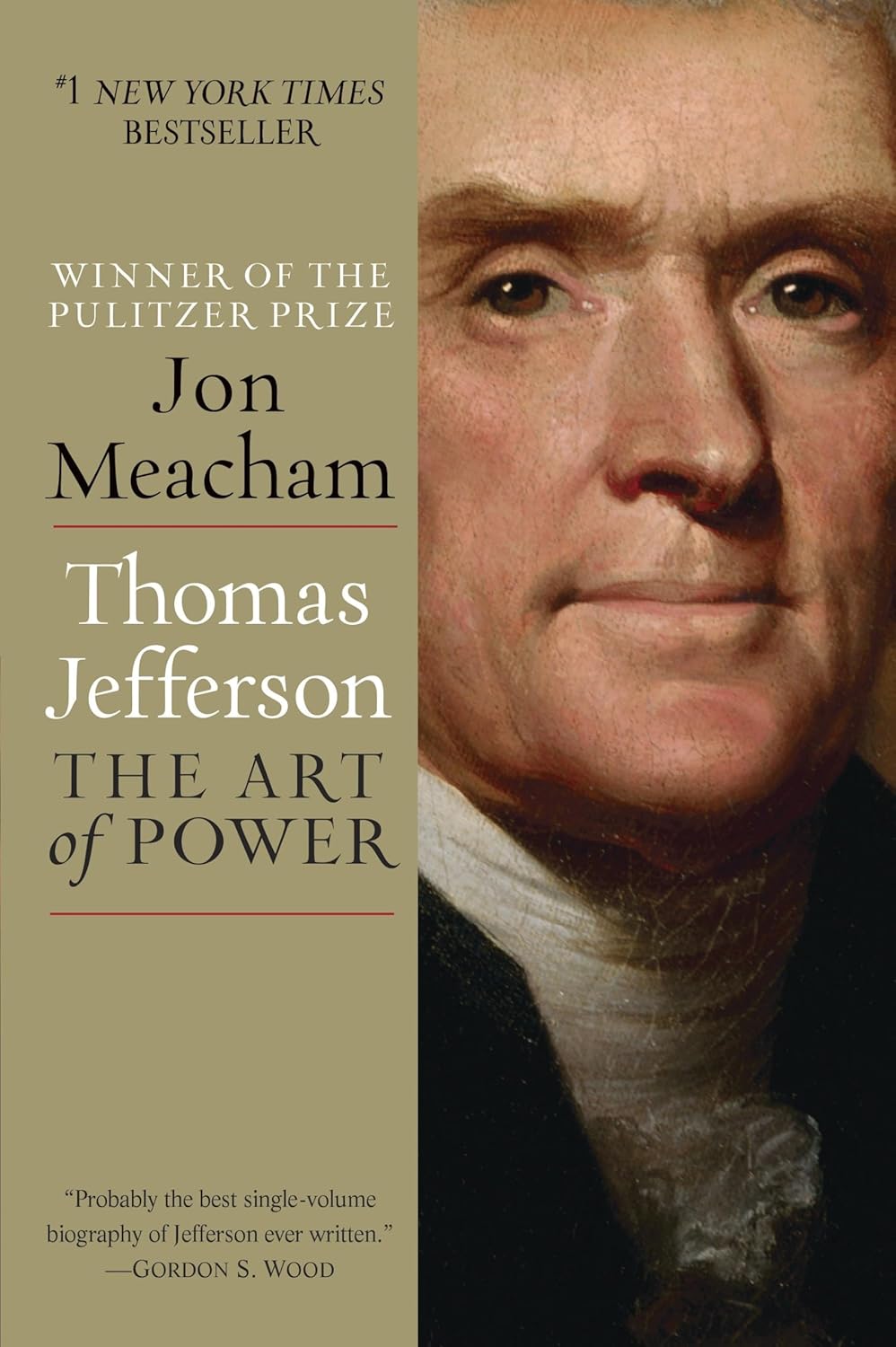
I must confess: I’ve never been much of a Thomas Jefferson fan. Much of my understanding of our third president has come by way of his generally unfavorable presentation in popular biographies of his esteemed contemporaries, such as Washington & Hamilton (Chernow), Adams (McCullough), Franklin (Isaacson) and Marshall (Smith). From the perspective of these prominent…
 What's Tim Reading Now?