All Posts
Collected reviews from decades of reading — organized by subject and written for clarity, context, and long-term reference.
Categories
- A Very Short Introduction (4)
- Afghanistan (5)
- Africa (3)
- Age of Discovery (14)
- American Revolution (29)
- Ancient Greece (11)
- Ancient Rome (2)
- Anglo-German Naval Competition (8)
- Anthropology (3)
- Art History (6)
- Artists (16)
- British History (16)
- Business Books (18)
- Business Greats (12)
- Central Banking (8)
- China (1)
- Cold War Era (19)
- Colonial America (25)
- Commodities (10)
- Corporate Biography (11)
- Counter Insurgency (6)
- Cuba (1)
- Disease (9)
- Early Modern Europe (8)
- Early Republic (21)
- Economic Development (12)
- Economics (17)
- French Revolution (8)
- Great Depression (6)
- Great Projects (9)
- Great Writers (4)
- Industrial Revolution (14)
- Iranian Revolution (4)
- Italian Renaissance (27)
- Jacksonian America (4)
- Korea (1)
- Middle Ages (4)
- Middle East (5)
- Military Innovation (20)
- Napoleon (3)
- Philosophy (3)
- Pop History (31)
- Progressive Era (8)
- Republican Rome (16)
- Roman Empire (25)
- Russian History (5)
- Russian Revolution (3)
- Sri Lanka (3)
- The Gilded Age (4)
- U.S. Civil War (7)
- U.S. Presidents (16)
- Vietnam (8)
- World War I (6)
- World War II (10)
-

Richard Pipes was a prominent scholar of Russian history at Harvard for nearly half a century. Born in Poland in 1923, he was a virulent anti-communist and served in the Reagan administration National Security Council in the early 1980s. The fact that he dedicates “The Russian Revolution” to “the victims” tells you all you need…
-
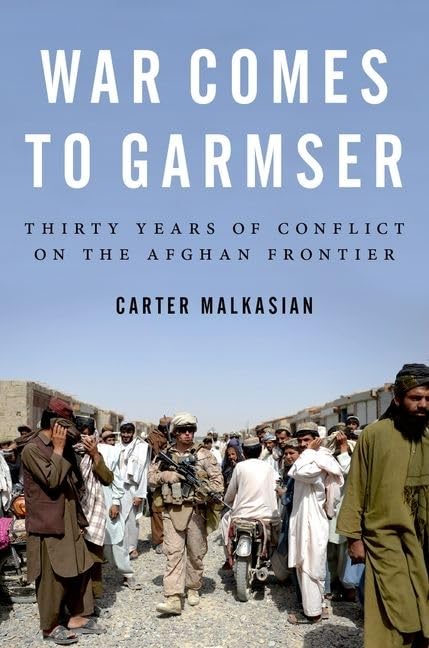
I deployed to southern Afghanistan in late 2009, roughly the same time that Carter Malkasian arrived as the lead political officer in Garmser in Helmand Province. It was just the beginning of the so-called “Obama Surge” into Afghanistan and the situation in many areas in southern Afghanistan – Helmand Province in particular – was bleak.…
-
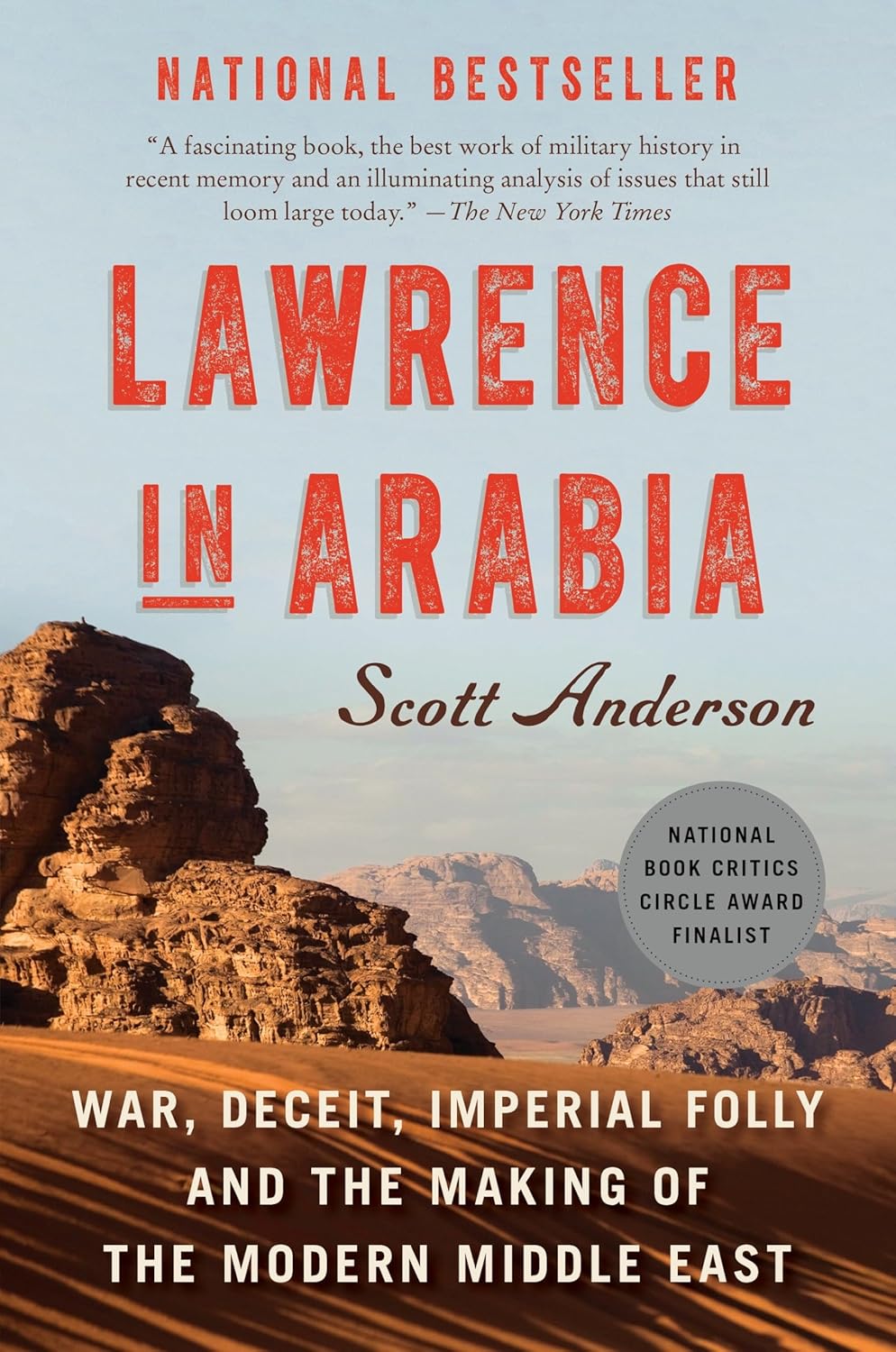
The story of T.E. Lawrence and the Sykes-Picot agreement has been told many times before. Nowhere perhaps better than David Fromkin’s award-winning “A Peace to End All Peace.” Scott Anderson tackles the topic from an interesting angle. He tells the story in narrative form following four inter-related characters: T.E. Lawrence; the Jewish spy-leader, Aaron Aaronsohn;…
-

What a difference a few years make! When “Private Empire” was first published in 2013, ExxonMobil was the largest company in the world by market capitalization, a quarter-trillion-dollar behemoth, delivering jaw-dropping quarterly profit statements that late night talk show hosts found as monologue fodder. By the dawn of 2020, however, the world had changed whereas…
-
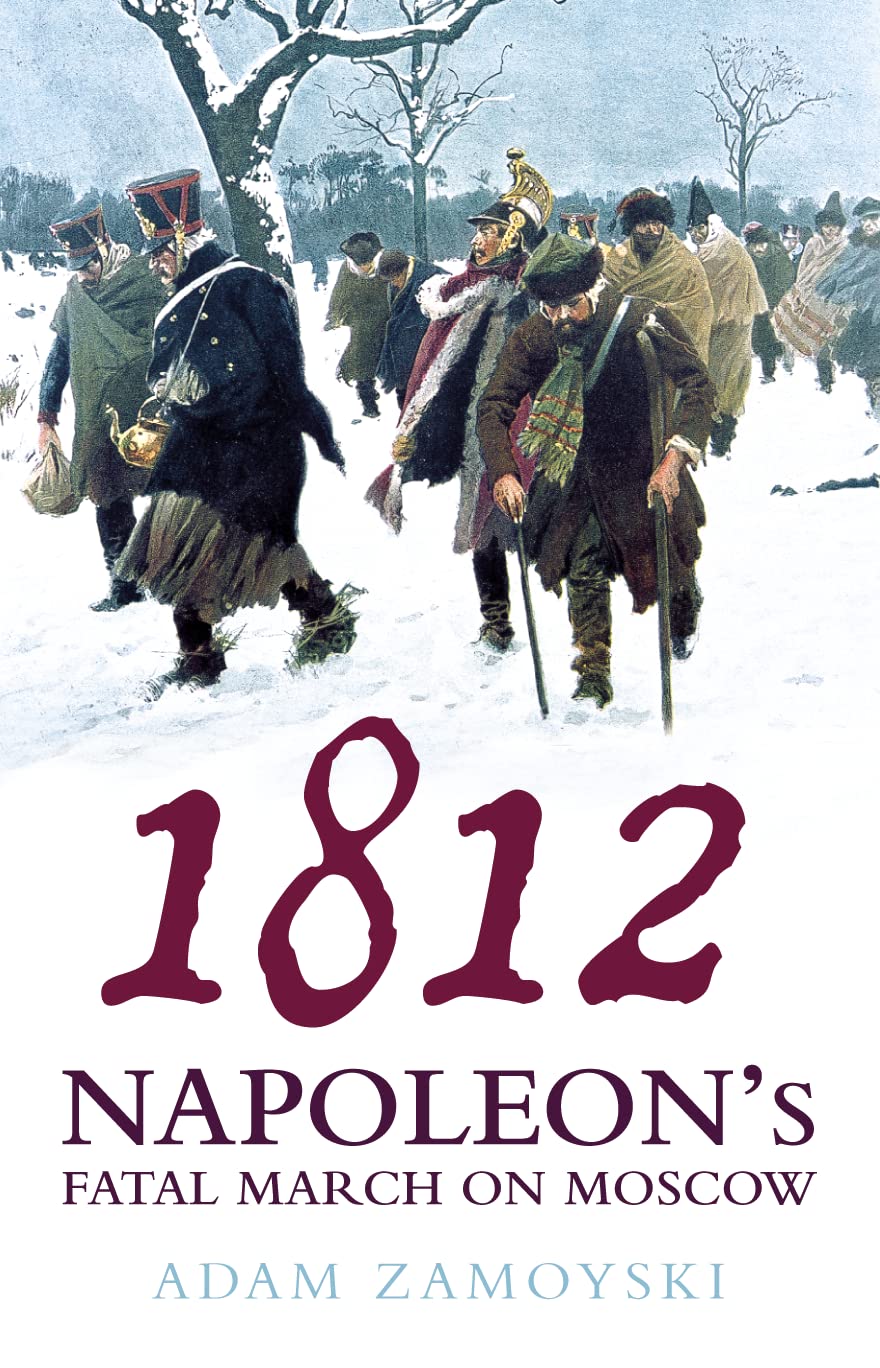
Napoleon’s Russian campaign of 1812 is legendary – and rightfully so. All I knew about it before reading Adam Zamoyski’s “Moscow, 1812: Napoleon’s Fatal March” was that the Russian winter defeated Napoleon’s Grand Armee. I had no idea how horrific the whole experience was for soldiers and civilians, alike, nor the historical context in which…
-
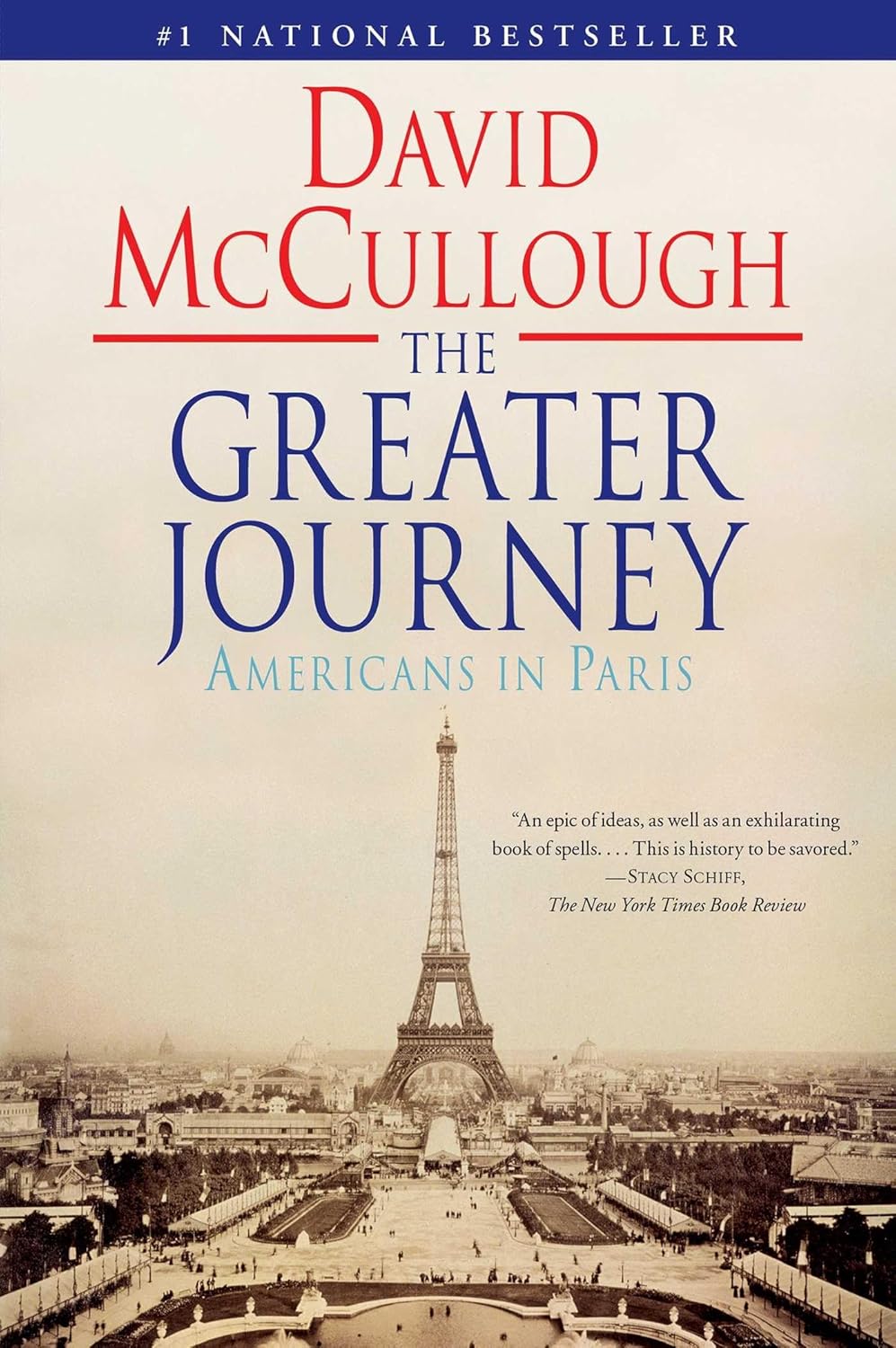
God bless David McCullough. With seeming effortlessness he does what most every historian hopes to achieve – recreate the life and times of the distant past. I was not prepared to like this book. How could anyone write over four hundred pages chronicling the experience of Americans in nineteenth century Paris and make it somehow…
-

According to no less an authority than Henry Kissinger: “George Kennan came as close to authoring the diplomatic doctrine of his era as any diplomat in our history.” John Lewis Gaddis’ Pulitzer Prize-winning biography of the great twentieth century statesman is absolutely brilliant, start to finish. Weighing in at nearly 700 pages, no aspect of…
-

In “The History of Money” anthropologist Jack Weatherford does exactly as promised, delivering a fast-paced, 2,600 year narrative of money. Weatherford breaks the story into three more-or-less equal thirds. Phase One, “Classic Cash,” traces the history of money from the first known coined currency in the western Anatolian kingdom of Lydia in 640 BC to…
-

Walter Isaacson’s “The Innovators: how a group of hackers, geniuses, and geeks created the digital revolution” may be his most ambitious project yet. Unlike his award-winning biographies, “The Innovators” is a thematic history of the Information Age. The whole story is indeed complex and convoluted, beginning with the inspirations of Charles Babbage and Lady Ada…
 What's Tim Reading Now?