All Posts
Collected reviews from decades of reading — organized by subject and written for clarity, context, and long-term reference.
Categories
- A Very Short Introduction (4)
- Afghanistan (5)
- Africa (3)
- Age of Discovery (14)
- American Revolution (29)
- Ancient Greece (11)
- Ancient Rome (2)
- Anglo-German Naval Competition (8)
- Anthropology (3)
- Art History (6)
- Artists (16)
- British History (16)
- Business Books (19)
- Business Greats (12)
- Central Banking (8)
- China (1)
- Cold War Era (19)
- Colonial America (25)
- Commodities (10)
- Corporate Biography (11)
- Counter Insurgency (6)
- Cuba (1)
- Disease (9)
- Early Modern Europe (8)
- Early Republic (21)
- Economic Development (12)
- Economics (17)
- French Revolution (8)
- Great Depression (6)
- Great Projects (9)
- Great Writers (4)
- Industrial Revolution (14)
- Iranian Revolution (4)
- Italian Renaissance (27)
- Jacksonian America (4)
- Korea (1)
- Middle Ages (4)
- Middle East (5)
- Military Innovation (20)
- Napoleon (3)
- Philosophy (4)
- Pop History (32)
- Progressive Era (8)
- Republican Rome (16)
- Roman Empire (25)
- Russian History (5)
- Russian Revolution (3)
- Sri Lanka (3)
- The Gilded Age (4)
- U.S. Civil War (7)
- U.S. Presidents (16)
- Vietnam (8)
- World War I (6)
- World War II (10)
-
The twentieth century was the bloodiest in history. Given how bloody other centuries have been, that is really saying something. Why is western civilization, so remarkably progressive in so many ways, so obstinately aggressive and warlike? In “The Origins of Western Warfare: Militarism and Morality in the Ancient World,” historian Doyne Dawson argues that the…
-
Other historians, such as Arthur Schlesinger, have argued that the revolution had its impetus in the preservation of society, not its transformation, which is what usually defines “revolutions.” Wood claims that this assertion is misguided and limited. He concedes that the American Revolution was unique among national revolutions, but that doesn’t make it any less…
-
Many years back I endeavored to read a full-length biography on each of the Founding Fathers. For most, I had multiple options and several had undisputed “definitive” single volumes available, such as McCullough on Adams and Chernow on Hamilton. For Benjamin Franklin, Carl Van Doren’s 1939 Pulitzer Prize-winner was still considered the best, but I…
-

“A People Numerous & Armed” is a collection of twelve essays written by John Shy in the late 1960s and 1970s when he was an up-and-coming historian at the University of Michigan. In his own estimation, the themes that unite the varied pieces are “that war changes society, that strategy and military policy are aspects…
-
’ve written over 300 book reviews here on Amazon over the past couple of decades, but this one for “Straight Talk for Startups” by Randy Komisar and Jantoon Reigersman is one where my opinion is something very close to “expert.” I’ve worked in Silicon Valley for nearly twenty years, most of it spent as a…
-
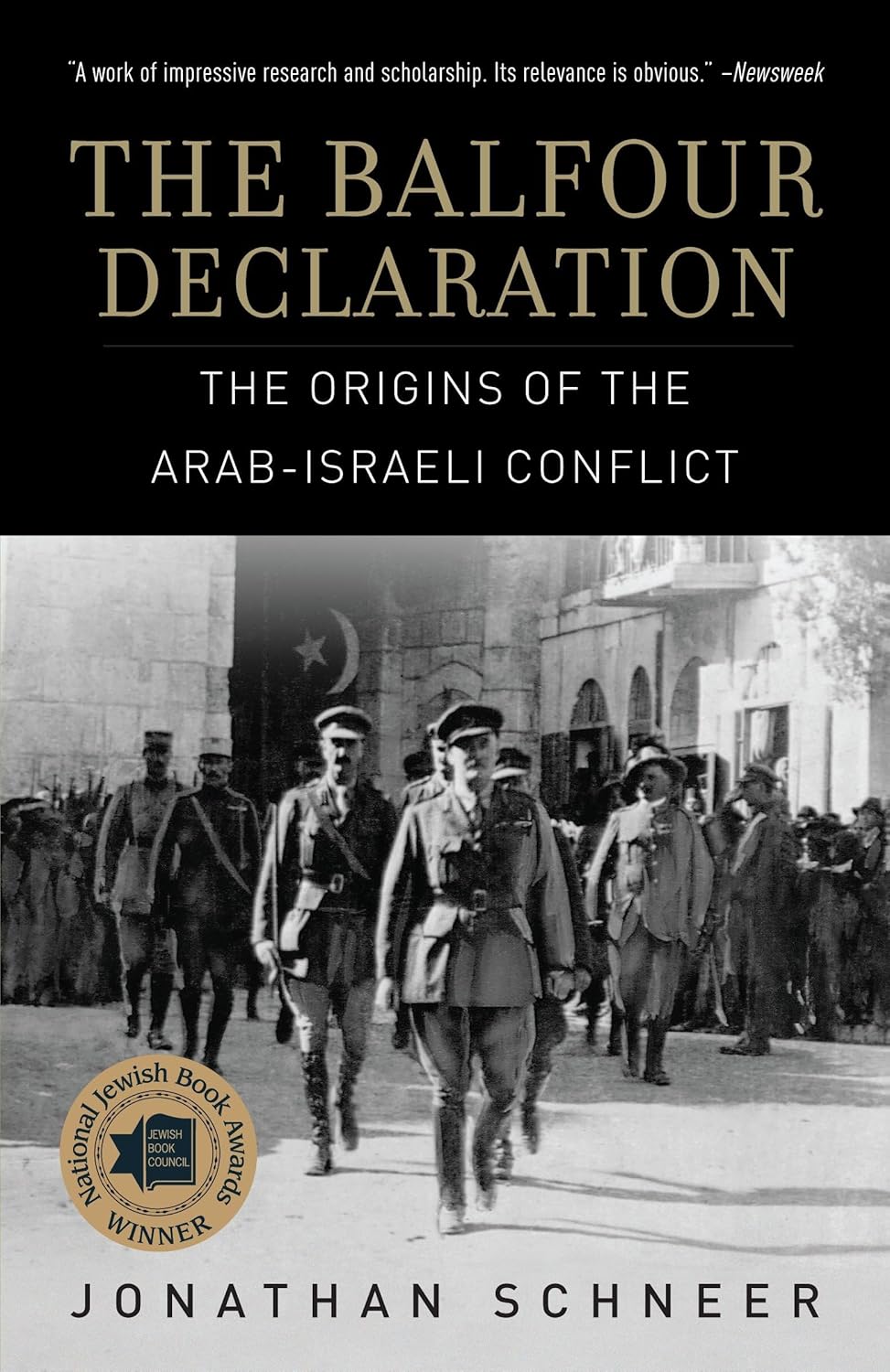
On November 2, 1917, with the First World War still raging fiercely along the Western Front and crackling in the Middle East as the Arabs revolted against their Turkish overlords, British foreign secretary Arthur Balfour made a stunning declaration: “His Majesty’s Government view with favor the establishment in Palestine of a national home for the…
-
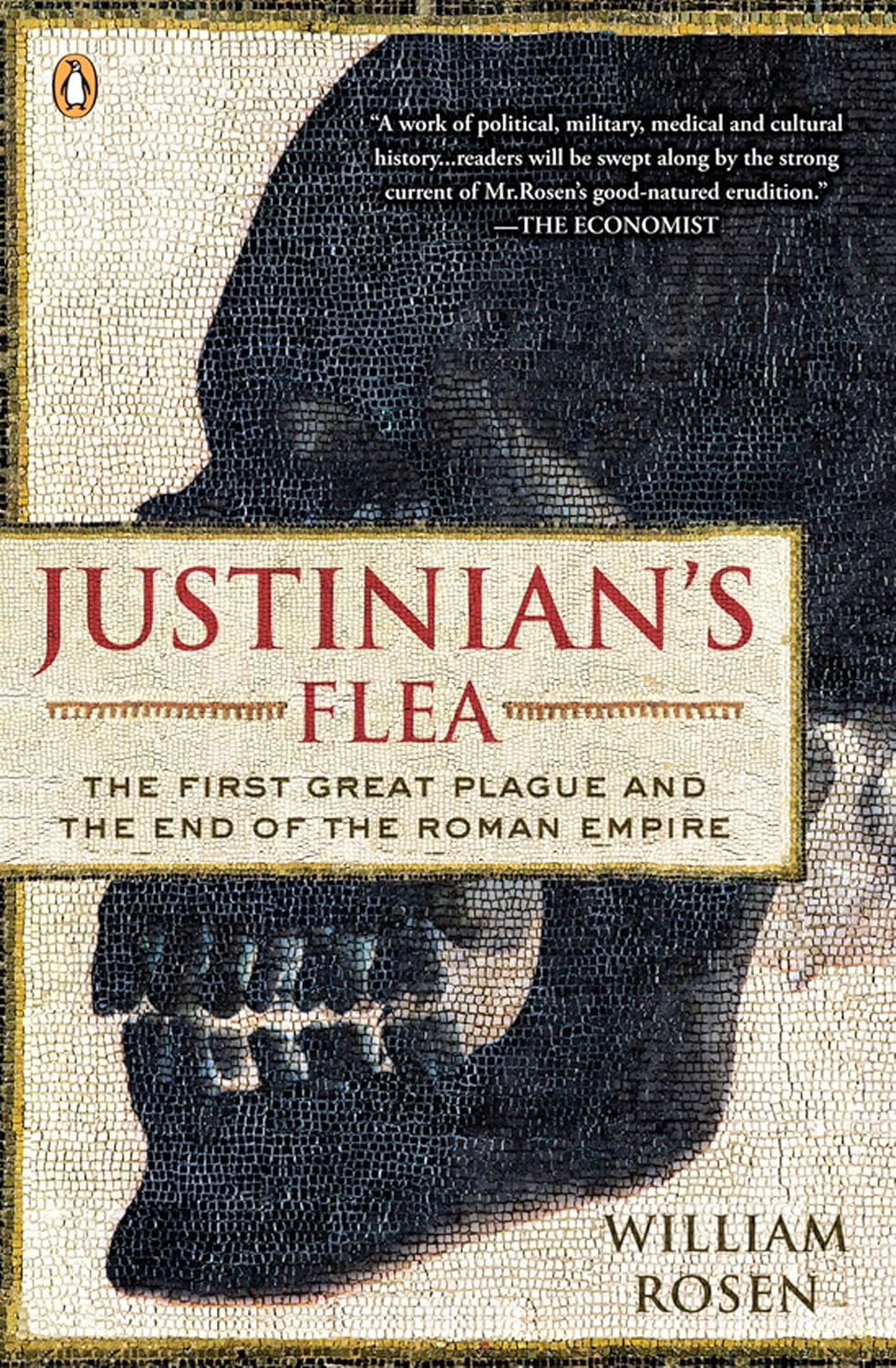
“Caveat Reador” — Let the Reader Beware! You need to know a few things before picking up “Justinian’s Flea: The First Great Plague and The End of the Roman Empire” by William Rosen. First, this book is filled with details, many of them extraneous, yet the narrative has surprisingly little specific to say about the…
-

Walt Disney is an American icon. In Neal Gabler’s award-winning biography, “Walt Disney: The Triumph of the American Imagination,” the legendary animator and his eponymous company come to life. A Mid-Westerner by birth and disposition, the author suggests that Disney was forever chasing the idealized vision of his brief boyhood home in Marceline, Missouri. “Marceline…
-
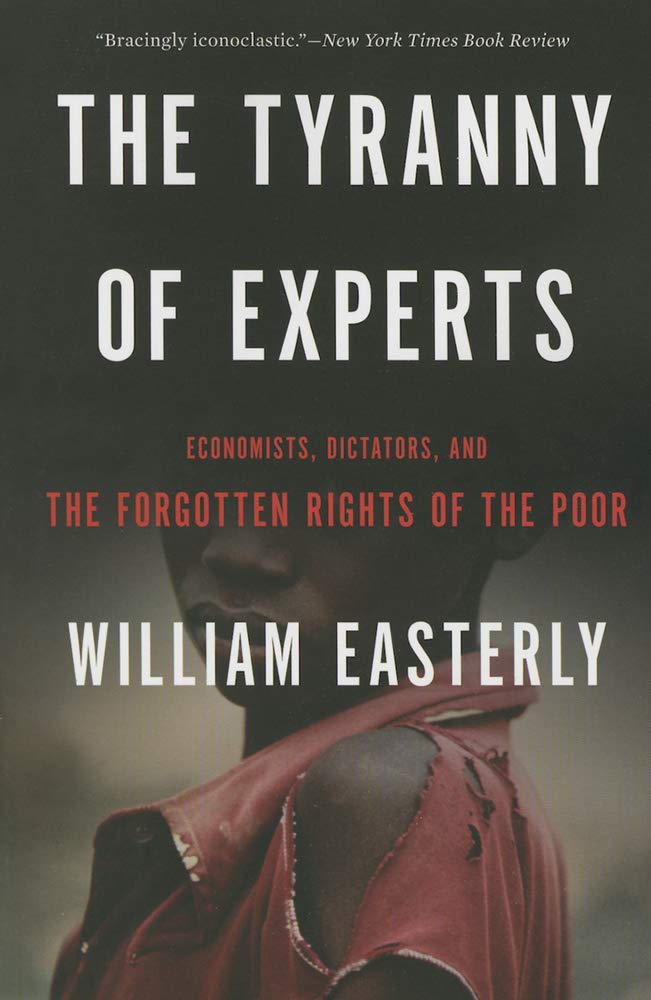
William Easterly is a bur in the saddle of global economic development agencies. Once a true believer is the top-down, technocratic approach to poverty alleviation, he is today the most trenchant advocate for a bottoms-up, individual-rights-first approach. “The Tyranny of Experts: Economists, Dictators, and the Forgotten Rights of the Poor” is his latest double-barreled blast…
 What's Tim Reading Now?