All Posts
Collected reviews from decades of reading — organized by subject and written for clarity, context, and long-term reference.
Categories
- A Very Short Introduction (4)
- Afghanistan (5)
- Africa (3)
- Age of Discovery (14)
- American Revolution (29)
- Ancient Greece (11)
- Ancient Rome (2)
- Anglo-German Naval Competition (8)
- Anthropology (3)
- Art History (6)
- Artists (16)
- British History (16)
- Business Books (19)
- Business Greats (12)
- Central Banking (8)
- China (1)
- Cold War Era (19)
- Colonial America (25)
- Commodities (10)
- Corporate Biography (11)
- Counter Insurgency (6)
- Cuba (1)
- Disease (9)
- Early Modern Europe (8)
- Early Republic (21)
- Economic Development (12)
- Economics (17)
- French Revolution (8)
- Great Depression (6)
- Great Projects (9)
- Great Writers (4)
- Industrial Revolution (14)
- Iranian Revolution (4)
- Italian Renaissance (27)
- Jacksonian America (4)
- Korea (1)
- Middle Ages (4)
- Middle East (5)
- Military Innovation (20)
- Napoleon (3)
- Philosophy (4)
- Pop History (32)
- Progressive Era (8)
- Republican Rome (16)
- Roman Empire (25)
- Russian History (5)
- Russian Revolution (3)
- Sri Lanka (3)
- The Gilded Age (4)
- U.S. Civil War (7)
- U.S. Presidents (16)
- Vietnam (8)
- World War I (6)
- World War II (10)
-

Barry Strauss is a world-class academic classicist, but “The Battle of Salamis: The Naval Encounter that Saved Greece — and Western Civilization” is geared for the more general reader. He tells the story of the Persian invasion of Greece in 490 BC and the decisive naval battle at Salamis with an easy style focused on…
-
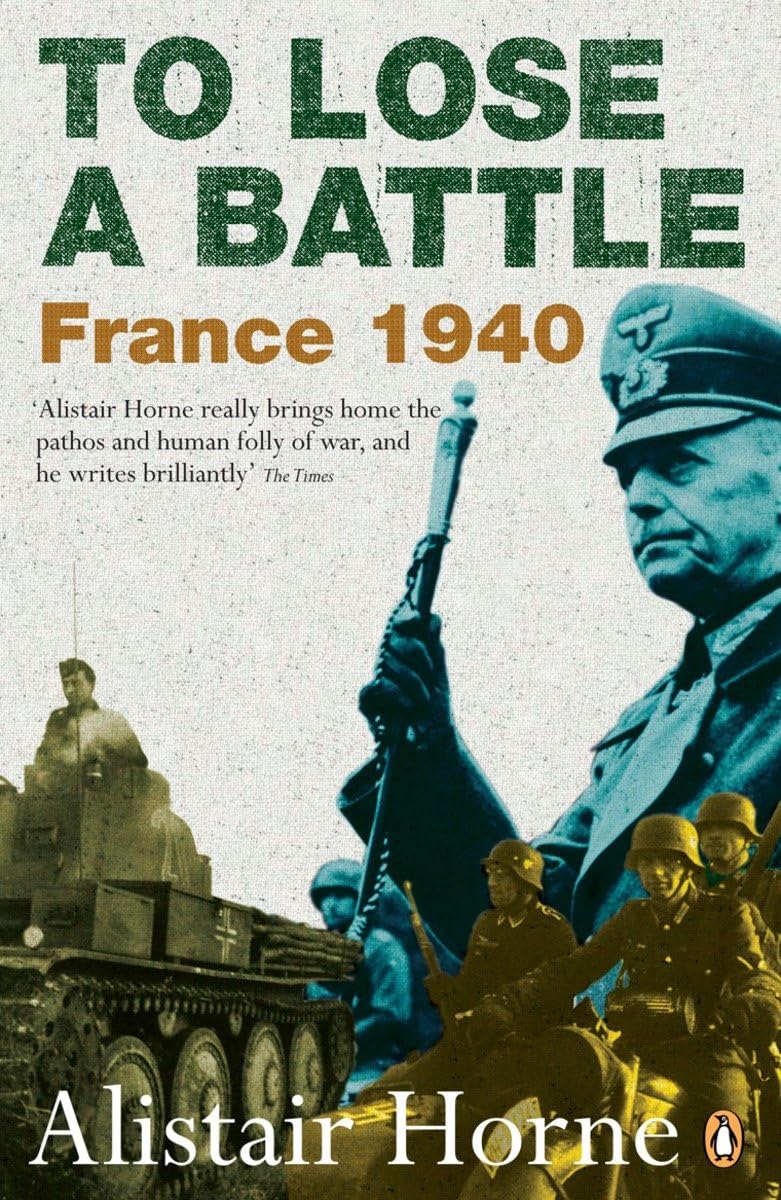
The final installment in Alistair Horne’s epic trilogy on the Franco-German military rivalry, “To Lose a Battle: France 1940” is by far the longest and most tactically detailed of the three. The book is broken into two parts. The first, covering about a third of the book, chronicles the political turmoil and military missteps in…
-
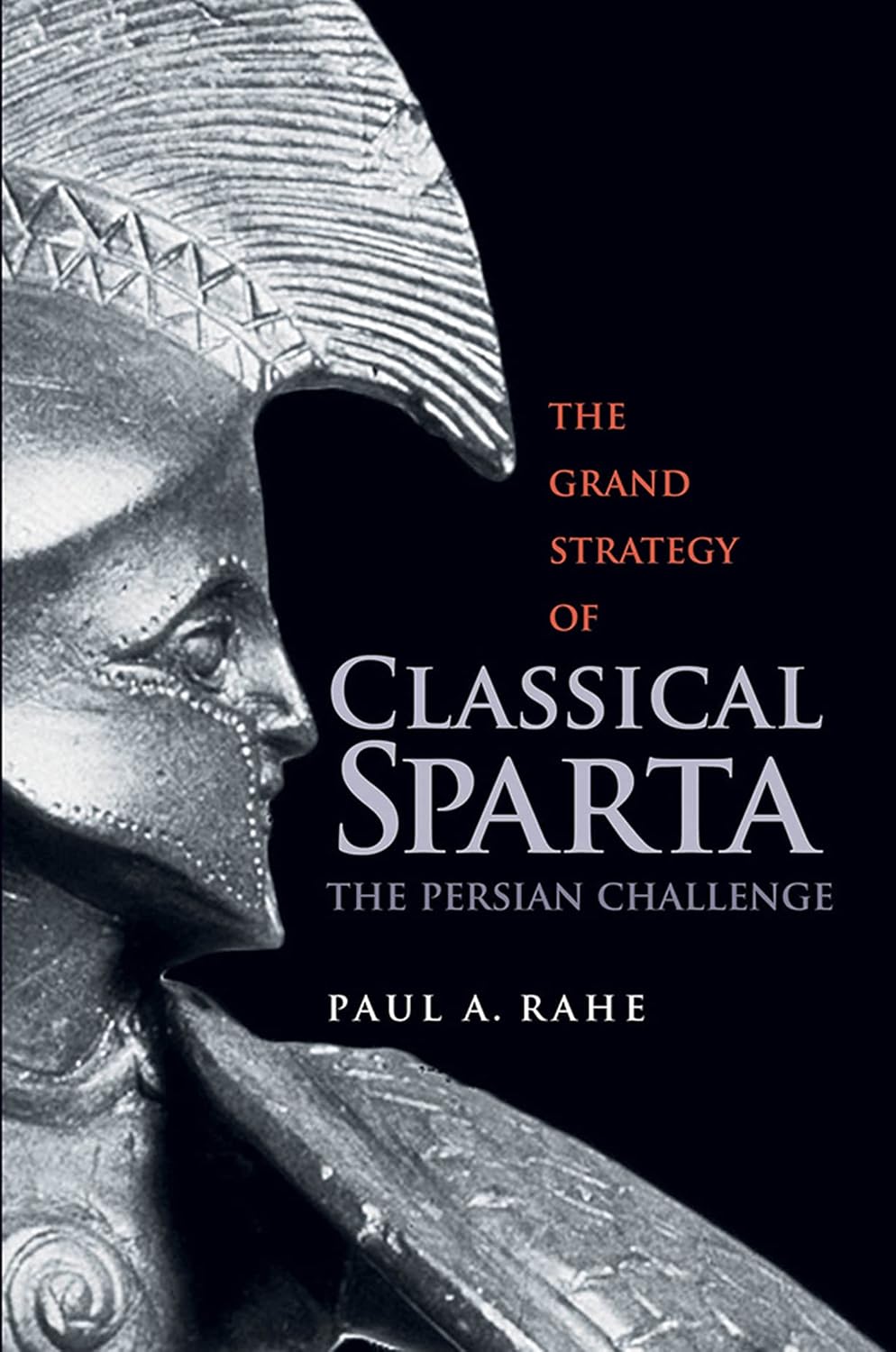
They say you shouldn’t judge a book by its cover. The same could even be said for its title. Paul Rahe’s latest effort, “The Grand Strategy of Classical Sparta: The Persian Challenge,” is an excellent book, it just doesn’t have all that much to do with the grand strategy of classical Sparta. Rather, it is…
-

John Hale was an undergraduate student of the famed classicist Donald Kagan at Yale in the early 1970s when he first fell in love with ancient Greek history. Hale was also a member of the college crew team and was thus intimately familiar with the mechanics and challenges of strenuous rowing, a unique and valuable…
-

Paul Kennedy made quite a splash with “The Rise and Fall of British Naval Mastery” when it first came out in 1976, although I’m not entirely sure why. His primary theses – that the rise and fall of sea power track closely with that of economic power, and that the effective exercise of military might…
-
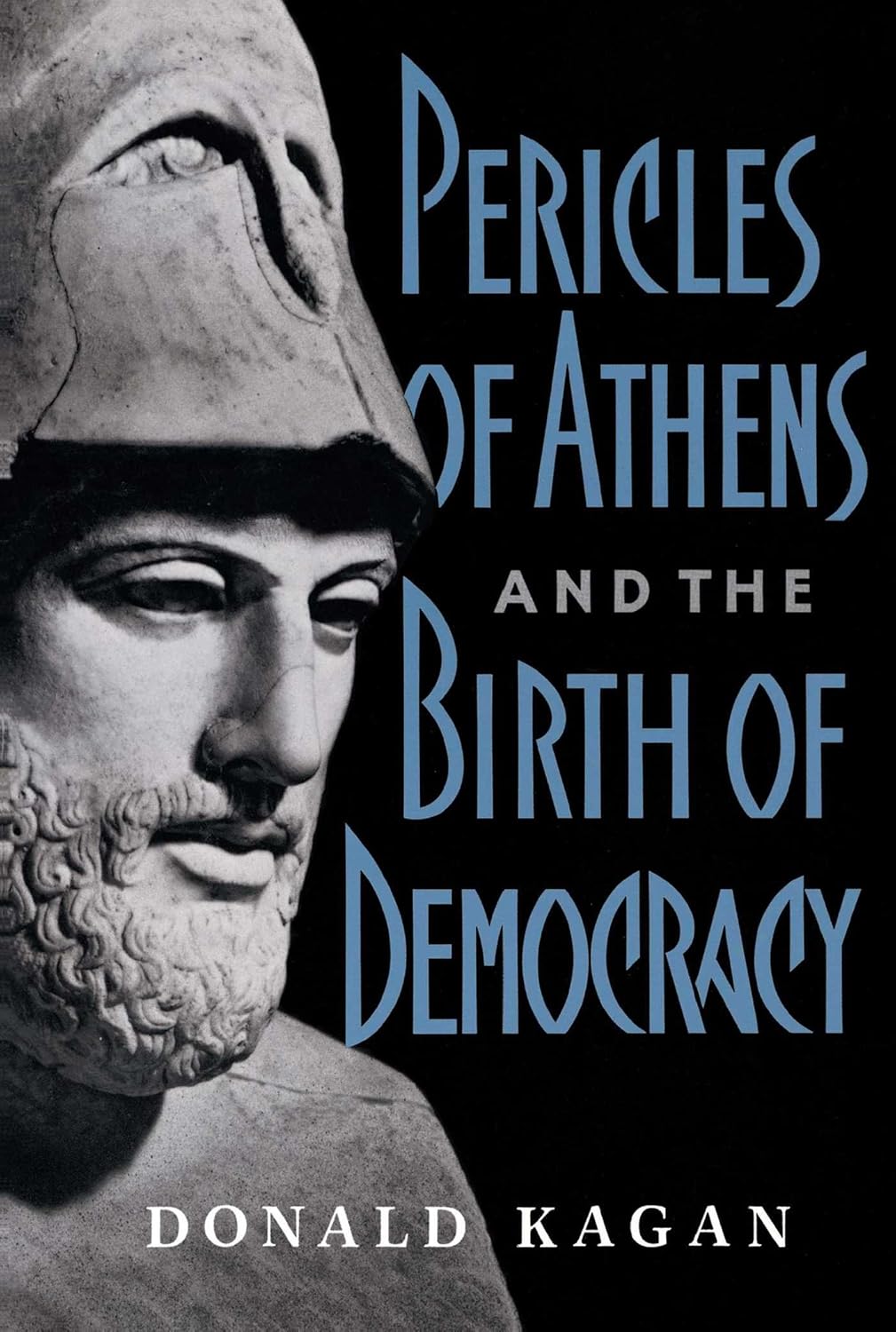
The great Greek historian Thucydides remarked that Athens in the 430s BC “was in name a democracy, but really a government by the first person.” That first man – “protos amer” in Greek – was Pericles, son of Xanthippus, the hero of the Battle of Mycale against the Persians in 479, mentee of the radical…
-

In Poland in September 1939 – and then in even more dramatically in France eight months later – the German army shocked the world with the speed and audacity of their armored invasions that seemed to break all the rules. It was an entirely new style of war called blitzkrieg – “Lightning War.” Conceptualized during…
-

The modern American home is a veritable wonderland of technical innovations: clean water on demand, central heating and air conditioning, wireless Internet and telephony, flat screen electronics, and inexpensive lighting, to name just a few. “How We Got to Now: Six Innovations That Made the Modern World” by popular science writer Steven Johnson describes, at…
-

I wanted to love this book. It directly addresses a topic that has been vexing since I began studying ancient Athenian democracy in earnest this past year: Why were classical Athenians – both individually and collectively – capable of both genius and stupidity? How could the same people who created the Parthenon and theatrical tragedy…
 What's Tim Reading Now?