All Posts
Collected reviews from decades of reading — organized by subject and written for clarity, context, and long-term reference.
Categories
- A Very Short Introduction (4)
- Afghanistan (5)
- Africa (3)
- Age of Discovery (14)
- American Revolution (29)
- Ancient Greece (11)
- Ancient Rome (2)
- Anglo-German Naval Competition (8)
- Anthropology (3)
- Art History (6)
- Artists (16)
- British History (16)
- Business Books (19)
- Business Greats (12)
- Central Banking (8)
- China (1)
- Cold War Era (19)
- Colonial America (25)
- Commodities (10)
- Corporate Biography (11)
- Counter Insurgency (6)
- Cuba (1)
- Disease (9)
- Early Modern Europe (8)
- Early Republic (21)
- Economic Development (12)
- Economics (17)
- French Revolution (8)
- Great Depression (6)
- Great Projects (9)
- Great Writers (4)
- Industrial Revolution (14)
- Iranian Revolution (4)
- Italian Renaissance (27)
- Jacksonian America (4)
- Korea (1)
- Middle Ages (4)
- Middle East (5)
- Military Innovation (20)
- Napoleon (3)
- Philosophy (4)
- Pop History (32)
- Progressive Era (8)
- Republican Rome (16)
- Roman Empire (25)
- Russian History (5)
- Russian Revolution (3)
- Sri Lanka (3)
- The Gilded Age (4)
- U.S. Civil War (7)
- U.S. Presidents (16)
- Vietnam (8)
- World War I (6)
- World War II (10)
-
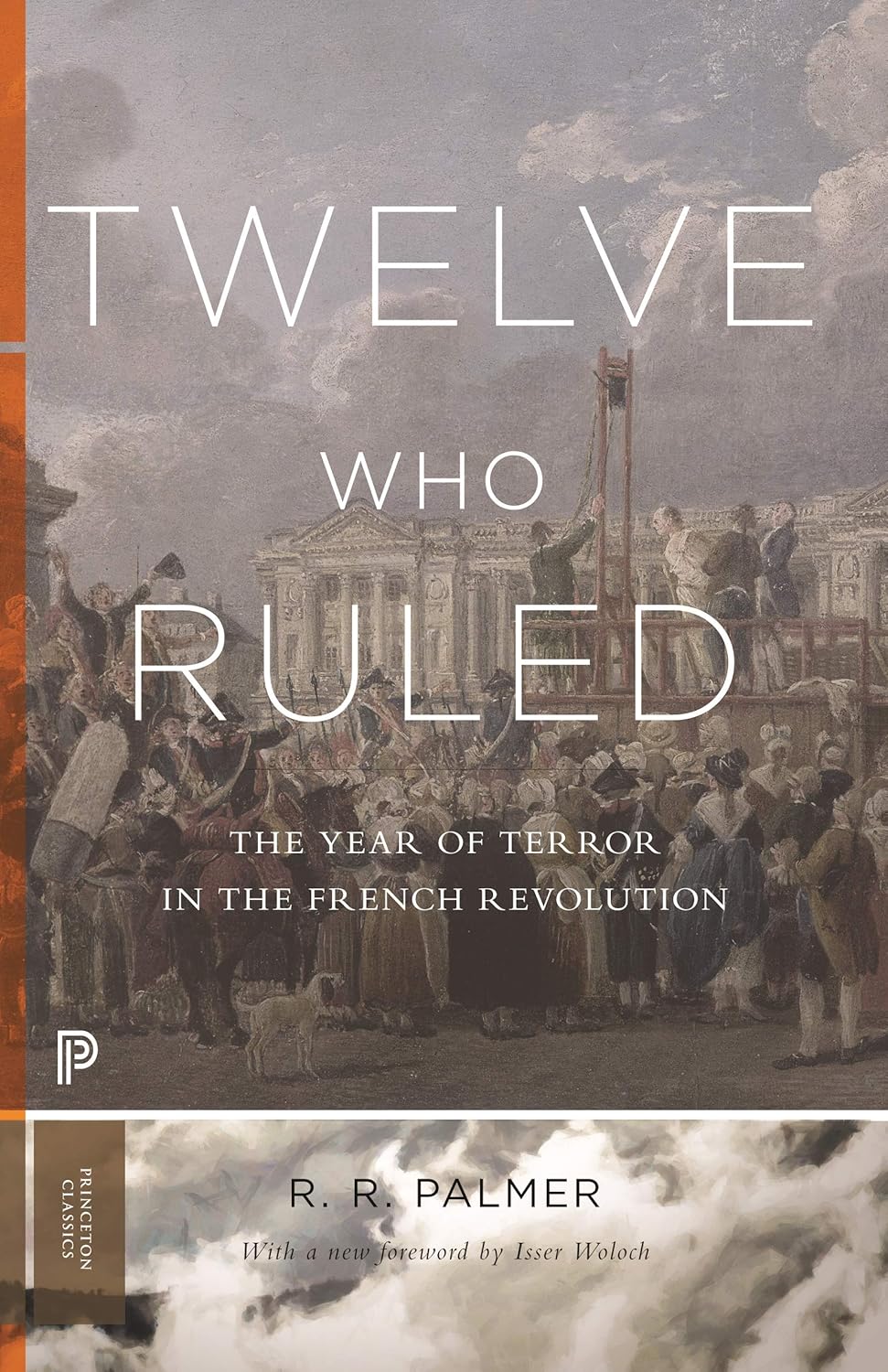
Few books about the French Revolution have had better legs in the academy than R.R. Palmer’s classic, “Twelve Who Ruled: The Year of Terror in the French Revolution.” First published in 1941, it is still often found on college syllabi across the country today. In its fifth summer, 1793 or Year II according to the…
-
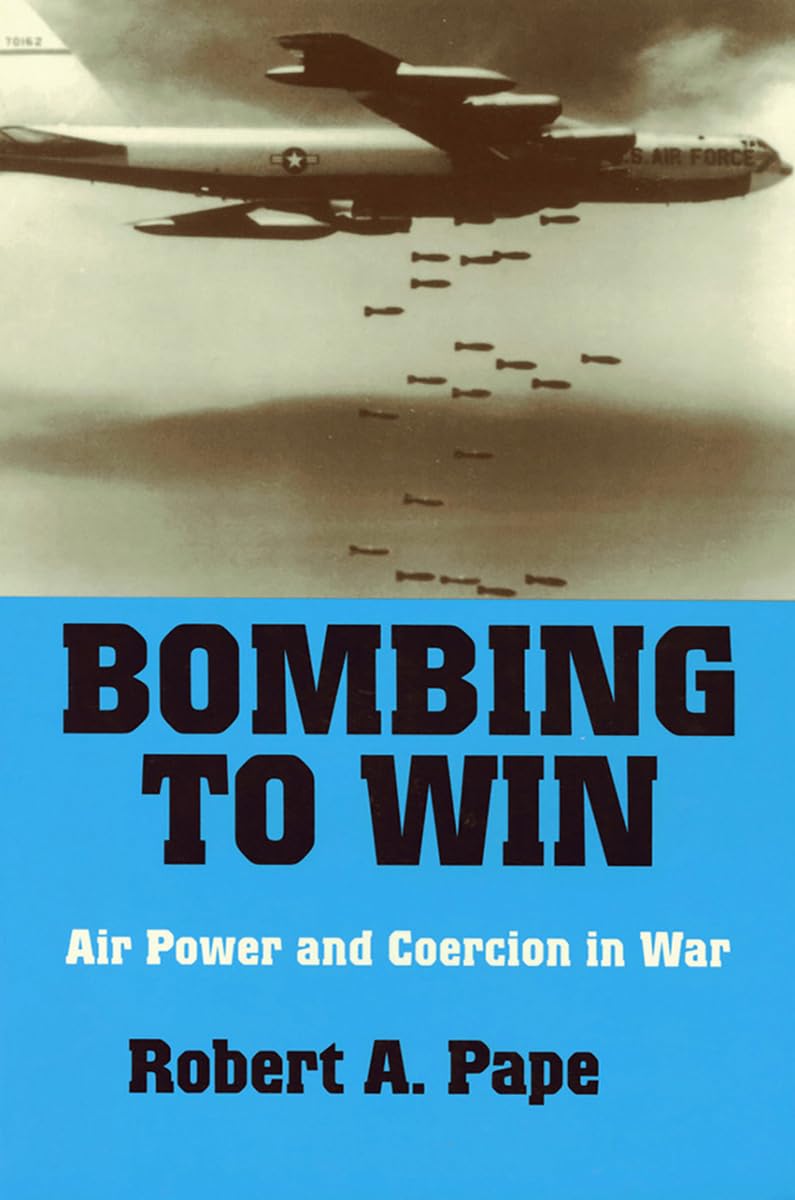
The Persian Gulf War of 1991 appeared to usher in a new age of warfare. Long range, precision-guided weapons quickly and easily decimated the formidable, battle-hardened army of Saddam Hussein. An information age “revolution in military affairs” seemed to offer a powerful new coercive tool for policymakers wary of committing ground forces and sustaining casualties.…
-

“No Peace, No Honor,” the final installment in Larry Berman’s excellent trilogy on the Vietnam War, focuses on the tortured three-year-long negotiations that ultimately led to the 1973 Paris Peace Accords. Never mind the superlative on the back cover from Mark Clodfelter claiming that this book is “The most complete analysis of the Nixon era…
-

In the late eighteenth century, Adam Smith observed that “in ancient times the opulent and civilized found it difficult to defend themselves against the poor and barbarous nations; in modern times the poor and barbarous find it difficult to defend themselves against the opulent and civilized.” In truth, the success of the “West against the…
-
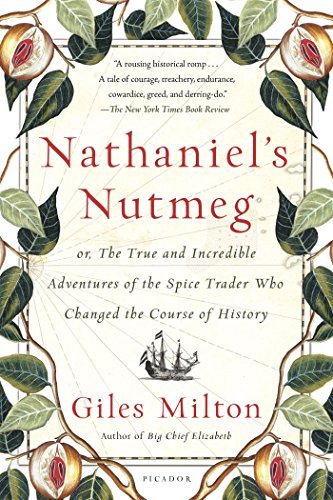
You should be aware of a couple of things before reading “Nathaniel’s Nutmeg: Or, The True and Incredible Adventures of the Spice Trader Who Changed the Course of History.” First, despite the title, this book has little to do with Nathaniel Courthope and his reputed adventures. In fact, Courthope doesn’t even appear in the narrative…
-

“As long as human foresight remains imperfect, and our passions continue to induce us to fight one another, managing armed force wisely will remain both difficult and important.” So concludes historian William H. McNeil in this nifty essay of 48 pages, which is based largely on his lengthy treatise, “The Pursuit of Power: Technology, Armed…
-

“Men, Machines, and Modern Times” by Elting Morison is a difficult book to review, primarily because it really isn’t a book at all, but rather a collection of lectures that the author delivered at various academic institutions in the 1950s. Taken together, the lectures address two distinct topics in the nature of innovation, although that’s…
-
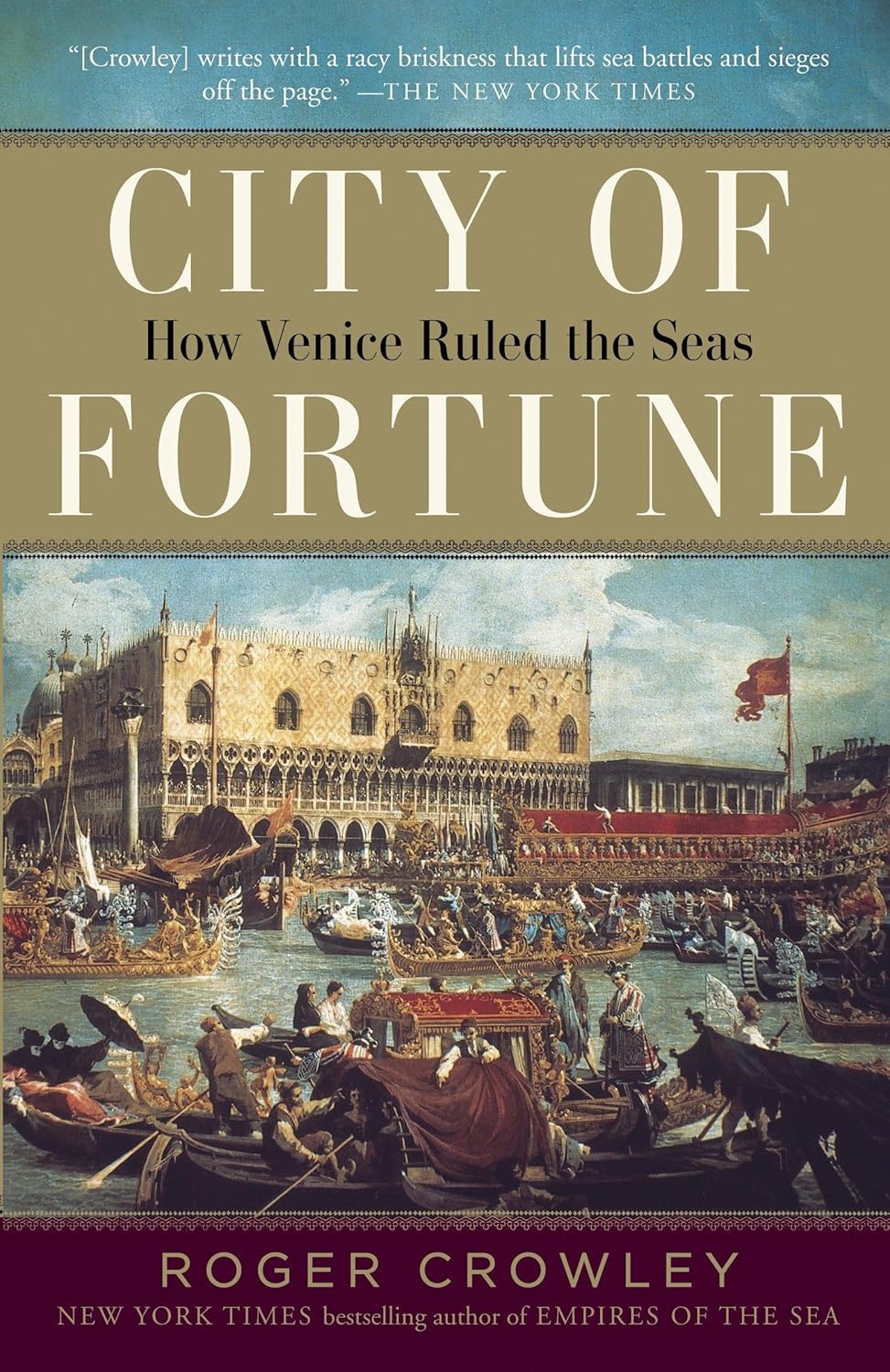
Roger Crowley has carved out a rather respectable niche for himself as a popular historian of the Mediterranean in the late Middle Ages. His scholarship is first-rate, his prose is crisp and colorful, his narratives are clear and accessible. His latest effort, “City of Fortune: How Venice Ruled the Seas,” is no exception. Crowley charts…
-
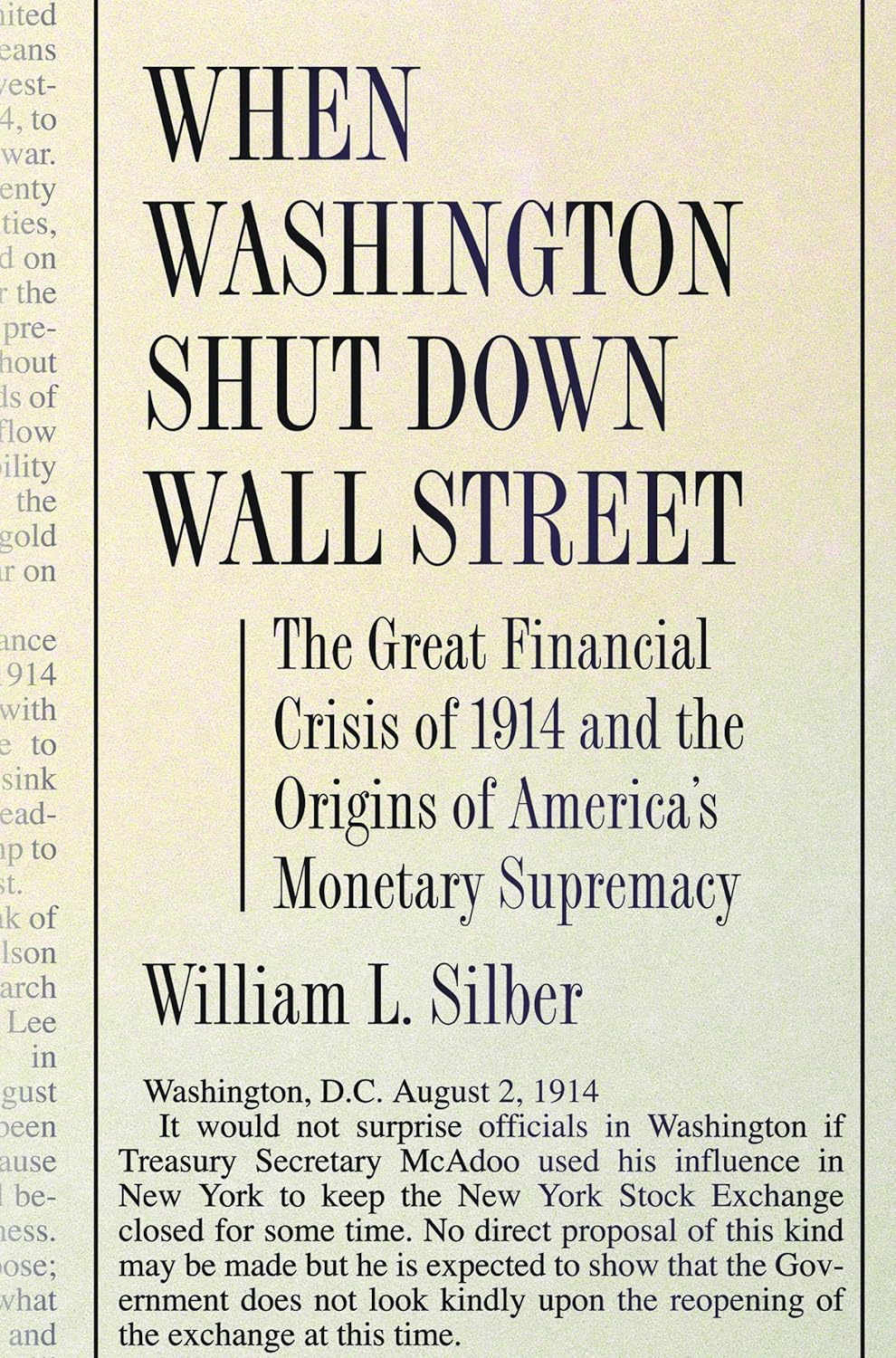
The proverbial “Almighty Dollar” hasn’t always been so almighty. In fact, if you believe William Silber, it only just recently celebrated its 100th birthday. “When Washington Shut Down Wall Street: The Great Financial Crisis of 1914 and the Origins of America’s Monetary Supremacy” argues that because of a series of bold, controversial, but above all…
 What's Tim Reading Now?