All Posts
Collected reviews from decades of reading — organized by subject and written for clarity, context, and long-term reference.
Categories
- A Very Short Introduction (4)
- Afghanistan (5)
- Africa (3)
- Age of Discovery (14)
- American Revolution (29)
- Ancient Greece (11)
- Ancient Rome (2)
- Anglo-German Naval Competition (8)
- Anthropology (3)
- Art History (6)
- Artists (16)
- British History (16)
- Business Books (19)
- Business Greats (12)
- Central Banking (8)
- China (1)
- Cold War Era (19)
- Colonial America (25)
- Commodities (10)
- Corporate Biography (11)
- Counter Insurgency (6)
- Cuba (1)
- Disease (9)
- Early Modern Europe (8)
- Early Republic (21)
- Economic Development (12)
- Economics (17)
- French Revolution (8)
- Great Depression (6)
- Great Projects (9)
- Great Writers (4)
- Industrial Revolution (14)
- Iranian Revolution (4)
- Italian Renaissance (27)
- Jacksonian America (4)
- Korea (1)
- Middle Ages (4)
- Middle East (5)
- Military Innovation (20)
- Napoleon (3)
- Philosophy (4)
- Pop History (32)
- Progressive Era (8)
- Republican Rome (16)
- Roman Empire (25)
- Russian History (5)
- Russian Revolution (3)
- Sri Lanka (3)
- The Gilded Age (4)
- U.S. Civil War (7)
- U.S. Presidents (16)
- Vietnam (8)
- World War I (6)
- World War II (10)
-
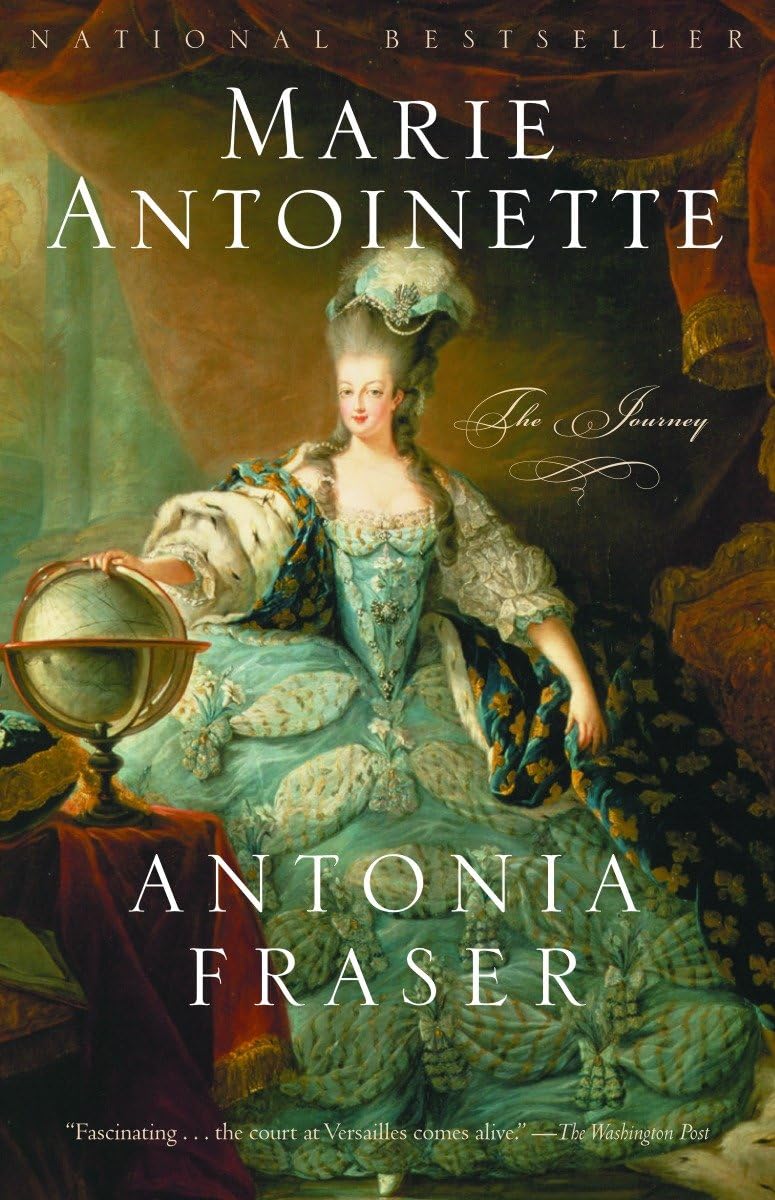
Marie Antoinette may have never said, “Let them eat cake!” Then again, much of what she had been accused of wasn’t true either, according to Antonia Fraser in this well researched, sympathetic biography of France’s most famous queen. The fifteenth child and youngest daughter of the august Maria Teresa, Empress of the Holy Roman Empire,…
-
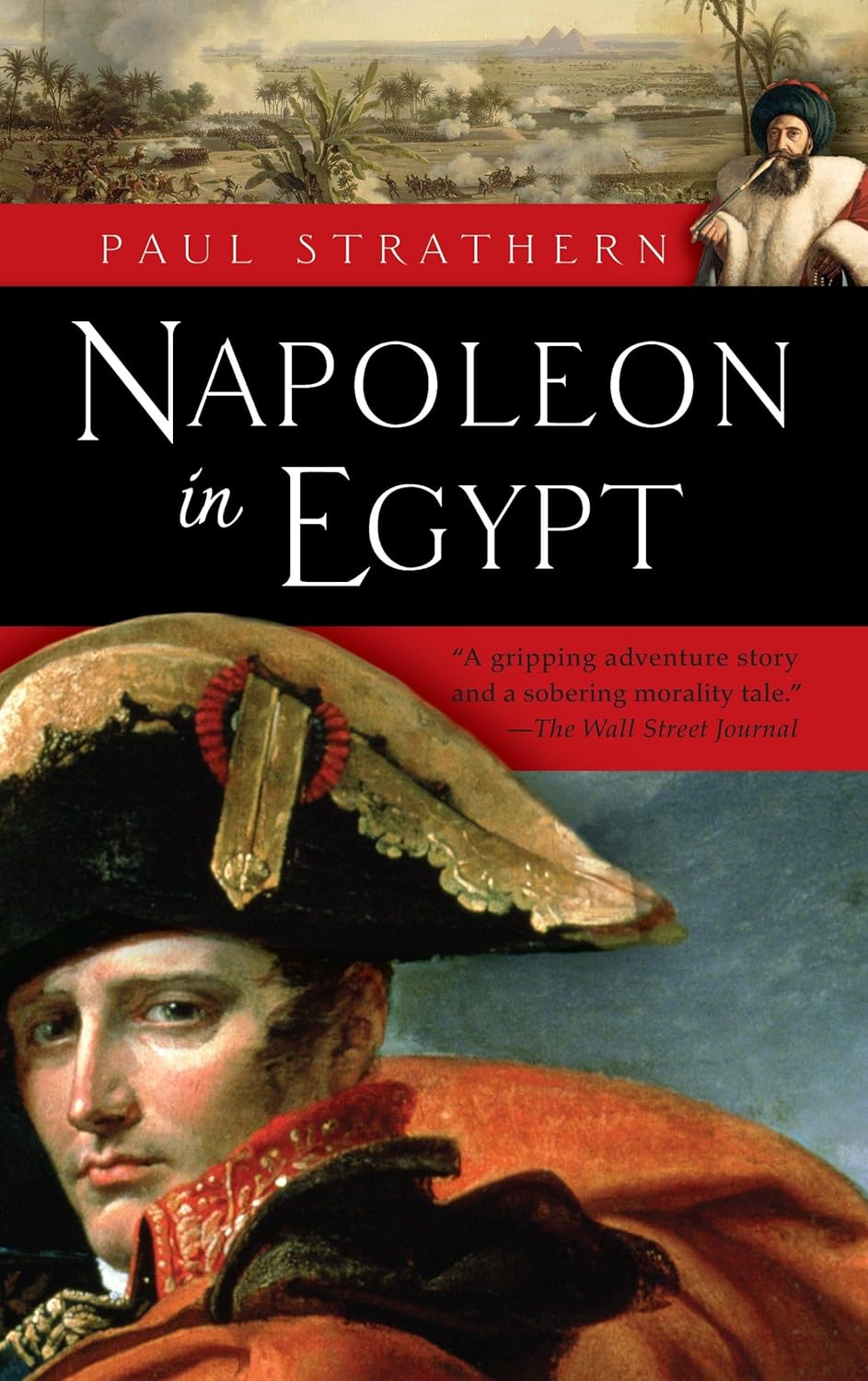
“Europe is a molehill,” Napoleon is said to have exclaimed, “We must set off for the Orient; that is where all the greatest glory is to be achieved.” The French invasion of Egypt in 1798 was one of the most audacious military and political undertakings of all time. With a fleet of 335 ships and…
-
The first in a massive three volume set first published during the centennial anniversary of the War Between the States, Shelby Foote’s “The Civil War: A Narrative” is a timeless classic. Volume One traces what Foote sees as the first phase of the war from the opening shots at Fort Sumter, when most believed the…
-

“The Pioneers: The heroic story of the settlers who brought the American ideal west” traces the epic migration of hearty Americans who settled the Ohio River valley from the end of the American Revolution to the Civil War. Author David McCullough uses the obscure town of Marietta, Ohio as his focal point and uses the…
-

There is a theme to Walter Isaacson’s award-winning biographies: from Einstein and Jobs to Franklin and Leonardo, he focuses on men “who make connections across disciplines – arts and sciences, humanities and technology – as a key to innovation, imagination, and genius.” This 2017 biography of Leonardo da Vinci is every bit as good as…
-
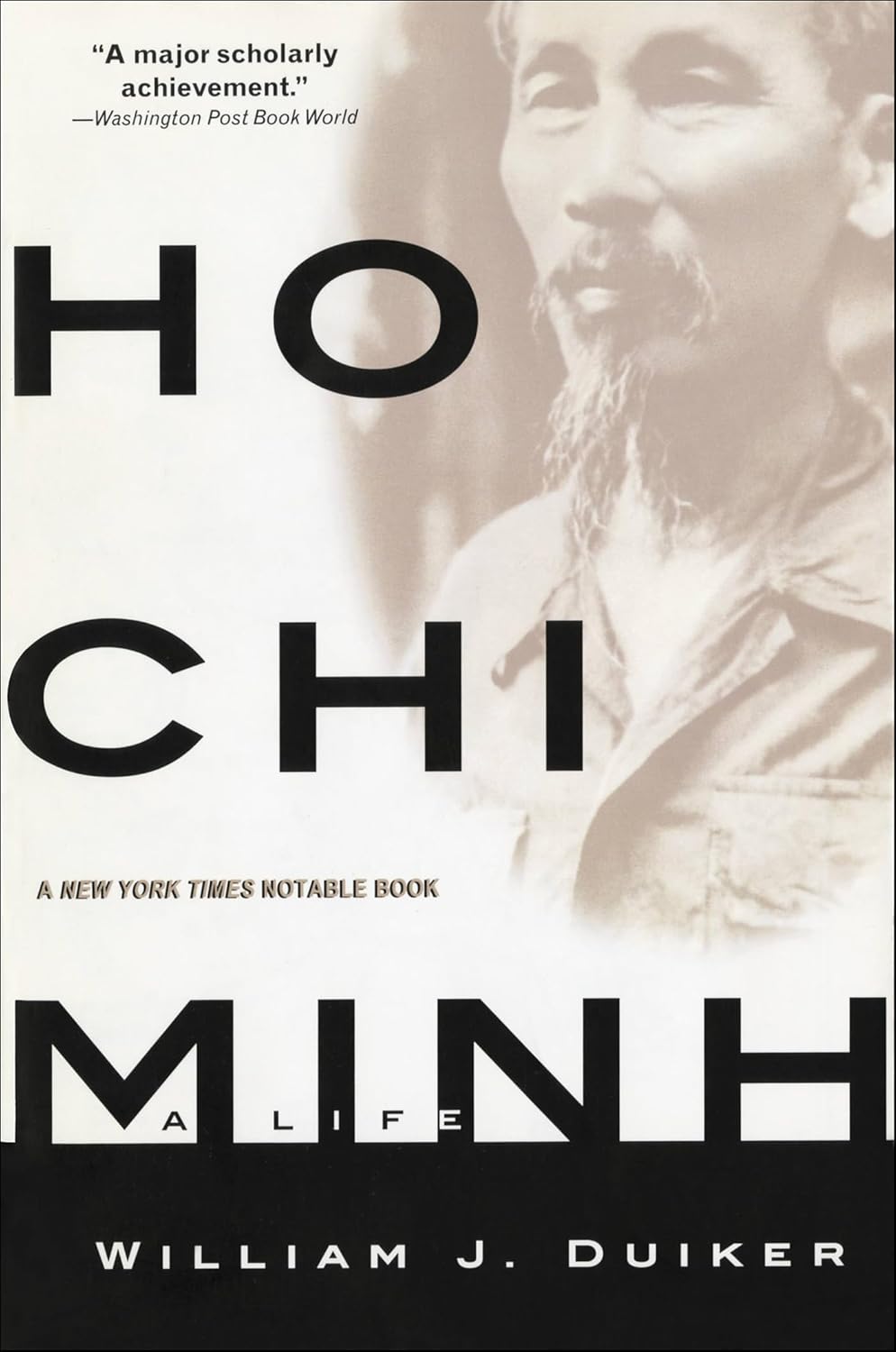
Ho Chi Minh was one of the most important political figures of the twentieth century. Yet much of his life has been shrouded in mystery. In this scholarly and highly detailed biography first published in 2000, the former Vietnam-based foreign service officer turned professor William Duiker seeks to pull back the veil of secrecy surrounding…
-
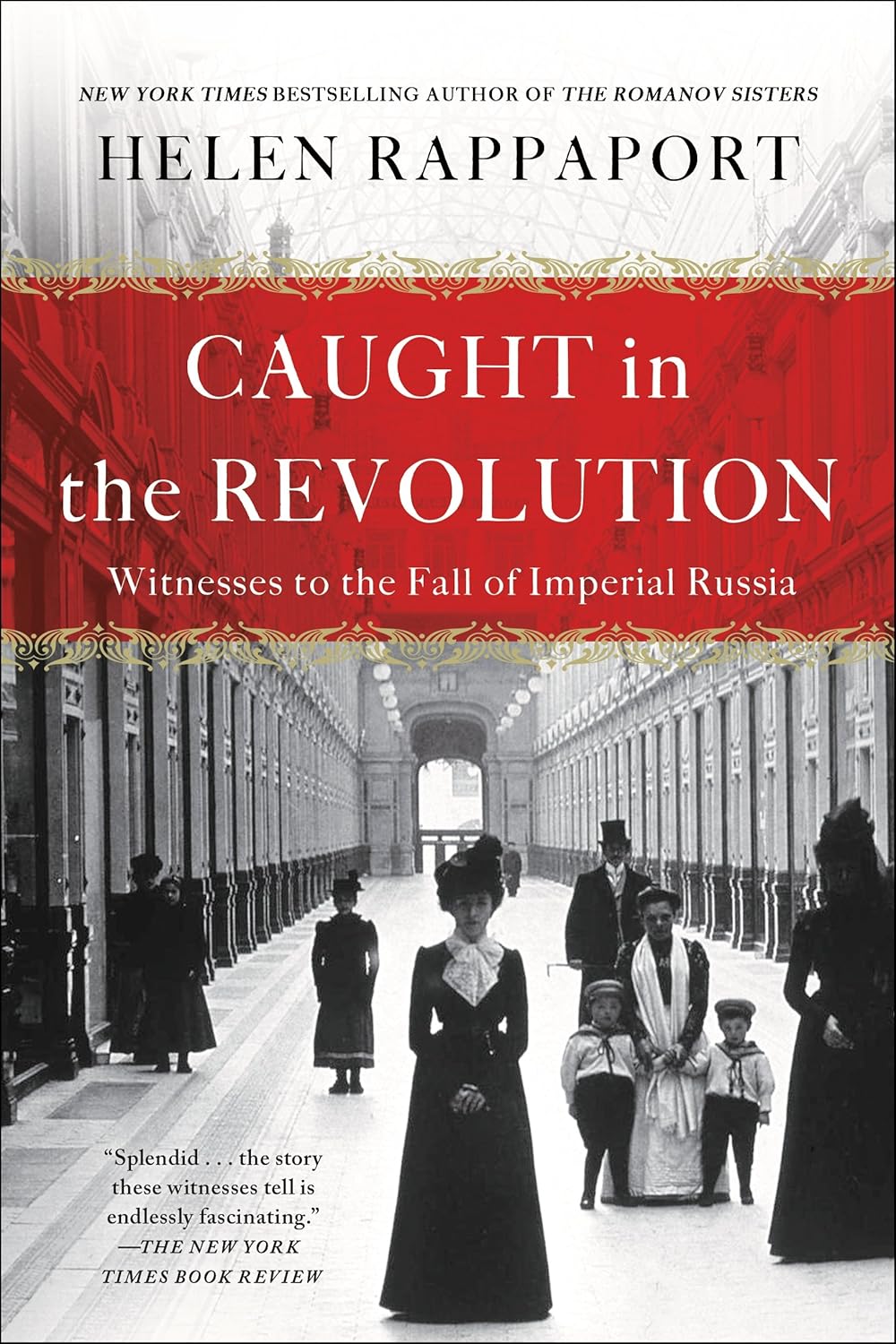
I’ve read several scholarly accounts of the Russian Revolution, but nowhere have the events of 1917 in Petrograd come alive quite like they do in Helen Rappaport’s masterful “Caught in the Revolution: Witnesses to the Fall of Imperial Russia.” Rappaport breaks her quick flowing narrative down into thirds. Part I, The February Revolution, chronicles the…
-

Nobody does it quite like Candice Millard. She finds relatively obscure historical events – the assassination of President Garfield, the Amazon adventure of former President Teddy Roosevelt, and here the young exploits of Winston Churchill in South Africa – and turns them into absolutely top-notch popular history. Her narratives are compulsively readable. My only complaint…
-
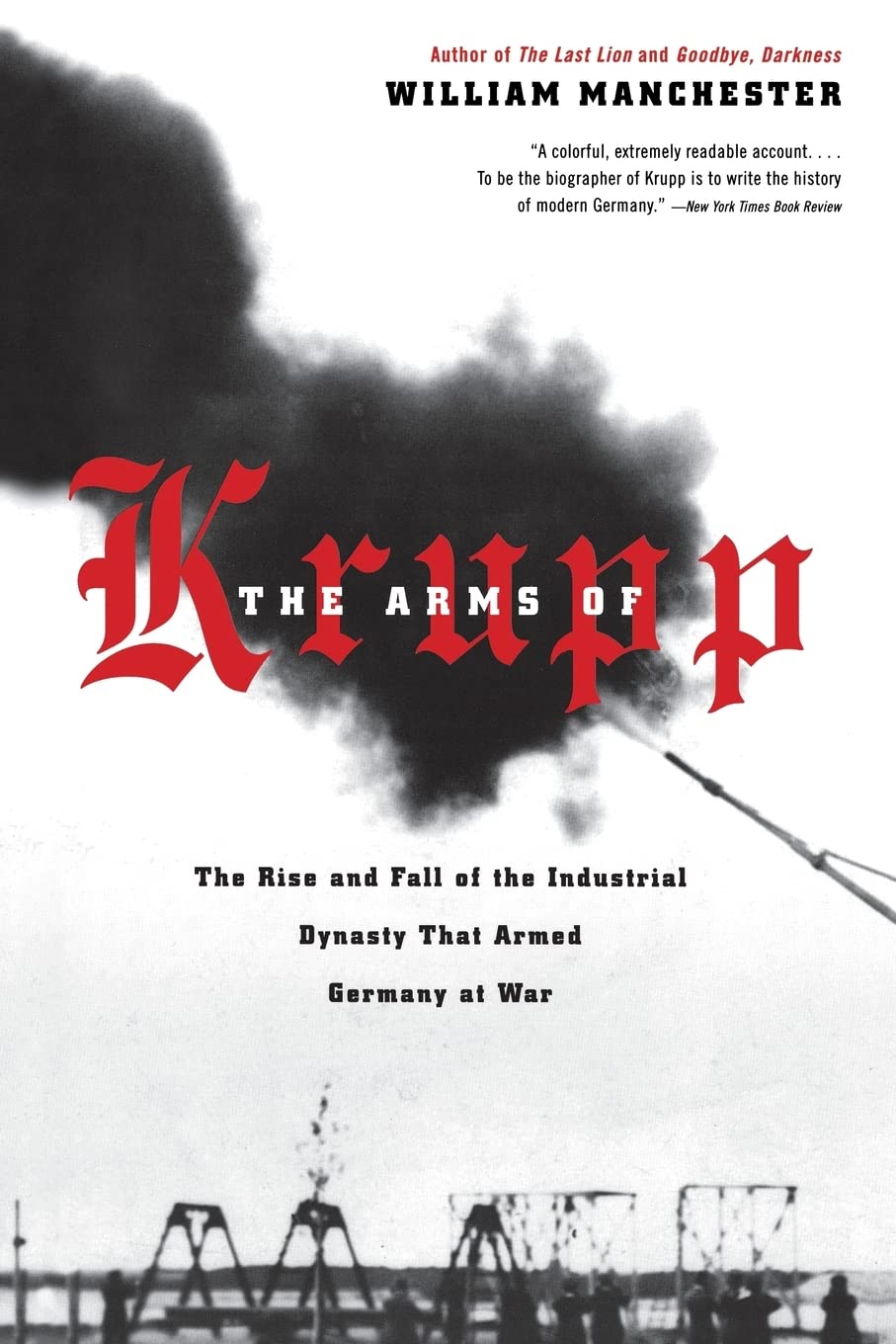
Originally published in 1964, “The Arms of Krupp” has earned the title of a non-fiction classic. Highly readable, the tale William Manchester tells is fascinating and all the more enjoyable for his mordant wit. At over 800 pages in length, however, it is a daunting read and at times can feel overwhelming. The Krupp steel…
 What's Tim Reading Now?