All Posts
Collected reviews from decades of reading — organized by subject and written for clarity, context, and long-term reference.
Categories
- Afghanistan (5)
- Africa (3)
- Age of Discovery (14)
- American Revolution (25)
- Ancient Greece (10)
- Ancient Rome (1)
- Anglo-German Naval Competition (8)
- Anthropology (3)
- Artists (12)
- British History (15)
- Business Books (16)
- Business Greats (12)
- Central Banking (7)
- China (1)
- Cold War Era (19)
- Colonial America (24)
- Commodities (10)
- Corporate Biography (11)
- Counter Insurgency (6)
- Cuba (1)
- Disease (9)
- Early Modern Europe (7)
- Early Republic (13)
- Economic Development (12)
- Economics (17)
- French Revolution (8)
- Great Depression (6)
- Great Projects (9)
- Great Writers (4)
- Industrial Revolution (14)
- Iranian Revolution (3)
- Italian Renaissance (25)
- Jacksonian America (4)
- Korea (1)
- Middle Ages (4)
- Middle East (5)
- Military Innovation (20)
- Napoleon (3)
- Philosophy (3)
- Pop History (28)
- Progressive Era (8)
- Republican Rome (16)
- Roman Empire (23)
- Russian History (5)
- Russian Revolution (3)
- Sri Lanka (3)
- The Gilded Age (4)
- U.S. Civil War (7)
- U.S. Presidents (14)
- Vietnam (8)
- World War I (6)
- World War II (9)
-
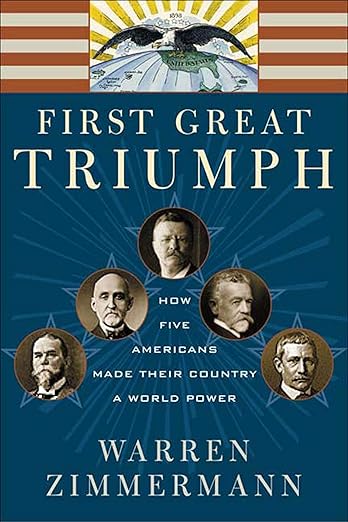
First Great Triumph: How Five Americans Made Their Country a World Power (2002) by Warren Zimmermann
In 1986 Walter Isaacson published “The Wise Men: Six Friends and the World They Made” about how a group of East Coast foreign policy establishment leaders helped craft U.S. national security and foreign policy in the early Cold War era. Warren Zimmermann’s “First Great Triumph: How Five Americans Made Their Country a World Power,” first…
-
Samuel Flagg Bemis was Sterling Professor of Diplomatic History at Yale for decades in the mid-twentieth century. In 1950 he won the Pulitzer Prize for “John Quincy Adams and the Foundations of American Foreign Policy,” an incisive portrait of perhaps the greatest diplomat in American history. Bemis charts Adams’s early days as ambassador to many…
-
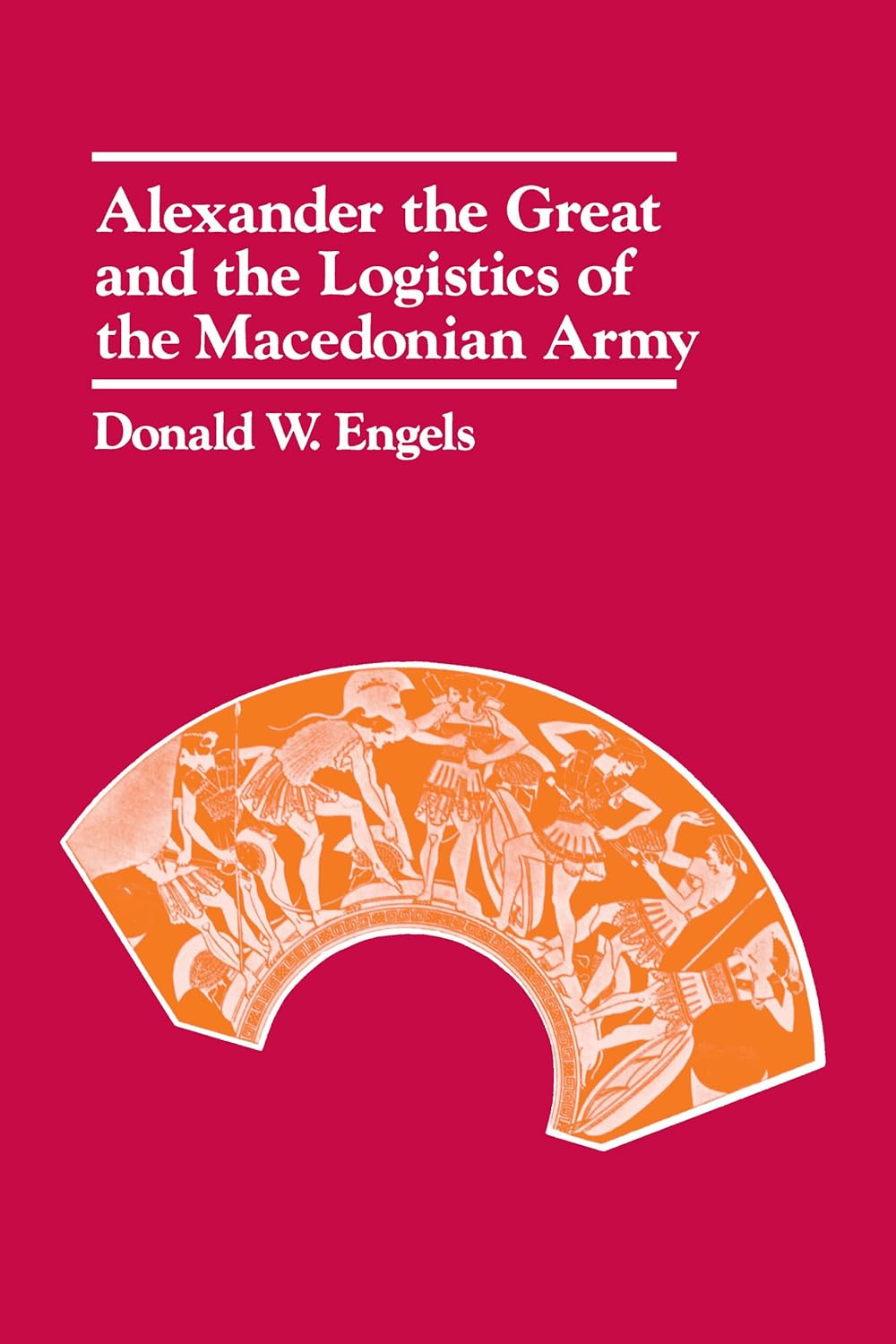
Few military commanders have succeeded quite like Alexander the Great. At the age of 33 he had conquered much of the known world. In this slim monograph (122 pages) first published in 1978, scholar Donald Engels argues that Alexander’s novel system of logistics was the cornerstone of his vaunted military machine. Although the details of…
-
General Electric is one of the most iconic companies in American history. When I was going to college in the 1990s entry level positions at GE were coveted by the best and brightest students. CEO Jack Welch was a bona fide celebrity. Other leading corporations aggressively sought executive GE talent in the hopes of capturing…
-
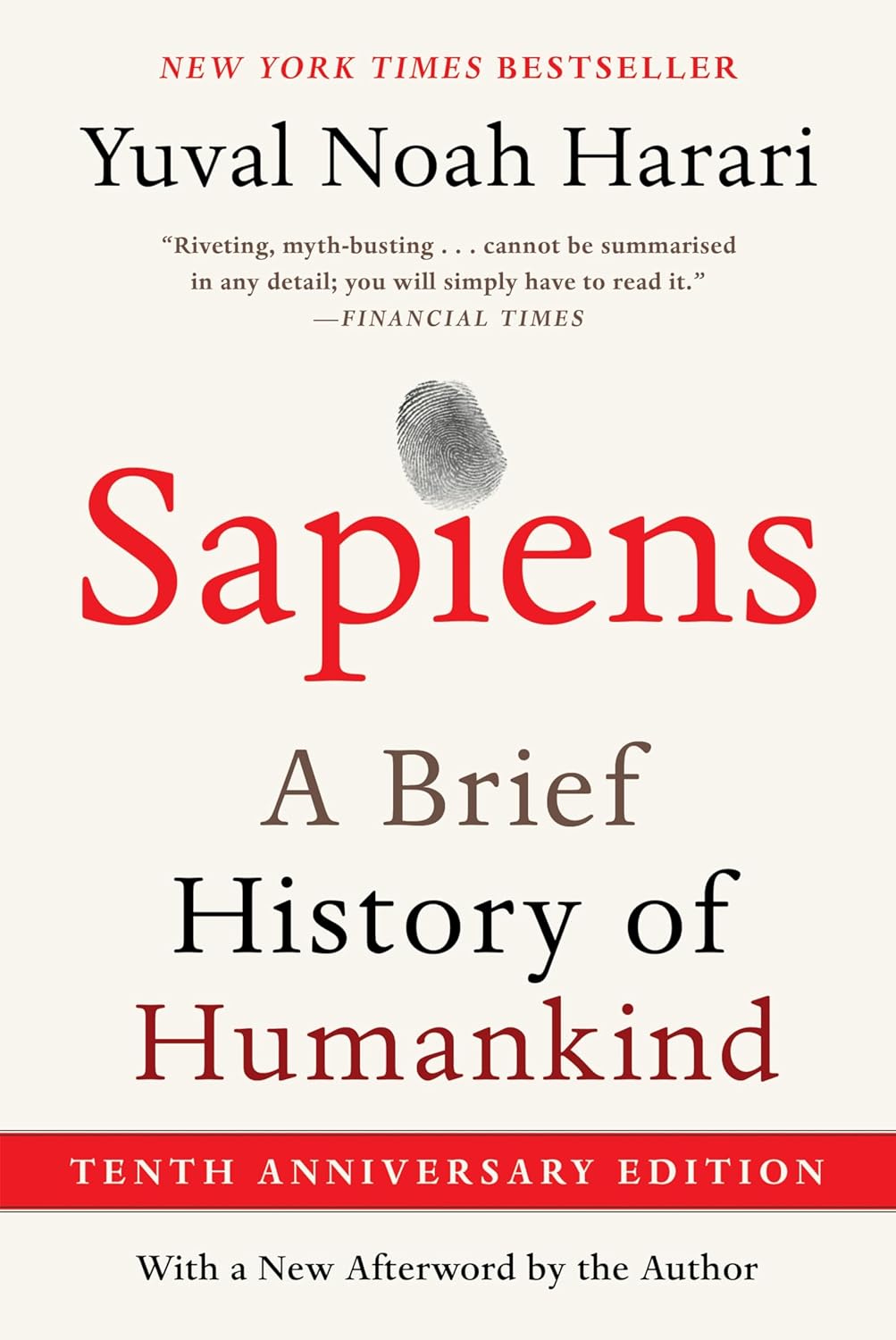
Yuval Noah Harari’s “Sapiens: A Brief History of Humankind” may be the most popular non-fiction title of the past decade. It has sold more than 10 million copies and appears in dozens of languages. What surprised me most after finally getting around to reading it is how relatively unoriginal it all is. Harari divides his…
-
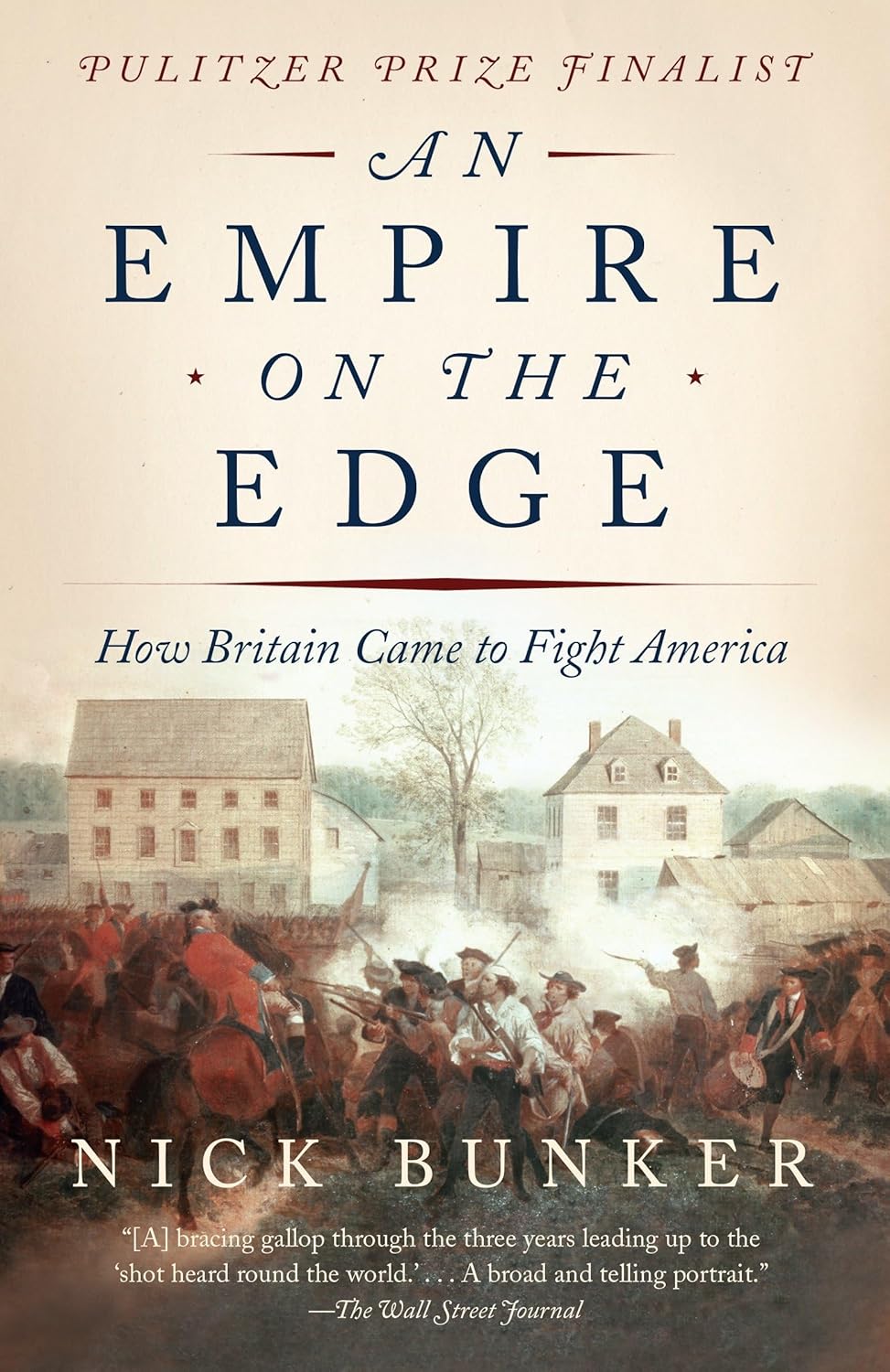
The events leading up to the American Revolution have been endlessly debated. In “An Empire on the Edge: How Britain Came to Fight for America,” journalist-turned-historian Nick Bunker lays out a crisp narrative that argues, it seems to me, that the conflict between mother country and colonies was more or less unavoidable by 1775. The…
-

American involvement in the Middle East has dominated US foreign policy since at least the Iranian Revolution of 1979. But, as American-Israeli scholar Michael Oren writes in “Power, Faith, and Fantasy: America in the Middle East 1776 to Present,” US involvement in the Middle East is long and complex, dating from literally the founding of…
-
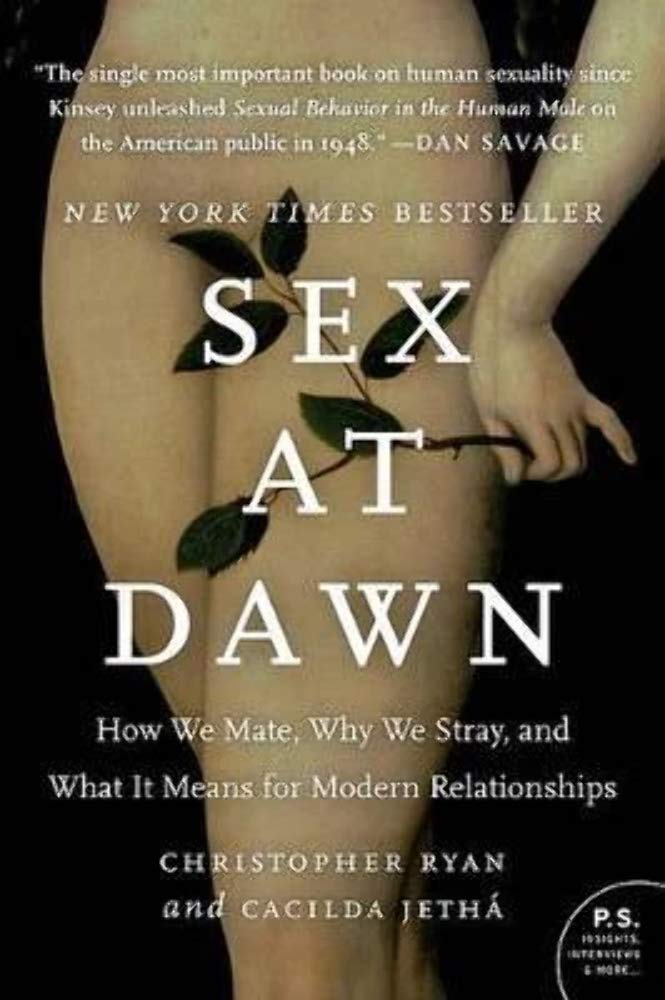
Anthropologists have long noted that marriage is virtually universally present in all cultures across time and place. From that observation it has been extrapolated that monogamous pair bonding is the natural mating arrangement for Homo sapiens. In “Sex at Dawn: How We Mate, Why We Stray, and What It Means for Modern Relationships,” Christopher Ryan…
-
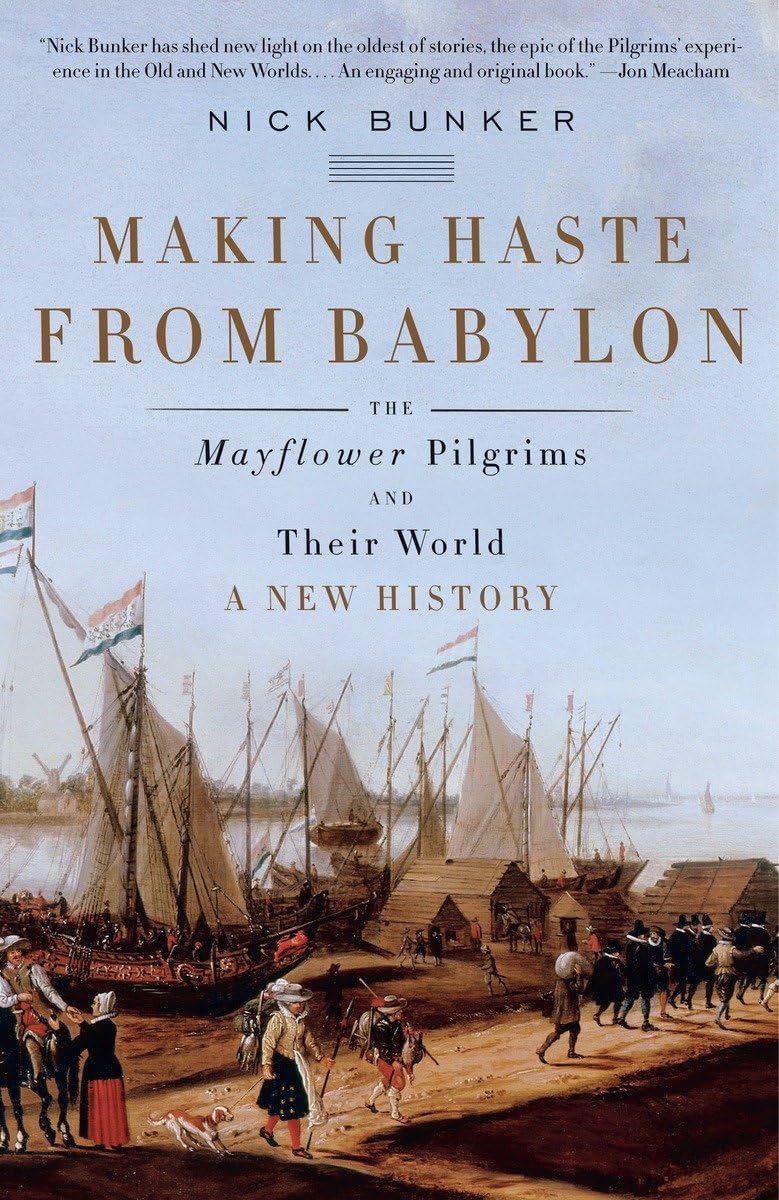
I picked up this book at a local library book sale. Last year I read “An Empire on the Edge” by the same author and thought I would give “Making Haste from Babylon” a try. There is much one might comment upon in Nick Bunker’s narrative of the Pilgrim experience, but I’ll limit mine to…
 What's Tim Reading Now?