All Posts
Collected reviews from decades of reading — organized by subject and written for clarity, context, and long-term reference.
Categories
- Afghanistan (5)
- Africa (3)
- Age of Discovery (14)
- American Revolution (25)
- Ancient Greece (10)
- Ancient Rome (1)
- Anglo-German Naval Competition (8)
- Anthropology (3)
- Artists (12)
- British History (15)
- Business Books (16)
- Business Greats (12)
- Central Banking (7)
- China (1)
- Cold War Era (19)
- Colonial America (24)
- Commodities (10)
- Corporate Biography (11)
- Counter Insurgency (6)
- Cuba (1)
- Disease (9)
- Early Modern Europe (7)
- Early Republic (13)
- Economic Development (12)
- Economics (17)
- French Revolution (8)
- Great Depression (6)
- Great Projects (9)
- Great Writers (4)
- Industrial Revolution (14)
- Iranian Revolution (3)
- Italian Renaissance (25)
- Jacksonian America (4)
- Korea (1)
- Middle Ages (4)
- Middle East (5)
- Military Innovation (20)
- Napoleon (3)
- Philosophy (3)
- Pop History (28)
- Progressive Era (8)
- Republican Rome (16)
- Roman Empire (23)
- Russian History (5)
- Russian Revolution (3)
- Sri Lanka (3)
- The Gilded Age (4)
- U.S. Civil War (7)
- U.S. Presidents (14)
- Vietnam (8)
- World War I (6)
- World War II (9)
-

The early twentieth-century naval reforms of Sir Jackie Fisher are a favorite topic of contemporary political scientists and defense policy wonks, alike. Fisher’s personal story and the drama around his relationship with his great rival, Lord Charles Beresford, are less well known or understood. At first glance, I was doubtful that a century-old bureaucratic political…
-
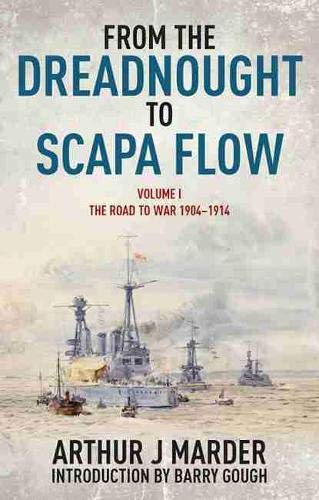
First published in 1961, Arthur Marder’s “From the Dreadnought to Scapa Flow” set the standard on scholarship of the Royal Navy in the First World War era for over a generation. To this day, no commentary on the period can be presented without noting its relationship to Marder and his classic multi-volume work. Part one…
-
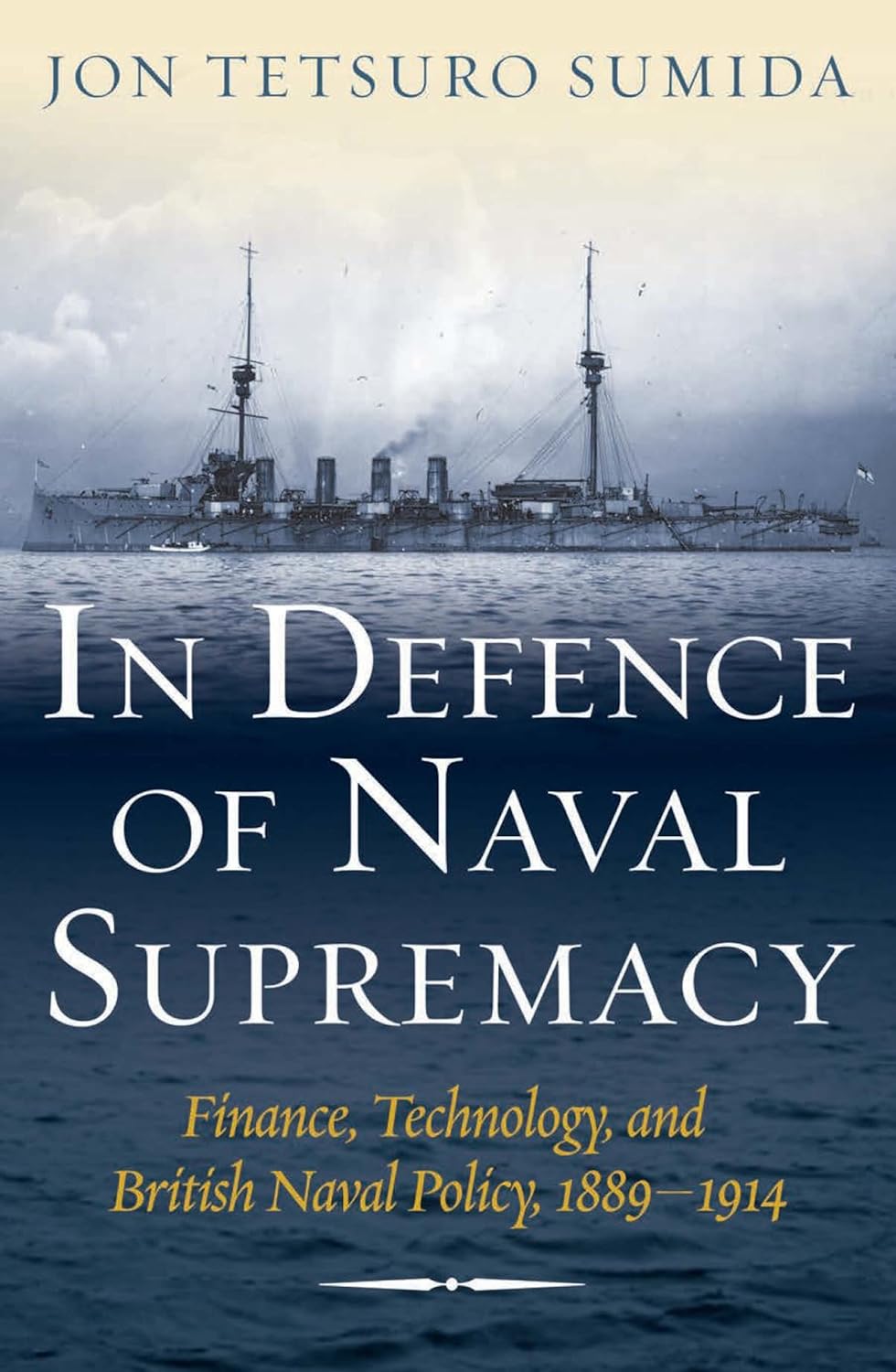
At the turn of the century, the cost of naval warship production was spiraling out of control. New technologies and sophistication had doubled the cost of battleships and first class cruisers. Moreover, the ships were growing in size, requiring more crew and substantial upgrades to port facilities. Navy estimates of 22 million pounds in 1898…
-
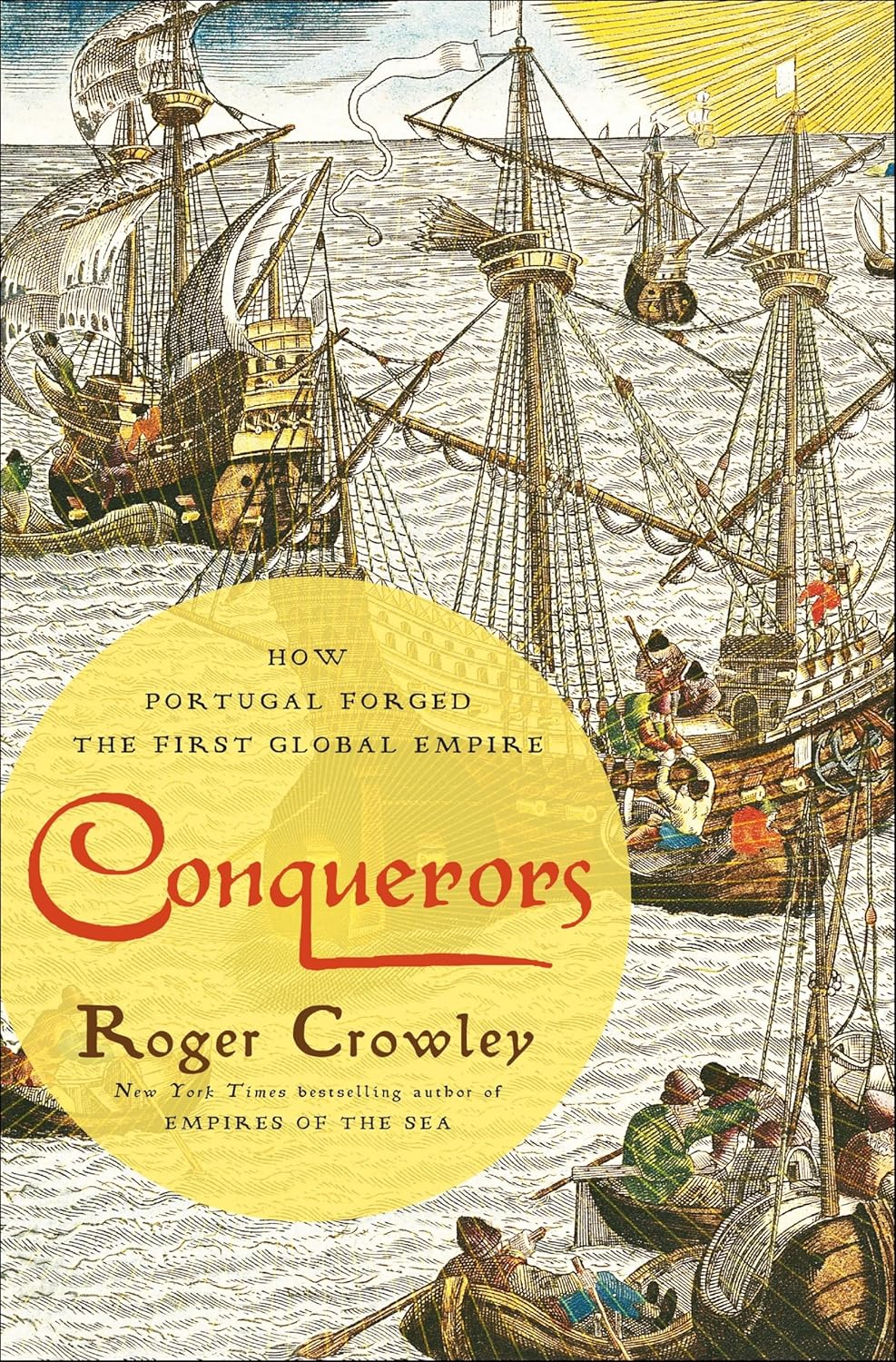
Everyone knows that in 1492 Columbus sailed the ocean blue. Less well known, but dramatically more important in the near term, Vasco da Gama sailed around Africa and into the Indian Ocean in 1498. It was a triumph of seafaring and endurance that had the effect of a hydrogen bomb being dropped on the vibrant…
-

Henry Ford may very well be greatest entrepreneur in American history. Few have had a greater impact on their time and culture the way Ford did in early twentieth century America. There are many biographies available on Ford, but “The People’s Tycoon: Henry Ford and the American Century” by Steven Watts may be the very…
-

All the Shah’s Men: An American Coup and the Roots of Middle East Terror (2008) by by Stephen Kinzer
In August 1953, the democratically elected prime minister of Iran, Mohammed Mossadegh, was overthrown in a clumsy coup d’état orchestrated by the infant Central Intelligence Agency. Veteran journalist Stephen Kinzer expertly tells this outrageous story of subterfuge in “All the Shah’s Men.” For Kinzer the episode is a cautionary tale of western meddling in Middle…
-

Herbert Hoover is mainly remembered today for his disastrous single term as president at the start of the Great Depression. That is unfortunate, as he is undoubtedly one of the most talented men of his generation and led a life jam-packed with memorable feats and achievements. In “Hoover: An Extraordinary Life in Extraordinary Times” Kenneth…
-
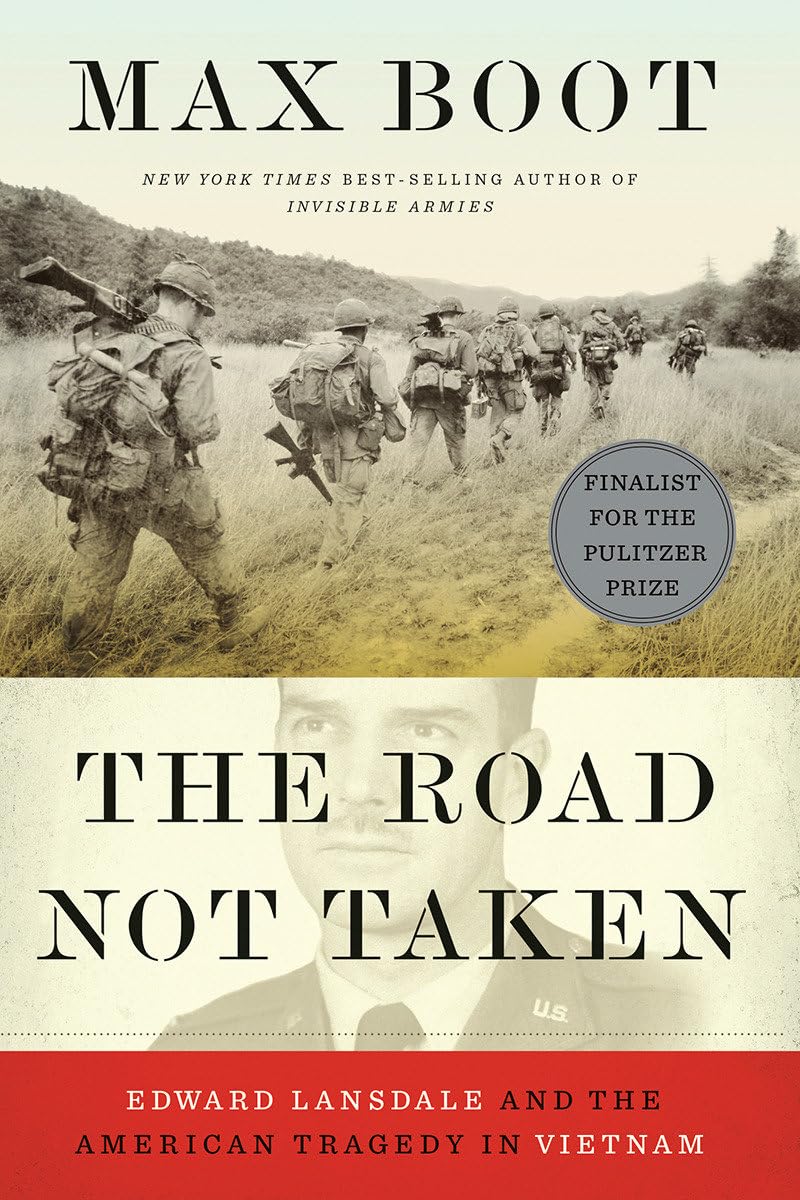
When the Japanese struck Pearl Harbor on December 7, 1941, Edward Lansdale was a 38-year-old advertising executive in San Francisco with a wife and two young children with no background or education in national security or defense policy. Amazingly, within twenty years he would emerge as the country’s leading expert on counter-insurgency. Author Max Boot…
-

Richard Pipes was a prominent scholar of Russian history at Harvard for nearly half a century. Born in Poland in 1923, he was a virulent anti-communist and served in the Reagan administration National Security Council in the early 1980s. The fact that he dedicates “The Russian Revolution” to “the victims” tells you all you need…
 What's Tim Reading Now?