All Posts
Collected reviews from decades of reading — organized by subject and written for clarity, context, and long-term reference.
Categories
- Afghanistan (5)
- Africa (3)
- Age of Discovery (14)
- American Revolution (25)
- Ancient Greece (10)
- Ancient Rome (1)
- Anglo-German Naval Competition (8)
- Anthropology (3)
- Artists (12)
- British History (15)
- Business Books (16)
- Business Greats (12)
- Central Banking (7)
- China (1)
- Cold War Era (19)
- Colonial America (24)
- Commodities (10)
- Corporate Biography (11)
- Counter Insurgency (6)
- Cuba (1)
- Disease (9)
- Early Modern Europe (7)
- Early Republic (13)
- Economic Development (12)
- Economics (17)
- French Revolution (8)
- Great Depression (6)
- Great Projects (9)
- Great Writers (4)
- Industrial Revolution (14)
- Iranian Revolution (3)
- Italian Renaissance (25)
- Jacksonian America (4)
- Korea (1)
- Middle Ages (4)
- Middle East (5)
- Military Innovation (20)
- Napoleon (3)
- Philosophy (3)
- Pop History (28)
- Progressive Era (8)
- Republican Rome (16)
- Roman Empire (23)
- Russian History (5)
- Russian Revolution (3)
- Sri Lanka (3)
- The Gilded Age (4)
- U.S. Civil War (7)
- U.S. Presidents (14)
- Vietnam (8)
- World War I (6)
- World War II (9)
-
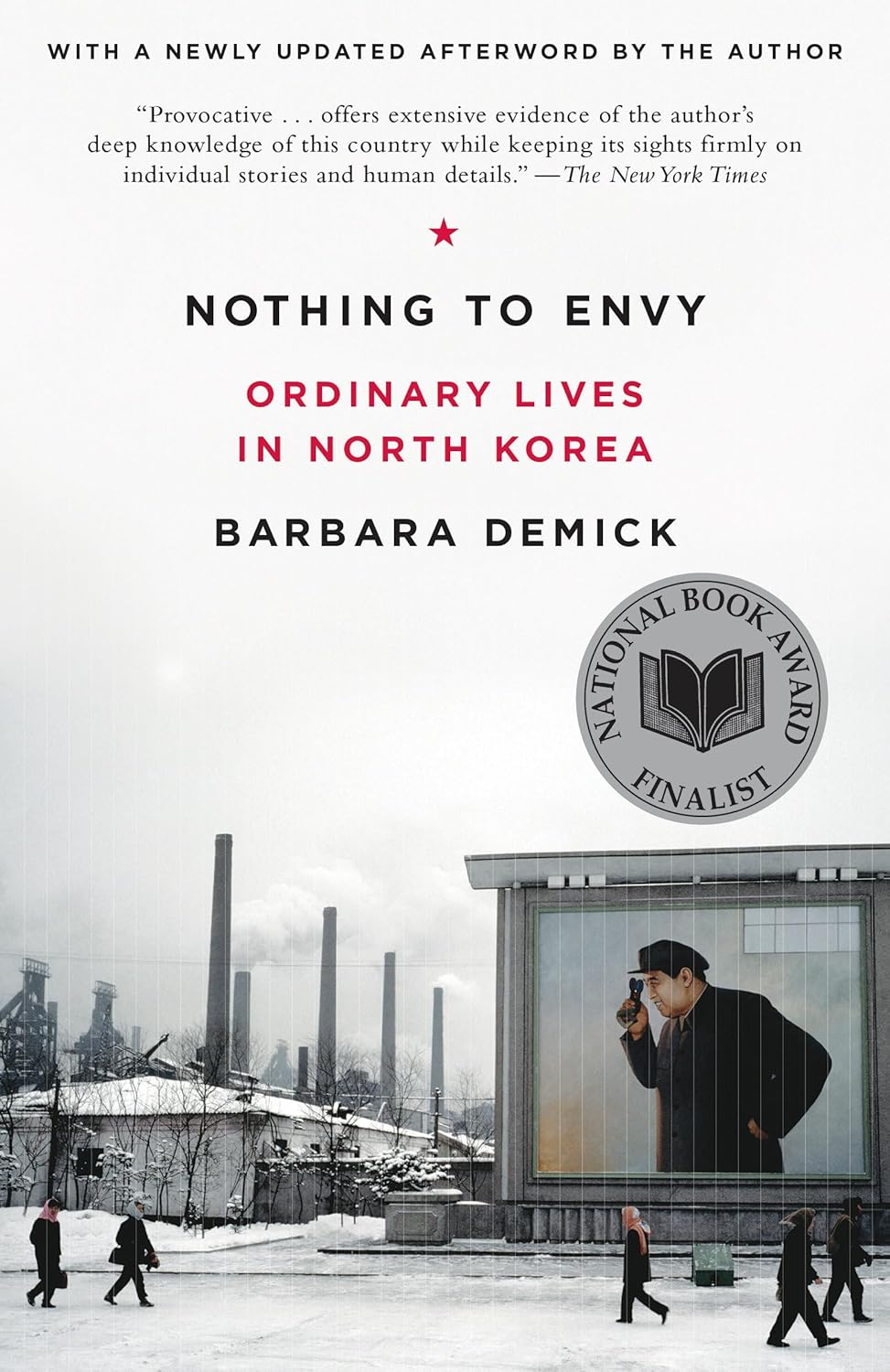
A friend of mine working at the American embassy in Beijing sent me this book. It is six separate defector’s stories from North Korea, providing a glimpse into typical lives north of the 38th Parallel from the end of the Cold War, through the death of Kim Il-Sung and catastrophic famine of the late 1990s,…
-
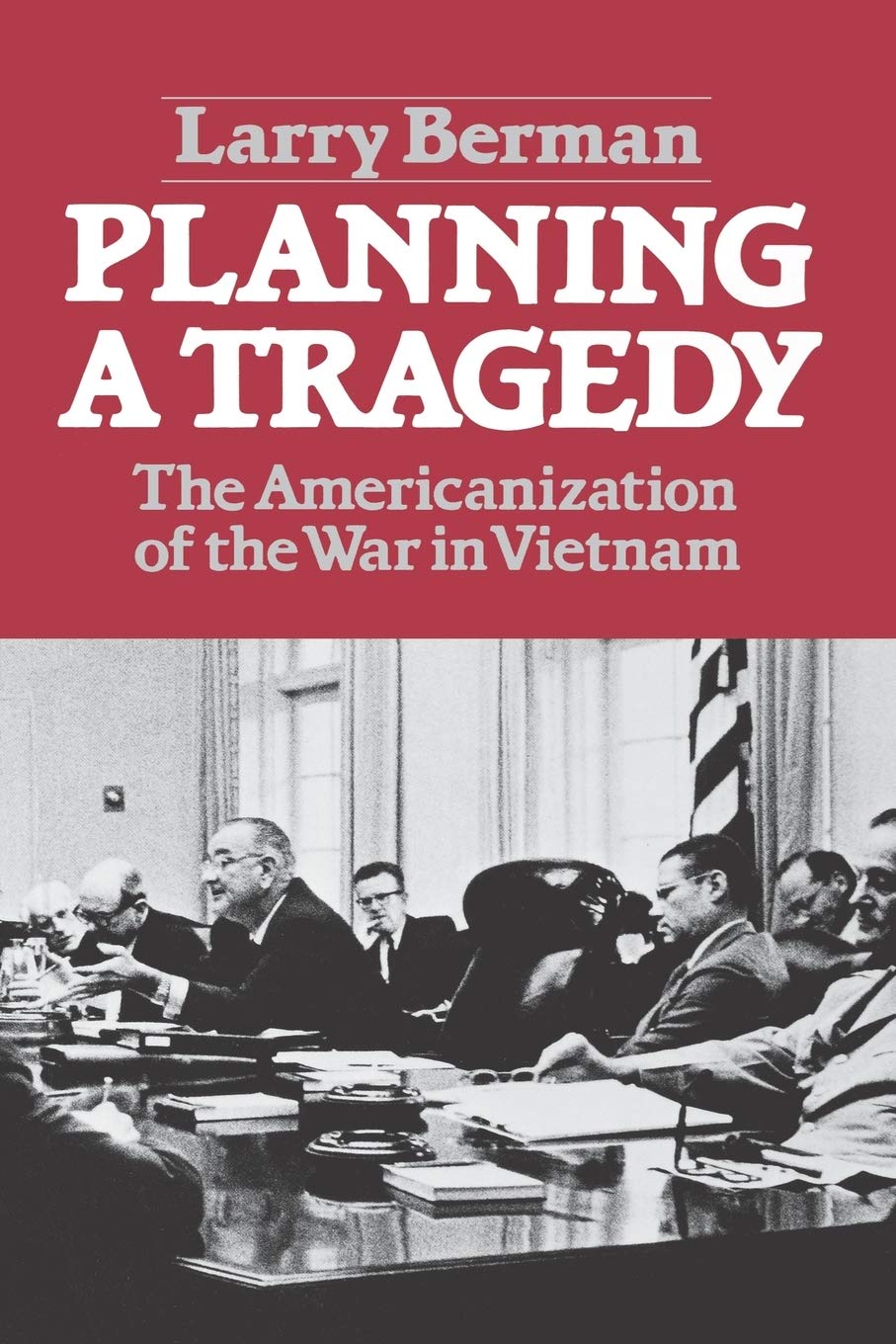
The first in a trio of insightful monographs on key decision points in the US war in Vietnam, “Planning a Tragedy: The Americanization of the War in Vietnam”, which focuses on the Johnson administration’s actions in the fateful year of 1965, may be the best of the three. The material that Larry Berman covers has…
-
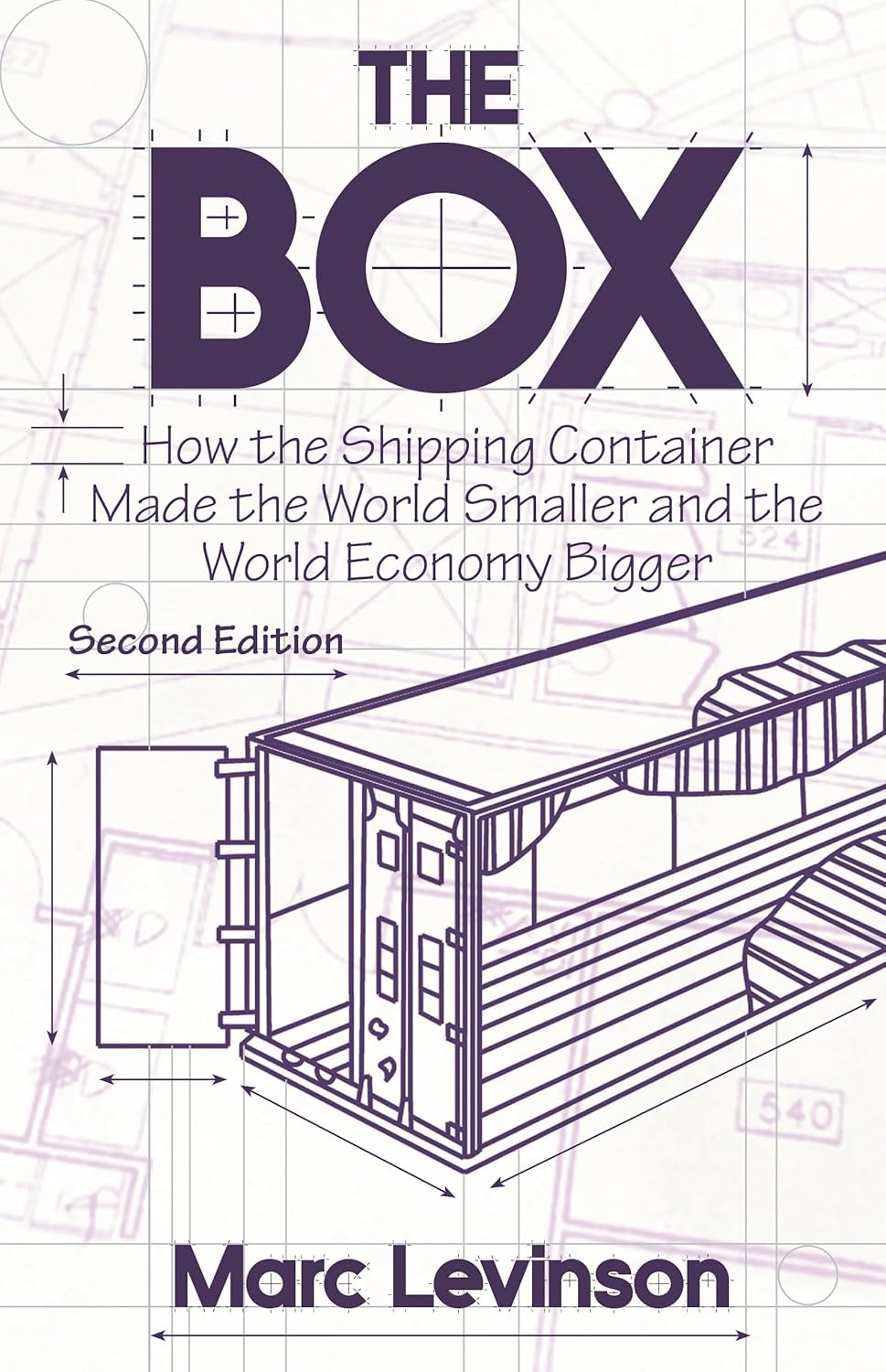
Like most inhabitants of earth, I never gave much thought to intermodal shipping. It wasn’t until I served as an economic development officer in southern Afghanistan and began looking into ways we could more efficiently export the high value fruits and nuts grown locally to the lucrative markets of the Middle East that I discovered…
-

In the opening essay in this multi-authored book, Craig Symonds wonders aloud if there is an antonym for the word synergy, a particular combination of elements that make the whole greater than the sum of its parts. Symonds suggests that such a word, the opposite of synergy, would apply well to describing the relationship between…
-

Charles Andrews, writing in the early 1920s, thought that contemporary understanding and appreciation of the American Revolution was clouded by popular propaganda and national tendency for ancestor worship. This monograph, “The Colonial Background of the American Revolution,” seeks to reverse the general habit of trying to justify rather than explain, and the tendency by early…
-
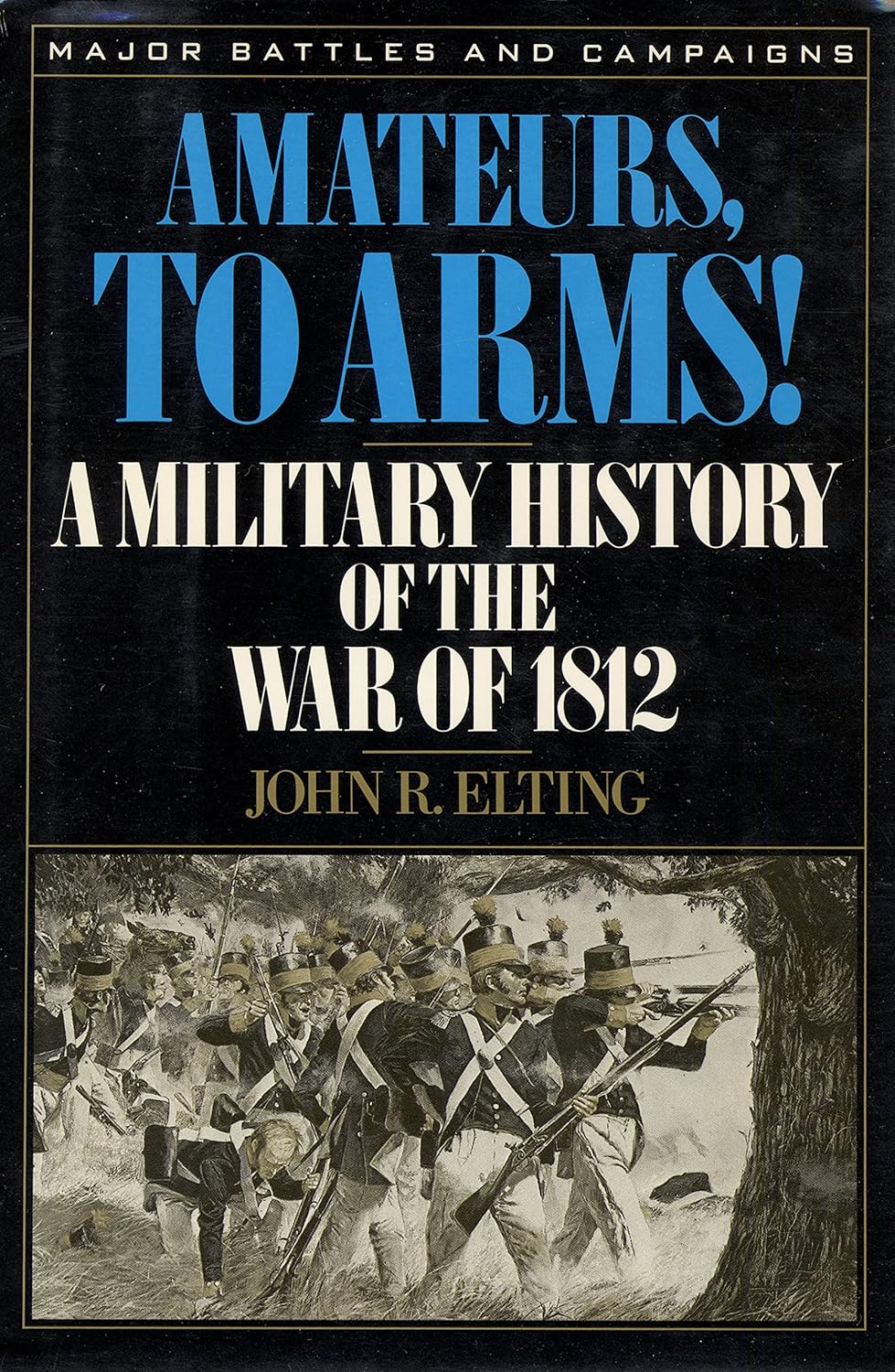
“The United States swaggered into the War of 1812 like a Kansas farm boy entering his first saloon. And, like that same innocent, wretchedly gagging down his first drink, the new nation was totally unprepared for the raw impact of all-out war.” So begins this no-holds-barred military history of one of the most purposeless, indecisive,…
-
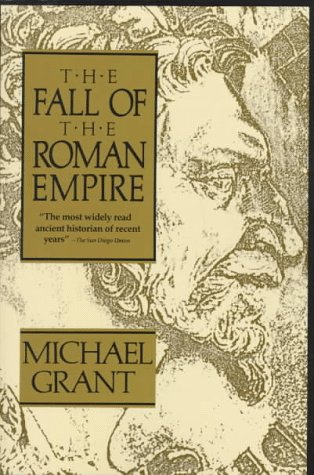
Michael Grant may not be the most revered classical scholar of the late twentieth century, but he just may be the most prolific. Mr. Grant published on an astonishing scale, especially for a man who spent most of his adult life in the diplomatic service of his country, Great Britain. This piece, underscoring the many…
-
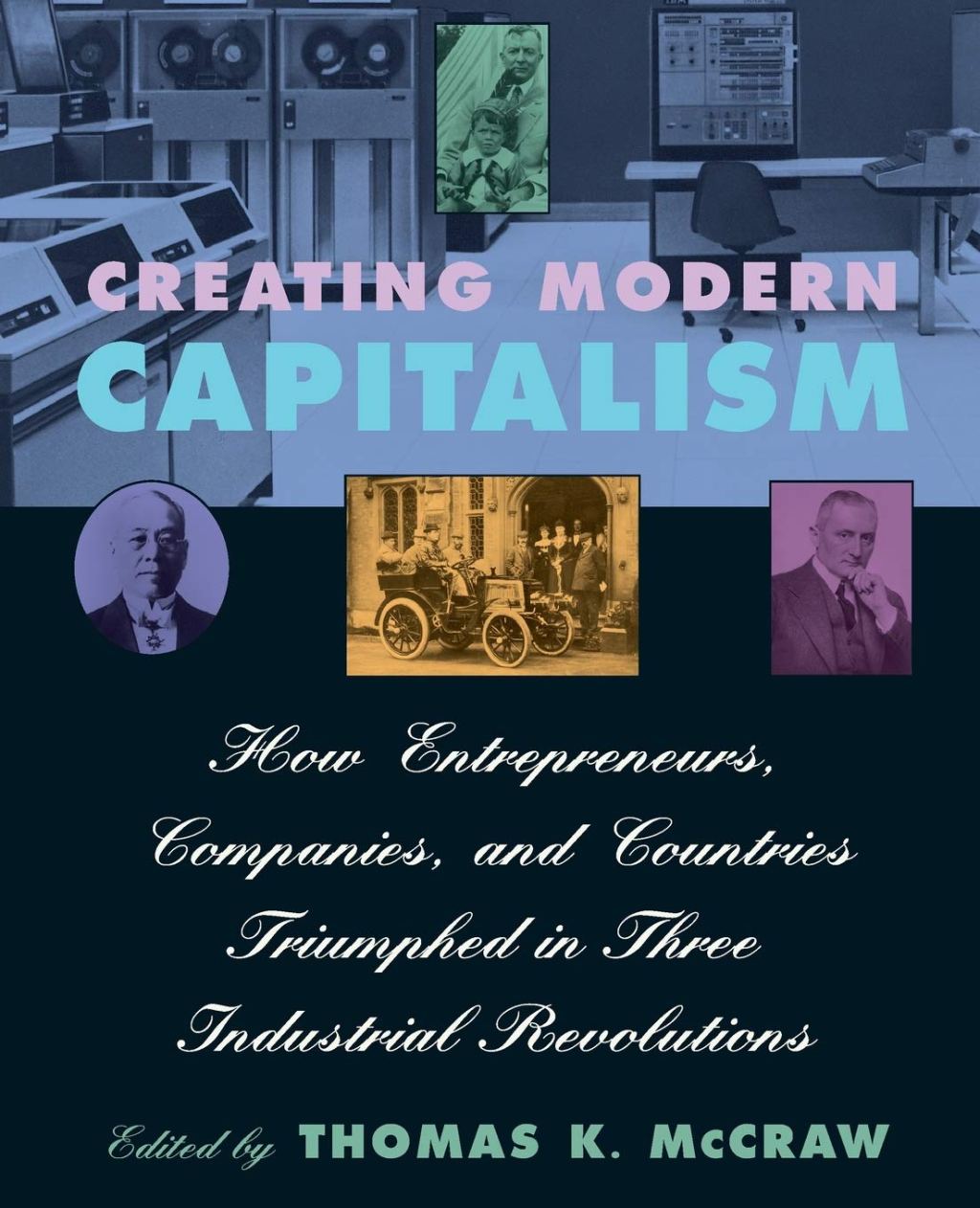
It is interesting and usually insightful to contrast influential theses on great topics in history. Take business innovation and capitalist-driven growth in the developed western economies. Alfred Chandler won the Pulitzer Prize with “The Visible Hand,” a comprehensive and penetrating review of US economic history, which argued for the powerful impact of two roughly simultaneous…
-
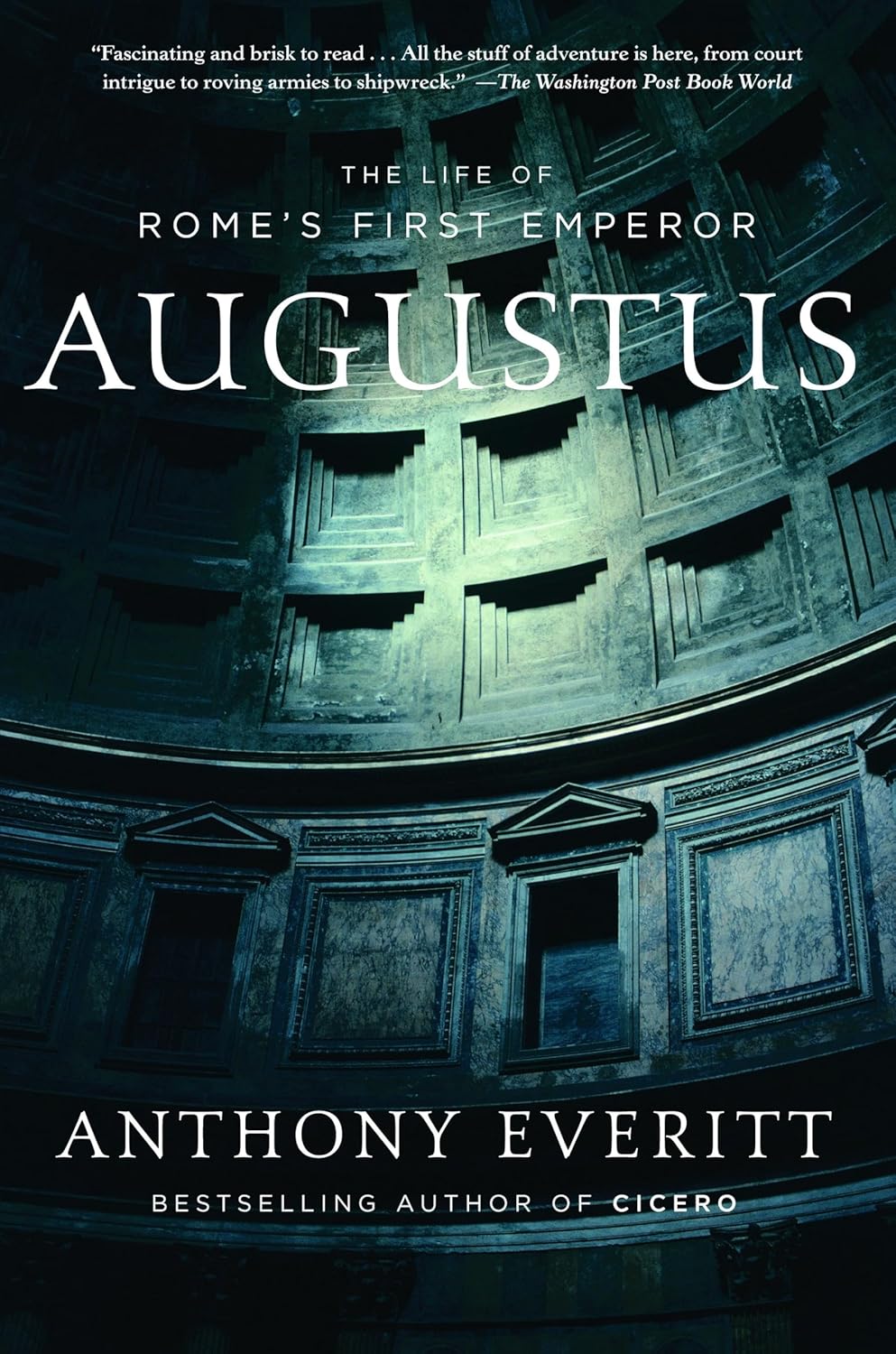
The trouble with Anthony Everitt is that he makes reading books on ancient history by other qualified, contemporary authors seem so, well, dry and ancient. He possesses a unique ability to put figures like Cicero and Octavian into situations and terms that are remarkably relatable to typical twenty-first century westerners. Long dead aristocrats from a…
 What's Tim Reading Now?