All Posts
Collected reviews from decades of reading — organized by subject and written for clarity, context, and long-term reference.
Categories
- A Very Short Introduction (4)
- Afghanistan (5)
- Africa (3)
- Age of Discovery (14)
- American Revolution (29)
- Ancient Greece (11)
- Ancient Rome (2)
- Anglo-German Naval Competition (8)
- Anthropology (3)
- Art History (6)
- Artists (16)
- British History (16)
- Business Books (19)
- Business Greats (12)
- Central Banking (8)
- China (1)
- Cold War Era (19)
- Colonial America (25)
- Commodities (10)
- Corporate Biography (11)
- Counter Insurgency (6)
- Cuba (1)
- Disease (9)
- Early Modern Europe (8)
- Early Republic (21)
- Economic Development (12)
- Economics (17)
- French Revolution (8)
- Great Depression (6)
- Great Projects (9)
- Great Writers (4)
- Industrial Revolution (14)
- Iranian Revolution (4)
- Italian Renaissance (27)
- Jacksonian America (4)
- Korea (1)
- Middle Ages (4)
- Middle East (5)
- Military Innovation (20)
- Napoleon (3)
- Philosophy (4)
- Pop History (32)
- Progressive Era (8)
- Republican Rome (16)
- Roman Empire (25)
- Russian History (5)
- Russian Revolution (3)
- Sri Lanka (3)
- The Gilded Age (4)
- U.S. Civil War (7)
- U.S. Presidents (16)
- Vietnam (8)
- World War I (6)
- World War II (10)
-

Norman Cantor’s “In the Wake of the Plague: The Black Death and the World It Made” (2001) is an ambitious but deeply problematic attempt to recast the Black Death as a transformative force in Western history, blending conventional scholarship with speculative leaps that often lack sufficient evidence. This isn’t the kind of book I expected…
-
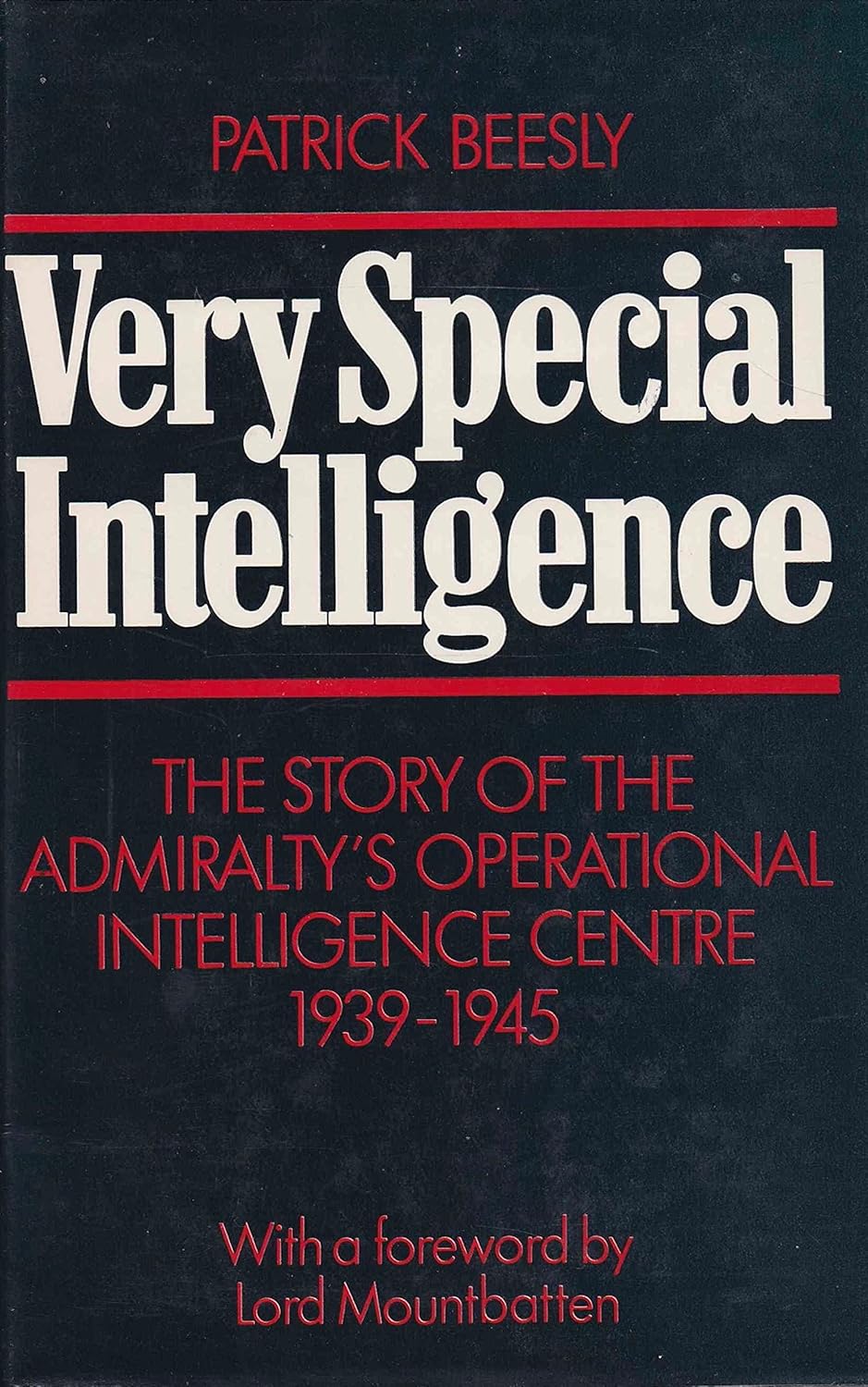
When Patrick Beesly published “Very Special Intelligence: The Story of the Admiralty’s Operational Intelligence Centre 1939-1945” (1977), he lifted the veil on one of World War II’s most closely guarded secrets. Writing from the unique perspective of an insider who served in the Operational Intelligence Centre (OIC) from 1940 to 1945, Beesly provided the first…
-
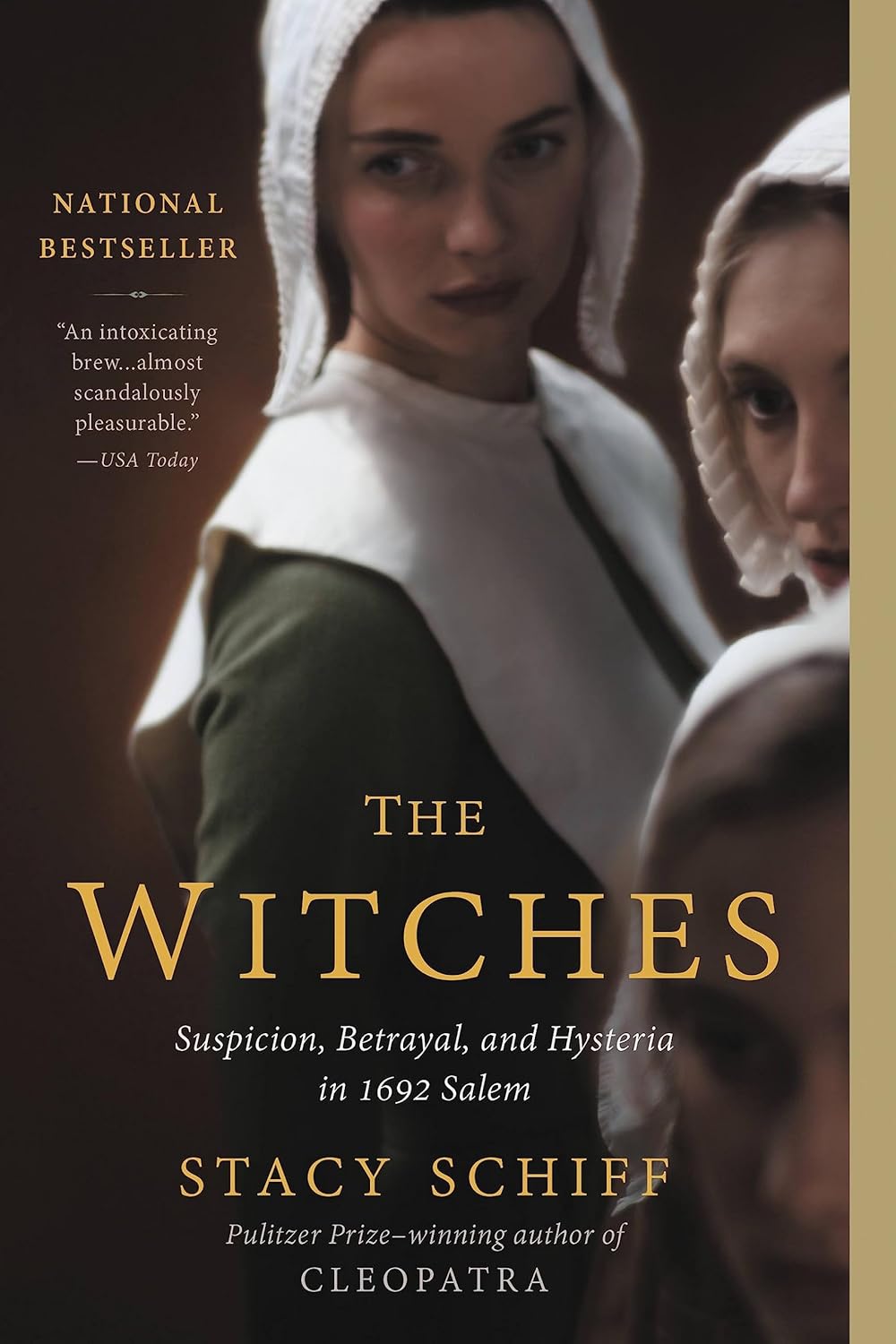
Stacy Schiff is known for her immersive storytelling and detailed characterizations. In “The Witches: Salem, 1692” (2015) she delves into the psychological and societal factors that contributed to the hysteria that led to the infamous Salem witch trials, such as the rigid Puritanical belief system, gender dynamics, and existing community tensions. Schiff’s portrayal of the…
-
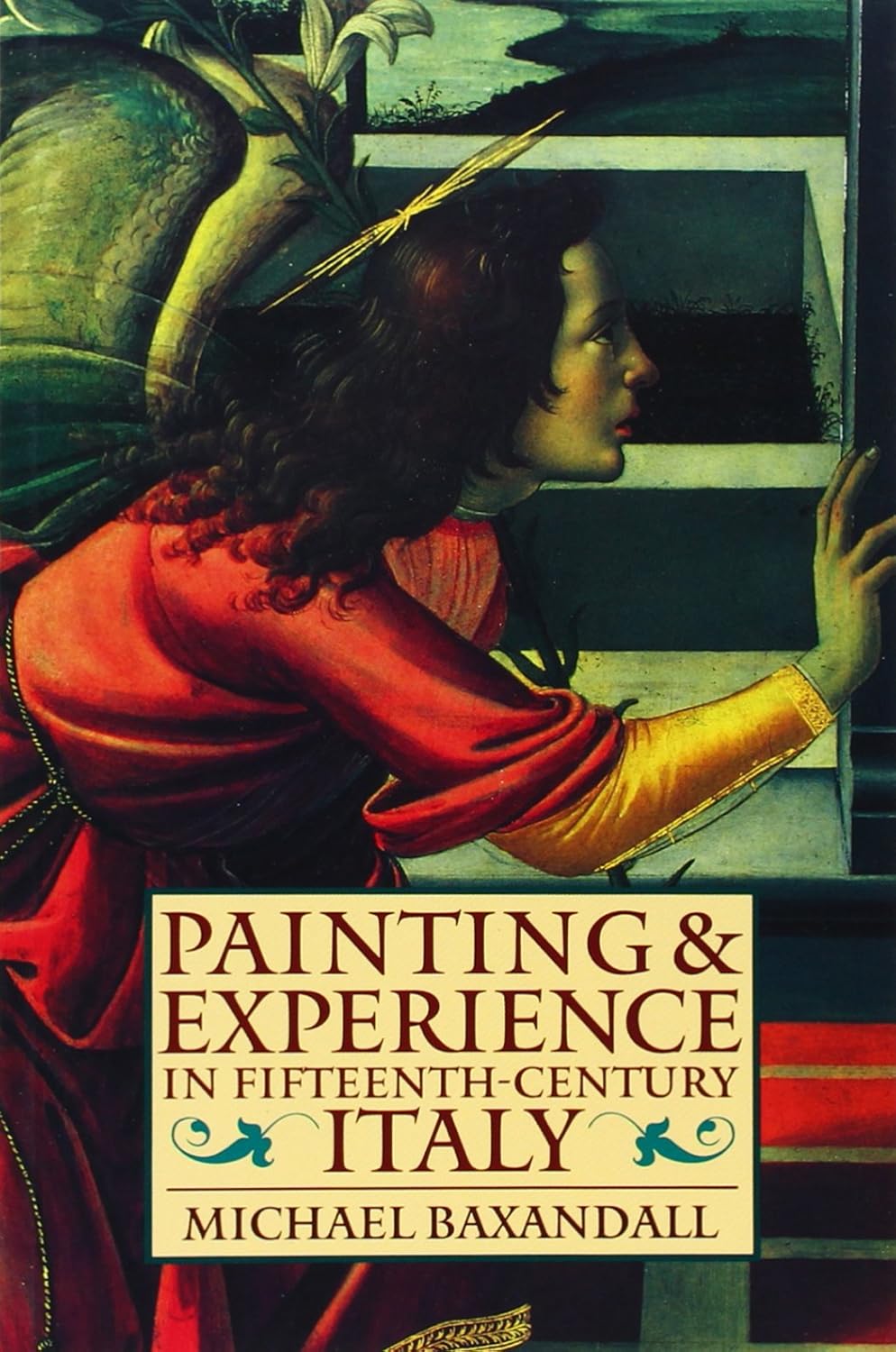
I was fully prepared to love this book. Michael Baxandall’s “Painting & Experience in Fifteenth-Century Italy: A primer in the social history of pictorial style” (1972) is considered a classic in the field and shaped an entire generation of Renaissance scholars in their appreciation and understanding of period art. Unfortunately, this slender little volume lacks…
-
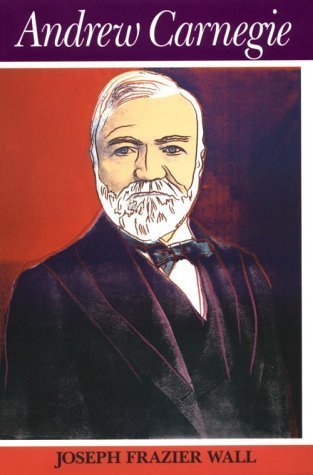
Joseph Frazier Wall’s one-volume biography “Andrew Carnegie” is a “must read” for anyone interested in early American industrial development. However, just as Carnegie’s life was much more than simply the story of steel production, so too is this biography. It is a fascinating look at the half-century of American history between the Civil War and…
-
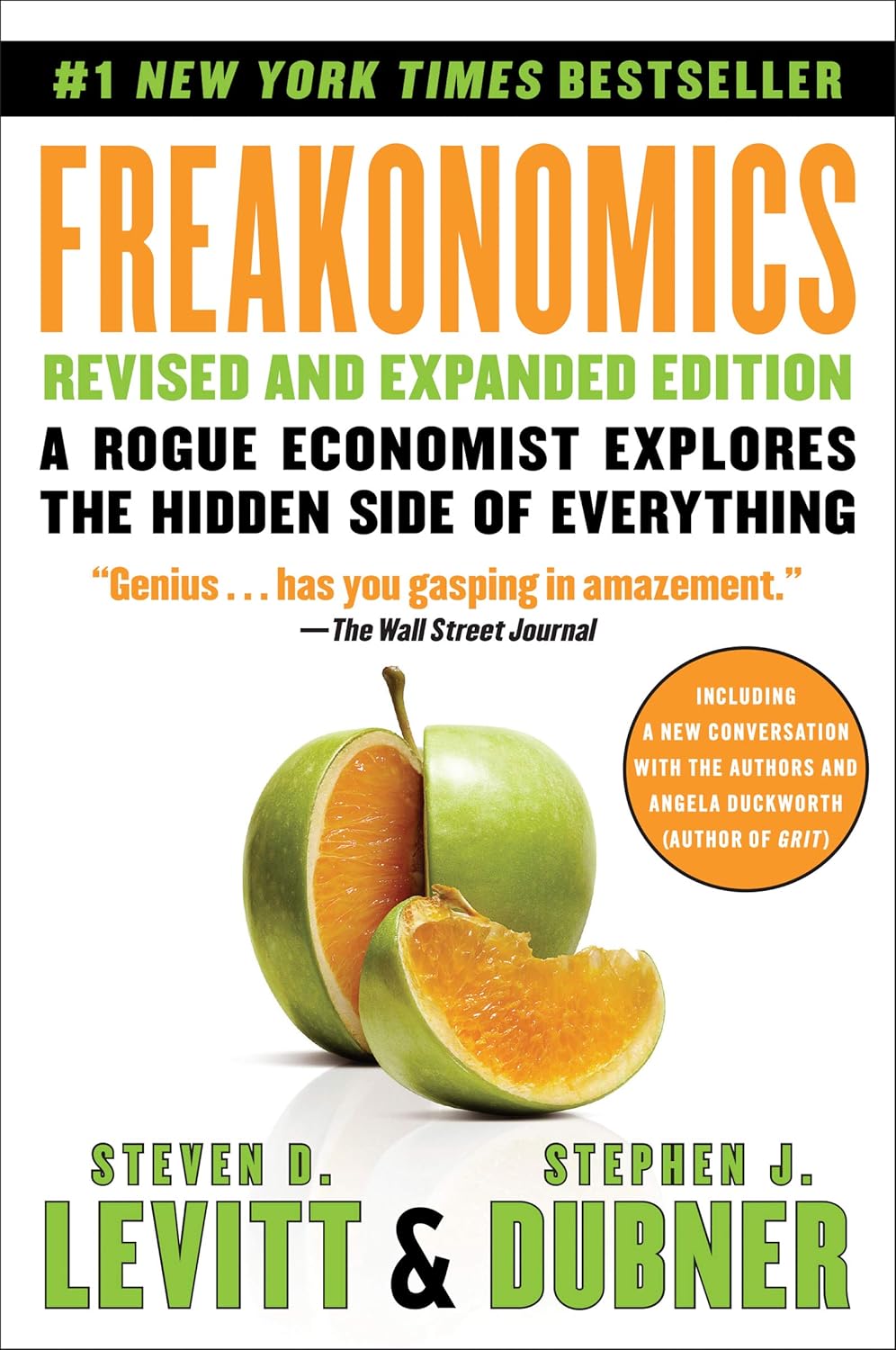
A number of years back I had the privilege of serving as a graduate intern in the Pentagon’s Office of Net Assessment. Two things I took away from that experience working directly for Andy Marshall were: 1) devote most of your energy to discovering the right questions to ask; and 2) once you zero in…
-
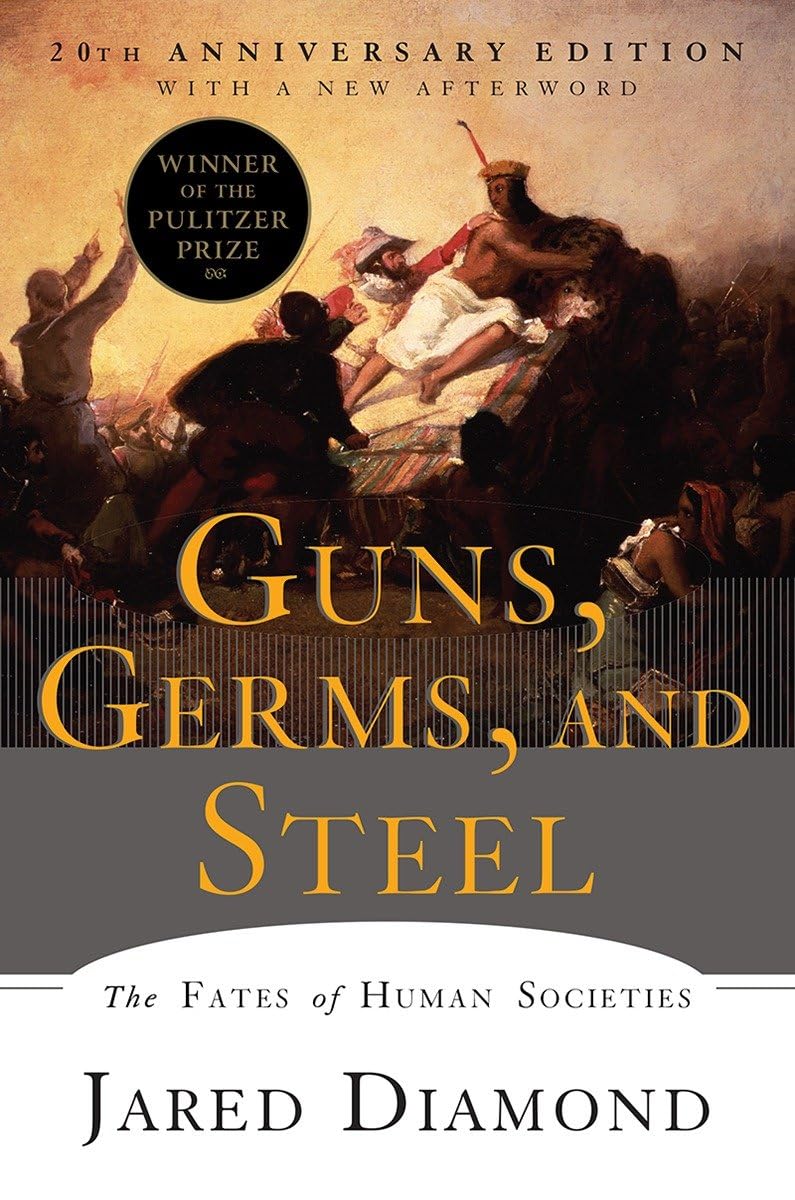
As an avid reader with no prior background in anthropology or historical geography, I found Jared Diamond’s Guns, Germs, and Steel to be truly mesmerizing—a sweeping synthesis that tackles one of the most profound questions in human history: Why did some societies conquer others rather than the reverse? Since its publication, the book has achieved…
-

Sometimes there is an obvious answer to a complex problem, but there is a missing piece that confounds even the greatest minds and resists the efforts of large-scale government programs to develop a solution. Such was the case of a reliable and accurate method for calculating longitude in the first centuries of European naval mastery…
-
Long before he was a controversial commentator on NPR and then FOX News, Juan Williams was a distinguished chronicler of the US Civil Rights era. “Thurgood Marshall: American Revolutionary” was published in 1998, a half-decade after the legendary civil rights lawyer (but rather forgettable Supreme Court justice, according to this book) passed away at age…
 What's Tim Reading Now?