All Posts
Collected reviews from decades of reading — organized by subject and written for clarity, context, and long-term reference.
Categories
- Afghanistan (5)
- Africa (3)
- Age of Discovery (14)
- American Revolution (25)
- Ancient Greece (10)
- Ancient Rome (1)
- Anglo-German Naval Competition (8)
- Anthropology (3)
- Artists (12)
- British History (15)
- Business Books (16)
- Business Greats (12)
- Central Banking (7)
- China (1)
- Cold War Era (19)
- Colonial America (24)
- Commodities (10)
- Corporate Biography (11)
- Counter Insurgency (6)
- Cuba (1)
- Disease (9)
- Early Modern Europe (7)
- Early Republic (13)
- Economic Development (12)
- Economics (17)
- French Revolution (8)
- Great Depression (6)
- Great Projects (9)
- Great Writers (4)
- Industrial Revolution (14)
- Iranian Revolution (3)
- Italian Renaissance (25)
- Jacksonian America (4)
- Korea (1)
- Middle Ages (4)
- Middle East (5)
- Military Innovation (20)
- Napoleon (3)
- Philosophy (3)
- Pop History (28)
- Progressive Era (8)
- Republican Rome (16)
- Roman Empire (23)
- Russian History (5)
- Russian Revolution (3)
- Sri Lanka (3)
- The Gilded Age (4)
- U.S. Civil War (7)
- U.S. Presidents (14)
- Vietnam (8)
- World War I (6)
- World War II (9)
-
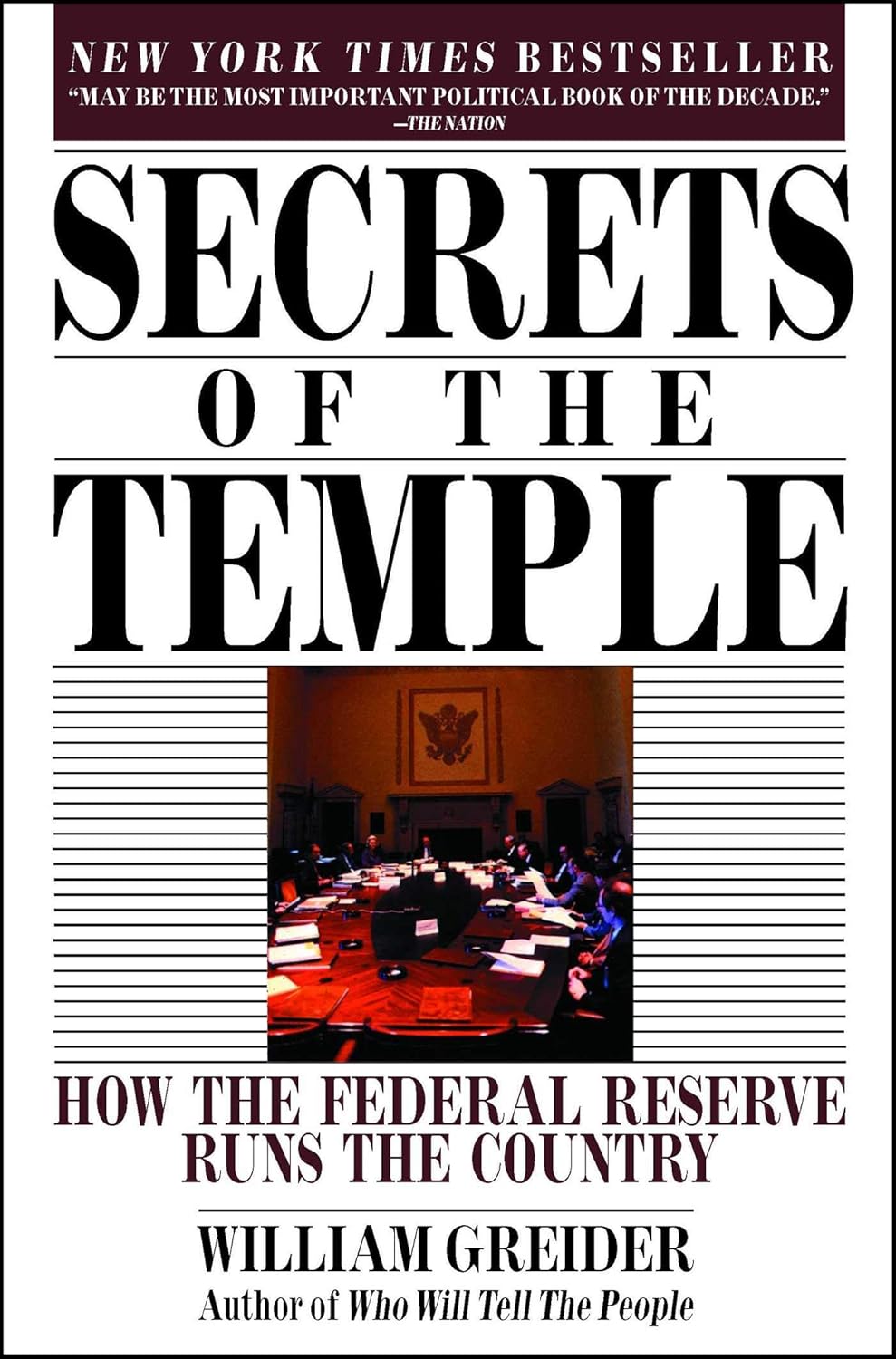
William Greider’s The Secrets of the Temple: How the Federal Reserve Runs the Country stands as a monumental work that demystifies one of the most opaque and consequential institutions in American life—the Federal Reserve. If you’ve ever found yourself baffled by headlines about the Fed “lowering interest rates” or “easing monetary policy,” Greider’s book offers…
-

Few Americans know much about Sri Lanka. I was one of them until I read this book. I decided it was time to learn more after I was named to the president’s leadership council of a prominent Asian-focused non-governmental development foundation and then was invited to visit and assess the country operations in Sri Lanka,…
-
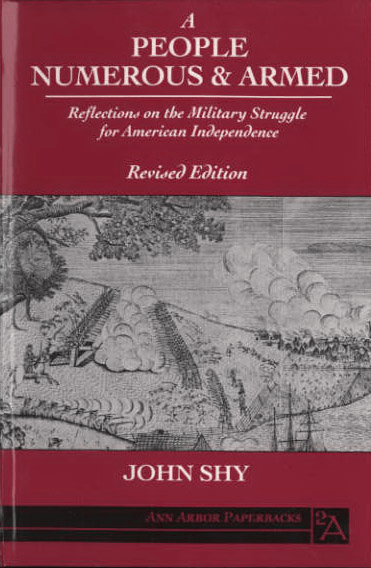
“A People Numerous & Armed” is a collection of twelve essays written by John Shy in the late 1960s and 1970s when he was an up-and-coming historian at the University of Michigan. In his own estimation, the themes that unite the varied pieces are “that war changes society, that strategy and military policy are aspects…
-

Michael Grant is a remarkably prolific and engaging historian of the ancient world, known for his ability to write clearly and forcefully, making complex historical periods accessible to a broad audience. In The Climax of Rome, Grant offers a vivid and comprehensive account of the Roman Empire during the tumultuous third century AD—a period often…
-

Few consumer brands are more iconic and deeply woven into American culture than the Hershey Bar and M&Ms. For most Americans, these candies are more than just sweet treats—they are childhood staples, lifelong companions, and comfort foods that evoke nostalgia. Personally, my confectionery loyalty lies with Reese’s Peanut Butter Cups, but the story behind these…
-
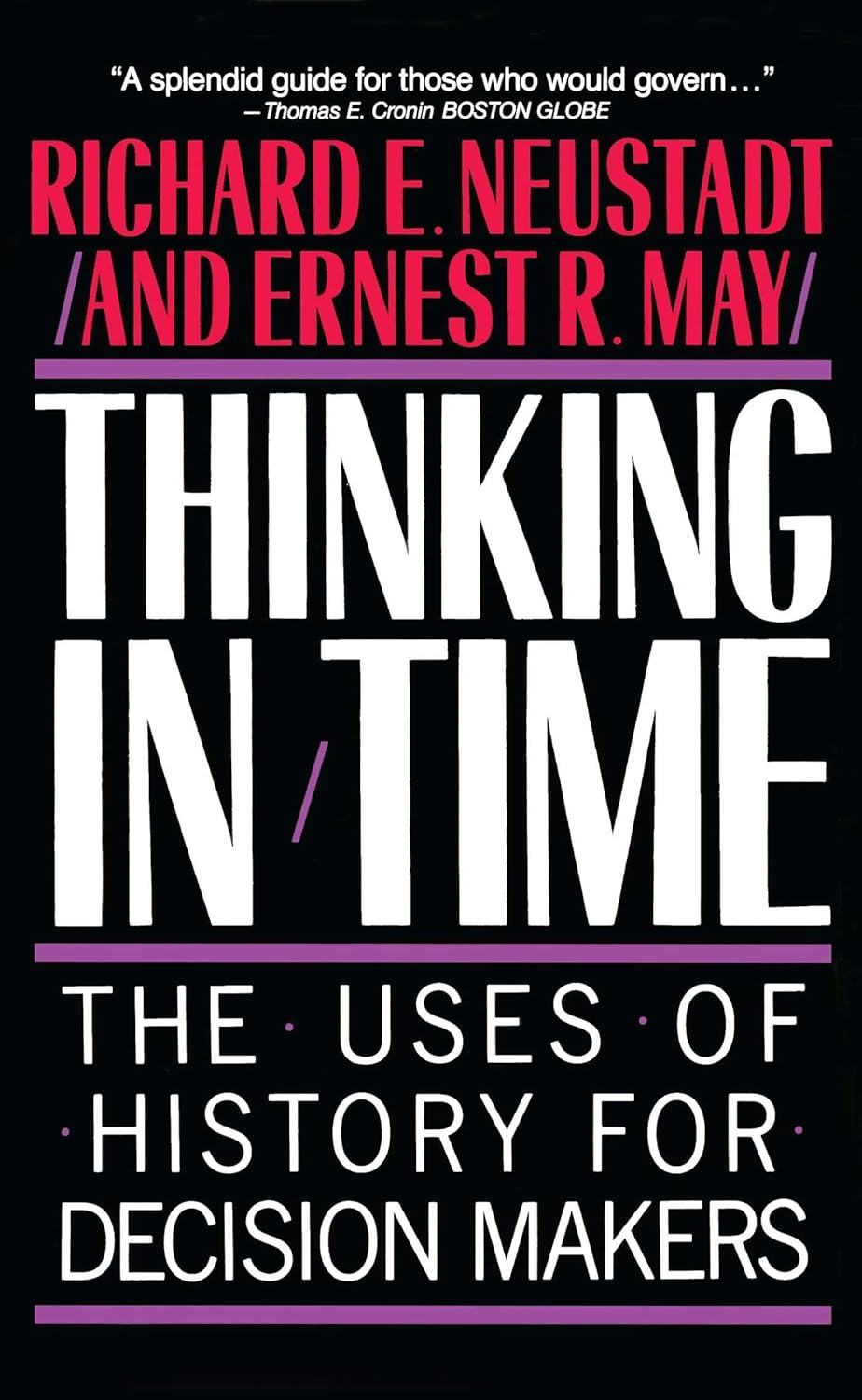
As an avid reader of history, I’ve long struggled with putting my learning to use in day-to-day situations, whether that be in evaluating critical business decisions or in helping me better observe and understand the world around me. On the one hand, there is the familiar aphorism attributed to George Santayana that those who ignore…
-
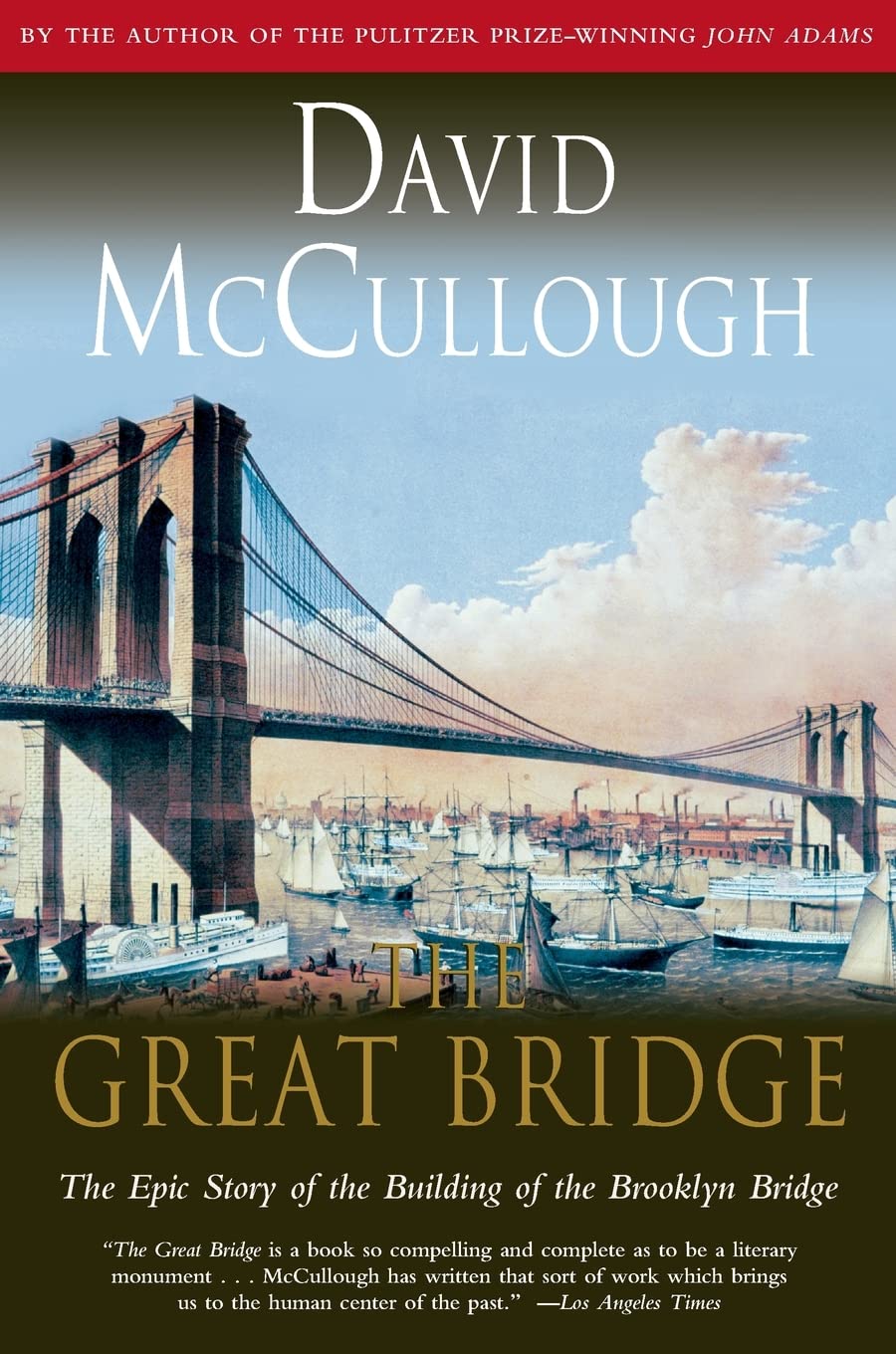
hadn’t read anything by David McCullough in several years and had forgotten just how masterful a storyteller he is. The Great Bridge, published in 1972 as McCullough’s second major historical work, remains a towering achievement in narrative nonfiction and has earned its place at #48 on The Modern Library’s list of the “100 Best Non-Fiction…
-
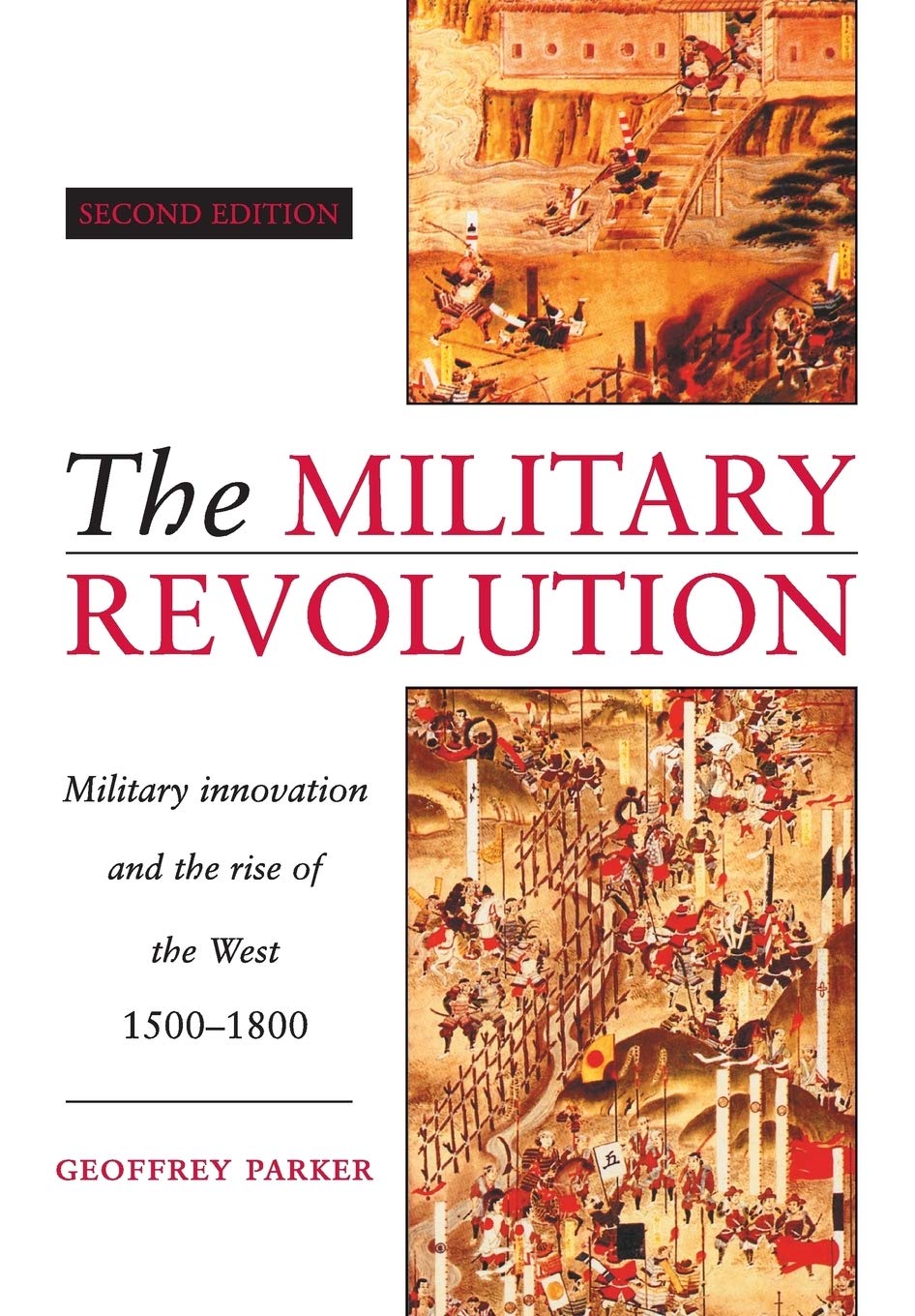
During the 1990s, discussions about a new “military revolution” shaped by advances in the Information Age dominated defense intellectual circles. Yet the concept of a “military revolution” as a transformative historical process actually dates back much further—to a seminal 1955 lecture by British historian Michael Roberts titled The Military Revolution 1560-1660. Building on and revising…
-

On the eve of the decisive showdown with Napoleonic France, Admiral Horatio Nelson was offered the opportunity to select any officer from the Navy List to serve in his fleet. Nelson’s confident, if not arrogant response was “Choose yourself, the same spirit actuates the whole profession.” The end result was Trafalgar, one of the most…
 What's Tim Reading Now?