All Posts
Collected reviews from decades of reading — organized by subject and written for clarity, context, and long-term reference.
Categories
- Afghanistan (5)
- Africa (3)
- Age of Discovery (14)
- American Revolution (25)
- Ancient Greece (10)
- Ancient Rome (1)
- Anglo-German Naval Competition (8)
- Anthropology (3)
- Artists (12)
- British History (15)
- Business Books (16)
- Business Greats (12)
- Central Banking (7)
- China (1)
- Cold War Era (19)
- Colonial America (24)
- Commodities (10)
- Corporate Biography (11)
- Counter Insurgency (6)
- Cuba (1)
- Disease (9)
- Early Modern Europe (7)
- Early Republic (13)
- Economic Development (12)
- Economics (17)
- French Revolution (8)
- Great Depression (6)
- Great Projects (9)
- Great Writers (4)
- Industrial Revolution (14)
- Iranian Revolution (3)
- Italian Renaissance (25)
- Jacksonian America (4)
- Korea (1)
- Middle Ages (4)
- Middle East (5)
- Military Innovation (20)
- Napoleon (3)
- Philosophy (3)
- Pop History (28)
- Progressive Era (8)
- Republican Rome (16)
- Roman Empire (23)
- Russian History (5)
- Russian Revolution (3)
- Sri Lanka (3)
- The Gilded Age (4)
- U.S. Civil War (7)
- U.S. Presidents (14)
- Vietnam (8)
- World War I (6)
- World War II (9)
-
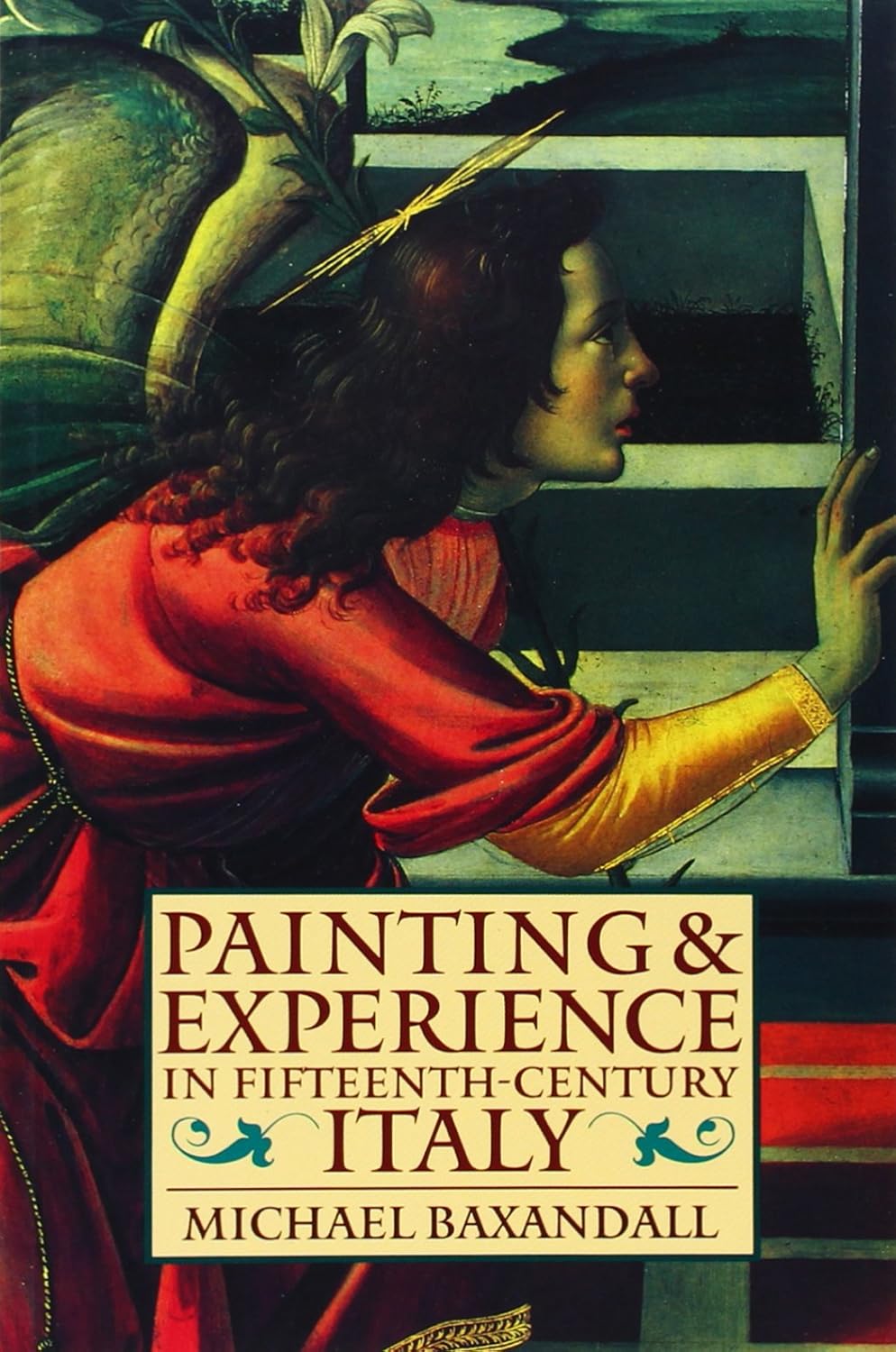
I was fully prepared to love this book. Michael Baxandall’s “Painting & Experience in Fifteenth-Century Italy: A primer in the social history of pictorial style” (1972) is considered a classic in the field and shaped an entire generation of Renaissance scholars in their appreciation and understanding of period art. Unfortunately, this slender little volume lacks…
-
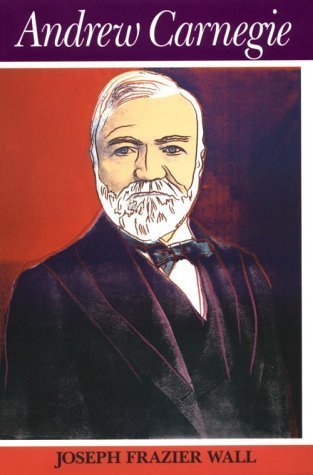
Joseph Frazier Wall’s one-volume biography “Andrew Carnegie” is a “must read” for anyone interested in early American industrial development. However, just as Carnegie’s life was much more than simply the story of steel production, so too is this biography. It is a fascinating look at the half-century of American history between the Civil War and…
-
A number of years back I had the privilege of serving as a graduate intern in the Pentagon’s Office of Net Assessment. Two things I took away from that experience working directly for Andy Marshall were: 1) devote most of your energy to discovering the right questions to ask; and 2) once you zero in…
-
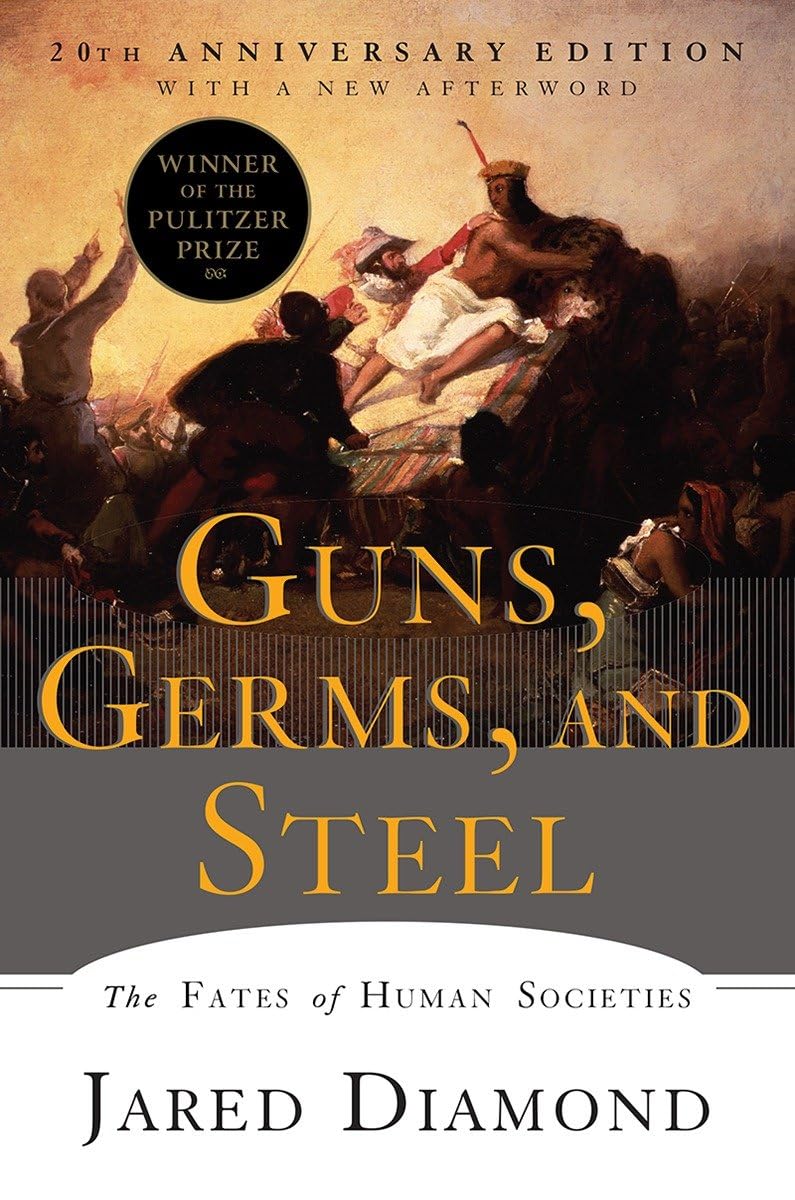
As an avid reader with no prior background in anthropology or historical geography, I found Jared Diamond’s Guns, Germs, and Steel to be truly mesmerizing—a sweeping synthesis that tackles one of the most profound questions in human history: Why did some societies conquer others rather than the reverse? Since its publication, the book has achieved…
-

Sometimes there is an obvious answer to a complex problem, but there is a missing piece that confounds even the greatest minds and resists the efforts of large-scale government programs to develop a solution. Such was the case of a reliable and accurate method for calculating longitude in the first centuries of European naval mastery…
-
Long before he was a controversial commentator on NPR and then FOX News, Juan Williams was a distinguished chronicler of the US Civil Rights era. “Thurgood Marshall: American Revolutionary” was published in 1998, a half-decade after the legendary civil rights lawyer (but rather forgettable Supreme Court justice, according to this book) passed away at age…
-
In the introduction “Martin Luther King Jr.: A Life,” Marshall Frady argues that Americans have sought “to remember King by forgetting him,” suggesting that the civil rights leader was never a mere painted icon and that current and future generations actually do him a disservice by remembering him that way. In this trim biography of…
-

J.P. Morgan was not the wealthiest of the great early industrialists. That title went to John D. Rockefeller, Sr. Nor was the story of his rise to prominence in the business world the most improbable or remarkable. The young Charles Schwab Jr. would claim that prize, in my opinion. Finally, he did not leave the…
-
It was a bit depressing reading this triumphant memoir – indeed, one of the greatest business books written during the twentieth century – in May 2009 as the benighted American industrial icon, General Motors, slid into bankruptcy. It made the story of Sloan’s storied leadership and GM’s dramatic early success all the more incredible. Beyond…
 What's Tim Reading Now?