All Posts
Collected reviews from decades of reading — organized by subject and written for clarity, context, and long-term reference.
Categories
- Afghanistan (5)
- Africa (3)
- Age of Discovery (14)
- American Revolution (25)
- Ancient Greece (10)
- Ancient Rome (1)
- Anglo-German Naval Competition (8)
- Anthropology (3)
- Artists (12)
- British History (15)
- Business Books (16)
- Business Greats (12)
- Central Banking (7)
- China (1)
- Cold War Era (19)
- Colonial America (24)
- Commodities (10)
- Corporate Biography (11)
- Counter Insurgency (6)
- Cuba (1)
- Disease (9)
- Early Modern Europe (7)
- Early Republic (13)
- Economic Development (12)
- Economics (17)
- French Revolution (8)
- Great Depression (6)
- Great Projects (9)
- Great Writers (4)
- Industrial Revolution (14)
- Iranian Revolution (3)
- Italian Renaissance (25)
- Jacksonian America (4)
- Korea (1)
- Middle Ages (4)
- Middle East (5)
- Military Innovation (20)
- Napoleon (3)
- Philosophy (3)
- Pop History (28)
- Progressive Era (8)
- Republican Rome (16)
- Roman Empire (23)
- Russian History (5)
- Russian Revolution (3)
- Sri Lanka (3)
- The Gilded Age (4)
- U.S. Civil War (7)
- U.S. Presidents (14)
- Vietnam (8)
- World War I (6)
- World War II (9)
-
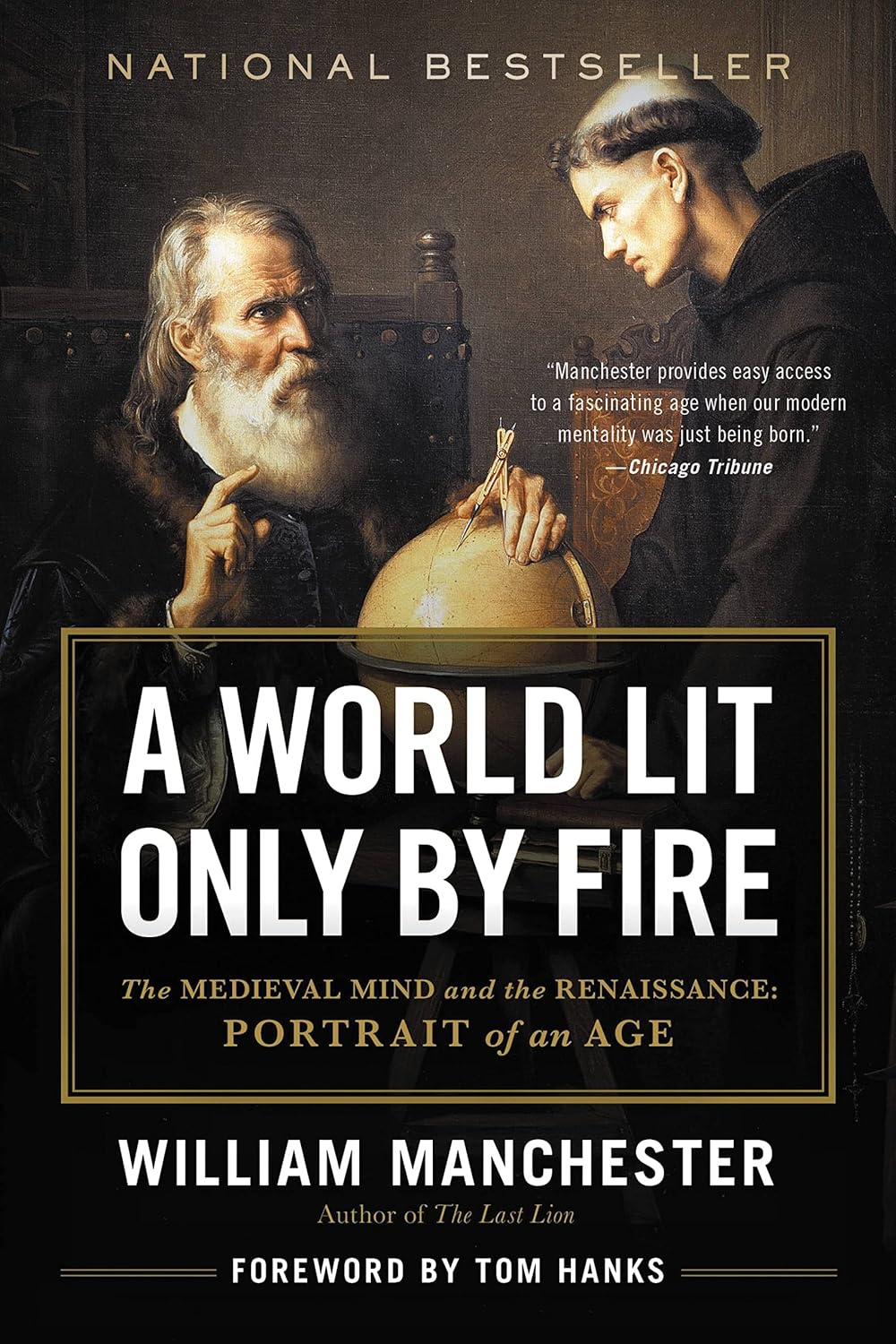
William Manchester (1922-2004) had an unusual career. He was seriously wounded in battle on Okinawa and went on to earn a master’s degree in English from the University of Missouri. From there he went to work for the famed journalist H.L. Mencken at the Baltimore Sun in 1947. In 1951 he became an editor and…
-

The Oxford University Press did a wonderful thing when it introduced the “Very Short Introduction” series in 1995. As of 2024, there are over 600 volumes in the series covering everything from Accounting to Zionism. Each is just over one hundred pages long and is usually authored by an established authority in the field. The…
-
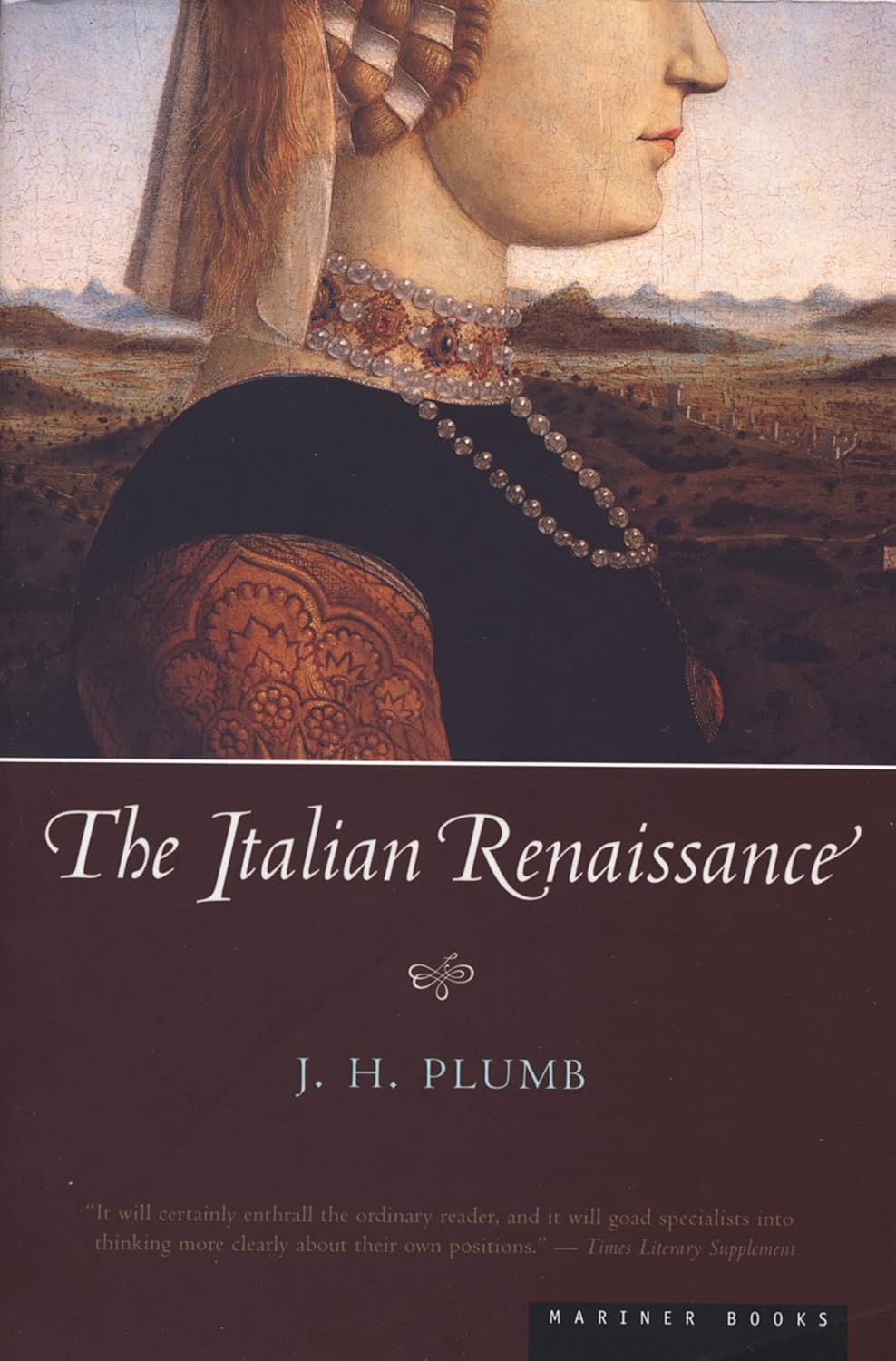
I’ve recently learned that there aren’t many stellar and readable general overviews of the Renaissance. This one, “The Italian Renaissance” by J.H. Plumb (1961), was first published over half a century ago. However, the fact that a new edition was printed in 2001 speaks volumes for the book’s quality, accessibility, and enduring relevance. “The Italian…
-
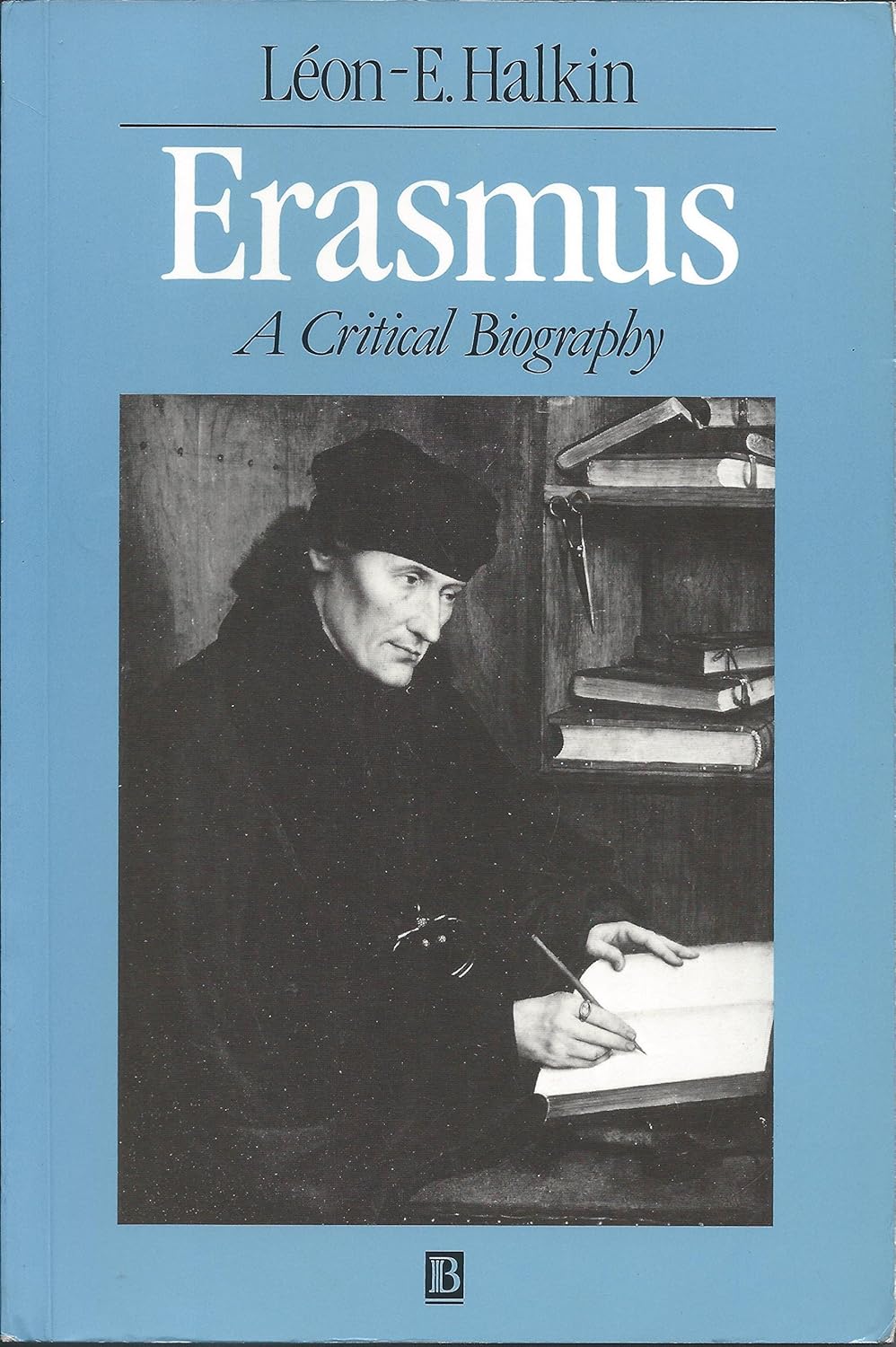
Desiderius Erasmus of Rotterdam (1466-1536) was a Dutch Renaissance humanist, theologian, scholar, and writer. He is perhaps the most important and influential scholar and philosopher of the entire Renaissance period, yet he remains today more written about than read, and that’s because his writing is quite abstruse. “Erasmus: A Critical Biography” (1993) by Leon-E Halkin…
-

Today, most Americans think of Samuel Adams (1722-1803) mostly as one of the original best selling craft beers, which first hit American grocery shelves in 1984. Even as an avid reader of early American history, I must confess that my understanding of Adams’s specific role in the American Revolution was limited to his clandestine agitation…
-
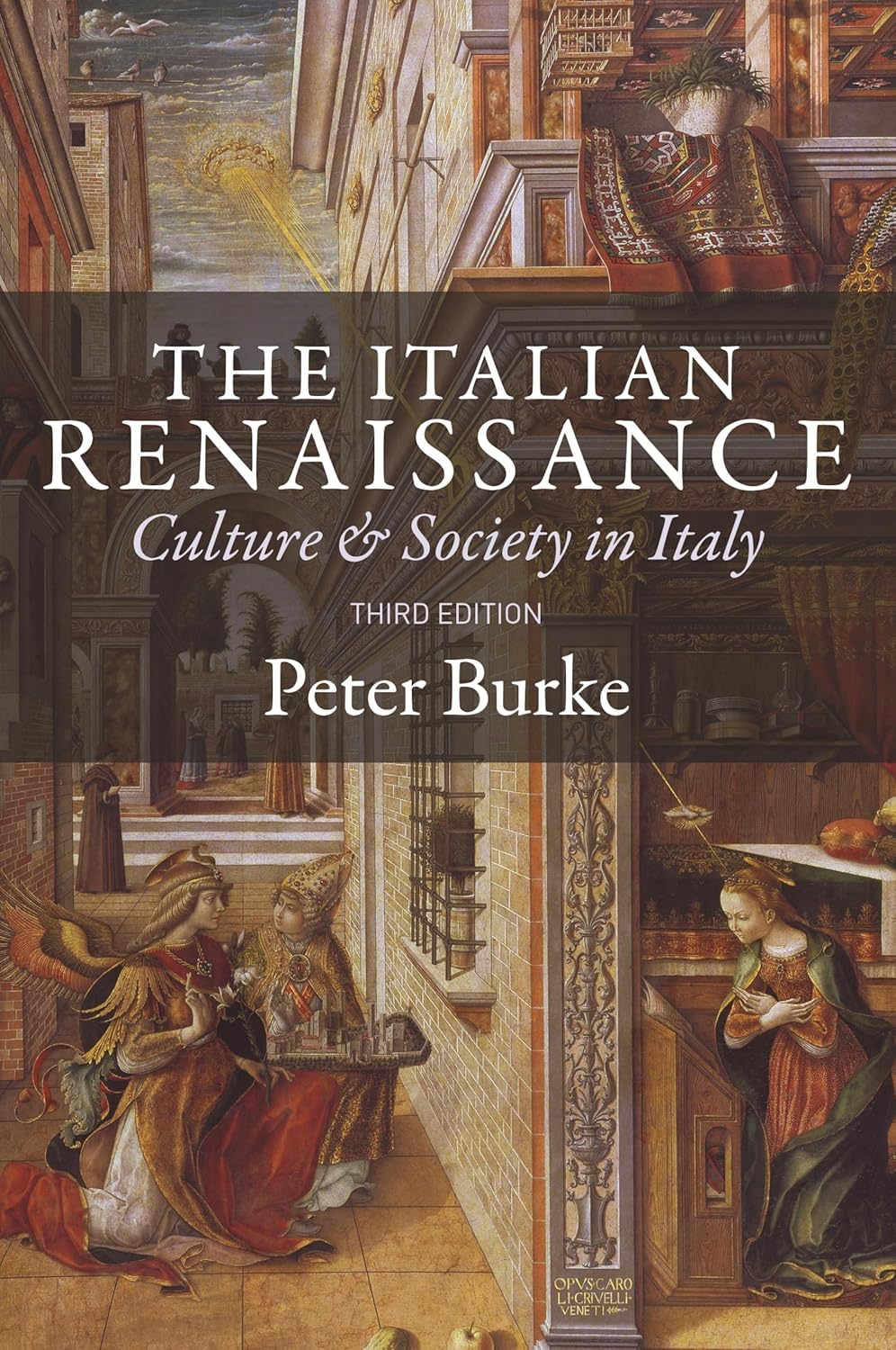
“The Renaissance movement was a systematic attempt to go forward by going back.” So writes Peter Burke in his classic analysis of cultural and social dynamics in Renaissance Italy, “The Italian Renaissance: Culture and Society in Italy” (1964). Burke takes as his point of departure “The Civilization of the Renaissance in Italy” (1860) by Jocob…
-
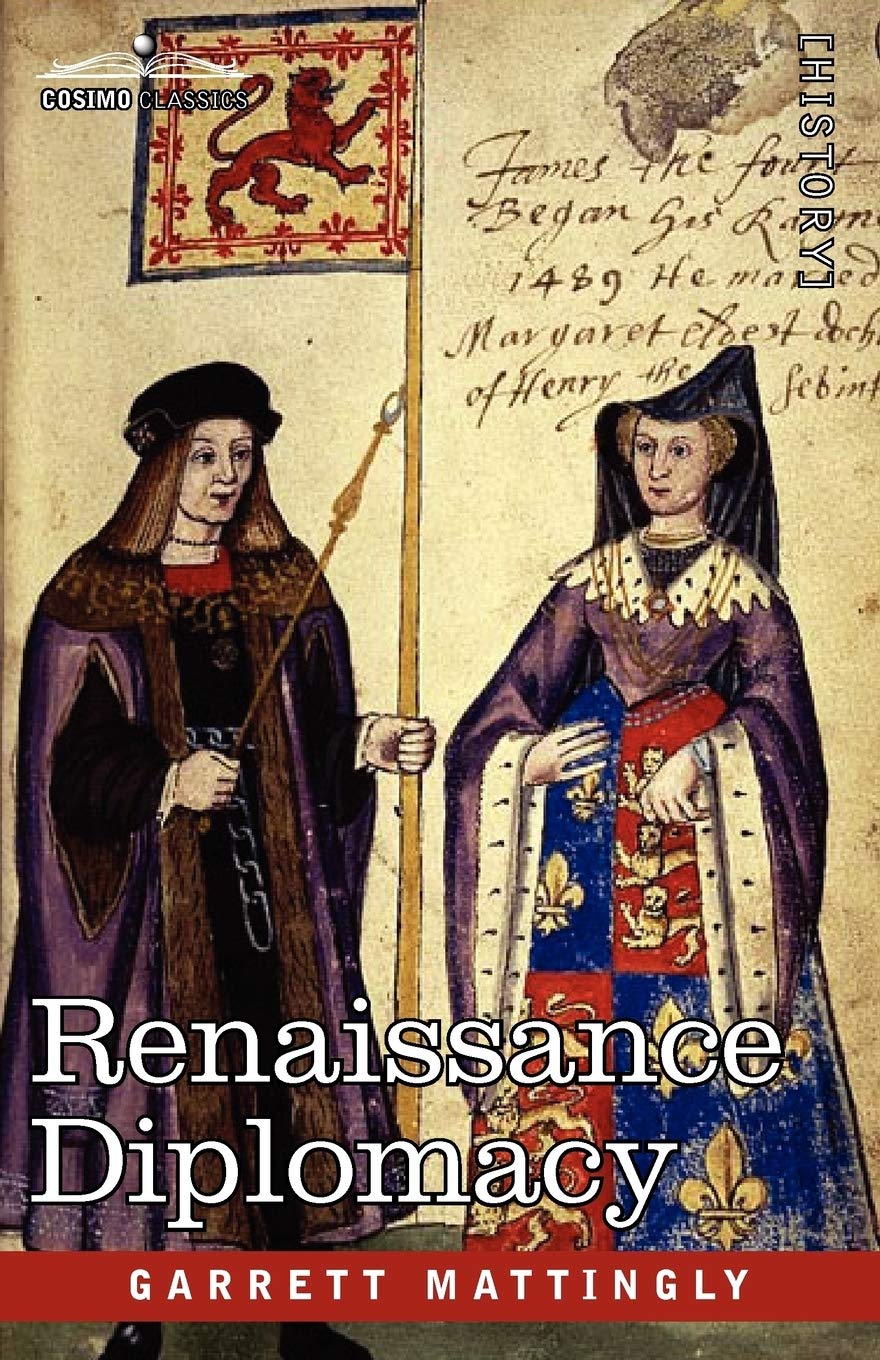
Permanent diplomacy, featuring resident ambassadors empowered to formally represent their sovereign state and bestowed with certain legal immunities, such as exemption from taxes, tolls, and custom duties, is a modern development tracing its origin back to the city-states of fifteenth century Renaissance Italy. Garrett Mattingly tells the story of these developments in “Renaissance Diplomacy” (1955),…
-

“The Crisis of the Early Italian Renaissance” (1955) by German-Jewish emigre Hans Baron is one of the most influential pieces of Renaissance history published in the last century. In it Baron introduces the term “civic humanism,” which has become a core element of contemporary Renaissance studies. While “Crisis” is a dazzling work of scholarship and…
-

There is no bigger topic on the global stage today than climate change. The primary culprit causing today’s climate crisis is hydrocarbon emissions, a process that kicked off a century and a half ago with the Second Industrial Revolution. But there was something about this widely accepted narrative that has always troubled me and it…
 What's Tim Reading Now?