All Posts
Collected reviews from decades of reading — organized by subject and written for clarity, context, and long-term reference.
Categories
- Afghanistan (5)
- Africa (3)
- Age of Discovery (14)
- American Revolution (25)
- Ancient Greece (10)
- Ancient Rome (1)
- Anglo-German Naval Competition (8)
- Anthropology (3)
- Artists (12)
- British History (15)
- Business Books (16)
- Business Greats (12)
- Central Banking (7)
- China (1)
- Cold War Era (19)
- Colonial America (24)
- Commodities (10)
- Corporate Biography (11)
- Counter Insurgency (6)
- Cuba (1)
- Disease (9)
- Early Modern Europe (7)
- Early Republic (13)
- Economic Development (12)
- Economics (17)
- French Revolution (8)
- Great Depression (6)
- Great Projects (9)
- Great Writers (4)
- Industrial Revolution (14)
- Iranian Revolution (3)
- Italian Renaissance (25)
- Jacksonian America (4)
- Korea (1)
- Middle Ages (4)
- Middle East (5)
- Military Innovation (20)
- Napoleon (3)
- Philosophy (3)
- Pop History (28)
- Progressive Era (8)
- Republican Rome (16)
- Roman Empire (23)
- Russian History (5)
- Russian Revolution (3)
- Sri Lanka (3)
- The Gilded Age (4)
- U.S. Civil War (7)
- U.S. Presidents (14)
- Vietnam (8)
- World War I (6)
- World War II (9)
-
I’ve written several hundred non-fiction book reviews here on Amazon over the years and this is the first one that comes with a spoiler alert. William Rosen has written a fabulously thorough and consistently entertaining history of the steam engine in “The Most Powerful Idea in the World: A Story of Steam, Industry, and Invention”…
-
Joel Mokyr is known today primarily for his thesis that northwest Europe’s tradition of free inquiry and a culture marked by contestability and doubt is responsible for the remarkable period of technological innovation and economic growth known as the Industrial Revolution. However, in “The Lever of Riches: Technological Creativity and Economic Progress” (1990), he ultimately…
-
Two significant pieces of scholarship about the Industrial Revolution appeared almost simultaneously in 2009: Joel Mokyr’s “The Enlightened Economy” and Robert Allen’s “The British Industrial Revolution in Global Perspective.” They offer completely different perspectives as to why the Industrial Revolution occurred when and where it did. Both agree that technological innovation played the critical role…
-
The word “Krakatoa ” has become synonymous with almost unthinkable natural disaster, an extinction level event locally, if not globally. Simon Winchester, an increasingly successful British pop historian, delivers a lively, albeit highly discursive account of the great eruption in “Krakatoa: The Day the World Exploded: August 27, 1883” (2003). Krakatoa, a small volcanic island…
-
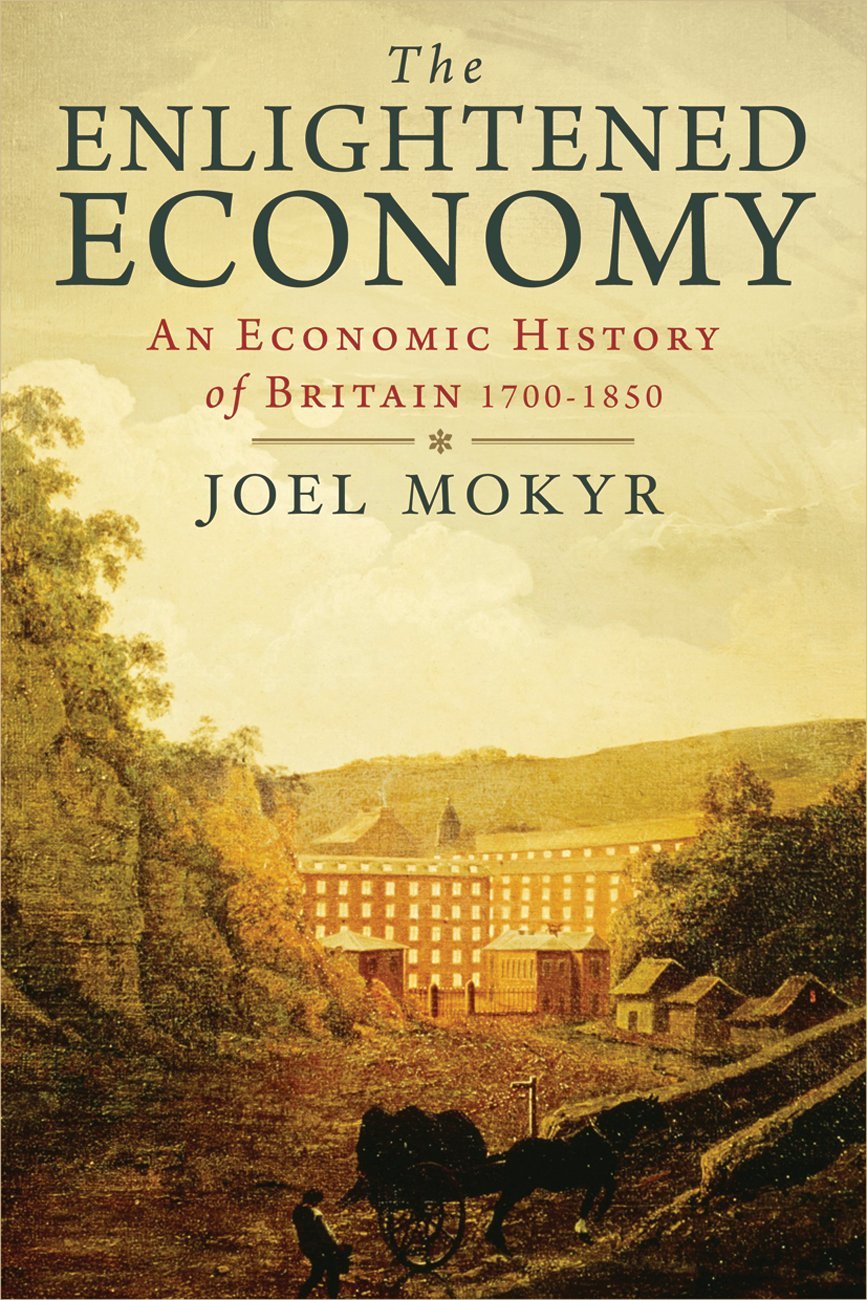
According to acclaimed economic historian Joel Mokyr, “Nothing in economic history is simple, clean, and linear.” The same might be said for Mokyr’s magisterial tome on Industrial Revolution era Britain, “The Enlightened Economy: An Economic History of Britain, 1700 to 1850” (2009). Mokyr throws a lot at the reader in this dense 489-page economic history;…
-
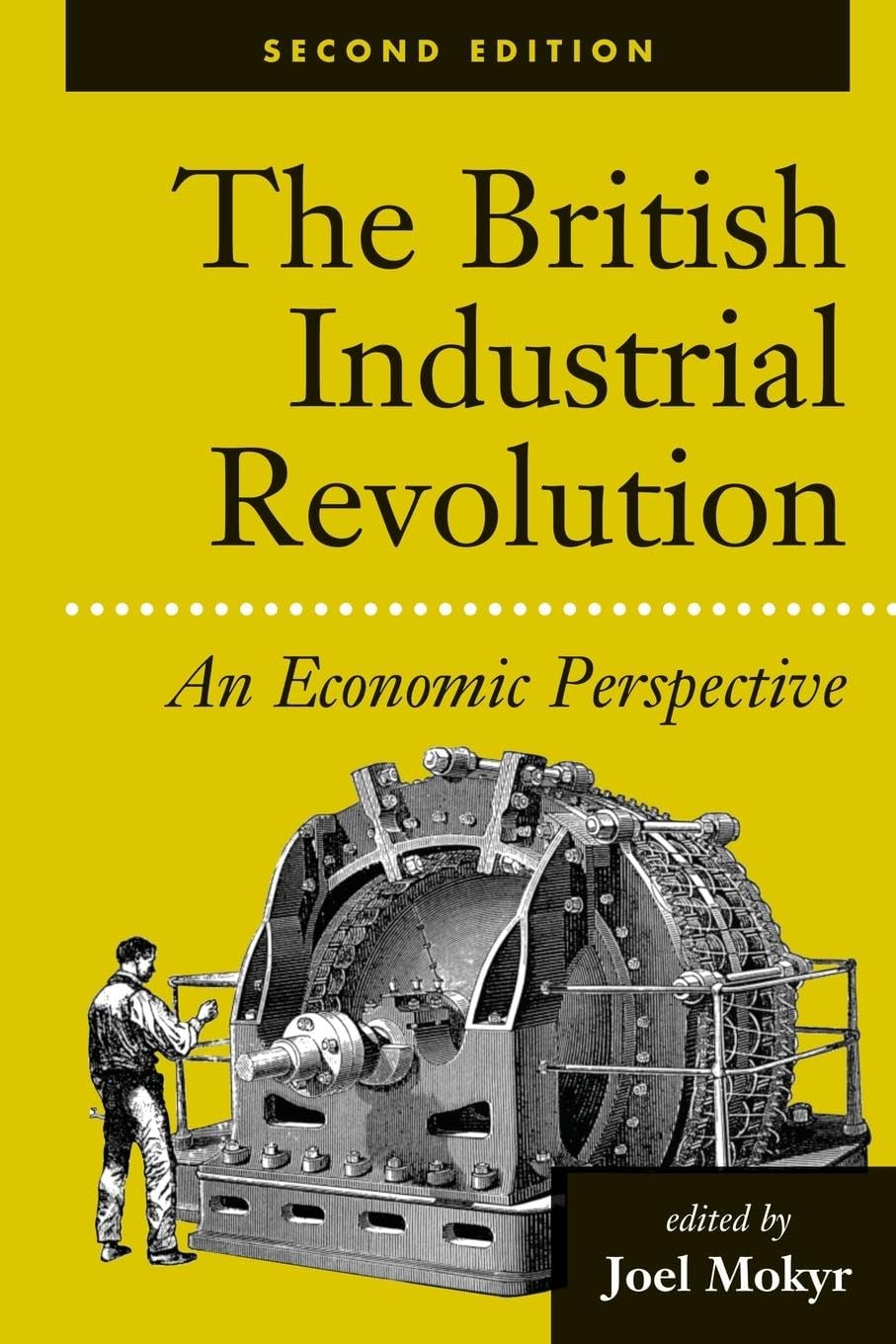
Industrial Revolution Studies isn’t a formal program at any major university, so far as I know, but there ought to be. Over the past half century a veritable library of books and scholarly articles have been published on all facets of the subject. Scholars can’t seem to agree on anything. “The British Industrial Revolution: An…
-
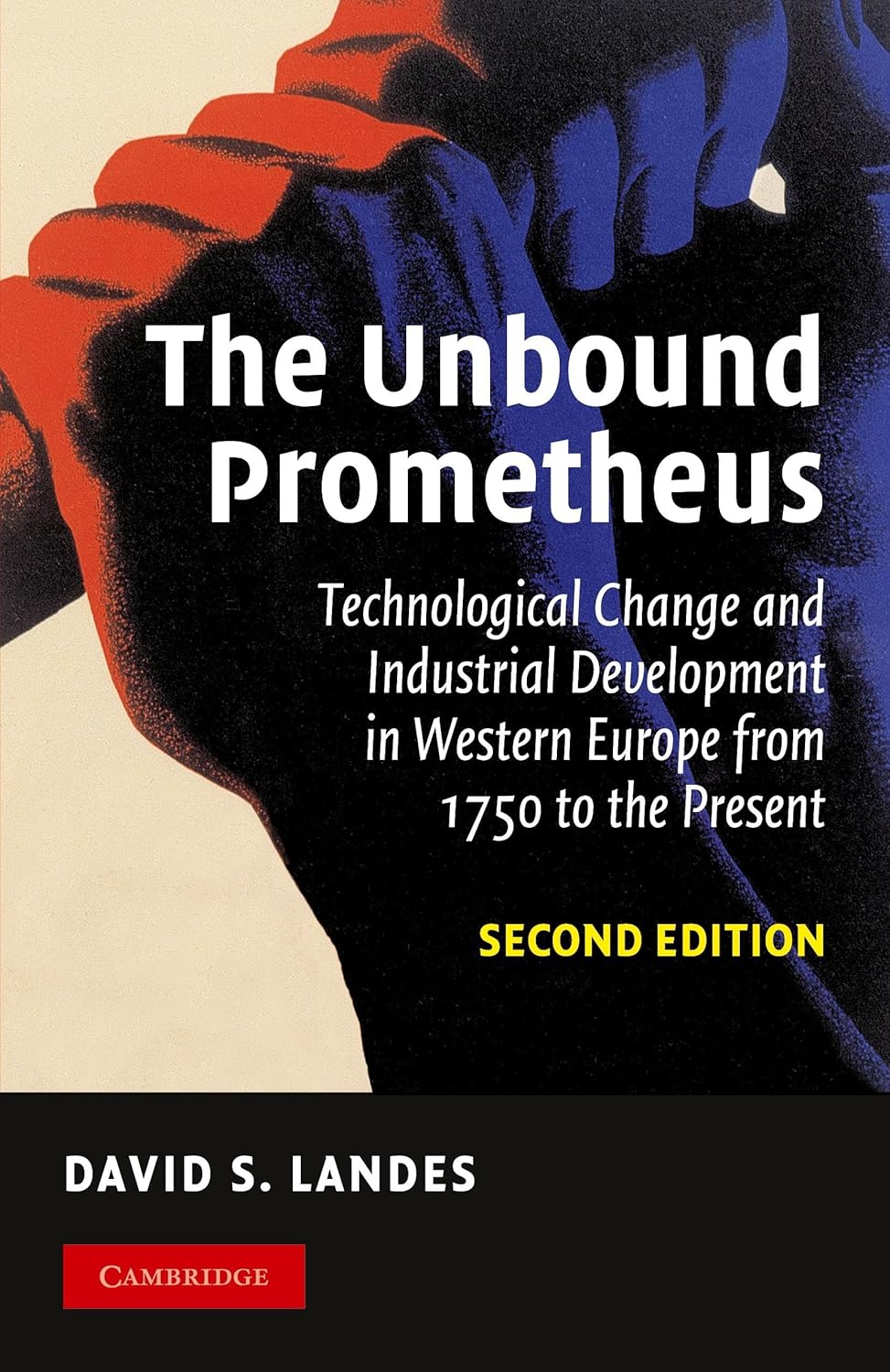
Harvard University’s David S. Landes was the doyen of modern Industrial Revolution Studies. This book, “The Unbound Prometheus: Technological Change and Industrial Development in Western Europe from 1750 to the Present” (1969) is a landmark in the field. The author’s arguments and theses laid out in “The Unbound Prometheus” framed the scholarly debate about the…
-

Non-historians often write the most readable and interesting popular history. What they lack in rigorous scholarship they more than make up for with punchy and highly engaging narratives. Some of my favorite writers in this genre are David McCollough, Candice Millard, Erik Larson, Robert Massie, and Stacy Schiff. After reading “Hamilton’s Blessing: The Extraordinary Life…
-
George Orwell’s debut novel, “Burmese Days” (1934), is one of my all-time favorites. Orwell brilliantly captures the class obsessed and condescending superiority of late Imperial Britain. The vain and dashing cavalry officer, Lieutenant Verrall, is surely one of the more execrable characters in twentieth century fiction. He is also a spot-on caricature of the type…
 What's Tim Reading Now?