All Posts
Collected reviews from decades of reading — organized by subject and written for clarity, context, and long-term reference.
Categories
- Afghanistan (5)
- Africa (3)
- Age of Discovery (14)
- American Revolution (25)
- Ancient Greece (10)
- Ancient Rome (1)
- Anglo-German Naval Competition (8)
- Anthropology (3)
- Artists (12)
- British History (15)
- Business Books (16)
- Business Greats (12)
- Central Banking (7)
- China (1)
- Cold War Era (19)
- Colonial America (24)
- Commodities (10)
- Corporate Biography (11)
- Counter Insurgency (6)
- Cuba (1)
- Disease (9)
- Early Modern Europe (7)
- Early Republic (13)
- Economic Development (12)
- Economics (17)
- French Revolution (8)
- Great Depression (6)
- Great Projects (9)
- Great Writers (4)
- Industrial Revolution (14)
- Iranian Revolution (3)
- Italian Renaissance (25)
- Jacksonian America (4)
- Korea (1)
- Middle Ages (4)
- Middle East (5)
- Military Innovation (20)
- Napoleon (3)
- Philosophy (3)
- Pop History (28)
- Progressive Era (8)
- Republican Rome (16)
- Roman Empire (23)
- Russian History (5)
- Russian Revolution (3)
- Sri Lanka (3)
- The Gilded Age (4)
- U.S. Civil War (7)
- U.S. Presidents (14)
- Vietnam (8)
- World War I (6)
- World War II (9)
-
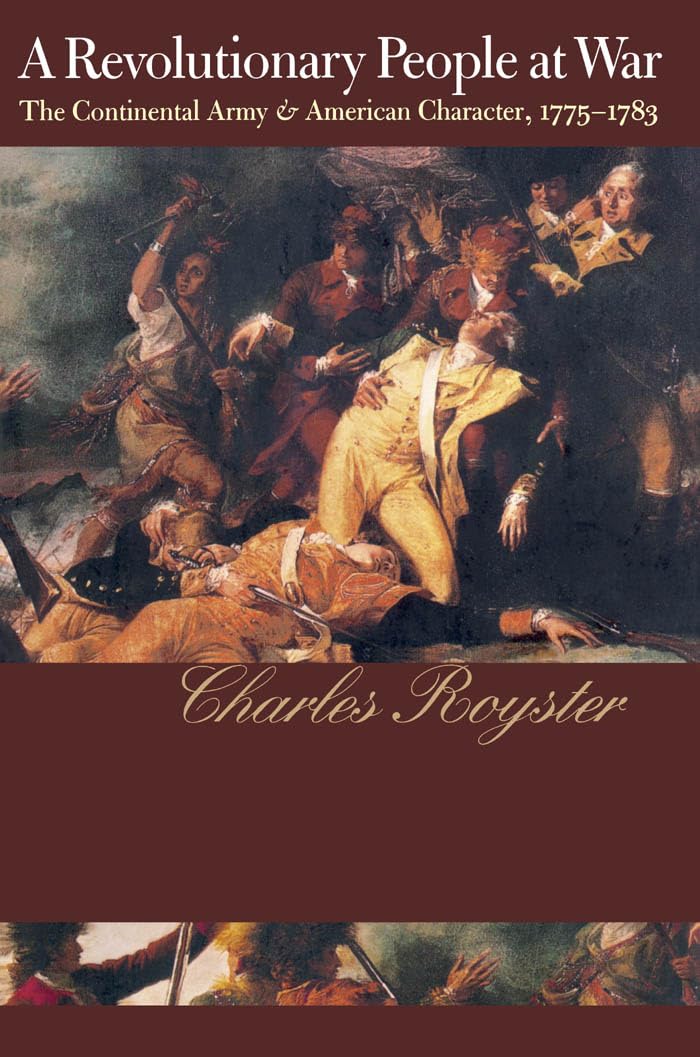
Doctoral dissertations rarely make interesting reading. Fewer still win the Parkman Prize. “A Revolutionary People at War: The Continental Army and American Character, 1775-1783,” based largely on Charles Royster’s University of California PhD dissertation, is a notable exception. Royster argues that a number of issues motivated the American soldiers who fought the Revolution, but above…
-
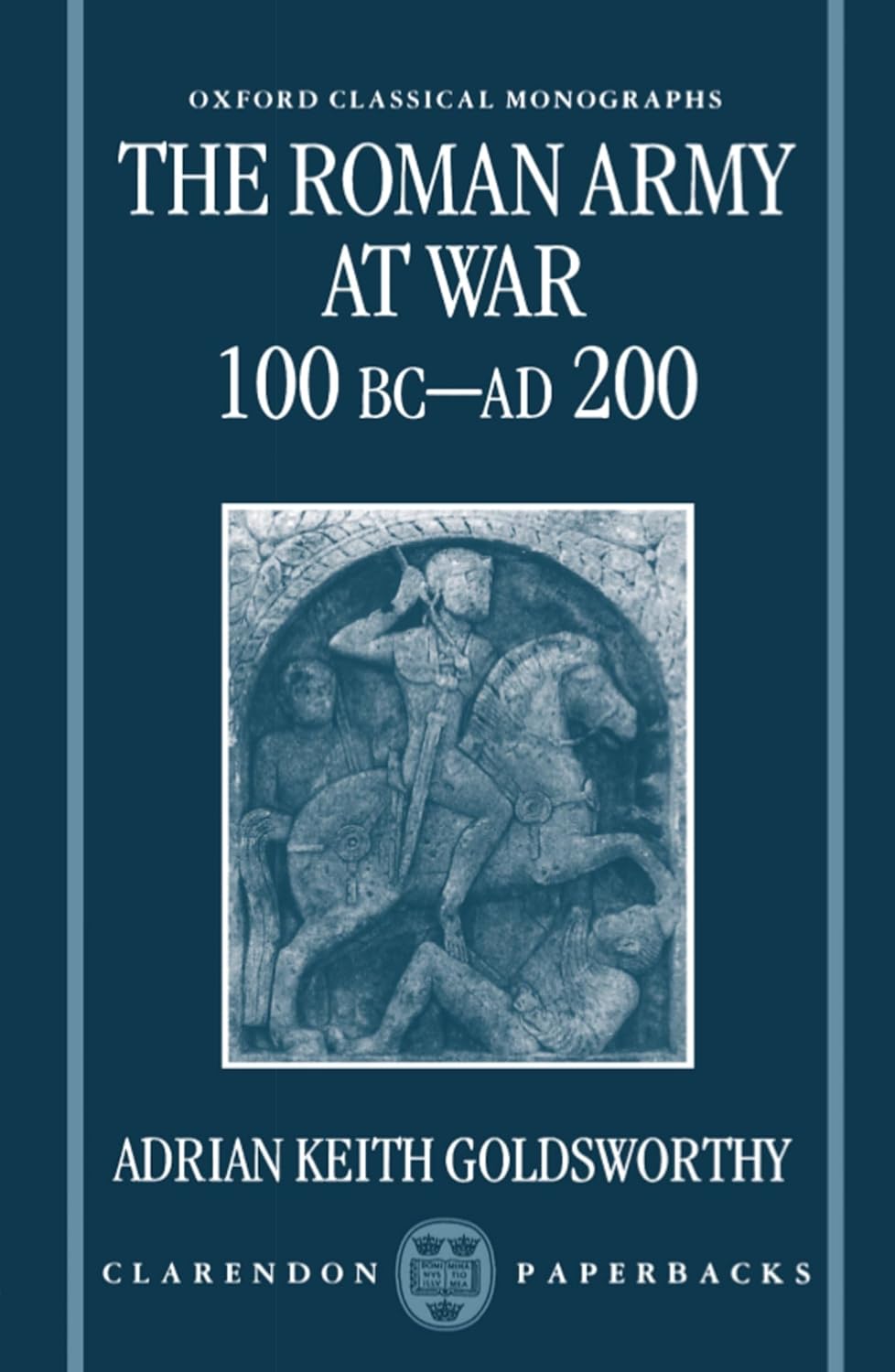
Adrian Keith Goldsworthy has quickly emerged as one of the most distinguished and prolific young classical scholars. This monograph, an adaptation of his doctoral dissertation from Oxford, is detailed and academic, but surprisingly fluid and accessible. Goldsworthy asserts that the best way to study an army is first to review its performance at its intended…
-
The nature of Roman imperialism, during both the Republic and Empire, has been endlessly debated. In Badian’s view, the rise of Roman imperialism, an aggressive system marked by exploitation and annexation, can be best explained by looking at the weltanschaug of the Roman ruling class — the Senate. By the late Republic, he argues, the…
-

Naval policy before the First World War and the so-called Dreadnought revolution is a fascinating case study in strategic defense policy and there are many notable pieces of historiography on the subject (Marder, Sumida, Massie, etc.). Nicholas Lambert’s contribution to the debate, “Sir John Fisher’s Naval Revolution,” is a daring revision of just about everything…
-
I worked with the Pentagon’s Office of Net Assessment in the 1990s. For all the fuss made back then about an emerging Revolution in Military Affairs – long range precision strike capabilities and information dominance – many of us believed that the truly important core competence of the US armed forces was (and would remain)…
-
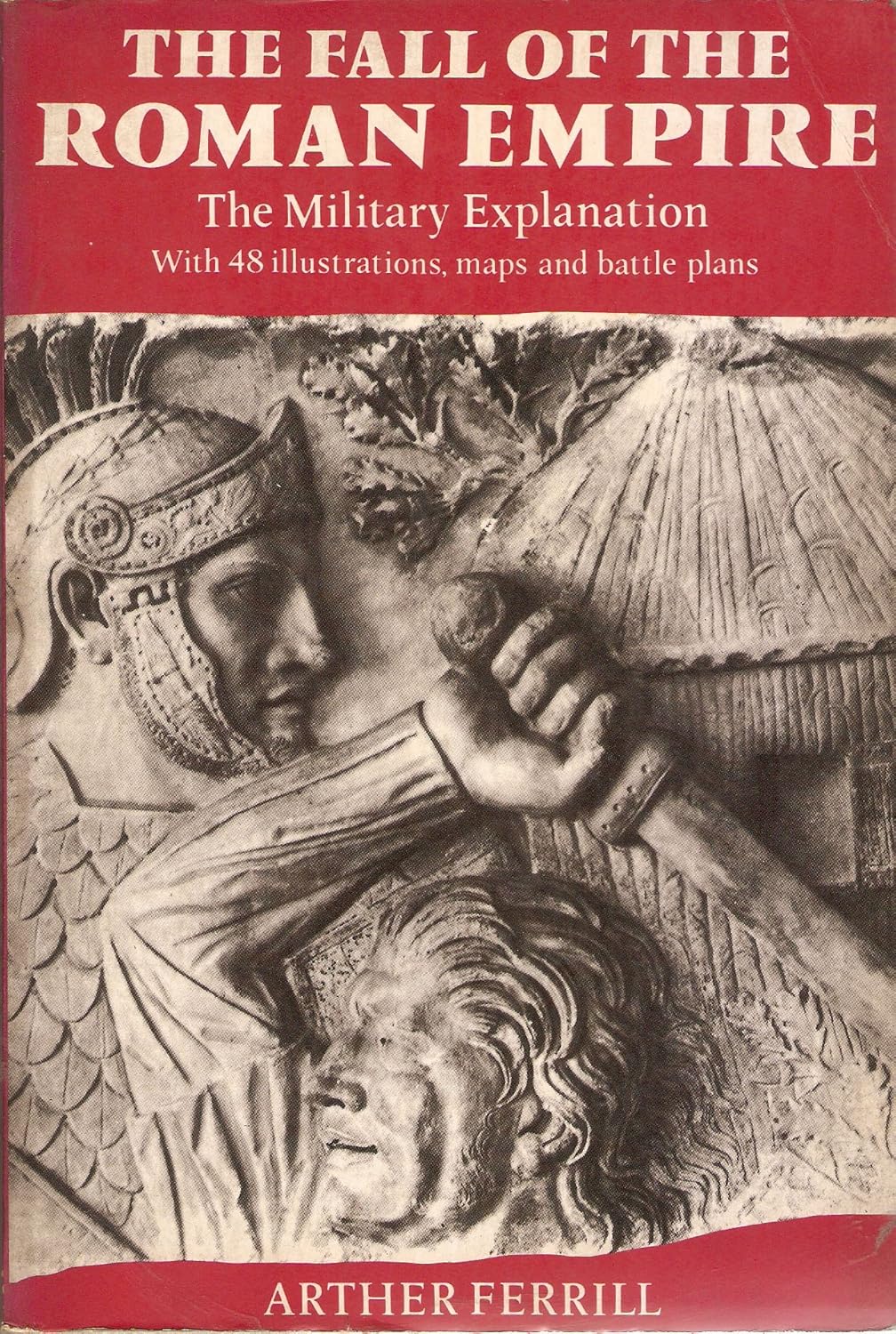
The military explanation for the fall of Rome is a familiar one, and it remains popular. It goes something like this: by the third century barbarians began to outnumber native Roman citizens in the ranks of the army; cavalry units eclipsed the traditional foundation of Roman strength found in the infantry legions; frontier units became…
-

Every so often I pick a general topic I want to better educate myself about. This year, I’ve focused on explaining the decline and fall of the Roman Empire, a timeless debate that never seems to lose its relevance, literally argued, refuted, and refined continuously from the time of the Declaration of Independence to the…
-
I had wanted to read a biography of Thomas Edison for a long time and put a bit of effort into finding the right one. There are several more recently published books on the market, but I found that Matthew Josephson’s 1959 classic was the consensus pick as the “definitive” single volume life of the…
-

It is impossible to pinpoint the high watermark of the Roman Empire, but one could make a strong argument for the reign of Hadrian (117-138 AD). His long, sober and steady leadership was a conscious emulation of Augustus, the first and arguably greatest Caesar – modest, congenial and wise. Just as Hadrian was a worthy,…
 What's Tim Reading Now?