All Posts
Collected reviews from decades of reading — organized by subject and written for clarity, context, and long-term reference.
Categories
- Afghanistan (5)
- Africa (3)
- Age of Discovery (14)
- American Revolution (25)
- Ancient Greece (10)
- Ancient Rome (1)
- Anglo-German Naval Competition (8)
- Anthropology (3)
- Artists (12)
- British History (15)
- Business Books (16)
- Business Greats (12)
- Central Banking (7)
- China (1)
- Cold War Era (19)
- Colonial America (24)
- Commodities (10)
- Corporate Biography (11)
- Counter Insurgency (6)
- Cuba (1)
- Disease (9)
- Early Modern Europe (7)
- Early Republic (13)
- Economic Development (12)
- Economics (17)
- French Revolution (8)
- Great Depression (6)
- Great Projects (9)
- Great Writers (4)
- Industrial Revolution (14)
- Iranian Revolution (3)
- Italian Renaissance (25)
- Jacksonian America (4)
- Korea (1)
- Middle Ages (4)
- Middle East (5)
- Military Innovation (20)
- Napoleon (3)
- Philosophy (3)
- Pop History (28)
- Progressive Era (8)
- Republican Rome (16)
- Roman Empire (23)
- Russian History (5)
- Russian Revolution (3)
- Sri Lanka (3)
- The Gilded Age (4)
- U.S. Civil War (7)
- U.S. Presidents (14)
- Vietnam (8)
- World War I (6)
- World War II (9)
-

Hans Holbein the Younger (1497-1543) was a German-Swiss painter who worked in a Northern Renaissance style. One of his most famous paintings – “The Ambassadors”(1533) – hangs today in the National Gallery in London. It is rich in symbolism of life in the late Renaissance. The two ambassadors stand in front of a table filled…
-

“In general, endings always remain unclear.” So says Theodore K. Rabb, professor of Renaissance and early modern Europe at Princeton University, in “The Last Days of the Renaissance & the March to Modernity” (2006), a crisp but powerful essay on the generally neglected historical topic: “What came after the Renaissance?” Several suggestions have been made.…
-
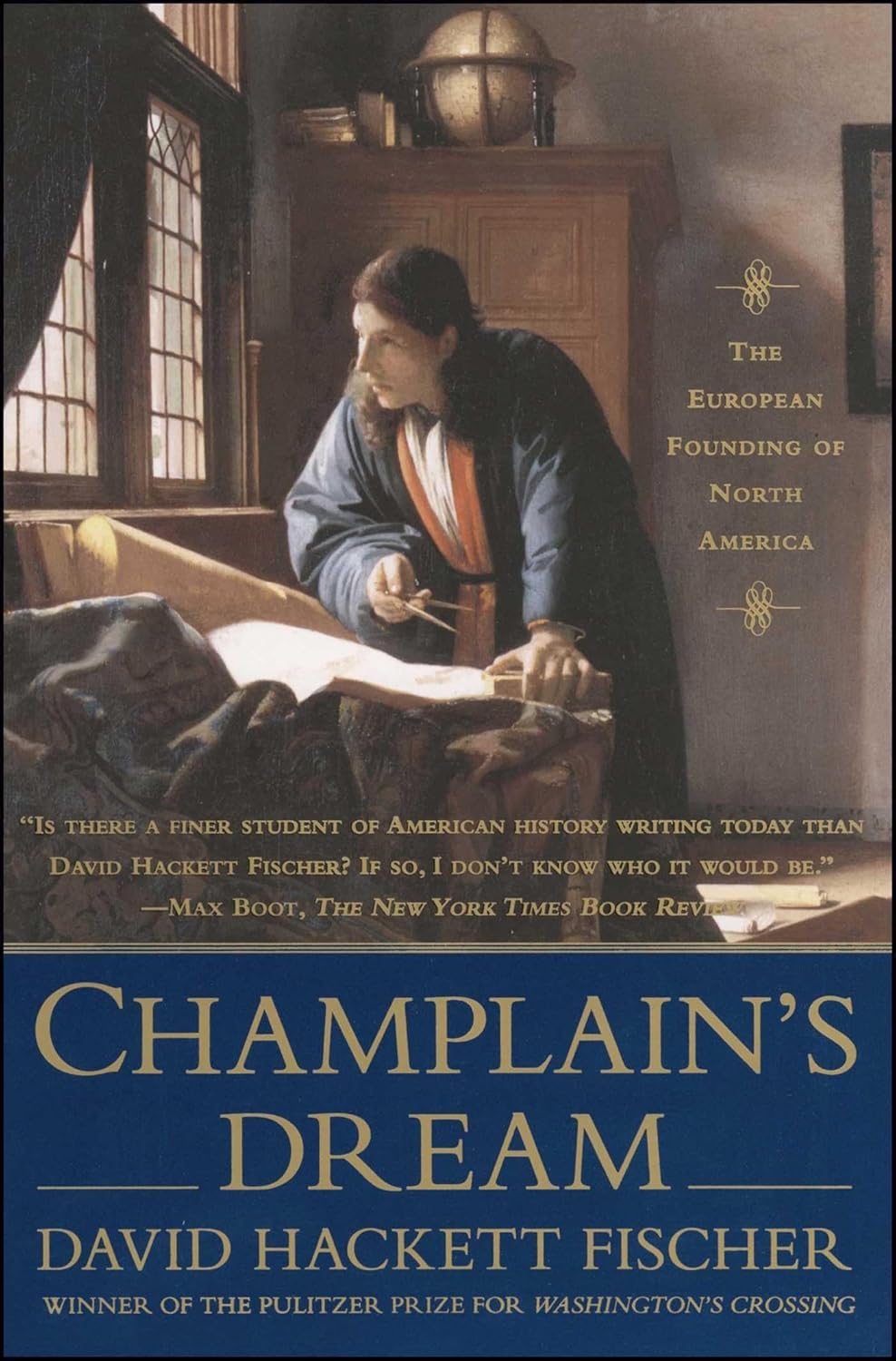
Samuel Champlain was born in the Atlantic coastal village of Brouage in 1574 during a time of religious upheaval in France (nine religious wars between 1562 and 1598). Fischer speculates that Champlain was baptized and born Protestant and then converted to Catholicism, to which he remained deeply devoted for the rest of his life. “[Champlain]…
-
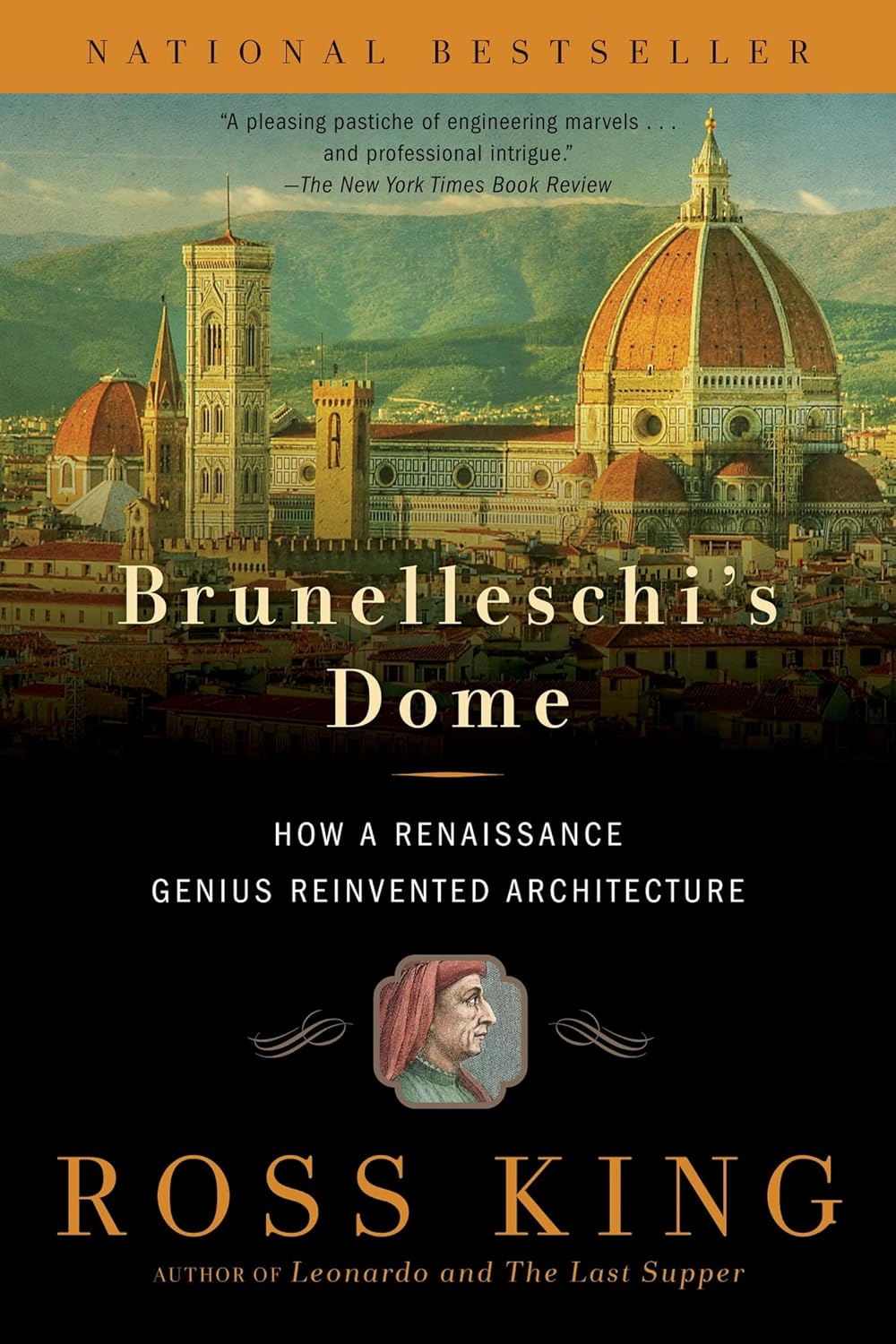
Ross King has a PhD in eighteenth century English Literature from York University in Canada, yet he has made a name for himself as a popular historian and biographer of the Italian Renaissance. Over the past two decades, he has written lively biographical narratives of artist Michelangelo (2003), bookseller Vespasiano da Bisticci (2021), and architect…
-
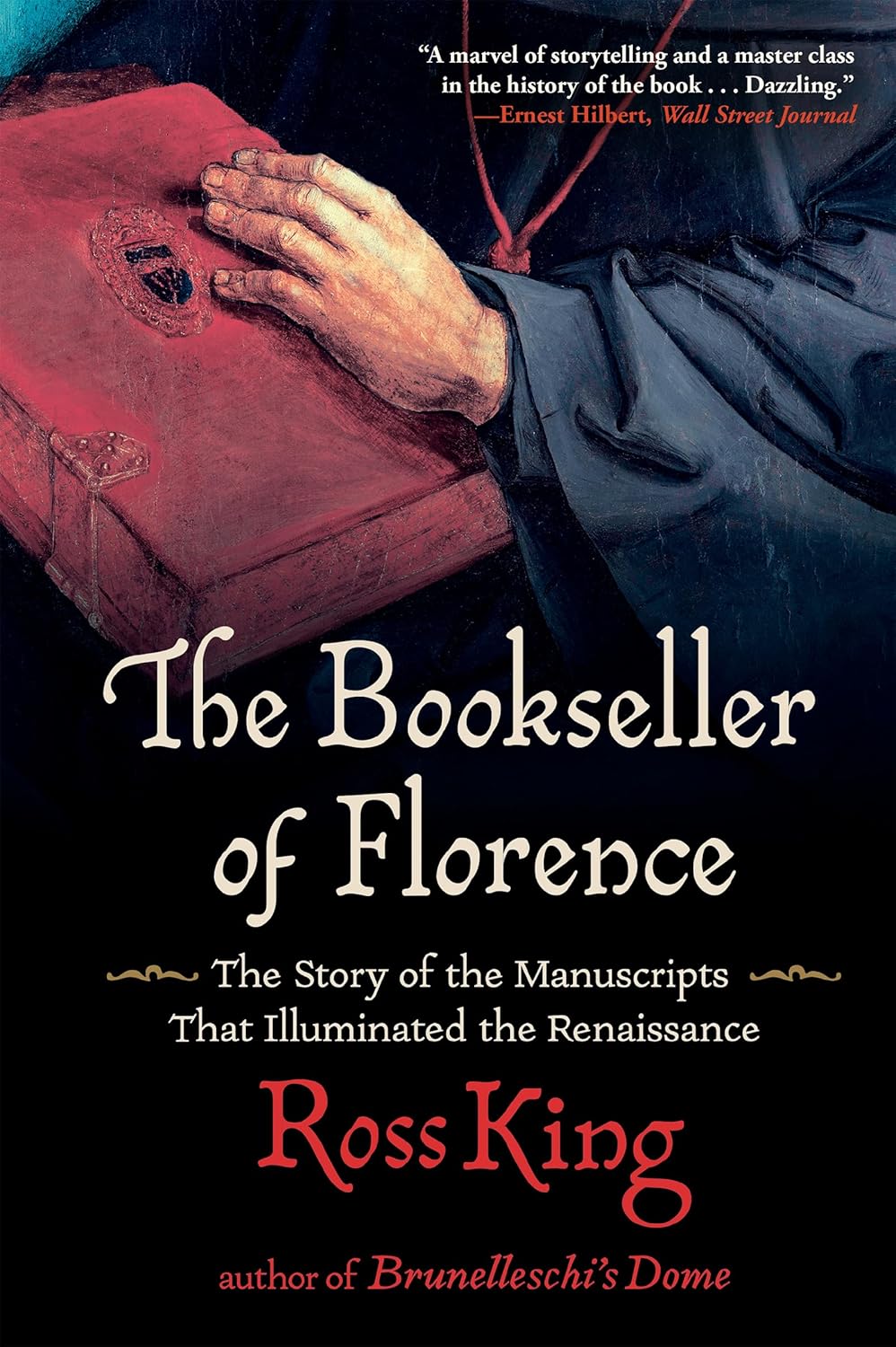
Fifteenth century Florence was known primarily for its wool-making and its banking (and eventually its art). In “The Bookseller of Florence: The Story of the Manuscripts That Illuminated the Renaissance” (2021) pop historian Ross King argues that handcrafted book–making was another valued and important skill the Florentines were renowned for. Vespasiano da Bisticci (1433-1498) was…
-
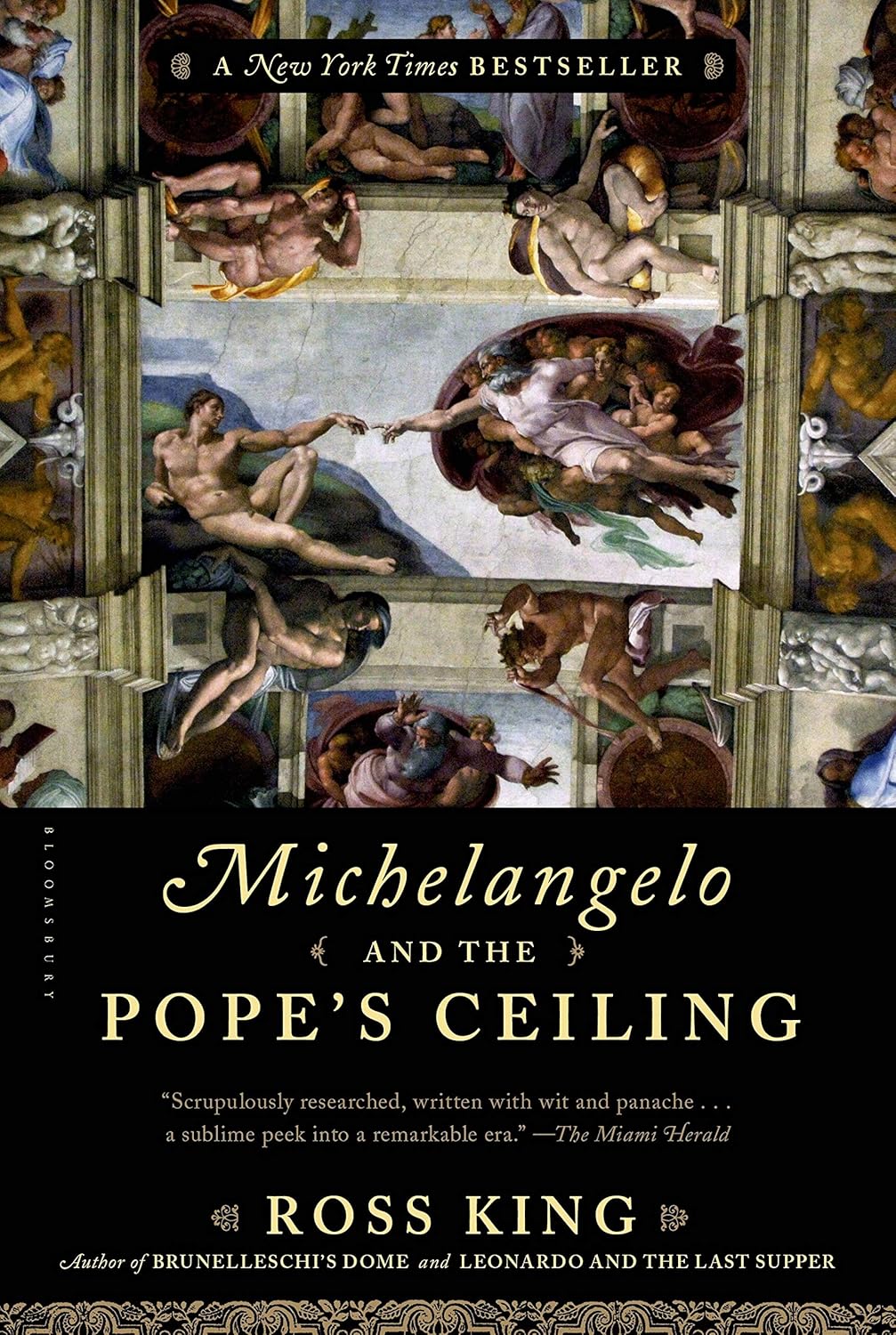
Ross King is one of the few writers who makes learning about the Italian Renaissance fun and easy. Michelangelo and the Pope’s Ceiling (2003) tells the story of the most famous vaulted fresco on earth – Michelangelo’s painting of the Sistine Chapel’s ceiling from 1508 to 1512. Michelangelo was not an easy man to get…
-
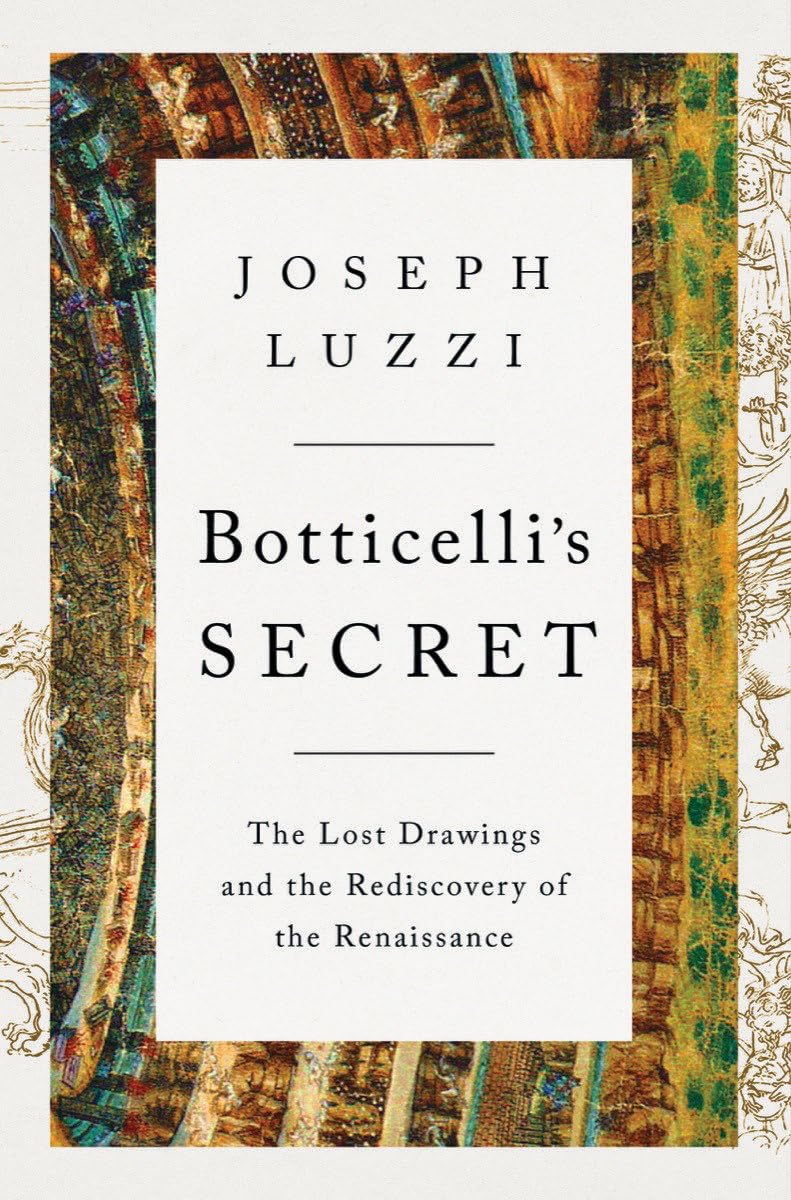
Botticelli’s Secret: The Lost Drawings and the Rediscovery of the Renaissance (2022) by Joseph Luzzi
There aren’t many histories of the Italian Renaissance written for a lay audience, besides a few excellent examples by Ross King. Joseph Luzzi is a literature professor at Bard College in upstate New York. I get the sense that he wrote “Botticelli’s Secret: The Lost Drawings and the Rediscovery of the Renaissance” (2022) just for…
-
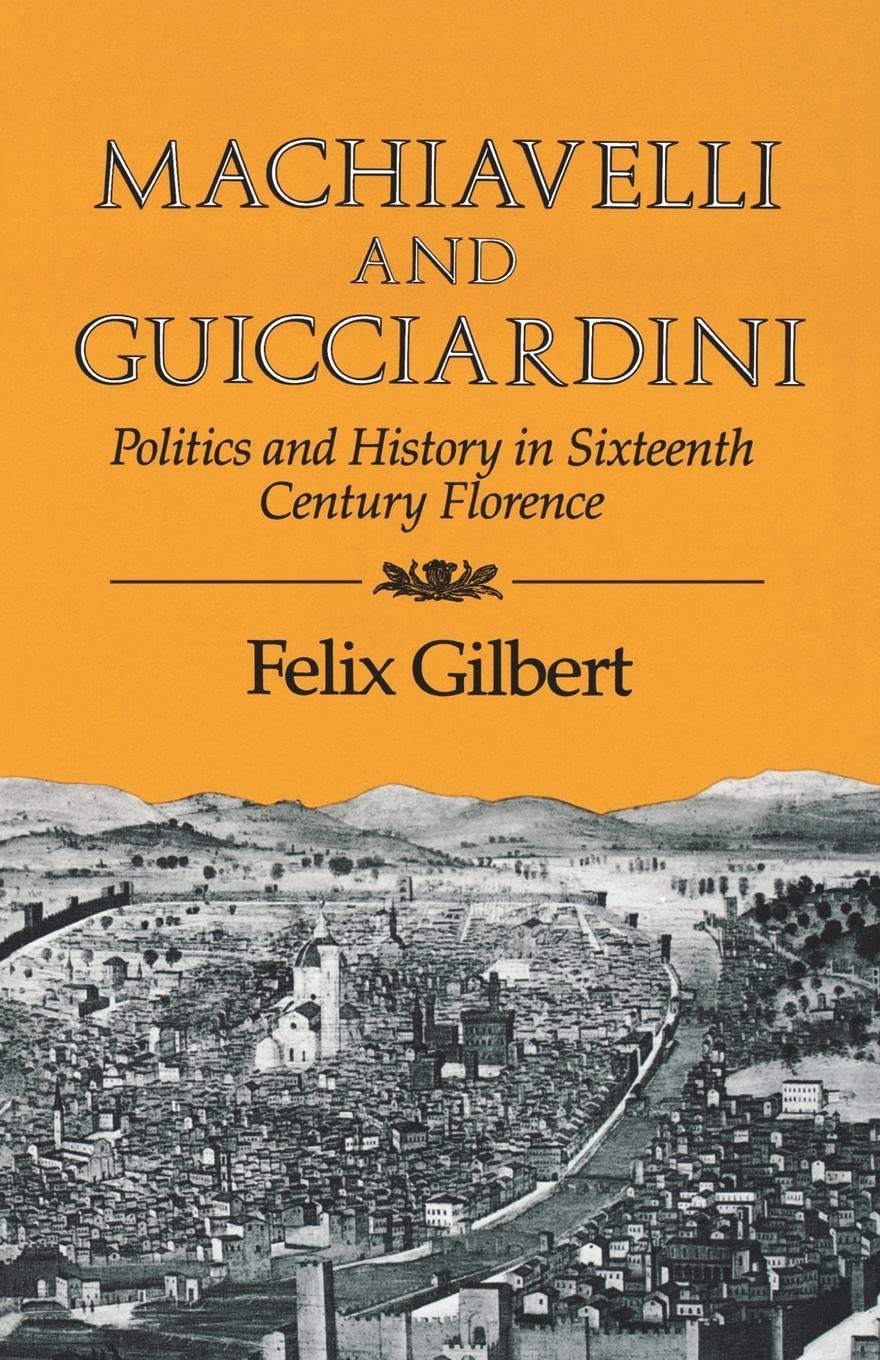
“Machiavelli and Guicciardini: Politics and History in Sixteenth Century Florence” (1965) by Felix Gilbert examines the contrasting political philosophies and historical methodologies of two prominent Renaissance thinkers: Niccolò Machiavelli (1469-1527) and Francesco Guicciardini (1483-1540). Gilbert places both figures within the intellectual and political turmoil of Renaissance Italy in the first decades of the sixteenth century,…
-
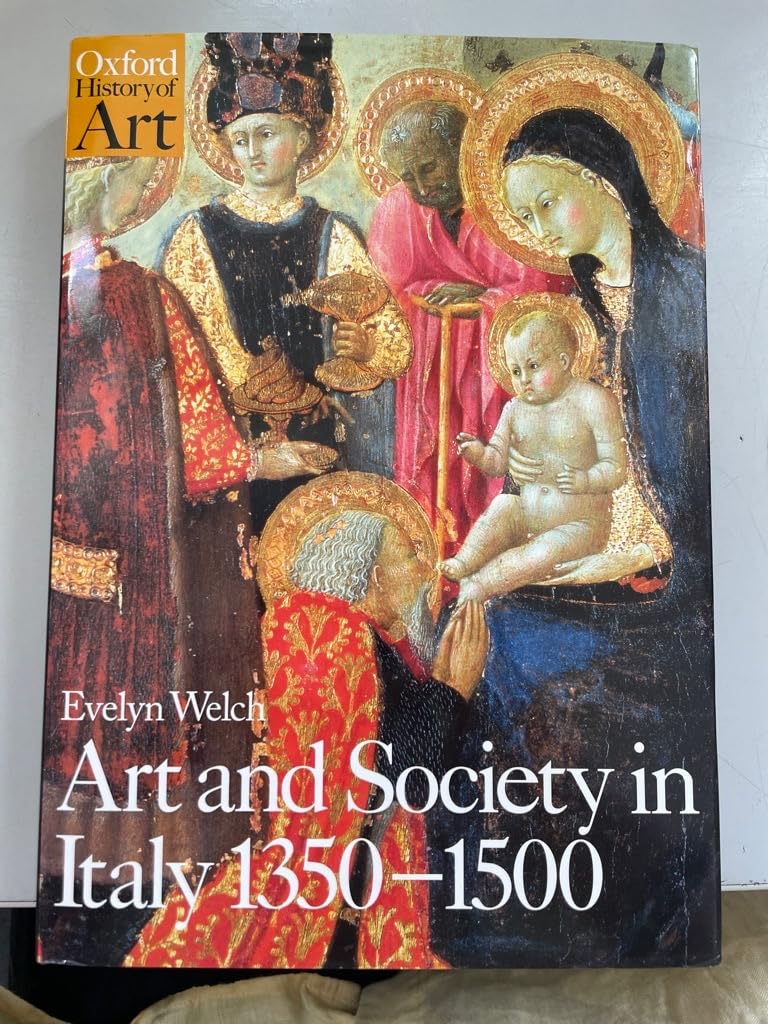
The Renaissance gave birth to individualism, nationalism, secularism, and capitalist entrepreneurism. It could also be argued that the Renaissance gave birth to the modern concept of art and the artist. “Art and Society in Italy, 1350-1500” (1997) by Evelyn Welch has a lot to say about this phenomenon without saying very much at all. Her…
 What's Tim Reading Now?