All Posts
Collected reviews from decades of reading — organized by subject and written for clarity, context, and long-term reference.
Categories
- Afghanistan (5)
- Africa (3)
- Age of Discovery (14)
- American Revolution (25)
- Ancient Greece (10)
- Ancient Rome (1)
- Anglo-German Naval Competition (8)
- Anthropology (3)
- Artists (12)
- British History (15)
- Business Books (16)
- Business Greats (12)
- Central Banking (7)
- China (1)
- Cold War Era (19)
- Colonial America (24)
- Commodities (10)
- Corporate Biography (11)
- Counter Insurgency (6)
- Cuba (1)
- Disease (9)
- Early Modern Europe (7)
- Early Republic (13)
- Economic Development (12)
- Economics (17)
- French Revolution (8)
- Great Depression (6)
- Great Projects (9)
- Great Writers (4)
- Industrial Revolution (14)
- Iranian Revolution (3)
- Italian Renaissance (25)
- Jacksonian America (4)
- Korea (1)
- Middle Ages (4)
- Middle East (5)
- Military Innovation (20)
- Napoleon (3)
- Philosophy (3)
- Pop History (28)
- Progressive Era (8)
- Republican Rome (16)
- Roman Empire (23)
- Russian History (5)
- Russian Revolution (3)
- Sri Lanka (3)
- The Gilded Age (4)
- U.S. Civil War (7)
- U.S. Presidents (14)
- Vietnam (8)
- World War I (6)
- World War II (9)
-
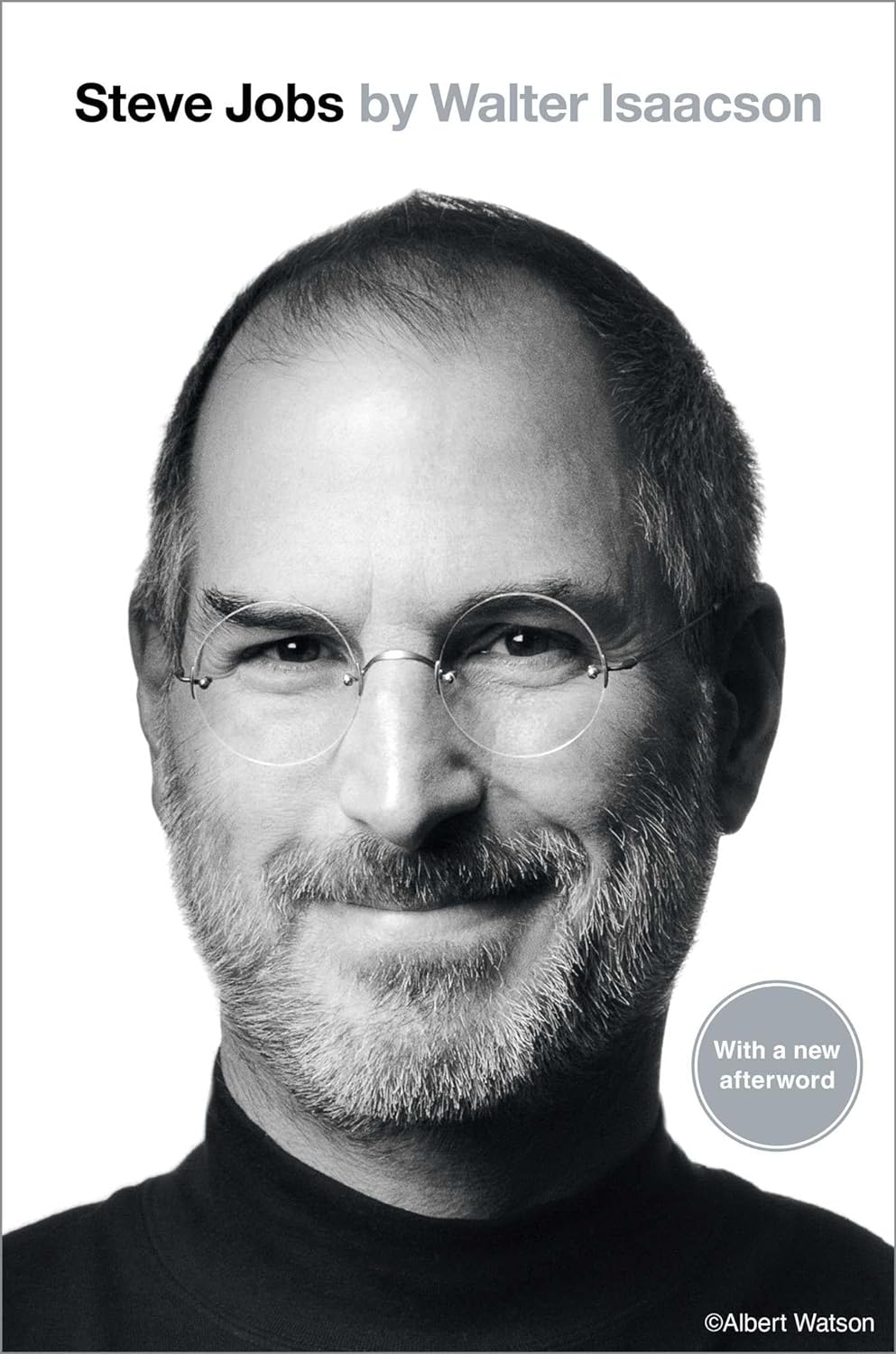
Few works of non-fiction have been as eagerly anticipated and commercially successful as Walter Isaacson’s “Steve Jobs,” which hit bookstores a mere 13 days after the iconic tech leader succumbed to cancer in October 2011. Despite its blockbuster status, reviews were somewhat mixed, which (in my opinion) is inevitable when a biography appears on a…
-
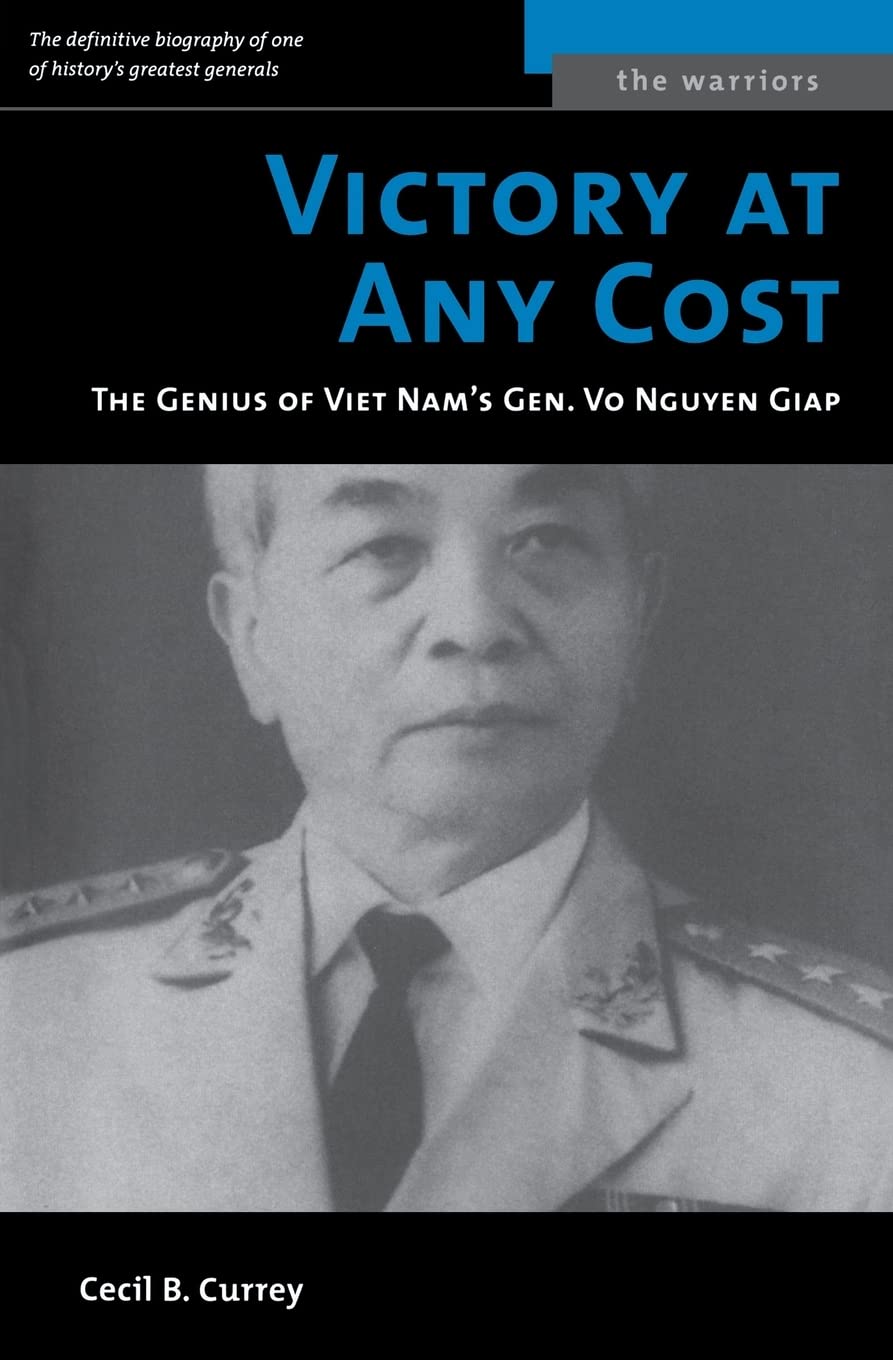
Vo Nguyen Giap died in Hanoi in 2013 at the ripe old age of 102. Given his arduous early military life in the bush followed by his decades long leadership in a brutal war for national independence, joisting continuously with firepower-rich foreign enemies and deadly internal political rivals, he at least deserves to be remembered…
-

Bernard Fall was one of the great foreign war correspondents. A Frenchman of Austrian Jewish birth, he spent most of his adult life studying and teaching in the United States when not in Southeast Asia covering the Vietnamese communist war against the French and then the Americans. This book, the story of the epic siege…
-

One of my first surprises was how little information there is available on Sri Lankan history, especially the quarter-century civil war that bled the country white. When I asked Sri Lankan-based staff from the foundation which books I should read before arriving they recommended novels, such as “Anil’s Ghost” and “The Legend of Pradeep Mathew.”…
-
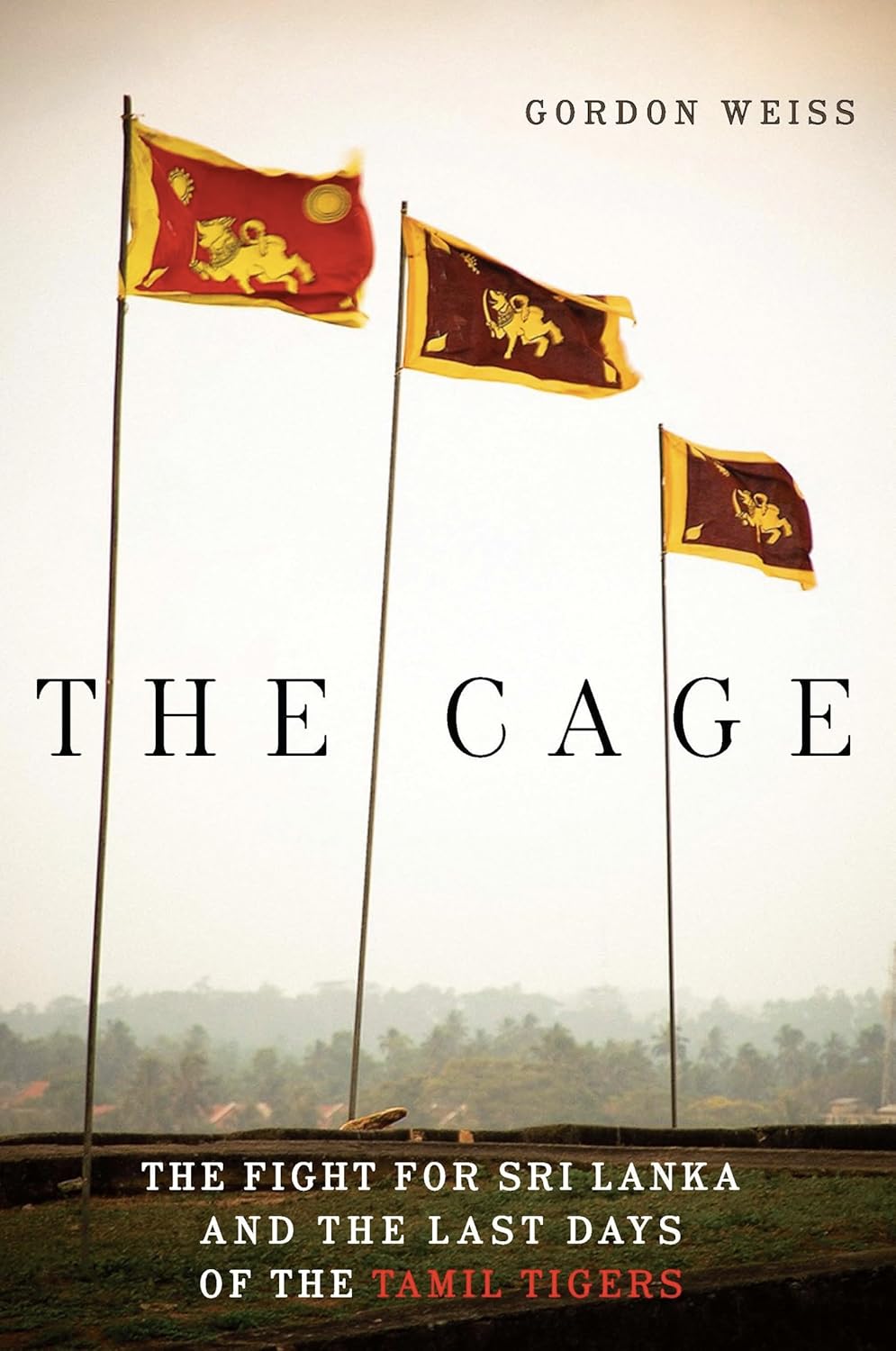
Few Americans know much about Sri Lanka. I was one of them until I read this book. I decided it was time to learn more after I was named to the president’s leadership council of a prominent Asian-focused non-governmental development foundation and then was invited to visit and assess the country operations in Sri Lanka,…
-
I so wanted to be won over by this book by the brilliant Indian economist, Amartya Sen. His central thesis is simple and compelling: “…the basic idea that enhancement of human freedom is both the main object and the primary means of development.” However, the empirical evidence he musters to support his case is often…
-
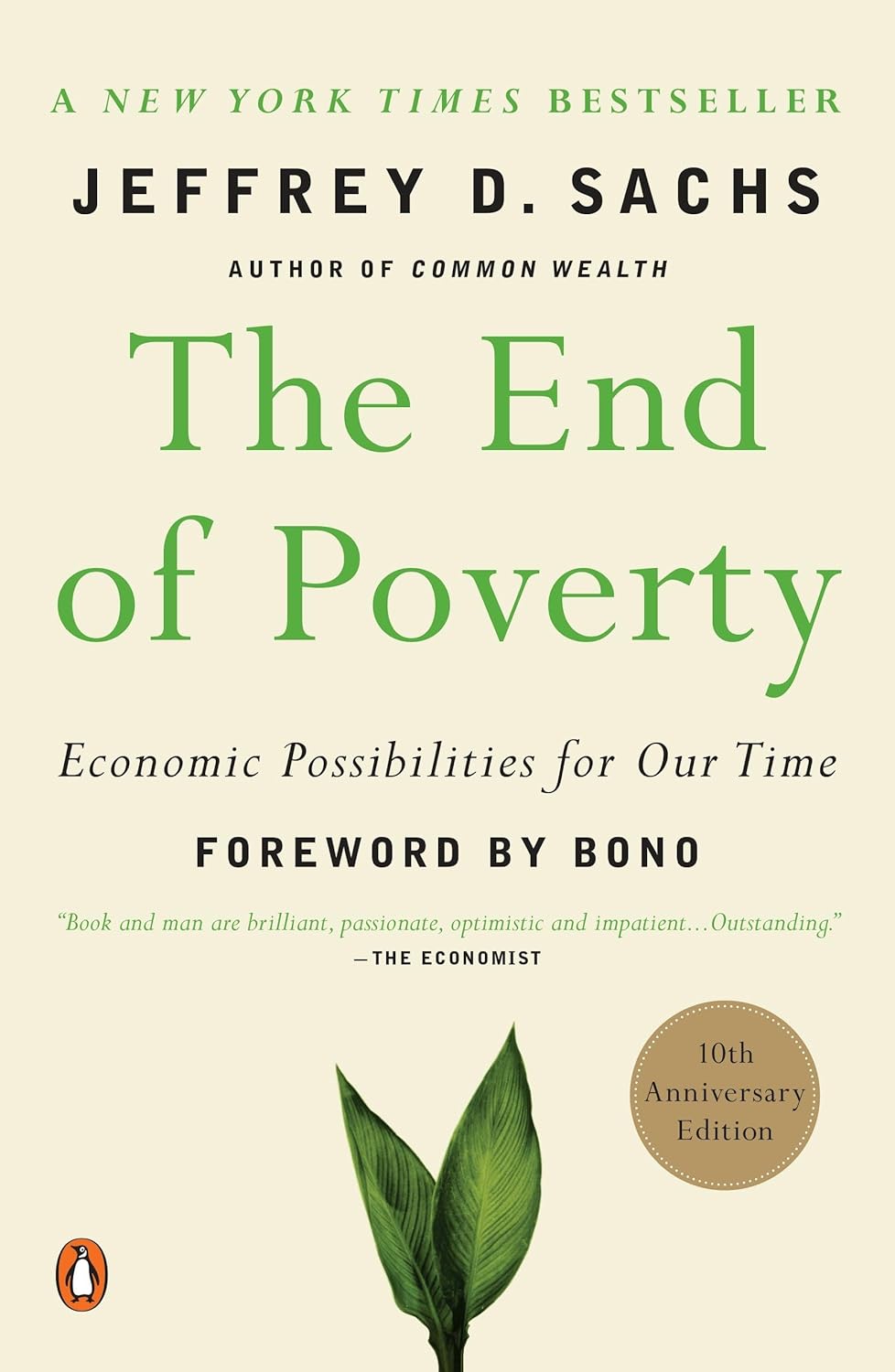
There aren’t any “I’s” in the word “development,” but there are plenty in this 2005 bestselling book on development by “Economist to the Stars” Jeffrey Sachs. The professor presents his personal vision of a grand plan to quickly eradicate extreme poverty, as though indigence was an easily treatable form of small pox. If someone would…
-
In 2011, Eric Ries made a big splash in Silicon Valley with his book “The Lean Startup: How Today’s Entrepreneurs Use Continuous Innovation to Create Radically Successful Businesses.” He defines “startup” rather loosely (“an organization dedicated to creating something new under conditions of extreme uncertainty”) and encourages organizations of all sizes to avoid creating elaborate…
-

I’ve spent the past seven years working for Intuit, the company behind such successful consumer software products as TurboTax, QuickBooks, Quicken and Mint.com. A fundamental principle to our product management approach is the “follow-me-home.” That is, we literally shadow our potential customers – usually small business owners and American taxpayers and budgeters – to observe…
 What's Tim Reading Now?