All Posts
Collected reviews from decades of reading — organized by subject and written for clarity, context, and long-term reference.
Categories
- A Very Short Introduction (4)
- Afghanistan (5)
- Africa (3)
- Age of Discovery (14)
- American Revolution (29)
- Ancient Greece (11)
- Ancient Rome (2)
- Anglo-German Naval Competition (8)
- Anthropology (3)
- Art History (6)
- Artists (16)
- British History (16)
- Business Books (19)
- Business Greats (12)
- Central Banking (8)
- China (1)
- Cold War Era (19)
- Colonial America (25)
- Commodities (10)
- Corporate Biography (11)
- Counter Insurgency (6)
- Cuba (1)
- Disease (9)
- Early Modern Europe (8)
- Early Republic (21)
- Economic Development (12)
- Economics (17)
- French Revolution (8)
- Great Depression (6)
- Great Projects (9)
- Great Writers (4)
- Industrial Revolution (14)
- Iranian Revolution (4)
- Italian Renaissance (27)
- Jacksonian America (4)
- Korea (1)
- Middle Ages (4)
- Middle East (5)
- Military Innovation (20)
- Napoleon (3)
- Philosophy (4)
- Pop History (32)
- Progressive Era (8)
- Republican Rome (16)
- Roman Empire (25)
- Russian History (5)
- Russian Revolution (3)
- Sri Lanka (3)
- The Gilded Age (4)
- U.S. Civil War (7)
- U.S. Presidents (16)
- Vietnam (8)
- World War I (6)
- World War II (10)
-
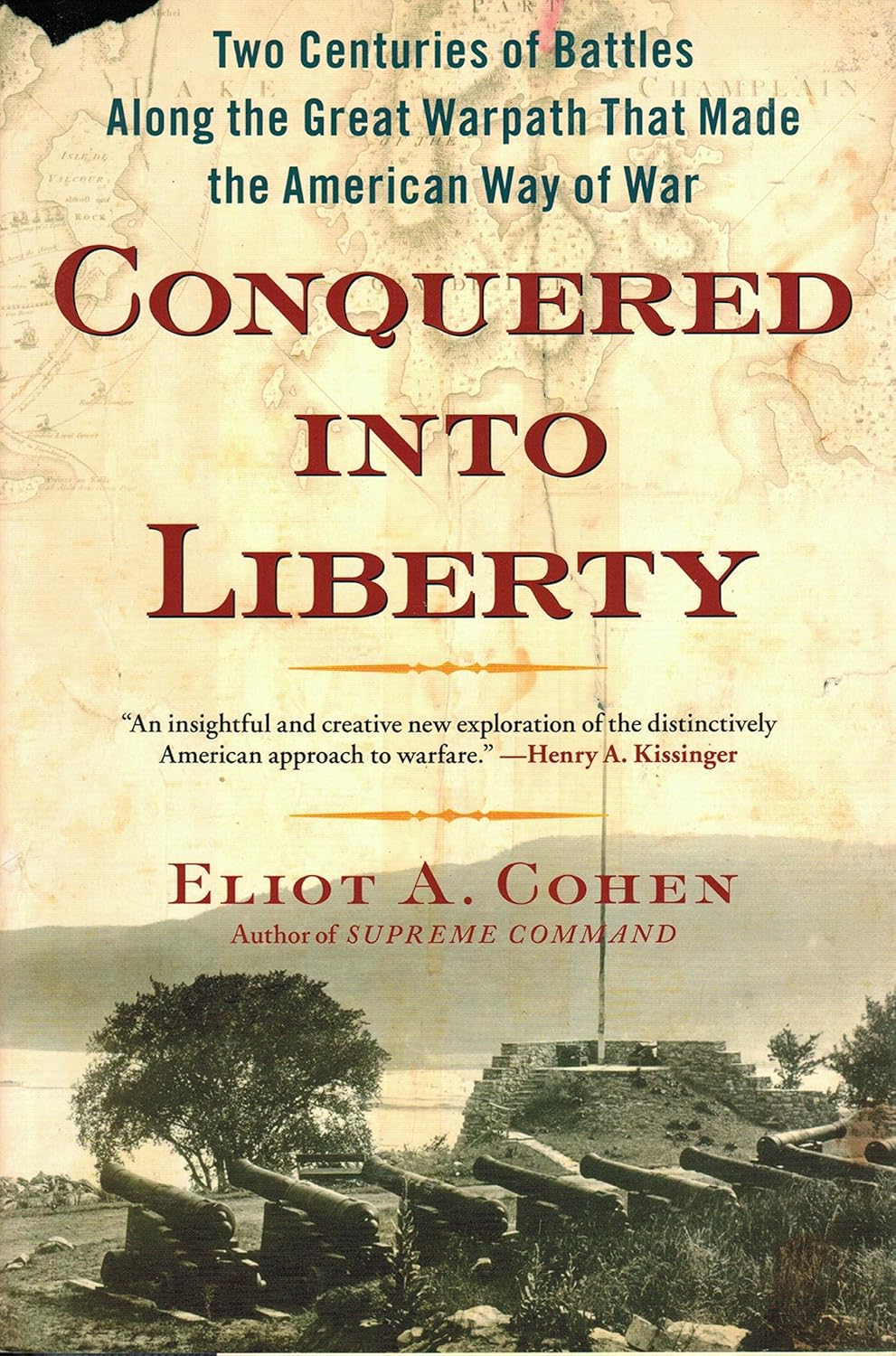
had the privilege to join Eliot Cohen, the distinguished military historian and my graduate school advisor, on an extended “staff ride” exploring the 1776-1777 Lake Champlain campaign in the summer of 2001. We hiked the beautiful trails overlooking the cobalt blue waters of Champlain, discussed the merits of Benedict Arnold as a field commander on…
-
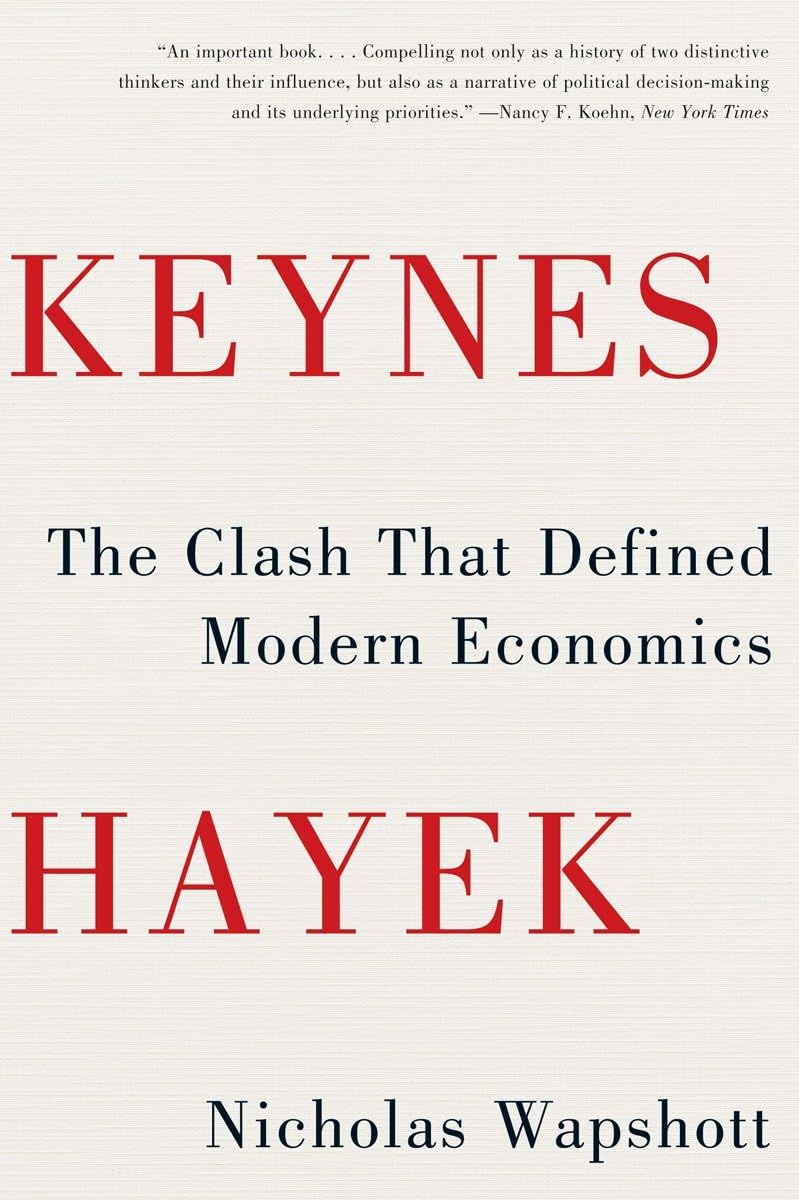
John Maynard Keynes once famously quipped: “Practical men, who believe themselves to be quite exempt from any intellectual influence, are usually the slaves of some defunct economist.” The underlying question in Nicholas Wapshott’s” Keynes Hayek: The Clash that Defined Modern Economics” is whether or not Keynes himself is now one of those defunct economists. And,…
-
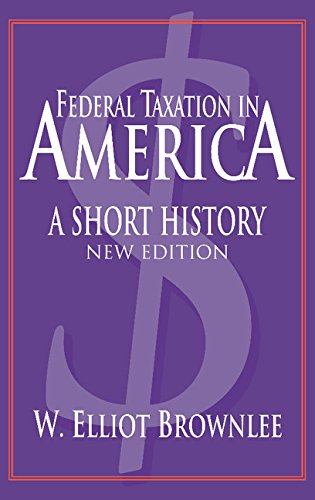
Writing on New Year’s 2013, this whole “fiscal cliff” mess and the hullabaloo with the “Buffett rule” on taxing the wealthy got me curious about federal taxation in America. Not just where we are today, but where we’ve been and what the second and third order consequences have produced. It’s all well-and-good for Paul Krugman…
-
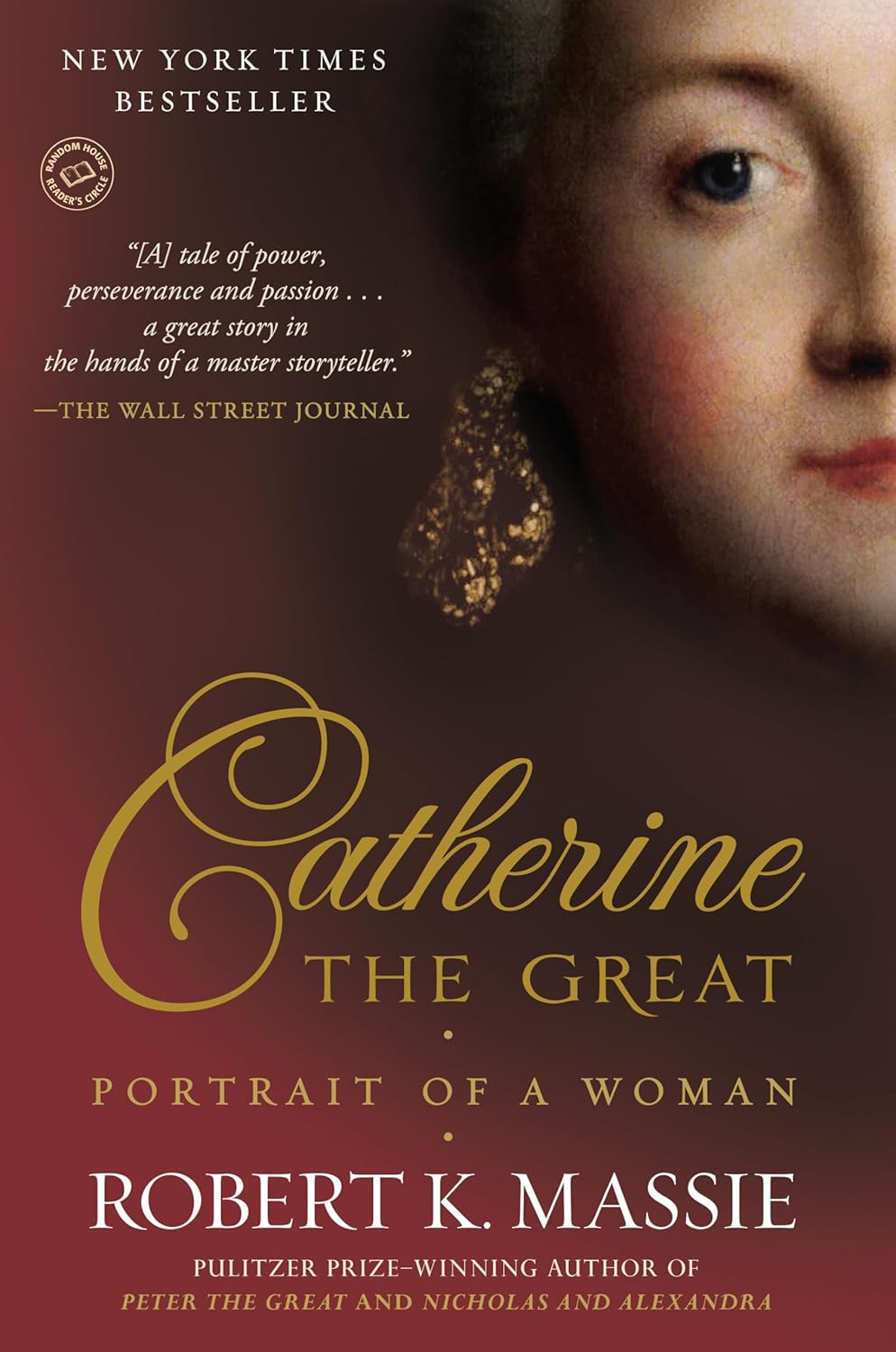
I’m a passionate reader of non-fiction. My living room wall is lined with books from floor to ceiling. Just the other day, as I scanned my hundreds of books – including a wide variety of biographies on presidents, writers, generals and business titans – it occurred to me that I did not own and had…
-

A dilemma rests at the heart of the international monetary system. A stable and predictable international currency regime is a necessary catalyst to international trade. So too is capital mobility, allowing the efficient allocation of foreign investment and spurring global economic growth. The rub is that high capital mobility tends to undermine stable, predictable currency…
-
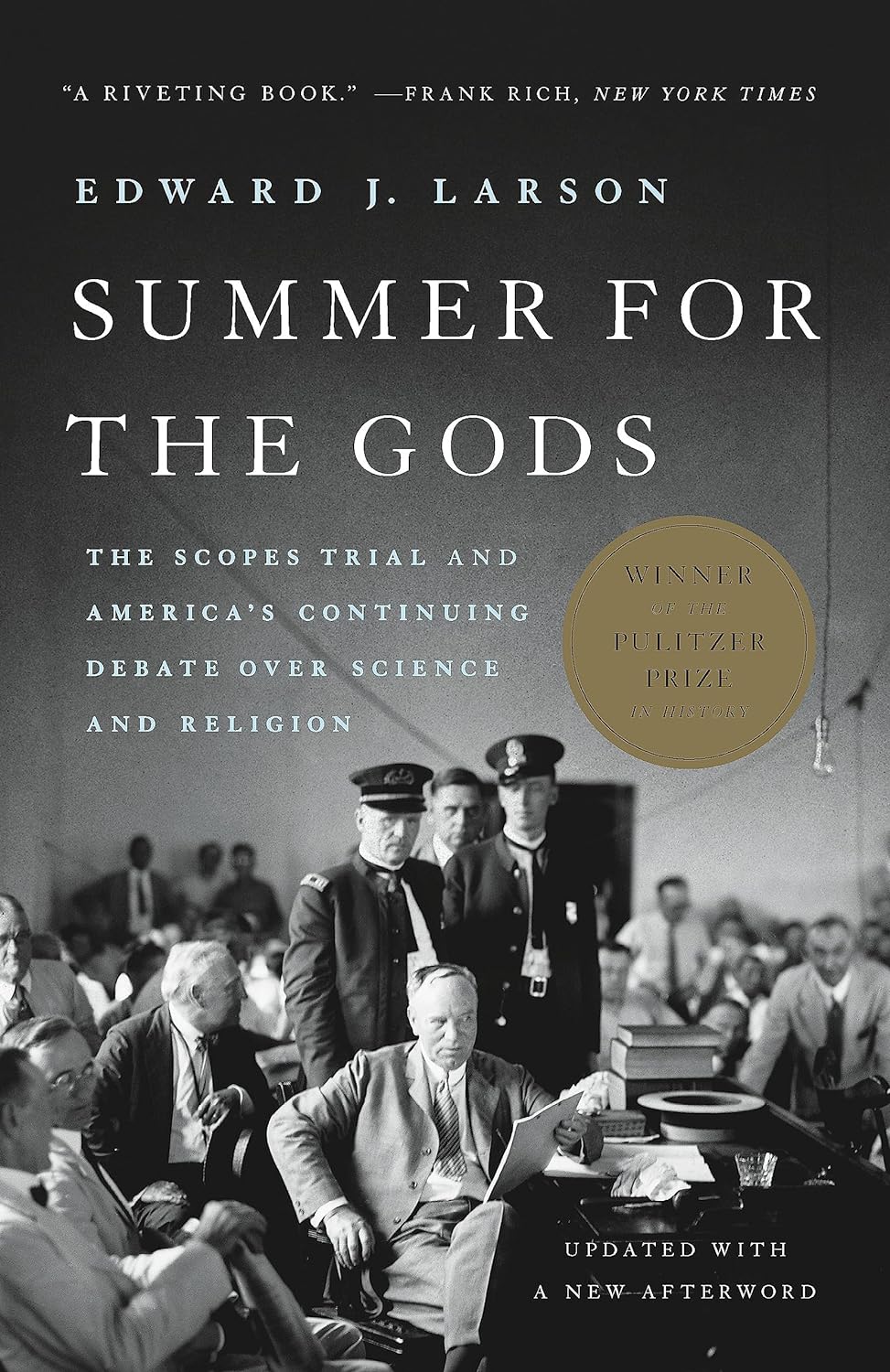
Historical dramas “Argo” and “Lincoln” dominated the Academy Awards this year. I’m not sure that is a good thing, although I very much enjoyed those fantastic movies. It seems to me that there is an inherent danger in allowing the theater to tell history, as artistic license is sure to modify the storyline for dramatic…
-
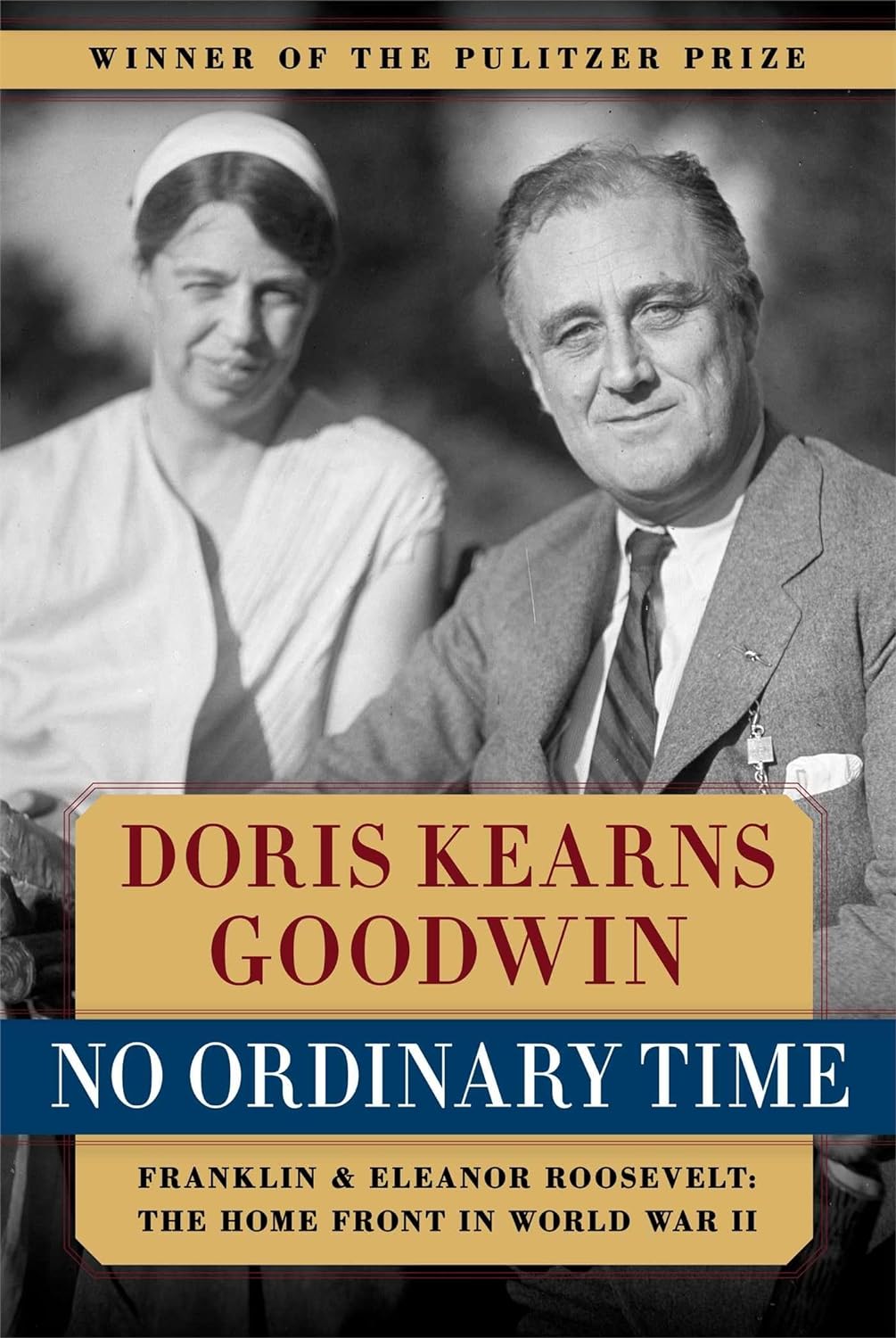
Doris Kearns Goodwin’s “No Ordinary Time, Franklin & Eleanor Roosevelt: The Home Front in World War II” is a slow, methodical, chronological but undeniably brilliant narrative of the most momentous half-decade in American history since 1860-1865. Even if you’ve read a lot about the Second World War and FDR, you’ll likely learn something from this…
-

The Erie Canal was the first “grand project” of the American republic, paving the way for other monumental national engineering achievements, from the transcontinental railroad and the Panama Canal to the Manhattan Project and Apollo mission. Peter Bernstein, a writer known more for his skill in making financial and monetary issues comprehensible to the mass…
-

I certainly wouldn’t rank the late Stephen Ambrose as one of the best American historians of his generation, but he may very well be the best-selling. In “Nothing Like It In the World: The Men Who Built the Transcontinental Railroad 1863-1869,” he brings his skill at telling the human side of warfare to one of…
 What's Tim Reading Now?