All Posts
Collected reviews from decades of reading — organized by subject and written for clarity, context, and long-term reference.
Categories
- Afghanistan (5)
- Africa (3)
- Age of Discovery (14)
- American Revolution (25)
- Ancient Greece (10)
- Ancient Rome (1)
- Anglo-German Naval Competition (8)
- Anthropology (3)
- Artists (12)
- British History (15)
- Business Books (16)
- Business Greats (12)
- Central Banking (7)
- China (1)
- Cold War Era (19)
- Colonial America (24)
- Commodities (10)
- Corporate Biography (11)
- Counter Insurgency (6)
- Cuba (1)
- Disease (9)
- Early Modern Europe (7)
- Early Republic (13)
- Economic Development (12)
- Economics (17)
- French Revolution (8)
- Great Depression (6)
- Great Projects (9)
- Great Writers (4)
- Industrial Revolution (14)
- Iranian Revolution (3)
- Italian Renaissance (25)
- Jacksonian America (4)
- Korea (1)
- Middle Ages (4)
- Middle East (5)
- Military Innovation (20)
- Napoleon (3)
- Philosophy (3)
- Pop History (28)
- Progressive Era (8)
- Republican Rome (16)
- Roman Empire (23)
- Russian History (5)
- Russian Revolution (3)
- Sri Lanka (3)
- The Gilded Age (4)
- U.S. Civil War (7)
- U.S. Presidents (14)
- Vietnam (8)
- World War I (6)
- World War II (9)
-

Few people remember the name Thomas Hutchinson today, but he was once the most hated man in America. And, if Bernard Bailyn, one of the most distinguished historians of revolutionary America, is to be believed, he is also one of the most misunderstood and wrongfully maligned men in American history. Several notable pieces seek to…
-

David Hackett Fischer writes delightful books. He expertly combines the breezy readability of a master popular historian with the professional craftsmanship and deep primary research of a top rate academic. The end result is a narrative that is at once a dazzling adventure tale and a groundbreaking piece of historiography. The adventure tale aspect of…
-
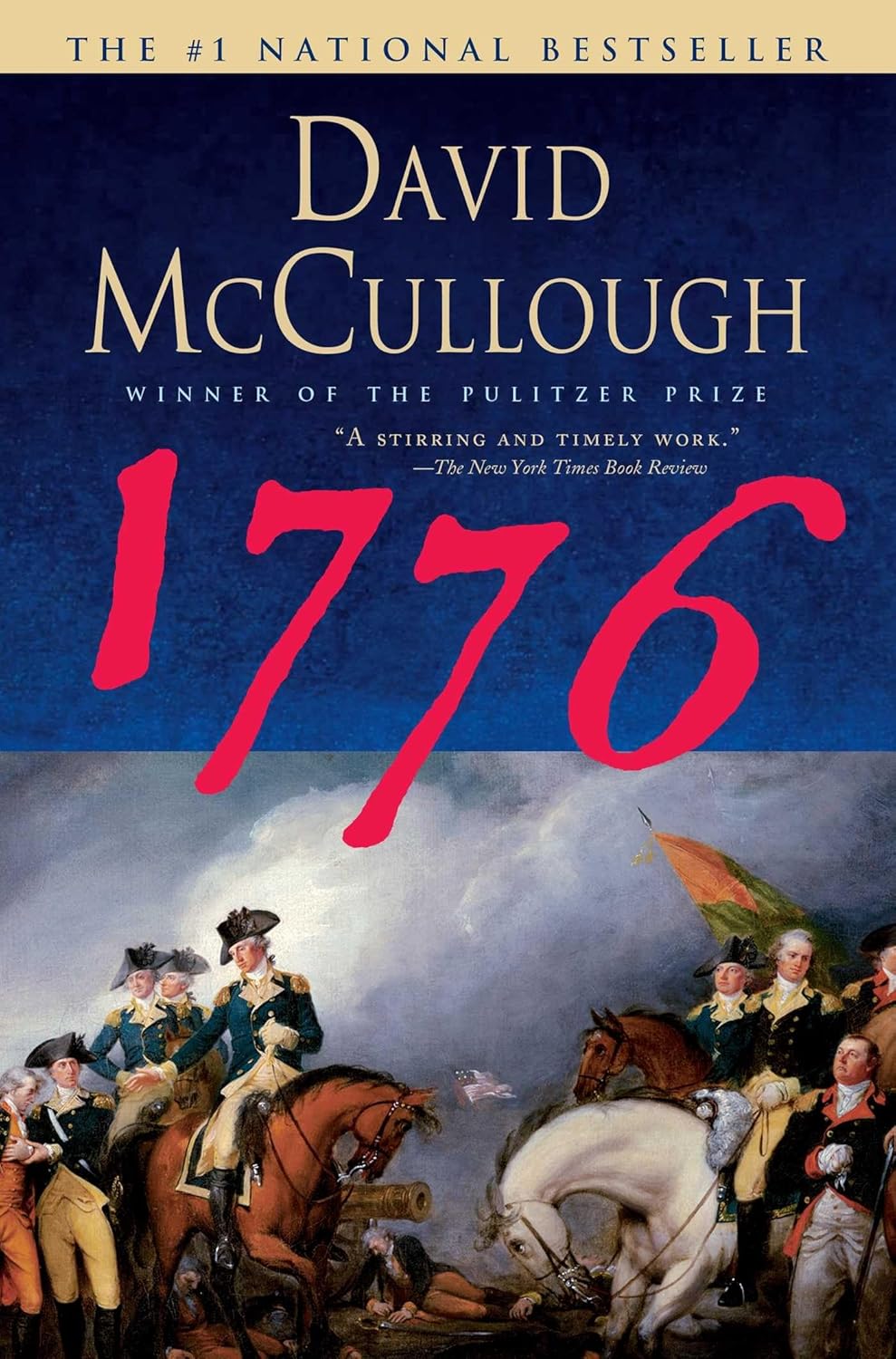
“The Spirit of ’76” has many positive connotations in contemporary America: liberty, freedom, and bravery foremost among them. Archibald Willard’s 19th century painting of the same name – depicting three ragged but steely-eyed and steadily advancing American soldiers…a fifer, a drummer and a flag bearer – remains an enduring symbol of national pride and power.…
-

A century before the campaign to support Darfur and the anti-Apartheid struggle of the 1980s there was the Congo, an international humanitarian movement propelled by celebrity endorsements (Sir Arthur Conan Doyle and Mark Twain) and stoked by graphic images of the atrocities that happened there, which horrified and outraged and inspired action. Adam Hochschild tells…
-

David Hackett Fischer’s Albion’s Seed: Four British Folkways in America is a stunning academic achievement. Each of the four migrations Fischer examines receives book-length treatment and authoritative analysis. It’s remarkable to discover just how distinct each of these “great migrations” was—and how each has left a lasting cultural imprint on its respective geographic region long…
-

My mother-in-law passed away this year after a long and courageous battle with uterine cancer. I picked up this Pultizer-prize winner in an attempt to educate myself as she went through a battery of surgeries, radiation and chemotherapy. “The Emperor of All Maladies” is a truly remarkable book, charting the course of humanity’s battle with…
-
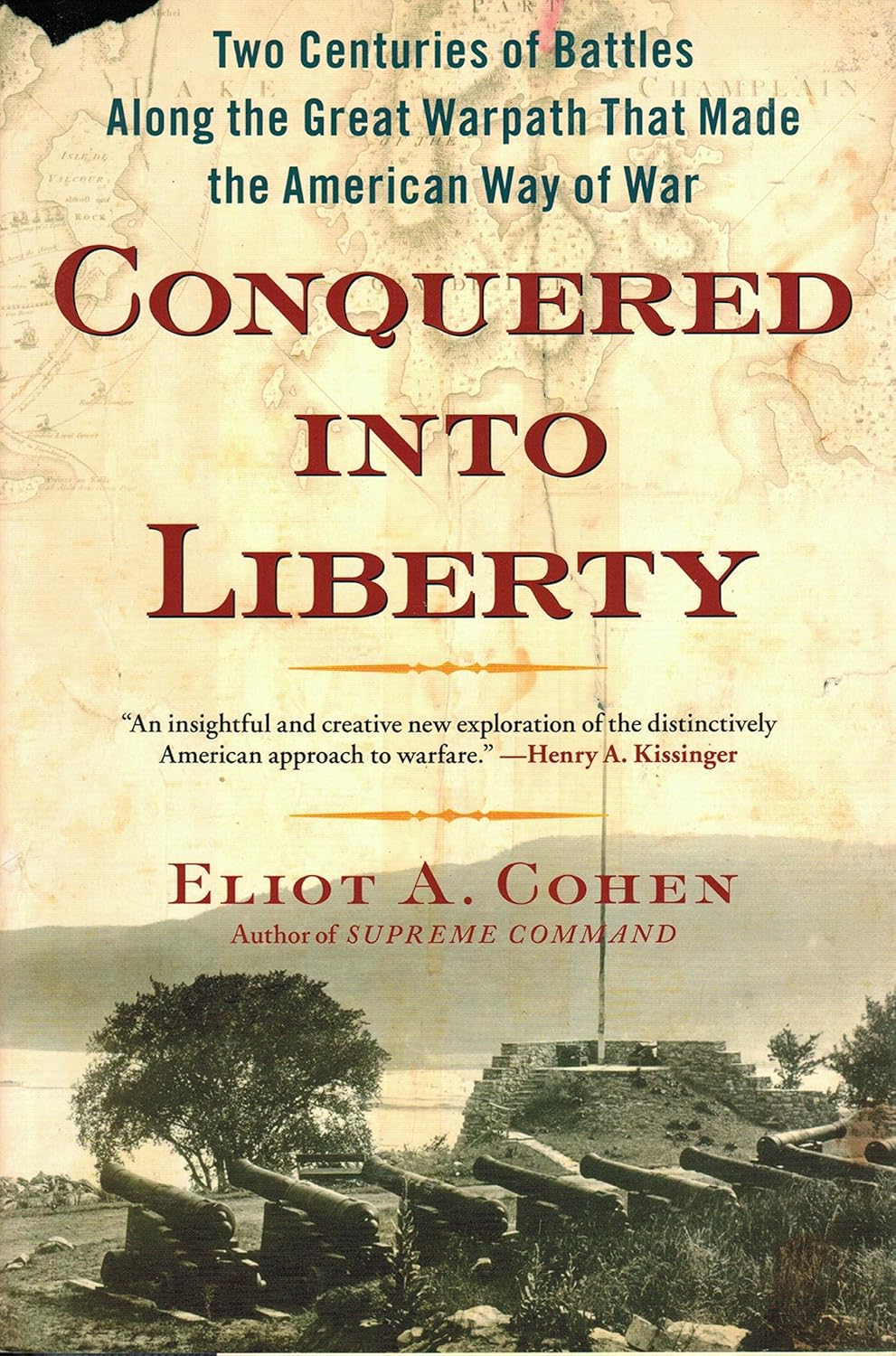
had the privilege to join Eliot Cohen, the distinguished military historian and my graduate school advisor, on an extended “staff ride” exploring the 1776-1777 Lake Champlain campaign in the summer of 2001. We hiked the beautiful trails overlooking the cobalt blue waters of Champlain, discussed the merits of Benedict Arnold as a field commander on…
-
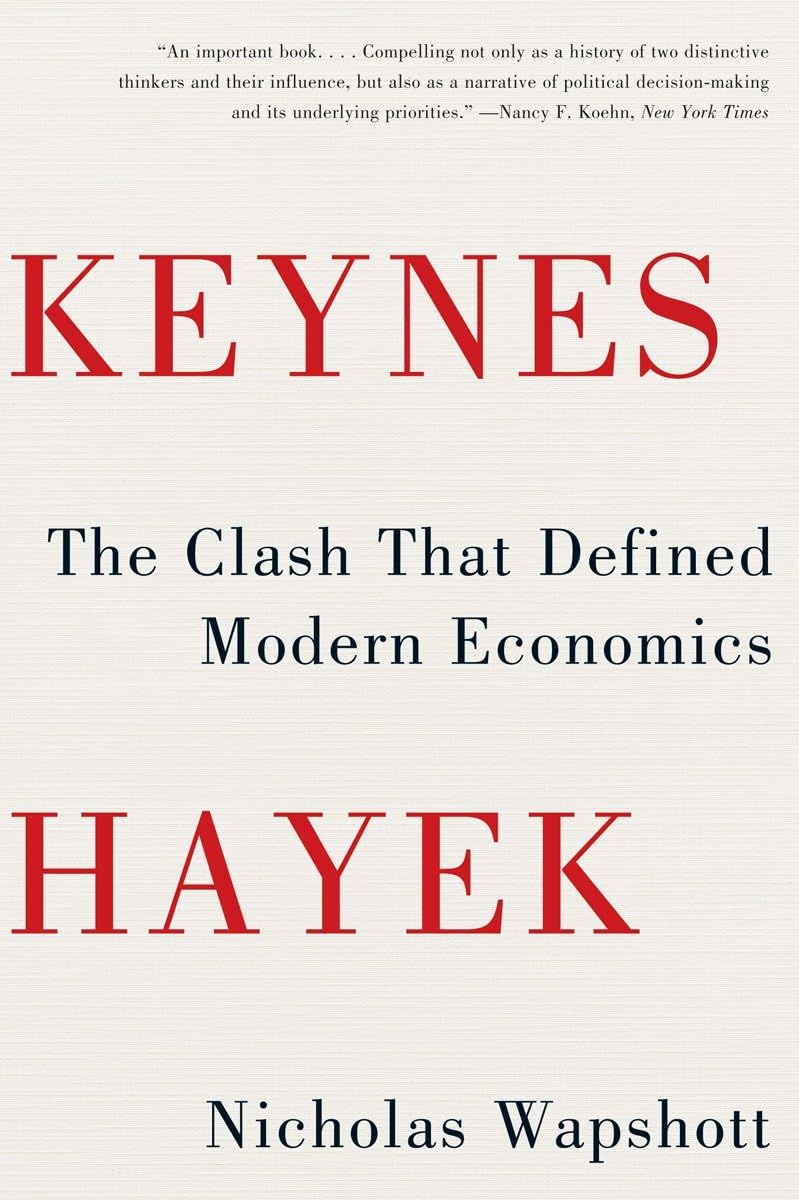
John Maynard Keynes once famously quipped: “Practical men, who believe themselves to be quite exempt from any intellectual influence, are usually the slaves of some defunct economist.” The underlying question in Nicholas Wapshott’s” Keynes Hayek: The Clash that Defined Modern Economics” is whether or not Keynes himself is now one of those defunct economists. And,…
-

Writing on New Year’s 2013, this whole “fiscal cliff” mess and the hullabaloo with the “Buffett rule” on taxing the wealthy got me curious about federal taxation in America. Not just where we are today, but where we’ve been and what the second and third order consequences have produced. It’s all well-and-good for Paul Krugman…
 What's Tim Reading Now?