All Posts
Collected reviews from decades of reading — organized by subject and written for clarity, context, and long-term reference.
Categories
- Afghanistan (5)
- Africa (3)
- Age of Discovery (14)
- American Revolution (25)
- Ancient Greece (10)
- Ancient Rome (1)
- Anglo-German Naval Competition (8)
- Anthropology (3)
- Artists (12)
- British History (15)
- Business Books (16)
- Business Greats (12)
- Central Banking (7)
- China (1)
- Cold War Era (19)
- Colonial America (24)
- Commodities (10)
- Corporate Biography (11)
- Counter Insurgency (6)
- Cuba (1)
- Disease (9)
- Early Modern Europe (7)
- Early Republic (13)
- Economic Development (12)
- Economics (17)
- French Revolution (8)
- Great Depression (6)
- Great Projects (9)
- Great Writers (4)
- Industrial Revolution (14)
- Iranian Revolution (3)
- Italian Renaissance (25)
- Jacksonian America (4)
- Korea (1)
- Middle Ages (4)
- Middle East (5)
- Military Innovation (20)
- Napoleon (3)
- Philosophy (3)
- Pop History (28)
- Progressive Era (8)
- Republican Rome (16)
- Roman Empire (23)
- Russian History (5)
- Russian Revolution (3)
- Sri Lanka (3)
- The Gilded Age (4)
- U.S. Civil War (7)
- U.S. Presidents (14)
- Vietnam (8)
- World War I (6)
- World War II (9)
-

Carl von Clausewitz’s masterpiece “On War” was published posthumously in Prussia in the 1830s. Arguably the most thoughtful and influential treatise on warfare ever written, his impact on the English-speaking world, especially the United States, was very slow in coming. Author Christopher Bassford claims this was due to several reasons. First, “On War” wasn’t available…
-
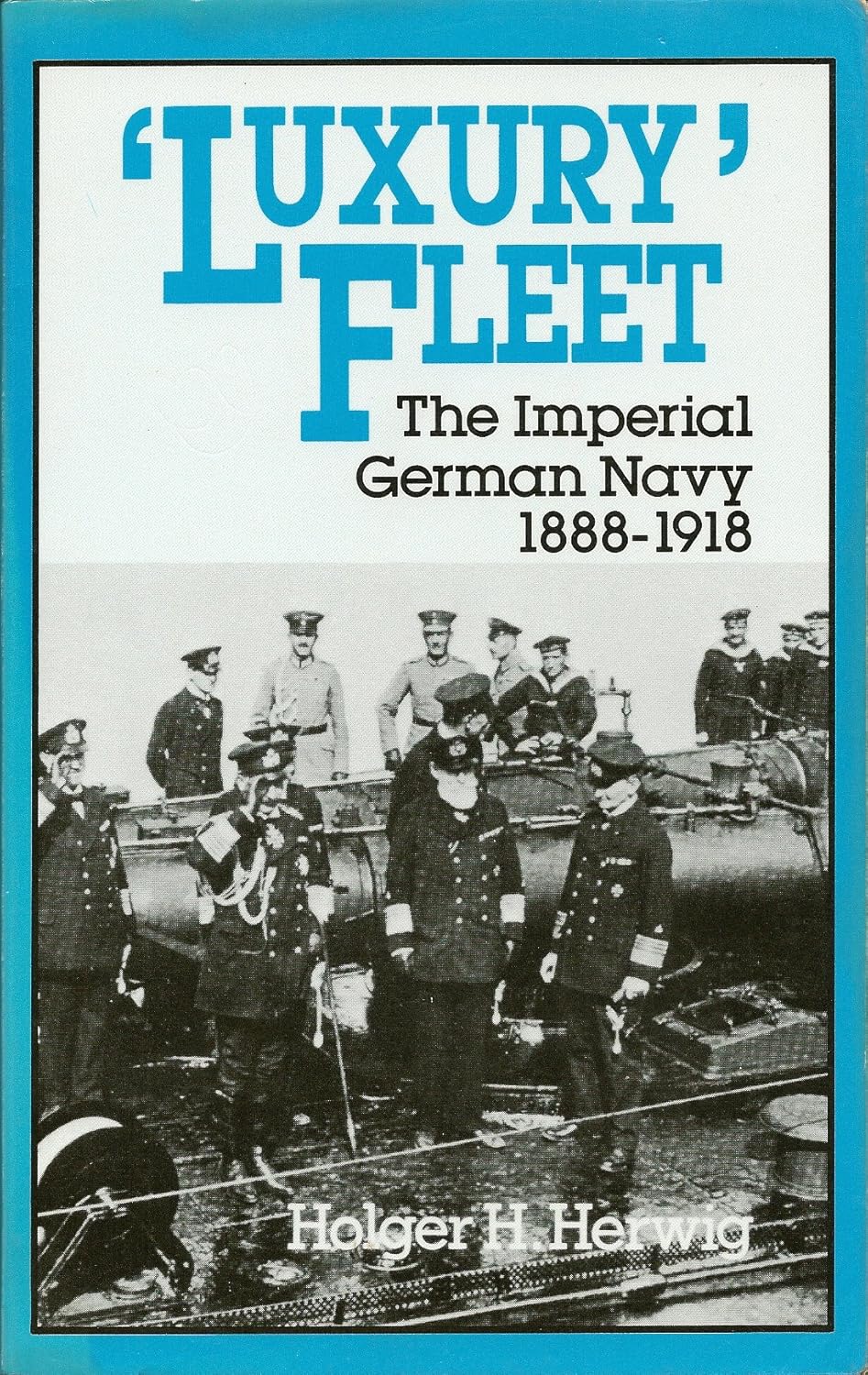
In 483 BC, the statesmen Themistocles led the construction of the Athenian fleet, stating, “I cannot tune a harp or play a lyre, but I know how to make a small city great.” Some 2,500 years later, Kaiser Wilhelm II and Admiral Alfred von Tirpitz attempted a similar path for the upstart German nation, like…
-

For those who love to read biographies, there is nothing as satisfying as a deep and richly textured accounting of the formative years of great figures in history, and that’s exactly what Philip Dwyer delivers here in a marvelous first volume biography covering the first three decades of the life of Napoleon Bonaparte. Dwyer describes…
-

This book isn’t nearly as arcane as one might think. The subject and general theme are far outside my standard reading zone, yet I never once lost interest nor felt lost in the subject matter. Author Randall Packard’s central message is abundantly clear: malaria is a social disease and only significant economic development and social…
-

There is no shortage of biographies on Alexander the Great. This one from Robin Lane Fox, now over three decades in print, may be the best. Fox seeks to retrieve, from the murky depths of the ancient past, Alexander the man, chipping away at the myth and libel that have become part of his towering…
-

There aren’t many historians like David Hackett Fischer, widely respected by his judgmental, often captious peers in the academy, the recipient of some of the most prestigious awards in his field, and capable of taking serious scholarship mainstream and with commercial success. I was first introduced to Fisher in graduate school when we were required…
-
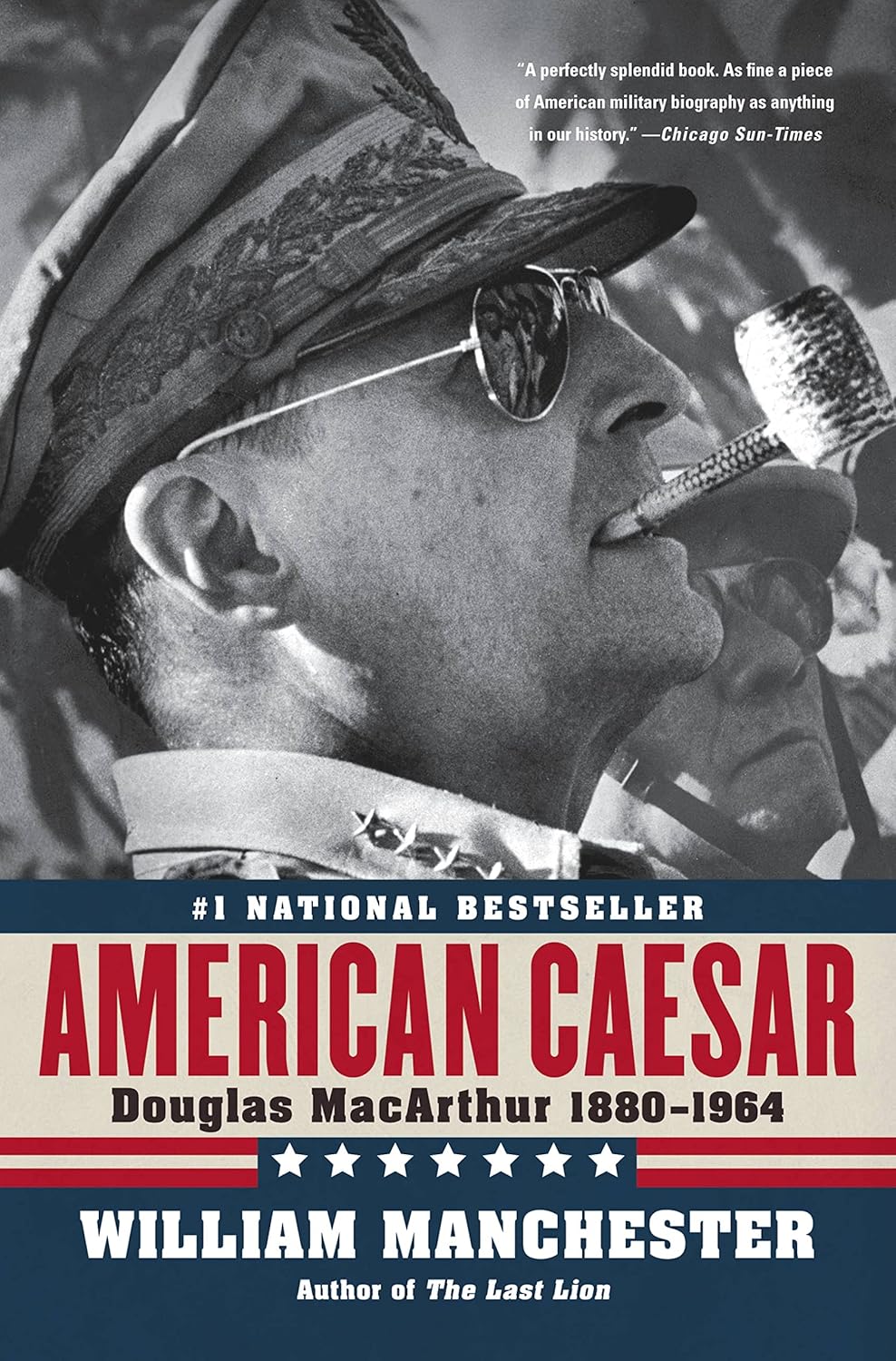
Few figures in twentieth century American history cast a longer shadow than Douglas MacArthur. Fewer still have seen their legacy sink so inexorably over the years. But there was more to the man than the pompous, dangerous, ego maniacal insubordinate, as he has become known to history, as the late William Manchester demonstrates in this…
-
First published over a half century ago, the Morgans’ “The Stamp Act Crisis” is still the most well-rounded and penetrating account of the political upheaval of 1764 to 1766 that essentially put the American Revolution in motion. The authors combine the very best of narrative history, with a strong focus on some of the most…
-

First published in 1979, David Stockton’s The Gracchi is a scholarly, balanced and insightful analysis of the two Gracchi brothers, whose eventful — indeed revolutionary — tribunates set the course for the final Roman Revolution of Julius Caesar nearly a century later. Stockton’s book was published the same year as another significant work on the…
 What's Tim Reading Now?