All Posts
Collected reviews from decades of reading — organized by subject and written for clarity, context, and long-term reference.
Categories
- Afghanistan (5)
- Africa (3)
- Age of Discovery (14)
- American Revolution (25)
- Ancient Greece (10)
- Ancient Rome (1)
- Anglo-German Naval Competition (8)
- Anthropology (3)
- Artists (12)
- British History (15)
- Business Books (16)
- Business Greats (12)
- Central Banking (7)
- China (1)
- Cold War Era (19)
- Colonial America (24)
- Commodities (10)
- Corporate Biography (11)
- Counter Insurgency (6)
- Cuba (1)
- Disease (9)
- Early Modern Europe (7)
- Early Republic (13)
- Economic Development (12)
- Economics (17)
- French Revolution (8)
- Great Depression (6)
- Great Projects (9)
- Great Writers (4)
- Industrial Revolution (14)
- Iranian Revolution (3)
- Italian Renaissance (25)
- Jacksonian America (4)
- Korea (1)
- Middle Ages (4)
- Middle East (5)
- Military Innovation (20)
- Napoleon (3)
- Philosophy (3)
- Pop History (28)
- Progressive Era (8)
- Republican Rome (16)
- Roman Empire (23)
- Russian History (5)
- Russian Revolution (3)
- Sri Lanka (3)
- The Gilded Age (4)
- U.S. Civil War (7)
- U.S. Presidents (14)
- Vietnam (8)
- World War I (6)
- World War II (9)
-
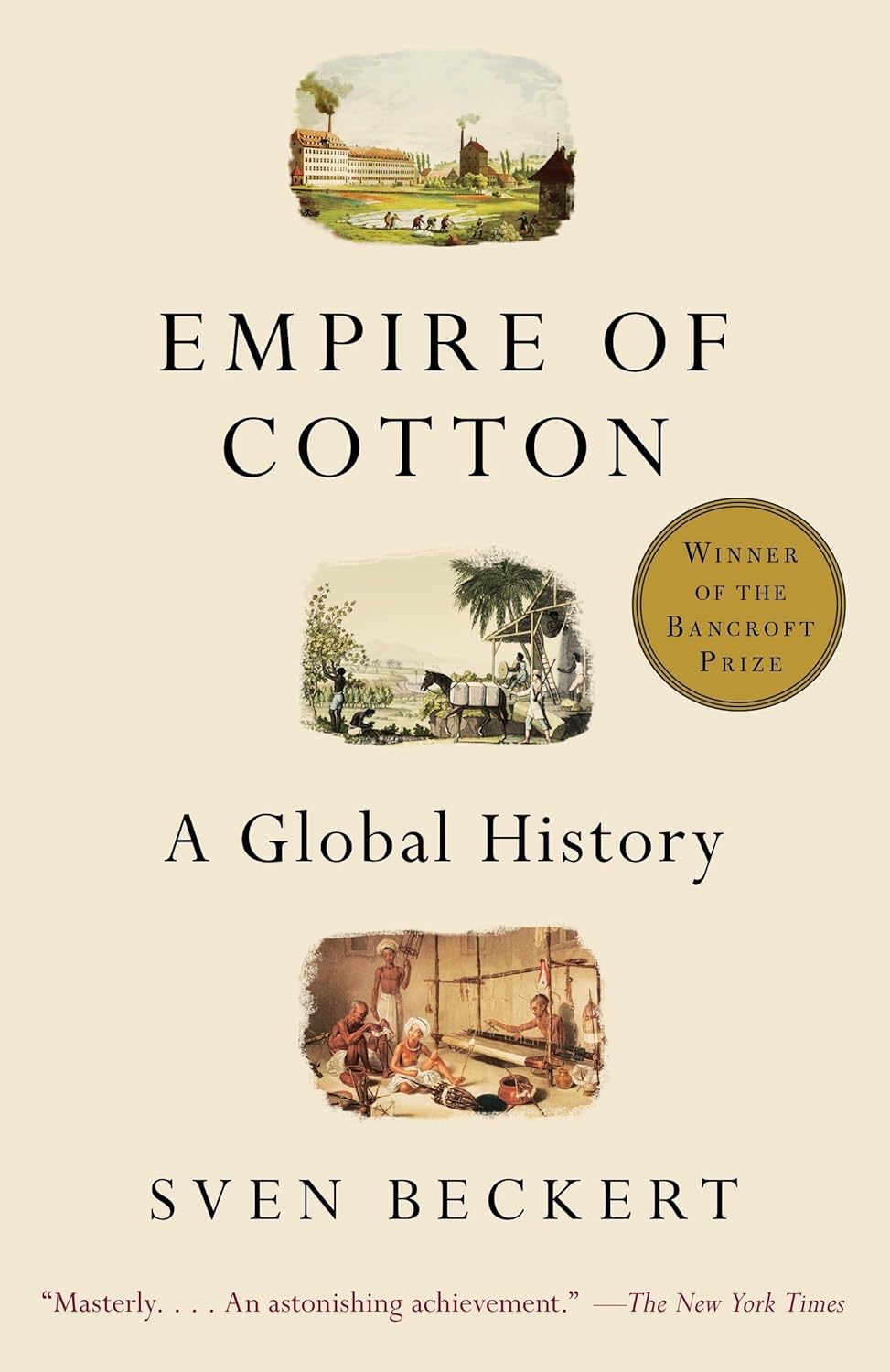
At the heart of Harvard history professor Sven Beckert’s award-winning book, “Empire of Cotton: A Global History,” is a simple but compelling syllogism: the wealthy, capitalist world we Americans live in today was created by the Industrial Revolution; the Industrial Revolution was driven by massive productivity gains in textile manufacturing; cotton was the essential raw…
-
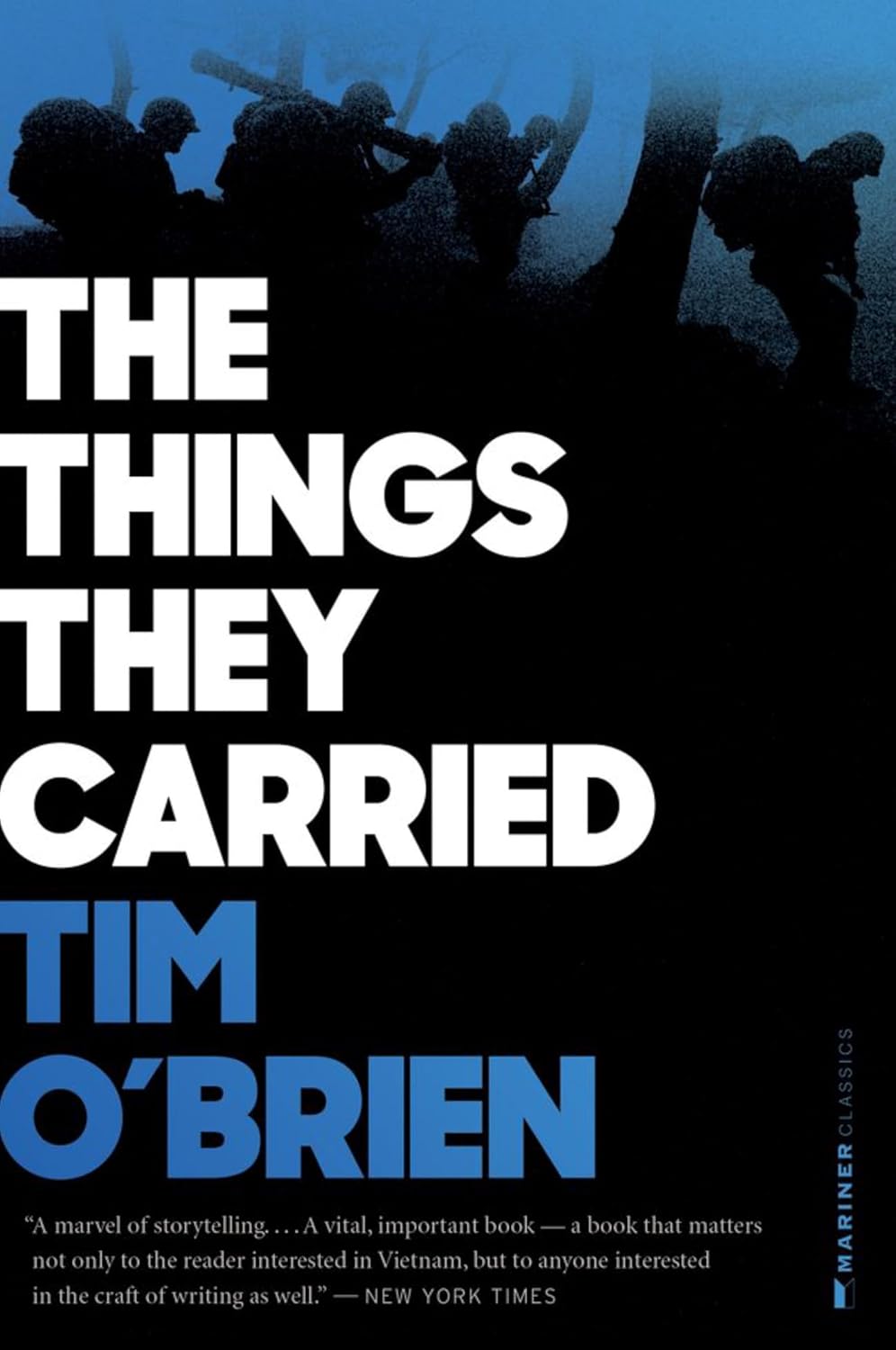
Much ink has been spilled writing memoirs from the Vietnam War. “The Things They Carried” may be the very best. Not because the tale it tells is the most heroic or gut-wrenching or historically significant, but rather because the experience of Alpha Company, 5th Battalion, 46th Infantry Regiment, 198th Infantry Brigade operating in Quang Ngai…
-
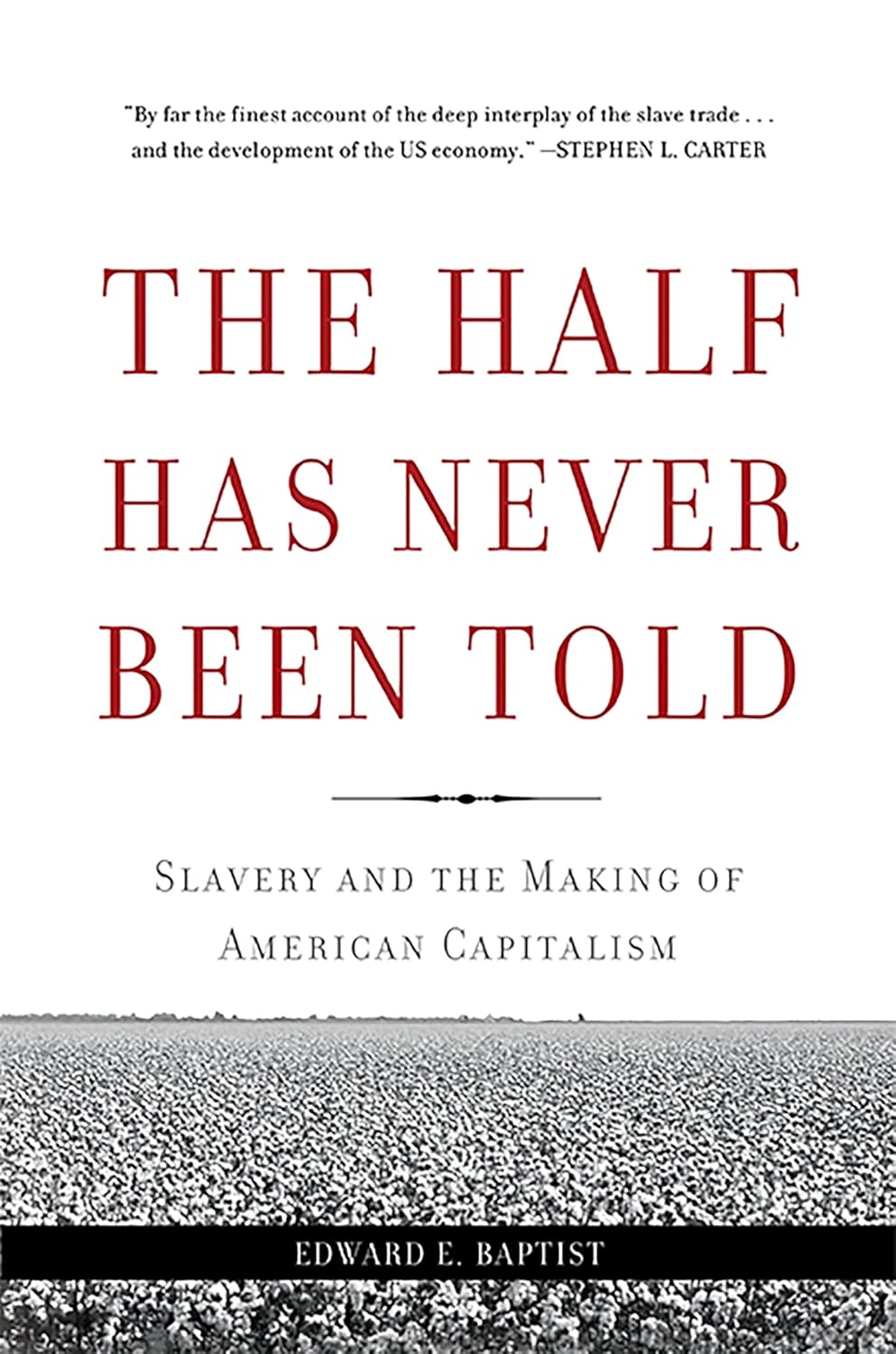
The Half Has Never Been Told: Slavery and the Making of American Capitalism (2014) by Edward Baptist
The year 2014 witnessed the publication of two weighty historical works on the seemingly mundane subject of cotton: Sven Beckert’s “Empire of Cotton” and Edward Baptist’s “The Half Has Never Been Told.” The former was better critically received, winning the prestigious Bancroft Prize and being named as a Pulitzer-Prize finalist; the latter arguably generated more…
-
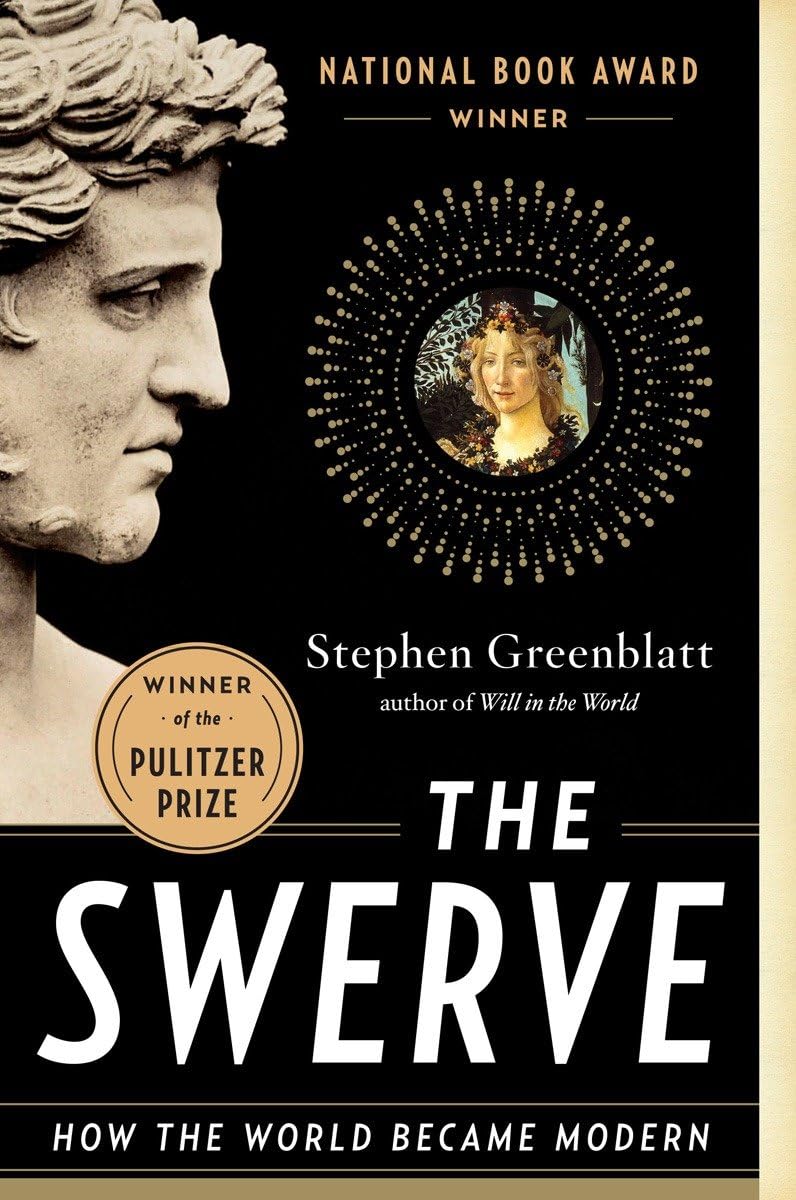
In 1417, at a remote monastery in what is today southern Germany, Poggio Bracciolini – a former apostolic secretary to the disgraced Pope John XXIII and a man renowned for his exquisite handwriting and command of classical Latin – pulled a dusty manuscript from the shelf of the monastic library. It was a long forgotten…
-

I loved this book. In fact, Rich Cohen’s “The Fish that Ate the Whale: The Life and Times of America’s Banana King” just might make it into my non-fiction book Hall of Fame, an honored group of the best, most engaging pieces of history and biography that I’ve ever read. Why such high praise? Well,…
-
Danny Meyer is a legend in the restaurant business. His bestselling business book, “Setting the Table: The Transforming Power of Hospitality in Business,” should make him a lower deity in the realm of American business gurus. Beginning with the Union Square Café in 1985 and culminating (for now) with Shake Shack, which went public in…
-
The early 1990s marked the first time that Genghis Khan and his empire – defunct since at least the mid-fourteenth century – could be studied in-depth. “The Secret History of the Mongols,” re-discovered in the early nineteenth century, had finally been translated, and the collapse of the Soviet Union had opened up the so-called Ikh…
-

“Sherman: A Soldier’s Passion for Order” by John Marszalek is military biography at its finest: lucidly written, thoroughly researched, admirably objective and offering penetrating insights into the subject’s motivations and foibles. There are three aspects to this book, all quite different, that made a lasting impression on me. First, to my surprise, Sherman’s tumultuous childhood…
-

God only knows how many books have been written about the French Revolution. “The Coming of the French Revolution” by Georges Lefebvre, first published in 1967, is one of the few that has endured as a bona fide classic, regularly assigned as required reading as “the classical interpretation” of events from 1788-89 in university-level courses…
 What's Tim Reading Now?