All Posts
Collected reviews from decades of reading — organized by subject and written for clarity, context, and long-term reference.
Categories
- Afghanistan (5)
- Africa (3)
- Age of Discovery (14)
- American Revolution (25)
- Ancient Greece (10)
- Ancient Rome (1)
- Anglo-German Naval Competition (8)
- Anthropology (3)
- Artists (12)
- British History (15)
- Business Books (16)
- Business Greats (12)
- Central Banking (7)
- China (1)
- Cold War Era (19)
- Colonial America (24)
- Commodities (10)
- Corporate Biography (11)
- Counter Insurgency (6)
- Cuba (1)
- Disease (9)
- Early Modern Europe (7)
- Early Republic (13)
- Economic Development (12)
- Economics (17)
- French Revolution (8)
- Great Depression (6)
- Great Projects (9)
- Great Writers (4)
- Industrial Revolution (14)
- Iranian Revolution (3)
- Italian Renaissance (25)
- Jacksonian America (4)
- Korea (1)
- Middle Ages (4)
- Middle East (5)
- Military Innovation (20)
- Napoleon (3)
- Philosophy (3)
- Pop History (28)
- Progressive Era (8)
- Republican Rome (16)
- Roman Empire (23)
- Russian History (5)
- Russian Revolution (3)
- Sri Lanka (3)
- The Gilded Age (4)
- U.S. Civil War (7)
- U.S. Presidents (14)
- Vietnam (8)
- World War I (6)
- World War II (9)
-

In the main, I found “Black Swan” to be terribly disappointing: long-winded, poorly structured, unnecessarily acerbic, often embarrassingly childish, but above all of limited practical application. Author Nassim Taleb launches a frontal assault on social scientists of all stripes, but unleashes particular venom at economists, especially Nobel Prize winners who’s work is based on Gaussian…
-
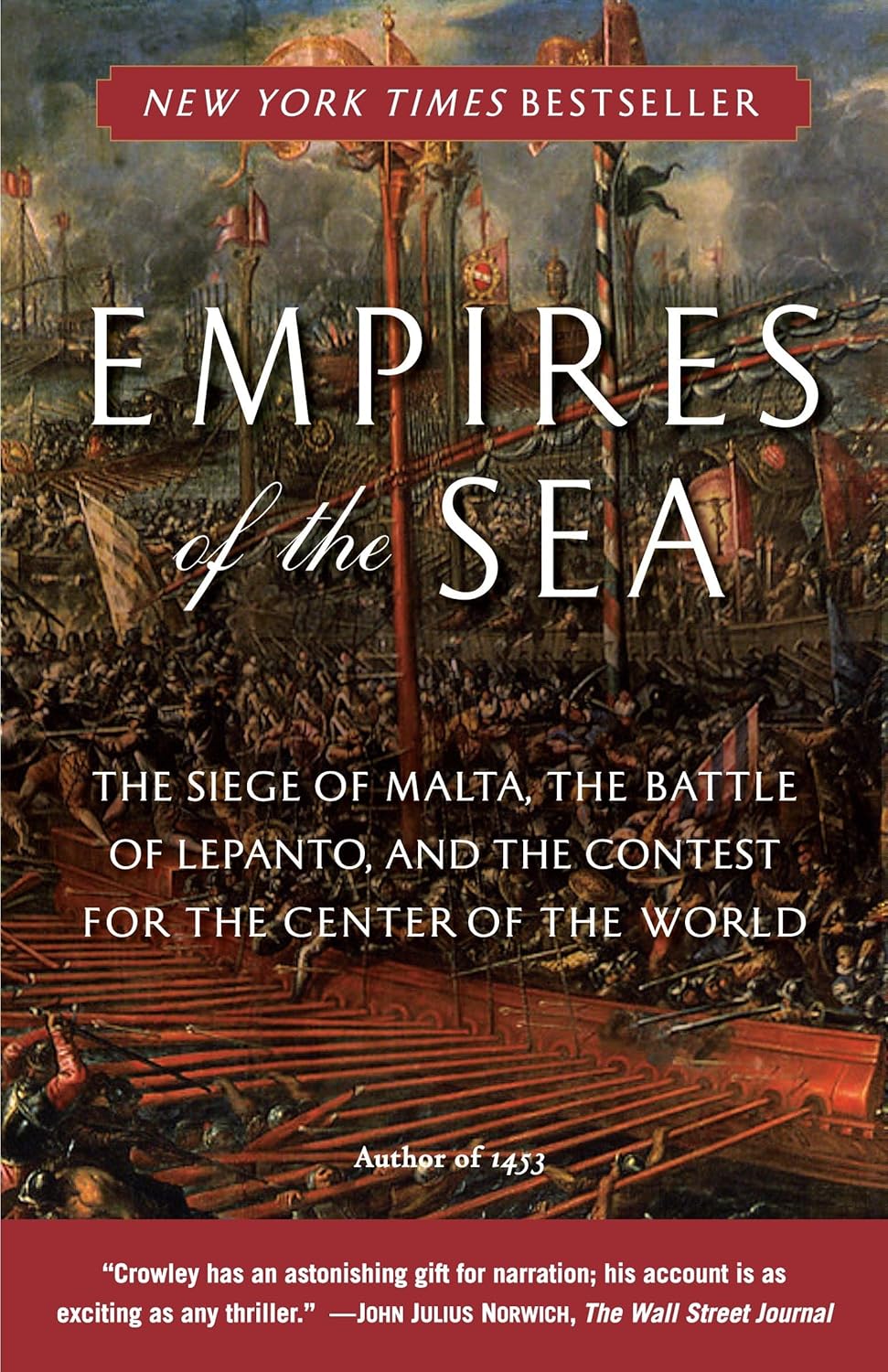
Is Roger Crowley’s “Empires of the Sea: The Siege of Malta, the Battle of Lepanto, and the Conquest for the Center of the World” a substantive and groundbreaking piece of sixteenth century history? No. Is it an engaging story wonderfully told? Absolutely. The author breaks the narrative into three equally weighted parts. The first sets…
-

In late 2014, when I was reading this book (first published in 1986), Richard C. Hottelet, the last of the original “Murrow’s Boys,” died in Connecticut at the age of 97. There is so much about Edward R. Murrow’s story that feels old and distant – grainy black-and-white telecasts and lots of cigarette smoking –…
-
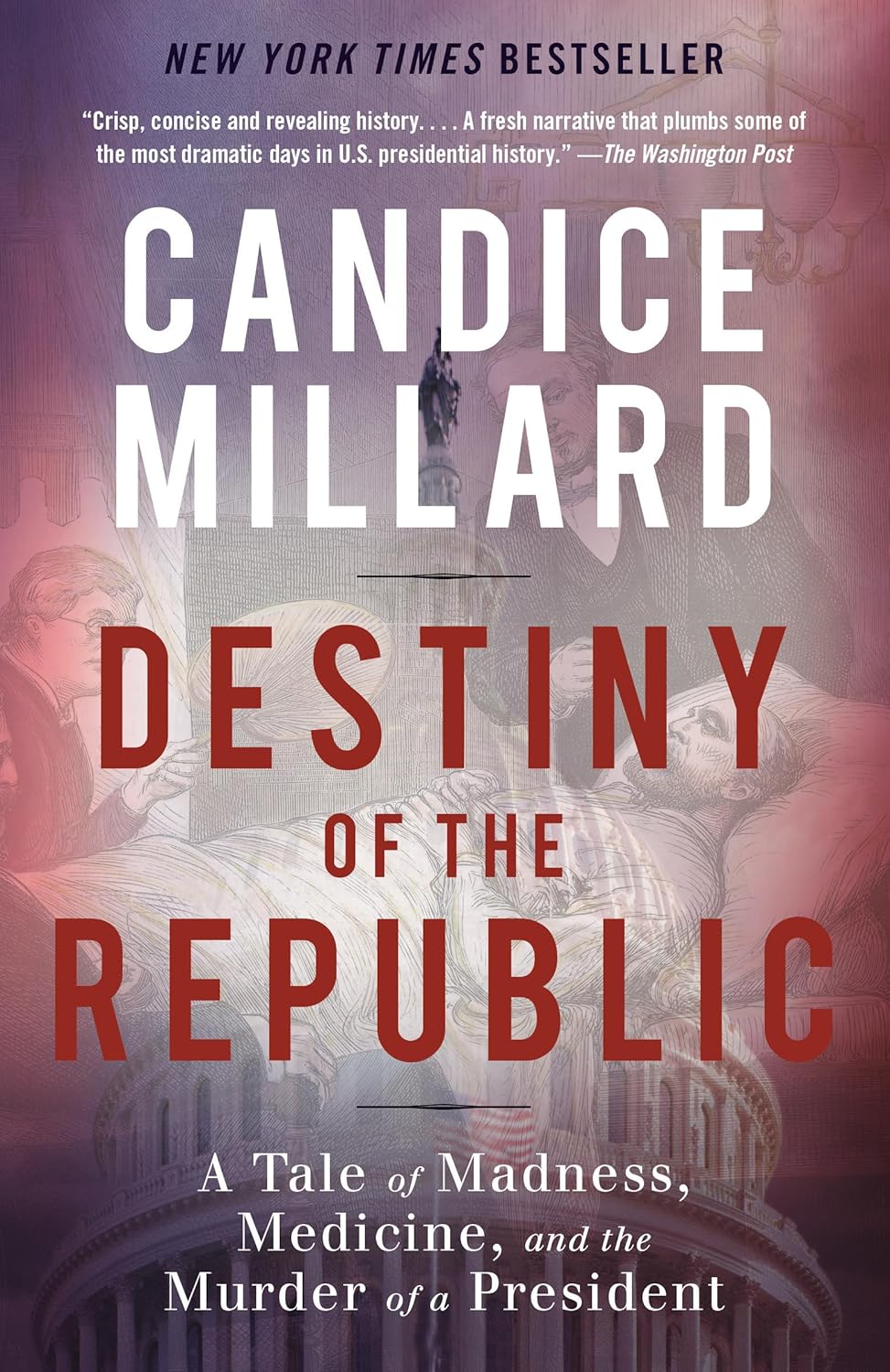
Lots of popular history books claim to “read like a novel”; this one actually does. Author Candace Millard takes a random, Jeopardy!-Trivia-question event in American history (“He shot President Garfield in July 1881.” “Who is Charles Guiteau?”) and turns it into a delightful page-turning read. “Destiny of the Republic” likely isn’t great history in the…
-

Popular historian David McCullough is something of a legend — and deservedly so. Few in his generation have ever equaled, let alone surpassed, his ability to construct a richly textured and deeply researched historical narrative. This gem, his first full length book, is every bit as good as his eventual Pulitzer Prize-winners, “John Adams” and…
-

Before I deployed to Afghanistan in 2009 I read everything I could about the country and its fascinating, but remarkably violent history. I was particularly interested to learn more about the Soviet experience. However, there was precious little to be found outside of some War College books that were insightful but lacked an overall narrative…
-

God bless Peter Bernstein, may he rest in peace. No one else could make arcane and seemingly dull topics (e.g. the history of gold or of statistics) so fascinating and accessible. In 2009, the year of Bernstein’s death, the celebrated academic economist Niall Ferguson published a bestseller, “The Ascent of Money: A Financial History of…
-
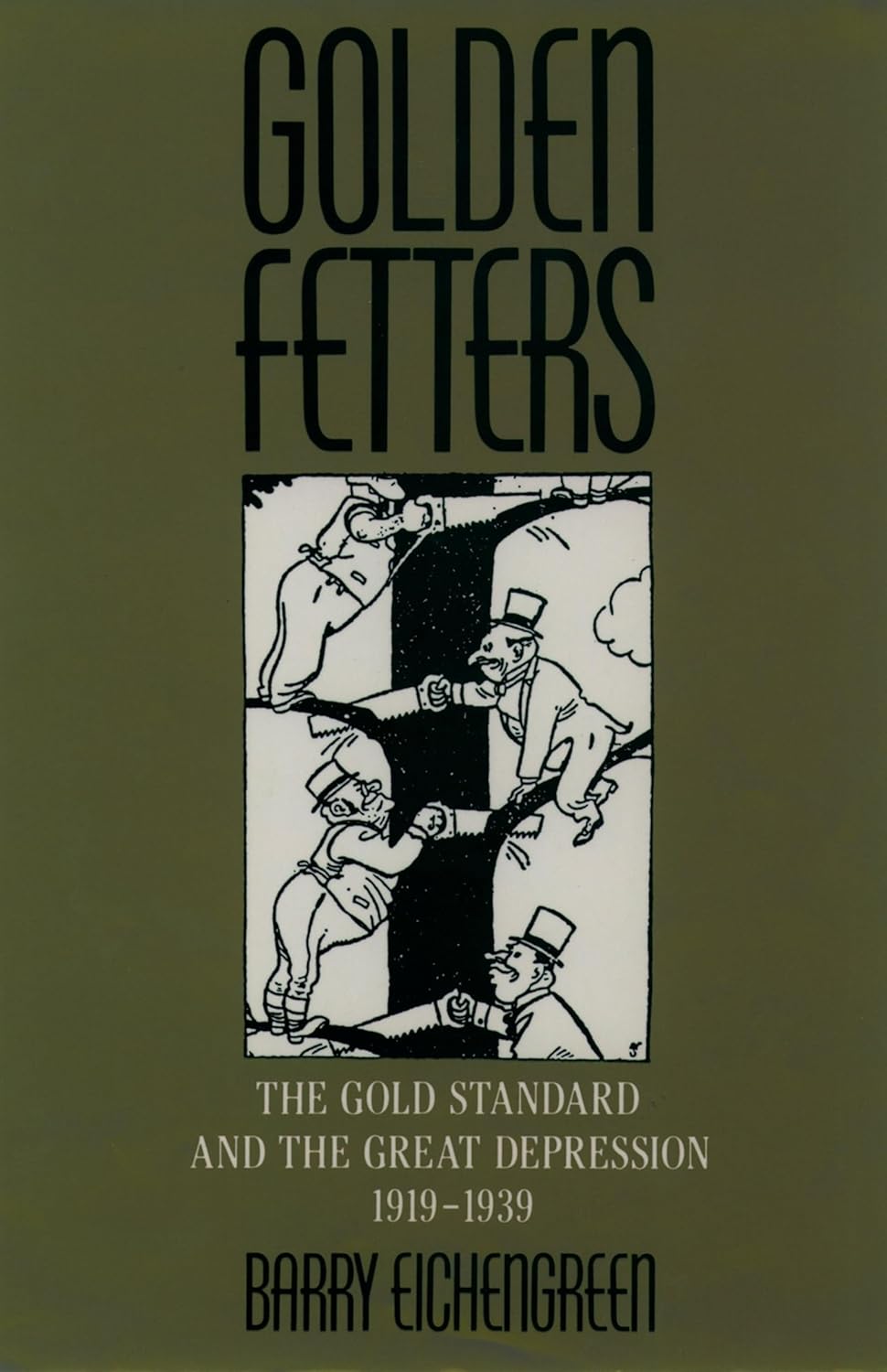
The central thesis of this book is that the gold standard, “far from being synonymous with stability, [was] itself … the principal threat to financial stability and economic prosperity between the wars.” Paradoxically, the prevailing conventional wisdom at the time was that the opposite was true: only gold could achieve stability and growth. UC Berkeley…
-
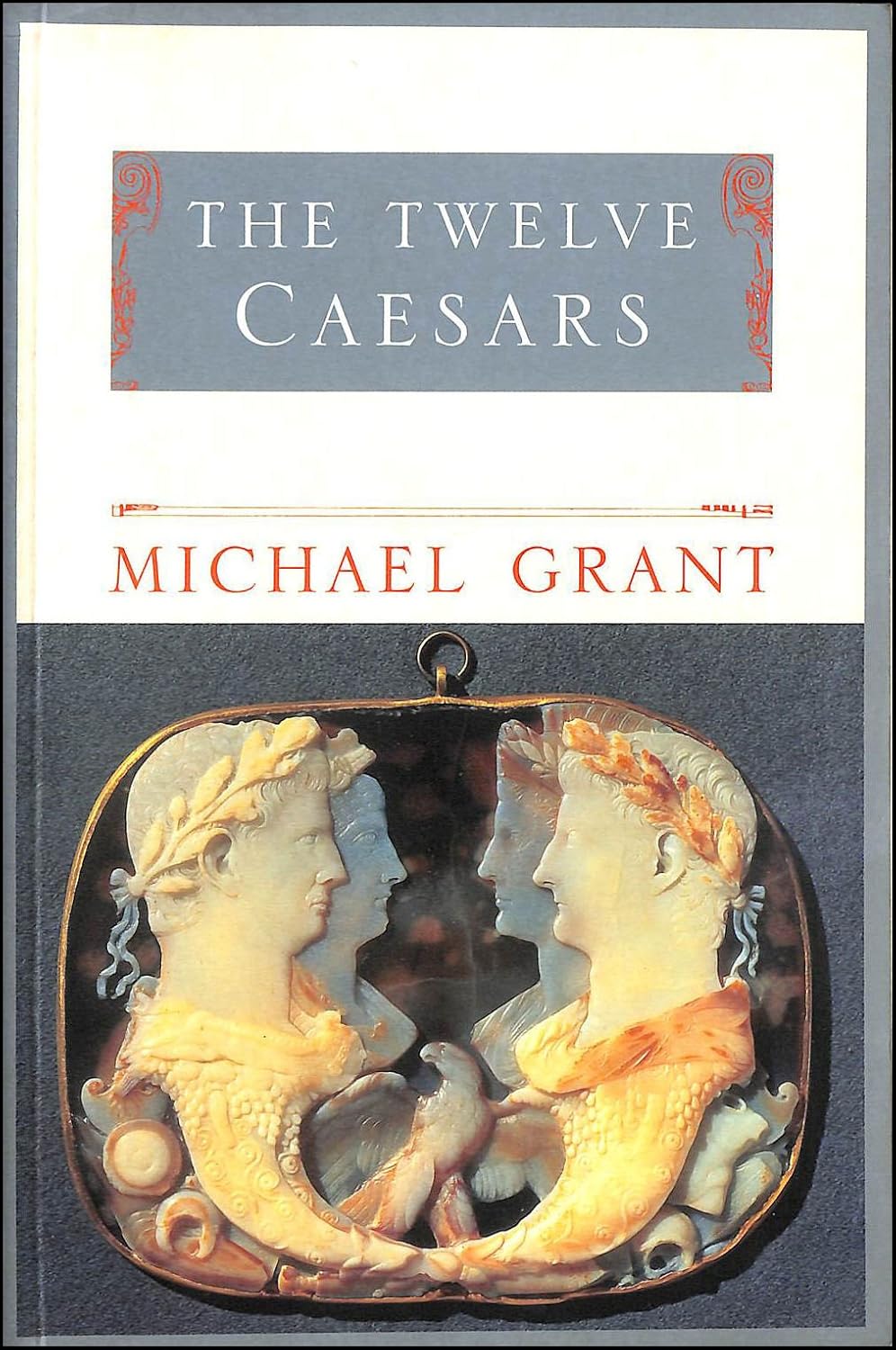
British ancient historian Michael Grant is a legend of sorts, although I’m sure that plenty of classically trained Roman historians shutter at that appellation. Here, with “The Twelve Caesars,” originally published in 1975, he seeks to deliver to a modern audience in plain English and shorn of contemporary prejudice the men who ruled Rome from…
 What's Tim Reading Now?