All Posts
Collected reviews from decades of reading — organized by subject and written for clarity, context, and long-term reference.
Categories
- Afghanistan (5)
- Africa (3)
- Age of Discovery (14)
- American Revolution (25)
- Ancient Greece (10)
- Ancient Rome (1)
- Anglo-German Naval Competition (8)
- Anthropology (3)
- Artists (12)
- British History (15)
- Business Books (16)
- Business Greats (12)
- Central Banking (7)
- China (1)
- Cold War Era (19)
- Colonial America (24)
- Commodities (10)
- Corporate Biography (11)
- Counter Insurgency (6)
- Cuba (1)
- Disease (9)
- Early Modern Europe (7)
- Early Republic (13)
- Economic Development (12)
- Economics (17)
- French Revolution (8)
- Great Depression (6)
- Great Projects (9)
- Great Writers (4)
- Industrial Revolution (14)
- Iranian Revolution (3)
- Italian Renaissance (25)
- Jacksonian America (4)
- Korea (1)
- Middle Ages (4)
- Middle East (5)
- Military Innovation (20)
- Napoleon (3)
- Philosophy (3)
- Pop History (28)
- Progressive Era (8)
- Republican Rome (16)
- Roman Empire (23)
- Russian History (5)
- Russian Revolution (3)
- Sri Lanka (3)
- The Gilded Age (4)
- U.S. Civil War (7)
- U.S. Presidents (14)
- Vietnam (8)
- World War I (6)
- World War II (9)
-
The history of Rome is, in many ways, the history of the frontier – how it expanded and was governed and secured. Edward Luttwak, a professor of strategic studies, brings a unique perspective to a topic that has long remained, for better or worse, the realm of classical scholars. The overarching theme is that the…
-
The Mexican beer, Dos Equis, has reportedly experienced over 20% growth since launching their hilarious marketing campaign featuring a mature, bearded man who “is often questioned by police just because they find him interesting” and who’s “blood smells like cologne.” The inspiration for this contemporary advertising marvel is clearly Ernest Hemingway (who incidentally later in…
-
For those looking for a tight, readable introduction on political life in Republican Rome there is no better place to start than Lily Ross Taylor’s 1949 classic, “Party Politics in the Age of Caesar.” She reviews a wide range of institutions and practices — from religion and the law courts to voting assemblies and political…
-
There are several ways to read Andrew Krepinevich’s “The Army and Vietnam,” which was published in 1986 when many wounds from the Vietnam War were still raw. First, it can be read as a summary and general assessment of the decade long Army experience with counterinsurgency (COIN) in Southeast Asia. Second, it can be viewed…
-
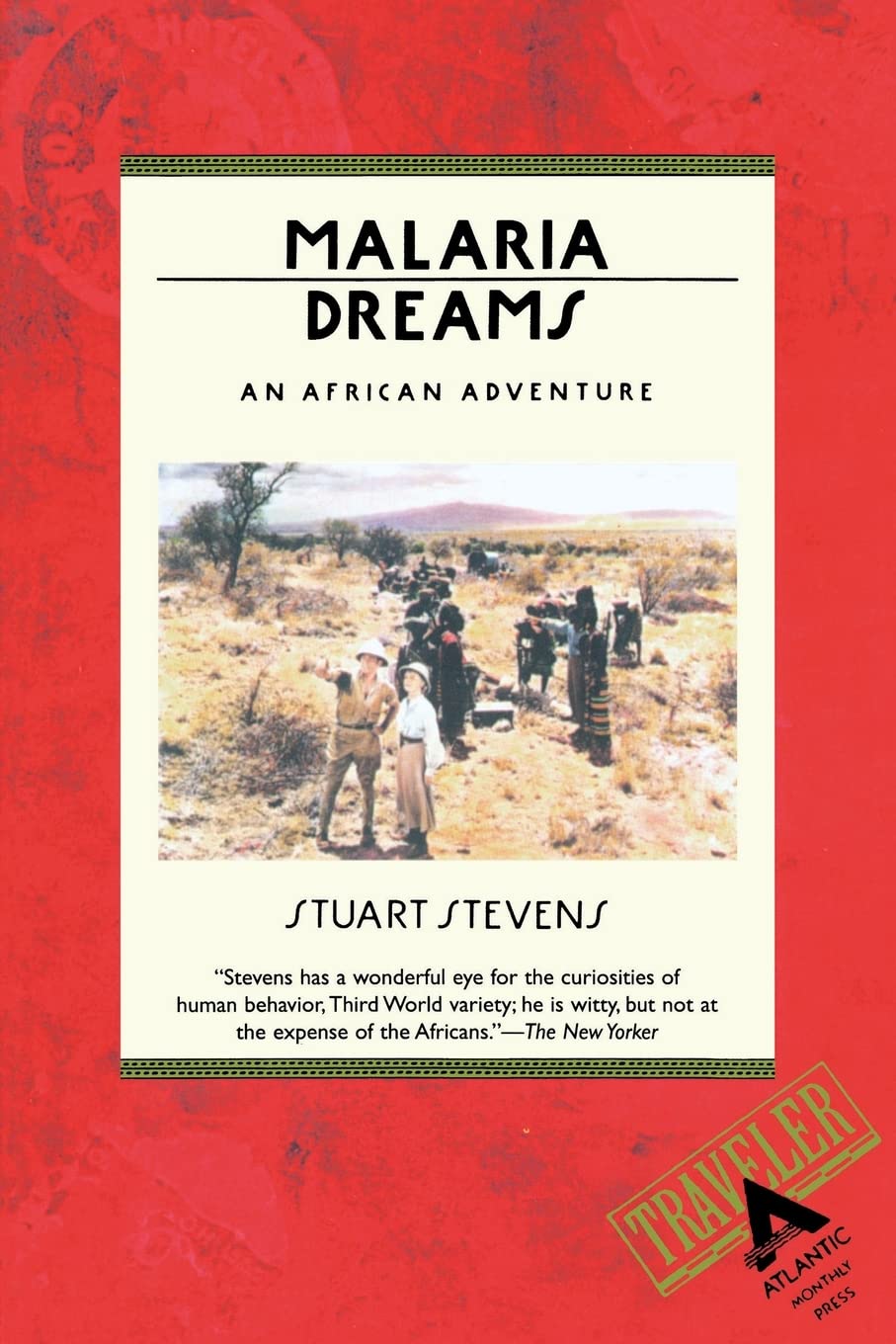
My in-laws were medical missionaries in north east Cameroon back in the late 1990s. They were urged to read this travelogue as a preparation for life in sub Saharan Africa. I read it for fun, mainly because after flipping through a few pages I realized that it was a lot like the blog I kept…
-

Toward the end of the Cold War, three very different books were published within five years of each other that sought to explain the likely contours of the inchoate new world order emerging from the implosion of the communist bloc: David Kennedy’s “The Rise and Fall of the Great Powers” 1989); Francis Fukuyama’s “The End…
-
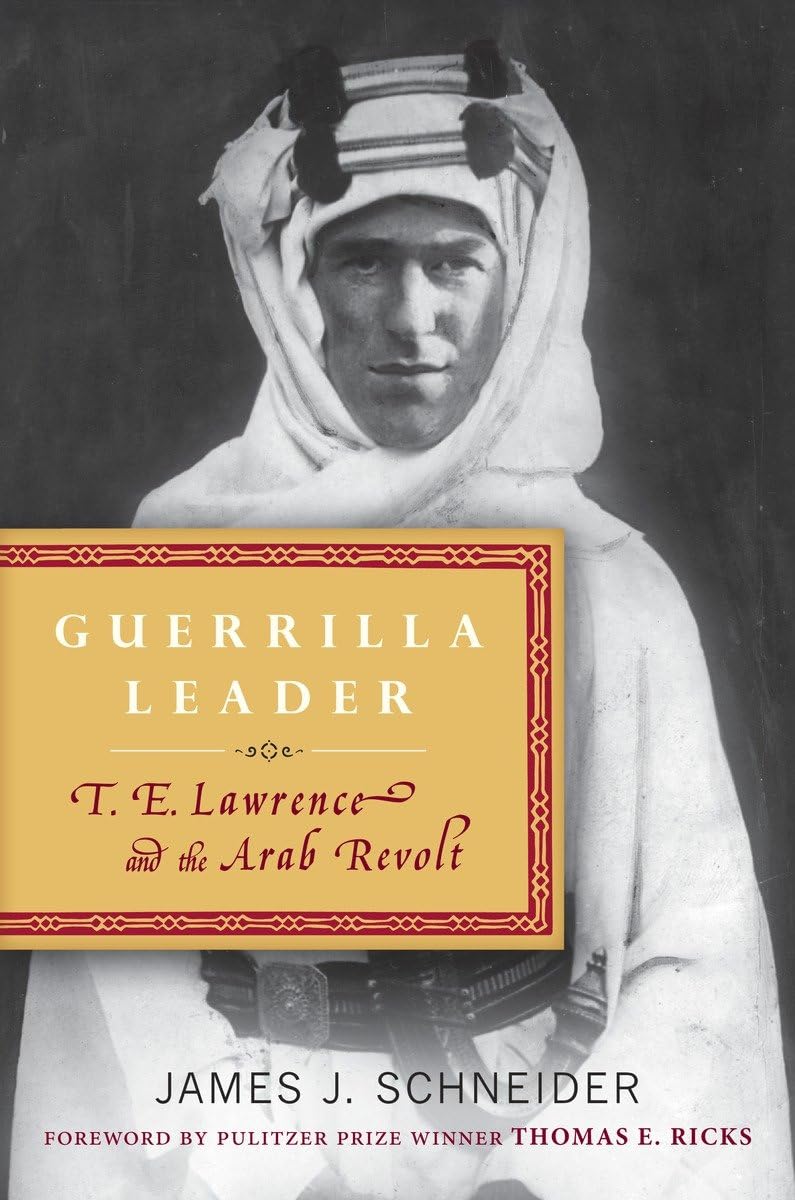
The author, James Schneider, is a professor at the U.S. Army Command and General Staff College. In the Preface and Acknowledgements in the advanced proof of “Guerrilla Leader” he hints that he sees T.E. Lawrence as an exemplar of the type of military officer the U.S. Army needs to cultivate in order to be successful…
-

Imagine you’re sitting at a bar next to some co-worker you barely know who is drinking heavily and droning on about how awful his ex-wife is, a real lying, cheating, disingenuous old bag. After an hour or so you almost start to feel bad for the poor lady. Such is the case, I found, with…
-

Half a century ago some of the nation’s leading Civil War era historians put together this collection of essays seeking to explain, from a variety of perspectives (economic, military, political, diplomatic), why the North prevailed in the epic contest of wills between the states. We have arrived at the sesquicentennial of the great conflict and…
 What's Tim Reading Now?