Author: Tim Graczewski
-
This Time Is Different: Eight Centuries of Financial Folly (2009) by Carmen M. Reinhart and Kenneth S. Rogoff
The distinguishing feature of this book is the massive data set that undergirds the surprisingly few and rather conventional-wisdom-affirming findings. The authors have aggregated literally centuries of price, exchange rate, debt, export, current account and real GDP statistics for sixty-six countries representing over 90% of global GDP, which is presented in a dizzying array of…
-
Against the Gods: The Remarkable Story of Risk (1996) by Peter L. Bernstein
This isn’t a book; it’s an education. And I can guarantee that if you’re a serious, committed, thoughtful reader the purchase price is but a tiny fraction of the value that Bernstein will deliver to you with “Against the Gods.” The following review may seem overly detailed and specific, wordy beyond measure, but that’s mainly…
-
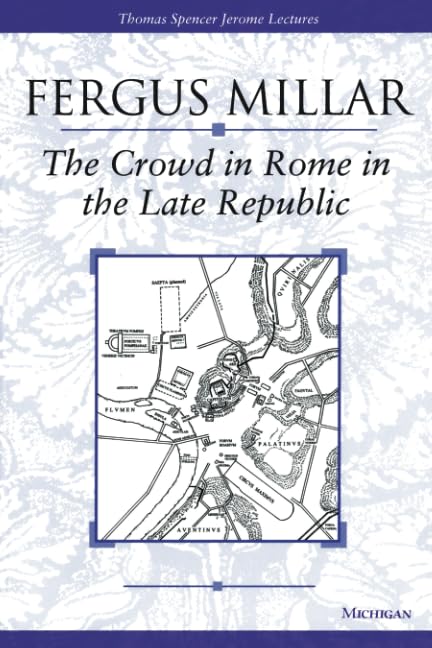
The Crowd in Rome in the Late Republic (1998) by Fergus Millar
The conventional academic view of Rome during the Republic is that of small, all powerful aristocratic government. Fergus Millar turns that entire argument on its head in “The Crowd in Rome in the Late Republic.” He says that too much focus has been put on the role of the patrician and noble class. Yes, family…
-
Manias, Panics and Crashes: A History of Financial Crises (1978) by Robert Z. Aliber and Charles P. Kindleberger
Now in its sixth edition, “Mania, Panics, and Crashes: A History of Financial Crises” was first published by Charles Kindleberger in 1978. How times have changed over those thirty plus years — at least that is the striking conclusion from this latest iteration of the enduring classic, which argues that the world of financial crises…
-

The Storytelling Animal: How Stories Make Us Human (2012) by Jonathan Gottschall
Malcolm Gladwell has made a fortune writing books like this, stitching together a compelling and comprehensive narrative on phenomena like social virality (“Tipping Point”), deep understanding of subject matter (“Blink”) and exceptional performance (“Outliers”). Gladwell delivers virtually no original research in any of these books. But what he does with genius is make all the…
-
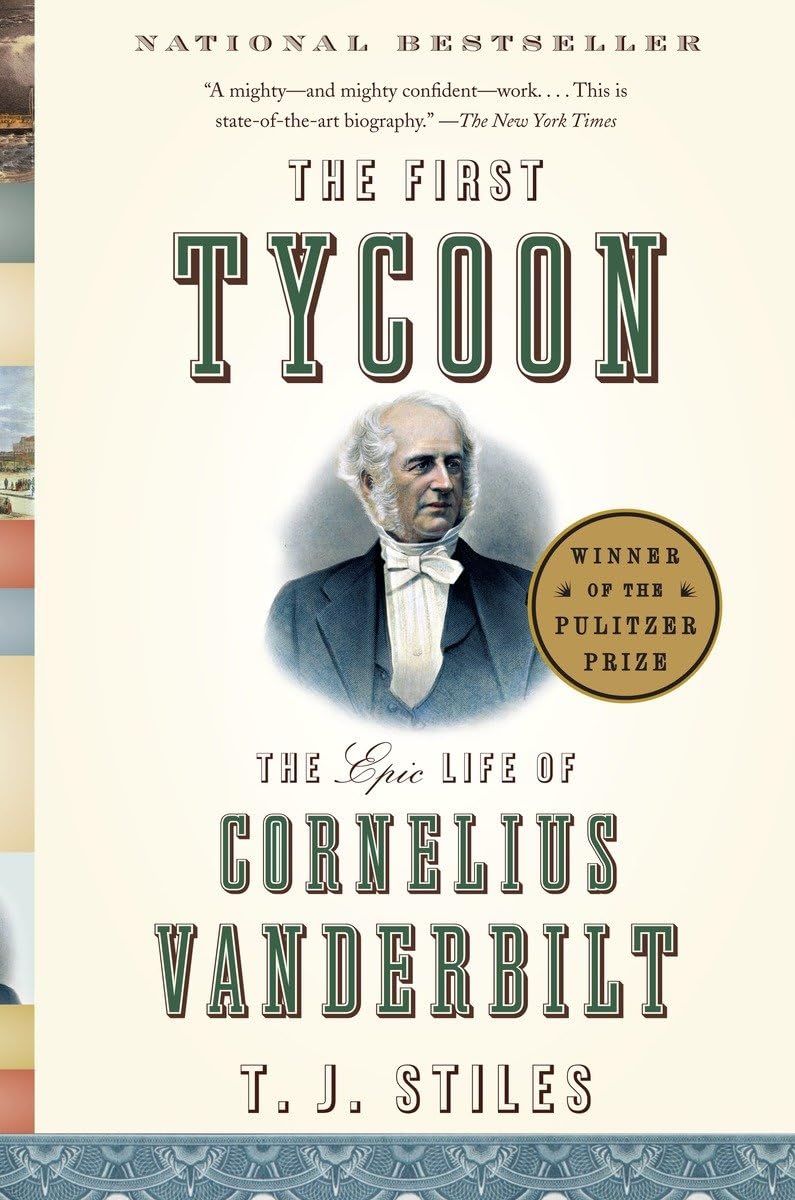
The First Tycoon: The Epic Life of Cornelius Vanderbilt (2009) by T.J. Stiles
About a decade ago, I undertook a personal project: read the best biography in print on each of the most illustrious (or notorious) Robber Barons. I read Chernow on Rockefeller (brilliant), Wall on Carnegie (very good), Strouse on Morgan (solid), and Klein on Gould (disappointment). I very much wanted to read something on Vanderbilt, but…
-

William Cooper’s Town: Power and Persuasion on the Frontier of the Early American Republic (1995) by Alan Taylor
“William Cooper’s Town” isn’t a great book – it’s three great books. As the author, Alan Taylor, spells out in the introduction, “‘William Cooper’s Town’ is a hybrid of three usually distinct genres: biography, social history, and literary analysis.” The first is a fascinating biography of an eighteenth century social climber and speculator, William Cooper.…
-
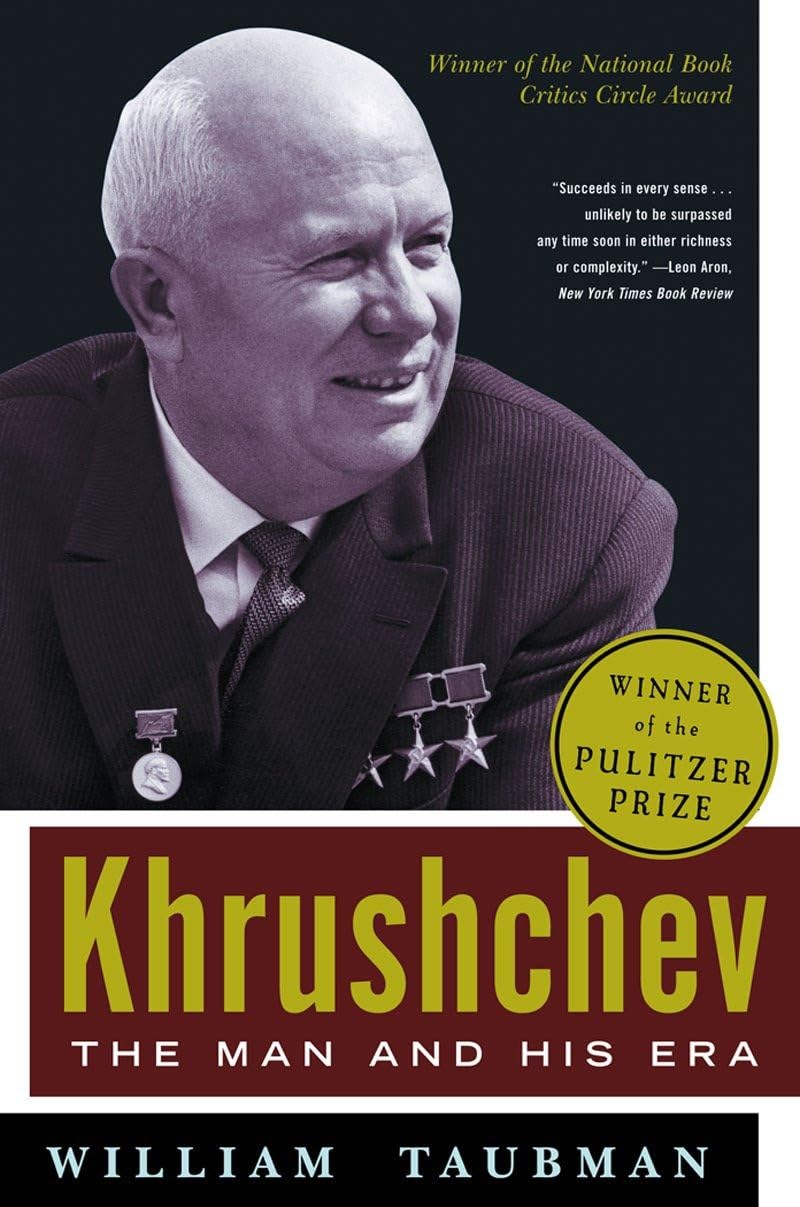
Khrushchev: The Man and His Era (2003) by William Taubman
Nikita Khushchev was an unlikely giant of the twentieth century. His improbable decades-long march to supreme leadership of a world girdling communist empire was matched only by his improbably well-orchestrated fall from power in 1964. The riddle that Tubman seeks to unwrap in this excellent single-volume biography is: How exactly did someone like Khrushchev, this…
-
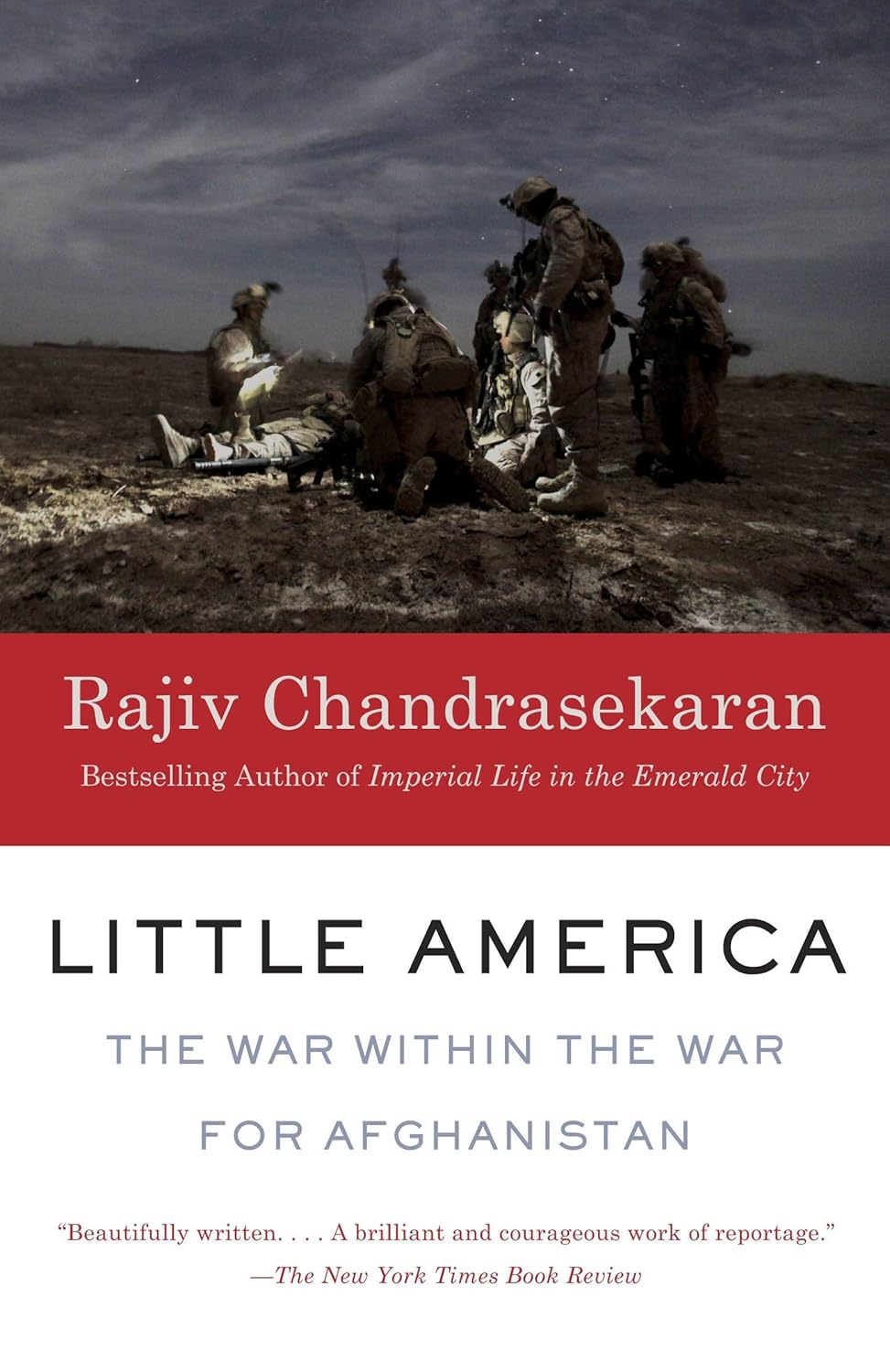
Little America: The War Within the War for Afghanistan (2012) by Rajiv Chandrasekaran
I am a Navy reservist and served as one of the primary economic development officers at NATO’s Regional Command – South headquarters in Kandahar from September 2009 to September 2010. Thus it was with more than passing interest that I read Rajiv Chandrasekaran’s recent journalistic expose, “Little America: The War within the War for Afghanistan,”…
 What's Tim Reading Now?