Author: Tim Graczewski
-

Worldly Goods (1996) by Lisa Jardine
For most people the Renaissance is synonymous with art; Michelangelo, Leonardo, Raphael, Donatello, and Duerer are the names that define the age. Lisa Jardine, the late Professor of Renaissance Studies at Queen Mary University, argues in “Worldly Goods” (1996) that the art-objects associated with the Renaissance were, in fact, the fabulous by-products of an increasingly…
-
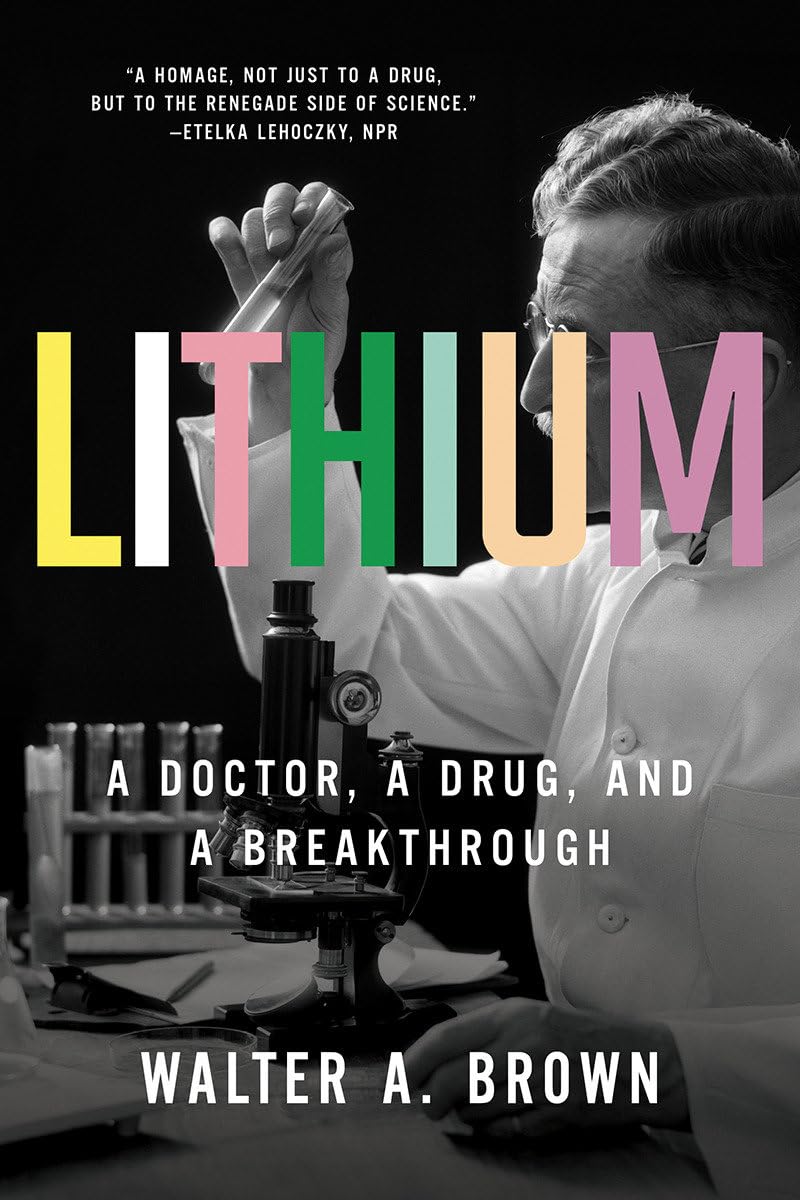
Lithium: A Doctor, a Drug, and a Breakthrough (2019) by Walter A. Brown
To begin with, let’s start at the end: lithium works. If you suffer from bipolar disorder and/or persistent suicidal ideation, there is no better prophylactic treatment than lithium. It is, as Brown likes to remind his readers, “the gold standard.” It is estimated that lithium has saved the US economy hundreds of billions of dollars…
-

The Crime of Galileo (1962) by Giorgio De Santillana
In 2015, it was reported that the Large Hadron Collider could disprove the Big Bang Theory. Imagine what that could mean to the tenured professors of physics and astronomy at MIT and CalTech who have made their professional careers espousing the Big Bang Theory?! Decades of research, countless peer-reviewed articles, dozens of major conference presentations,…
-

Clausewitz in English: The Reception of Clausewitz in Britain and America, 1815–1945 (1994) by Christopher Bassford
Carl von Clausewitz’s masterpiece “On War” was published posthumously in Prussia in the 1830s. Arguably the most thoughtful and influential treatise on warfare ever written, his impact on the English-speaking world, especially the United States, was very slow in coming. Author Christopher Bassford claims this was due to several reasons. First, “On War” wasn’t available…
-
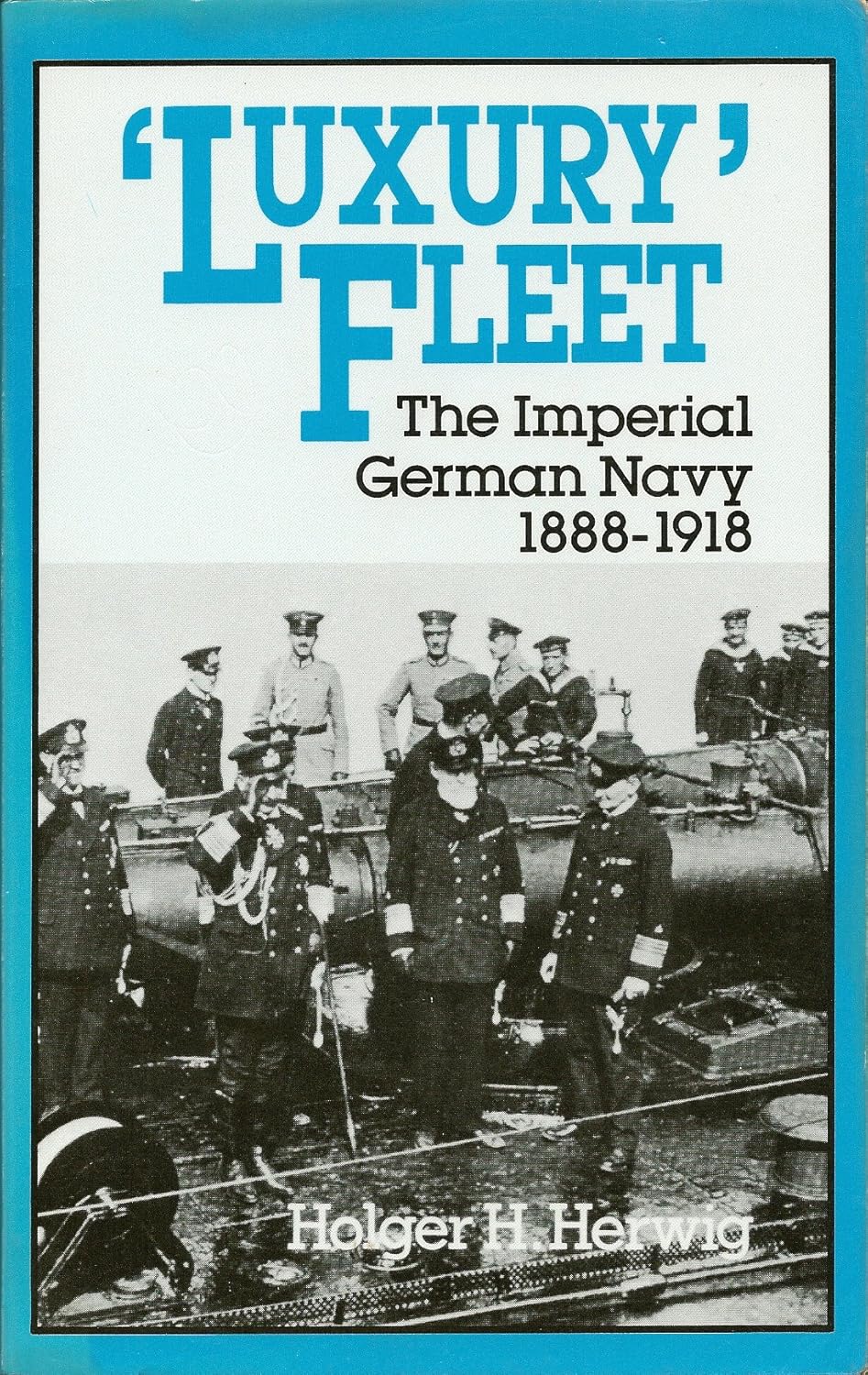
Luxury Fleet: The Imperial German Navy, 1888-1918 (1987) by Holger H. Herwig
In 483 BC, the statesmen Themistocles led the construction of the Athenian fleet, stating, “I cannot tune a harp or play a lyre, but I know how to make a small city great.” Some 2,500 years later, Kaiser Wilhelm II and Admiral Alfred von Tirpitz attempted a similar path for the upstart German nation, like…
-

Napoleon: The Path to Power (2008) by Philip Dwyer
For those who love to read biographies, there is nothing as satisfying as a deep and richly textured accounting of the formative years of great figures in history, and that’s exactly what Philip Dwyer delivers here in a marvelous first volume biography covering the first three decades of the life of Napoleon Bonaparte. Dwyer describes…
-

The Making of a Tropical Disease: A Short History of Malaria (2007) by Randall M. Packard
This book isn’t nearly as arcane as one might think. The subject and general theme are far outside my standard reading zone, yet I never once lost interest nor felt lost in the subject matter. Author Randall Packard’s central message is abundantly clear: malaria is a social disease and only significant economic development and social…
-

Alexander the Great (1974) by Robin Lane Fox
There is no shortage of biographies on Alexander the Great. This one from Robin Lane Fox, now over three decades in print, may be the best. Fox seeks to retrieve, from the murky depths of the ancient past, Alexander the man, chipping away at the myth and libel that have become part of his towering…
-

Washington’s Crossing (2004) by David Hackett Fischer
There aren’t many historians like David Hackett Fischer, widely respected by his judgmental, often captious peers in the academy, the recipient of some of the most prestigious awards in his field, and capable of taking serious scholarship mainstream and with commercial success. I was first introduced to Fisher in graduate school when we were required…
 What's Tim Reading Now?