Author: Tim Graczewski
-

The Secret Life of Groceries: The Dark Miracle of the American Supermarket (2020) by Benjamin Lorr
Life is short, and the list of worthwhile books is inexhaustibly long, so it pays to exercise some due diligence when choosing what to read. I picked up The Secret Life of Groceries: The Dark Miracle of the American Supermarket (2020) by Benjamin Lorr for two reasons. First, Confluent’s Startup of the Year was a…
-
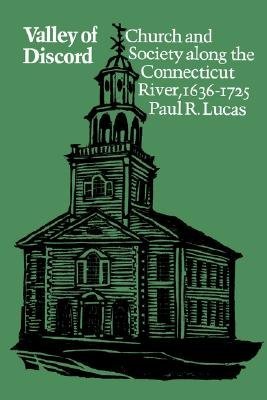
Valley of Discord: Church and Society Along the Connecticut River, 1636-1725 (1976) by Paul R. Lucas
Paul R. Lucas’s Valley of Discord stands as a compelling corrective to the mid-twentieth-century tendency among historians to treat early New England’s Puritan society as a harmonious, monolithic community of like-minded settlers dedicated to a shared religious mission. Lucas argues that, far from an orderly cultural consensus, the Connecticut River valley was a crucible of…
-
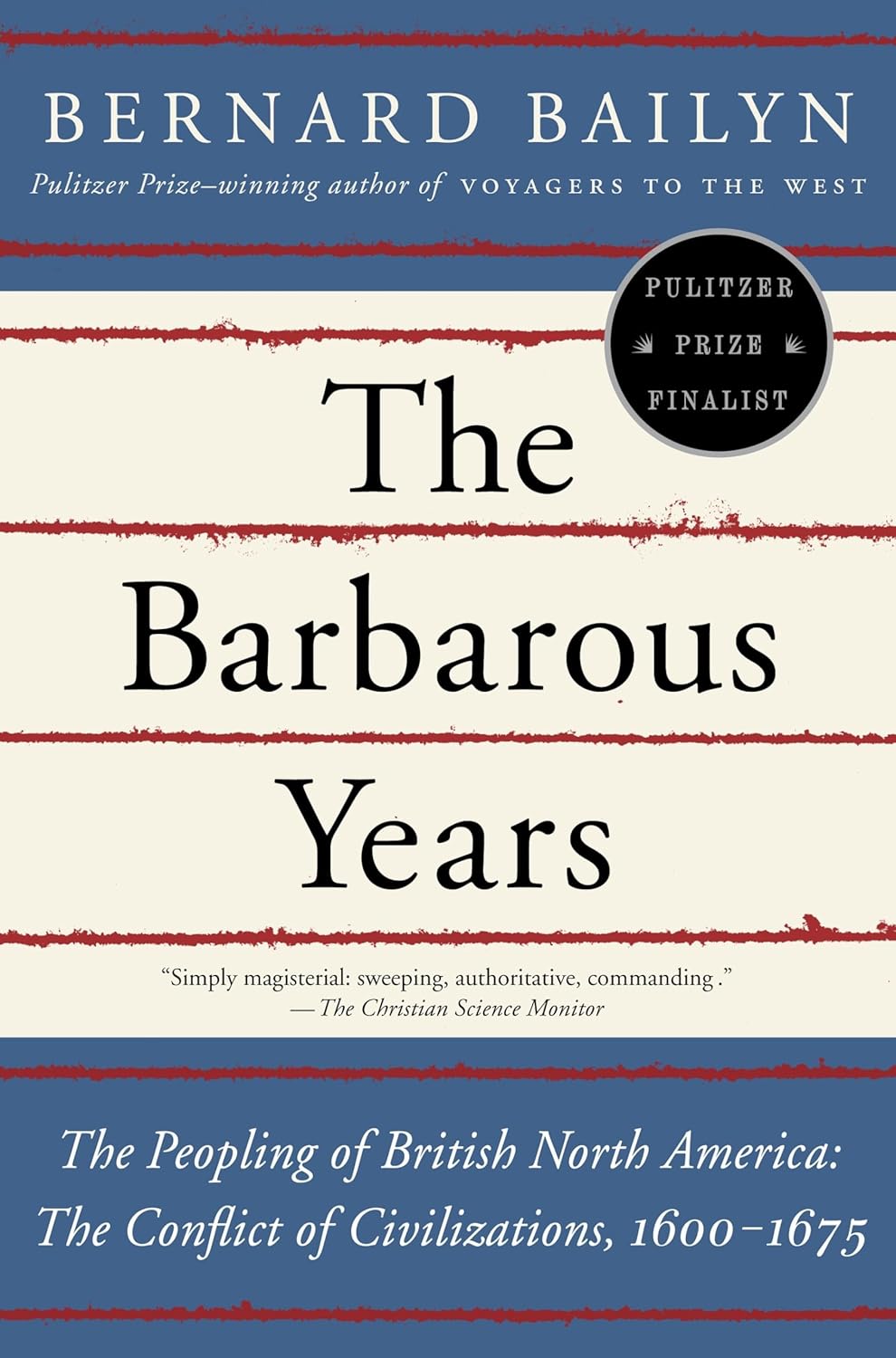
The Barbarous Years: The Peopling of British North America, 1600–1675 (2012) by Bernard Bailyn
Bernard Bailyn’s The Barbarous Years: The Peopling of British North America, 1600–1675 (2012) is something of a reset on how we should think about early American settlement. His core insights, which he develops through “studies within stories,” run against the tidy, teleological “origins of the United States” story. In short, Bailyn claims that early American…
-
Seven Centuries of Art: Survey and Index (1970) by H.W. Janson et al.
Seven Centuries of Art: Survey and Index, the capstone volume of the classic Time-Life Library of Art, is best understood as a grand connective tissue – an effort to show how Western art evolved not as a sequence of isolated geniuses, but as a long conversation across time. Rather than focusing on the twenty-eight individual…
-
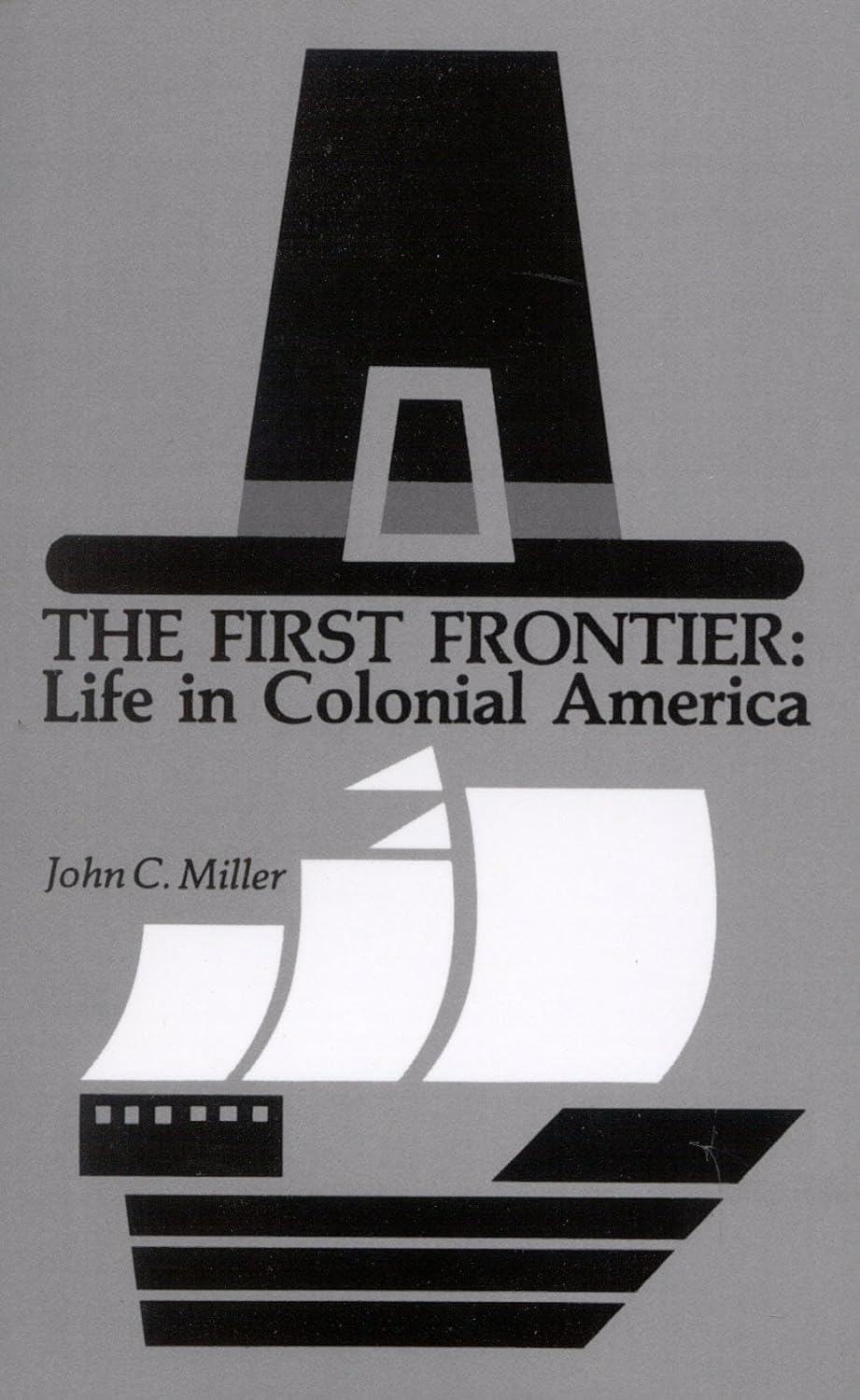
The First Frontier: Life in Colonial America (1966) by John C. Miller
John C. Miller’s The First Frontier: Life in Colonial America (1966) is a tightly argued synthesis that reframes early American history by shifting attention away from elites, institutions, and ideology toward ordinary life on the colonial frontier. Its originality lies more in emphasis and perspective than in overturning established interpretations. Americans have always put a…
-
Wilderness At Dawn: The Settling of the North American Continent (1993) by Ted Morgan
French-American biographer, journalist, and historian Ted Morgan was born Count Sanche Charles Armand Gabriel de Gramont in Geneva in 1932. He became an American citizen in 1977, renouncing his French noble titles and adopting the Americanized name “Ted Morgan,” an anagram of “de Gramont.” His 91-year life was a full one – ranging from service…
-
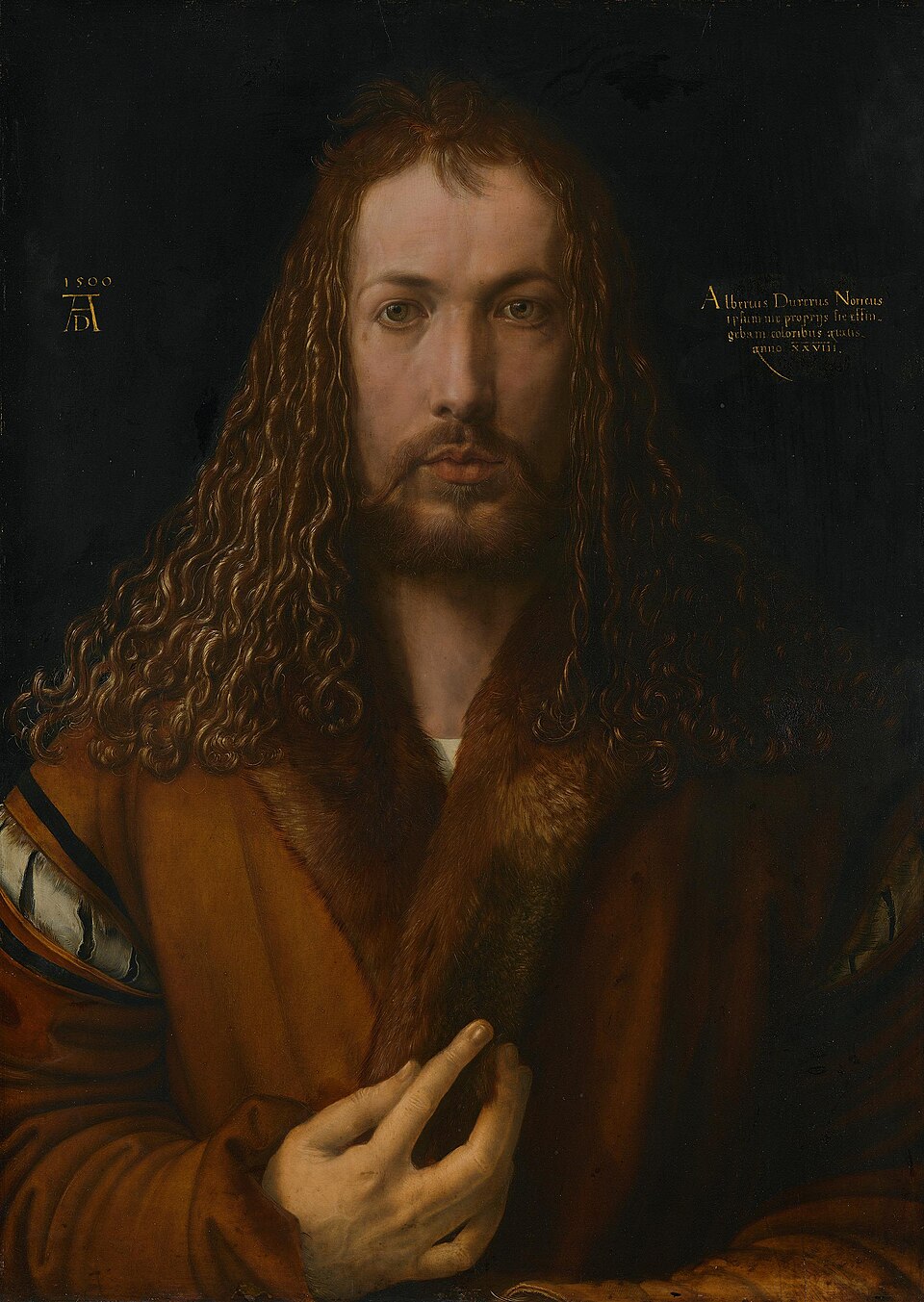
The World of Dürer: 1471-1528 (1967) by Francis Russell
Born the son of a Nuremberg goldsmith, Albrecht Dürer learned the demanding art of engraving with a burin at an early age, a discipline that trained both his hand and his eye. His talent was quickly recognized, and he was apprenticed to the painter Michael Wolgemut, who would become a second father and introduce him…
-
The Silk Roads: A New History of the World (2015) by Peter Frankopan
Western civilization – and, by extension, much of world history – is often presented as a seamless chain of causally linked events stretching back to antiquity. In its simplest form, the narrative runs like this: Ancient Greece gave rise to Imperial Rome; Rome shaped Christian Europe; Christian Europe produced the Renaissance, which sparked the Enlightenment…
-
The Rise of American Democracy: Jefferson to Lincoln (2005) by Sean Wilentz
Princeton University’s Sean Wilentz’s The Rise of American Democracy (2005) is an ambitious work of U.S. political history. It is a dense but readable and deeply researched account of how democratic politics took shape from the age of the Revolution through the Civil War. At nearly a thousand pages, the book is far more than…
 What's Tim Reading Now?