Category: Pop History
-

One Summer: America, 1927 (2013) by Bill Bryson
Despite my love of popular history, Bill Bryson’s “One Summer: America 1927” likely would have escaped my notice had it not been given to me as a Christmas gift. Moreover, I only decided to read it (I literally have stacks of unread books all over my house) because I was taking a long flight and…
-

The Killing School: Inside the World’s Deadliest Sniper Program (2017) by Brandon Webb
I didn’t choose “The Killing School,” “The Killing School” chose me. You see, this book literally just showed up to my house one day. I had purchased my 14-year-old son, an avid Boy Scout and outdoorsman, a subscription to “Crate Club,” a company founded by “The Killing School” author Brandon Webb. Once a month my…
-

How We Got to Now: Six Innovations That Made the Modern World (2014) by Steven Johnson
The modern American home is a veritable wonderland of technical innovations: clean water on demand, central heating and air conditioning, wireless Internet and telephony, flat screen electronics, and inexpensive lighting, to name just a few. “How We Got to Now: Six Innovations That Made the Modern World” by popular science writer Steven Johnson describes, at…
-
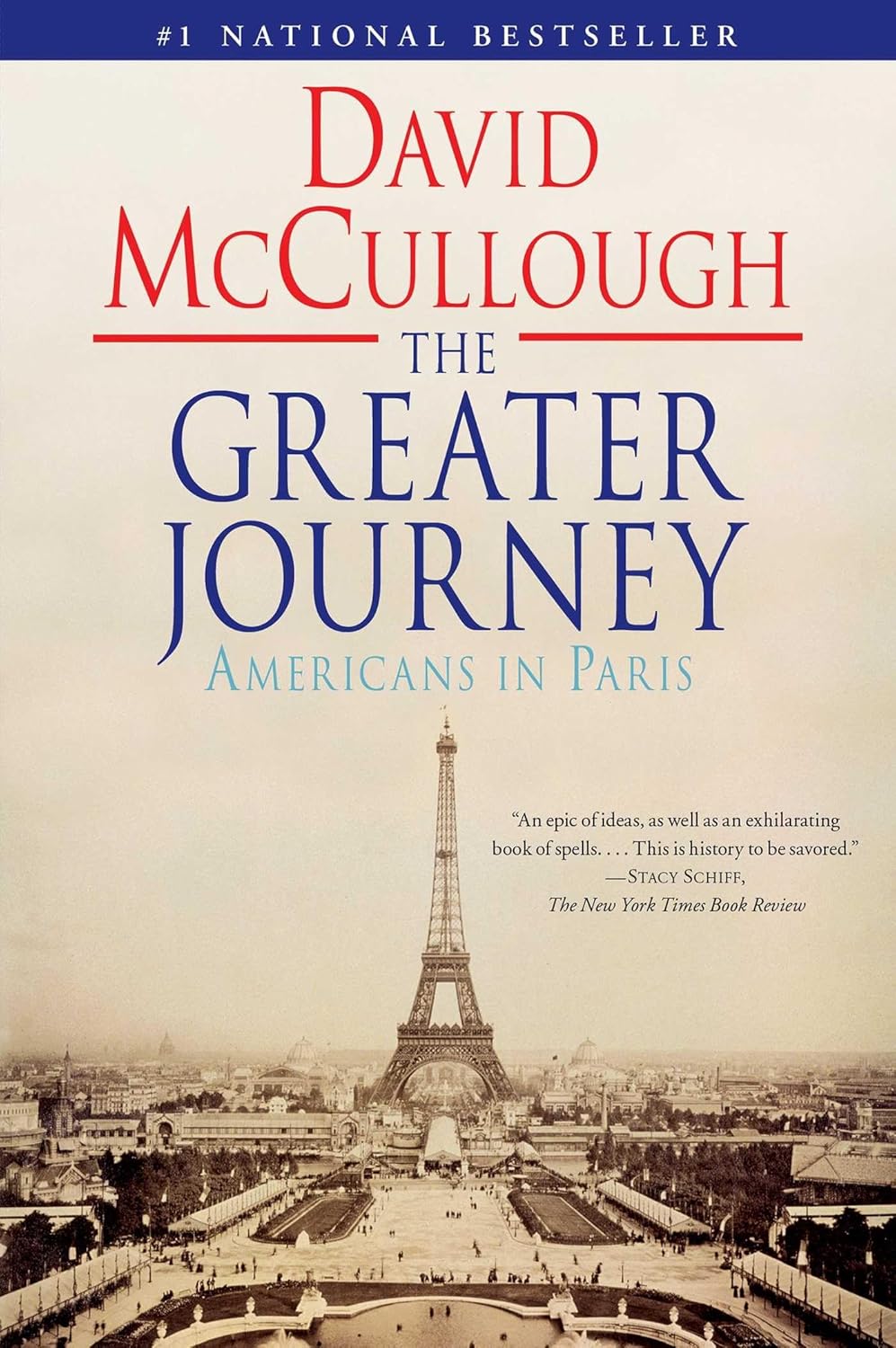
The Greater Journey: Americans in Paris (2012) by David McCullough
God bless David McCullough. With seeming effortlessness he does what most every historian hopes to achieve – recreate the life and times of the distant past. I was not prepared to like this book. How could anyone write over four hundred pages chronicling the experience of Americans in nineteenth century Paris and make it somehow…
-

Hero of the Empire: The Boer War, a Daring Escape, and the Making of Winston Churchill (2016) by Candice Millard
Nobody does it quite like Candice Millard. She finds relatively obscure historical events – the assassination of President Garfield, the Amazon adventure of former President Teddy Roosevelt, and here the young exploits of Winston Churchill in South Africa – and turns them into absolutely top-notch popular history. Her narratives are compulsively readable. My only complaint…
-
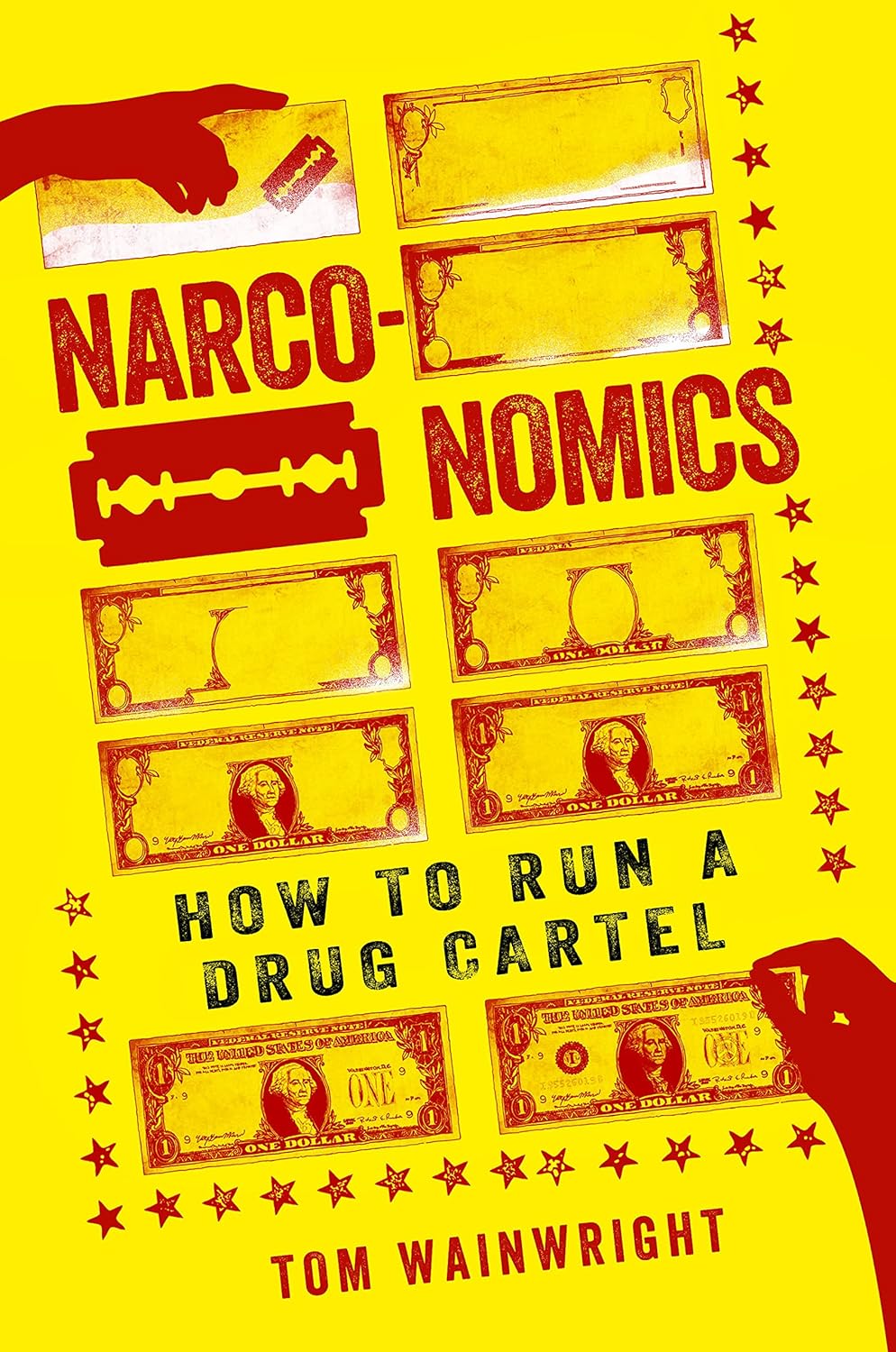
Narconomics: How to Run a Drug Cartel (2016) by Tom Wainwright.
It’s often said that you shouldn’t judge a book by its cover. Over the years I’ve learned that you could say the same thing about its title. Consider the case of “Narconomics: How to Run a Drug Cartel” by longtime Economist reporter Tom Wainwright. It seems to me that there are four basic components to…
-
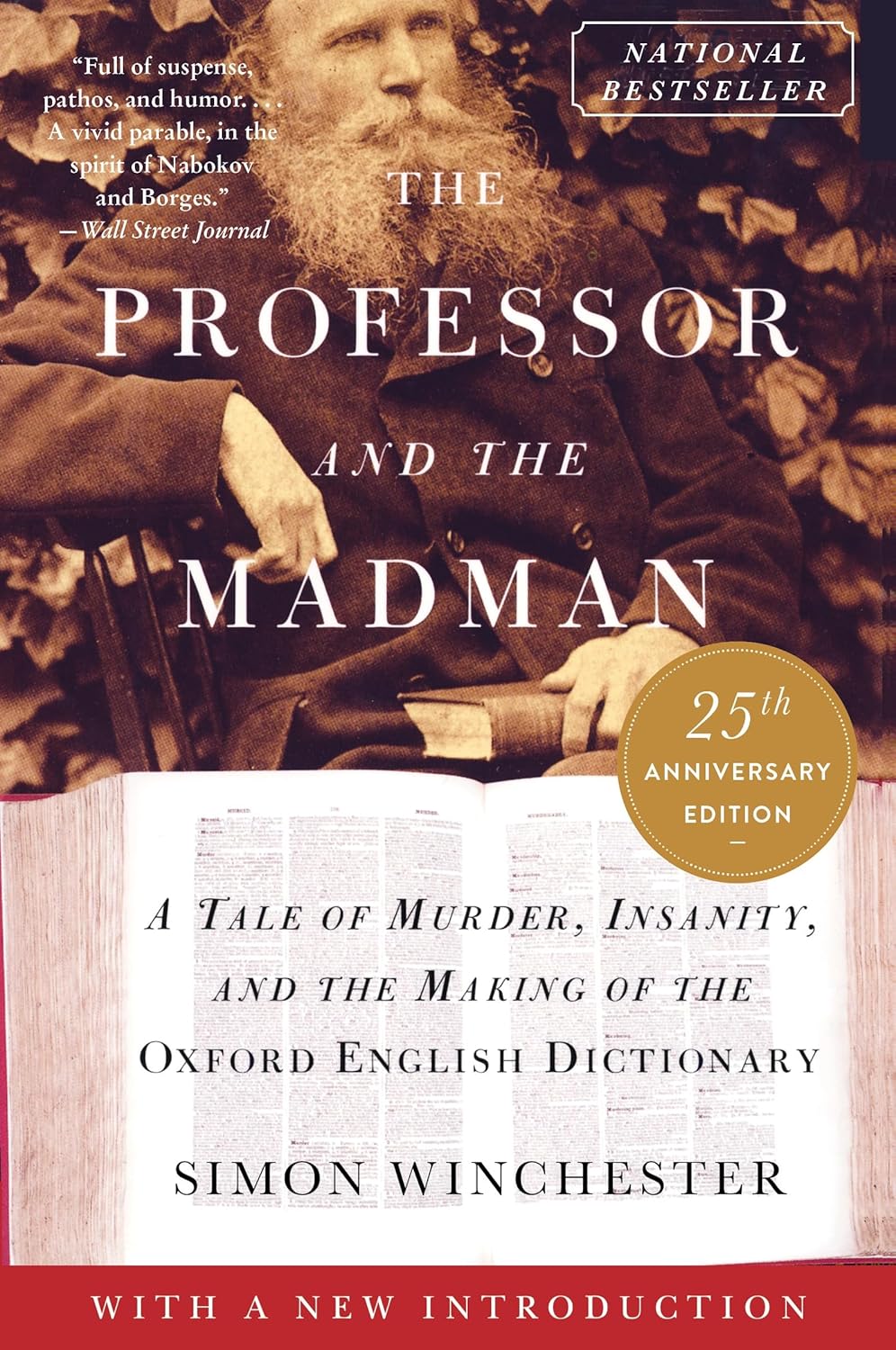
The Professor and the Madman: A Tale of Murder, Insanity, and the Making of the Oxford English Dictionary (1998) by Simon Winchester
In 1879 Dr. James Murray, editor in chief of the Oxford English Dictionary (OED), published an open invitation calling for volunteers to read rare books and collect quotations for use in the dictionary. Thousands of participants signed up. It was a sort of nineteenth century form of Wikipedia. The dictionary would take many decades to…
-

Outliers: The Story of Success (2008) by Malcolm Gladwell
What accounts for stupendous success in life? Is it talent or luck or hard work? It’s probably a combination of all three, according to Malcolm Gladwell in his 2008 bestseller, “Outliers: The Story of Success.” Gladwell lumps the reasons for success into three broad buckets. First is “luck” or perhaps what we today might call…
-

Unbroken: A World War II Story of Survival, Resilience, and Redemption (2010) by Laura Hillenbrand
Laura Hillenbrand sure knows how to pick a story to tell. I think she’s only published two books in the past twenty years – “Seabiscuit” (1999) and “Unbroken” (2010) – but both have been mindboggling hits, selling over 13 million copies worldwide. However, reading “Unbroken: A World War II Story of Survival, Resilience, and Redemption,”…
 What's Tim Reading Now?