Category: Pop History
-

Longitude: The True Story of a Lone Genius Who Solved the Greatest Scientific Problem of His Time (2007) by Dava Sobel
Sometimes there is an obvious answer to a complex problem, but there is a missing piece that confounds even the greatest minds and resists the efforts of large-scale government programs to develop a solution. Such was the case of a reliable and accurate method for calculating longitude in the first centuries of European naval mastery…
-
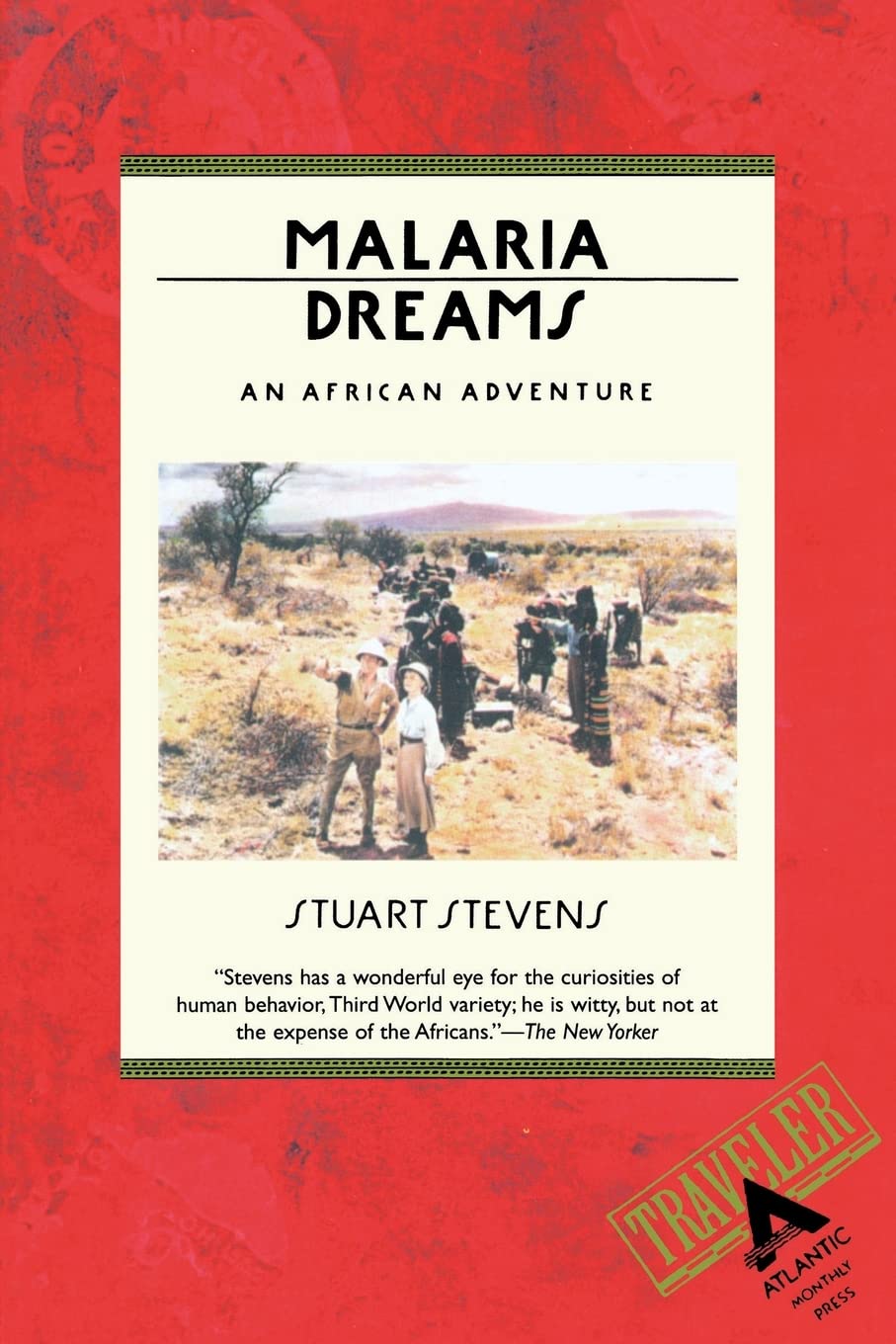
Malaria Dreams: An African Adventure (1989) by Stuart Stevens
My in-laws were medical missionaries in north east Cameroon back in the late 1990s. They were urged to read this travelogue as a preparation for life in sub Saharan Africa. I read it for fun, mainly because after flipping through a few pages I realized that it was a lot like the blog I kept…
-

The End of History and the Last Man (1992) by Francis Fukuyama
Toward the end of the Cold War, three very different books were published within five years of each other that sought to explain the likely contours of the inchoate new world order emerging from the implosion of the communist bloc: David Kennedy’s “The Rise and Fall of the Great Powers” 1989); Francis Fukuyama’s “The End…
-

The Storytelling Animal: How Stories Make Us Human (2012) by Jonathan Gottschall
Malcolm Gladwell has made a fortune writing books like this, stitching together a compelling and comprehensive narrative on phenomena like social virality (“Tipping Point”), deep understanding of subject matter (“Blink”) and exceptional performance (“Outliers”). Gladwell delivers virtually no original research in any of these books. But what he does with genius is make all the…
-

King Leopold’s Ghost: A Story of Greed, Terror, and Heroism in Colonial Africa (1998) by Adam Hochschild
A century before the campaign to support Darfur and the anti-Apartheid struggle of the 1980s there was the Congo, an international humanitarian movement propelled by celebrity endorsements (Sir Arthur Conan Doyle and Mark Twain) and stoked by graphic images of the atrocities that happened there, which horrified and outraged and inspired action. Adam Hochschild tells…
-

The Black Swan: The Impact of the Highly Improbable (2007) by Nassim Taleb
In the main, I found “Black Swan” to be terribly disappointing: long-winded, poorly structured, unnecessarily acerbic, often embarrassingly childish, but above all of limited practical application. Author Nassim Taleb launches a frontal assault on social scientists of all stripes, but unleashes particular venom at economists, especially Nobel Prize winners who’s work is based on Gaussian…
-
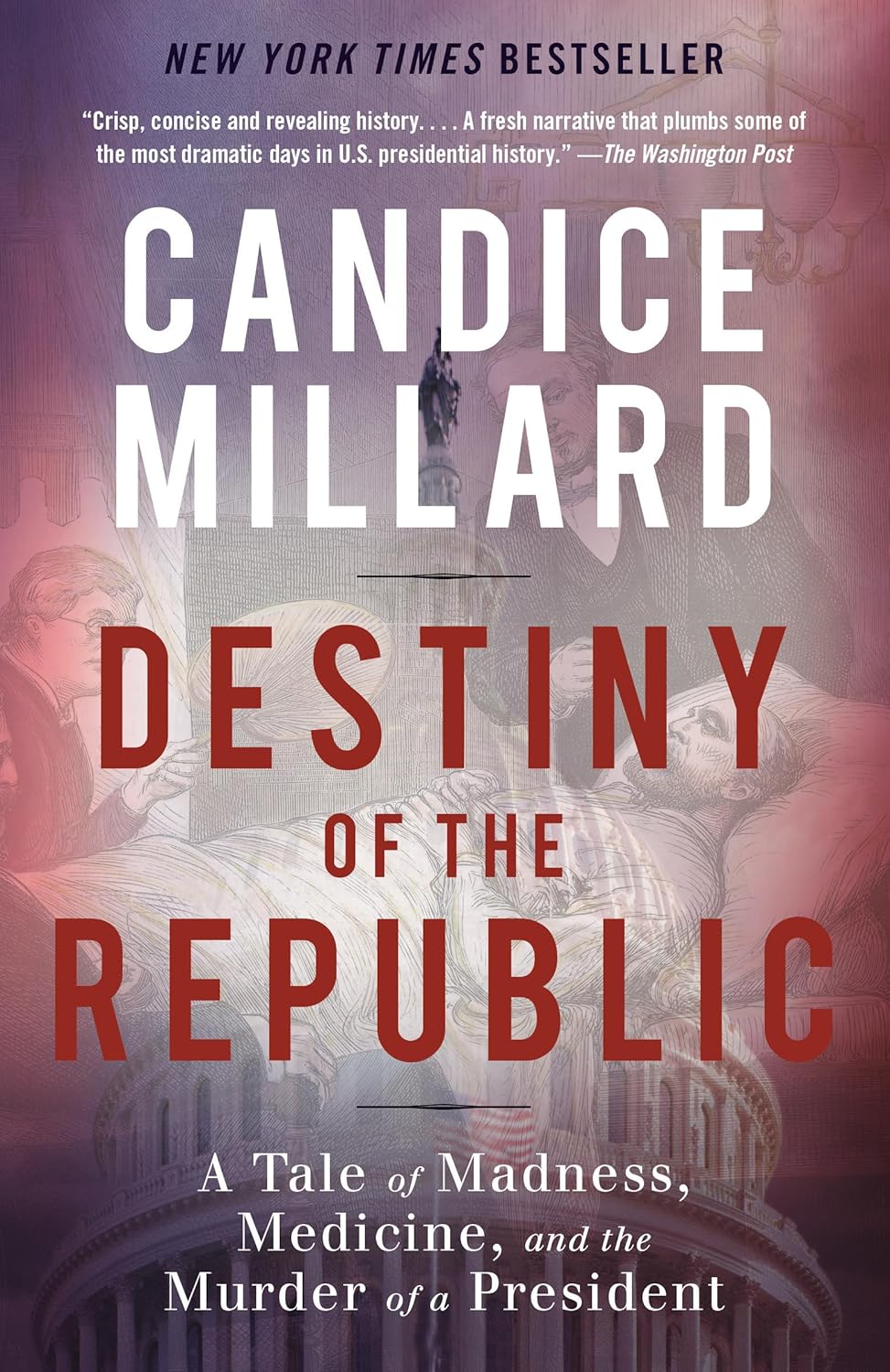
Destiny of the Republic: A Tale of Madness, Medicine and the Murder of a President (2011) by Candice Millard
Lots of popular history books claim to “read like a novel”; this one actually does. Author Candace Millard takes a random, Jeopardy!-Trivia-question event in American history (“He shot President Garfield in July 1881.” “Who is Charles Guiteau?”) and turns it into a delightful page-turning read. “Destiny of the Republic” likely isn’t great history in the…
-

The Johnstown Flood (1987) by David McCullough
Popular historian David McCullough is something of a legend — and deservedly so. Few in his generation have ever equaled, let alone surpassed, his ability to construct a richly textured and deeply researched historical narrative. This gem, his first full length book, is every bit as good as his eventual Pulitzer Prize-winners, “John Adams” and…
-
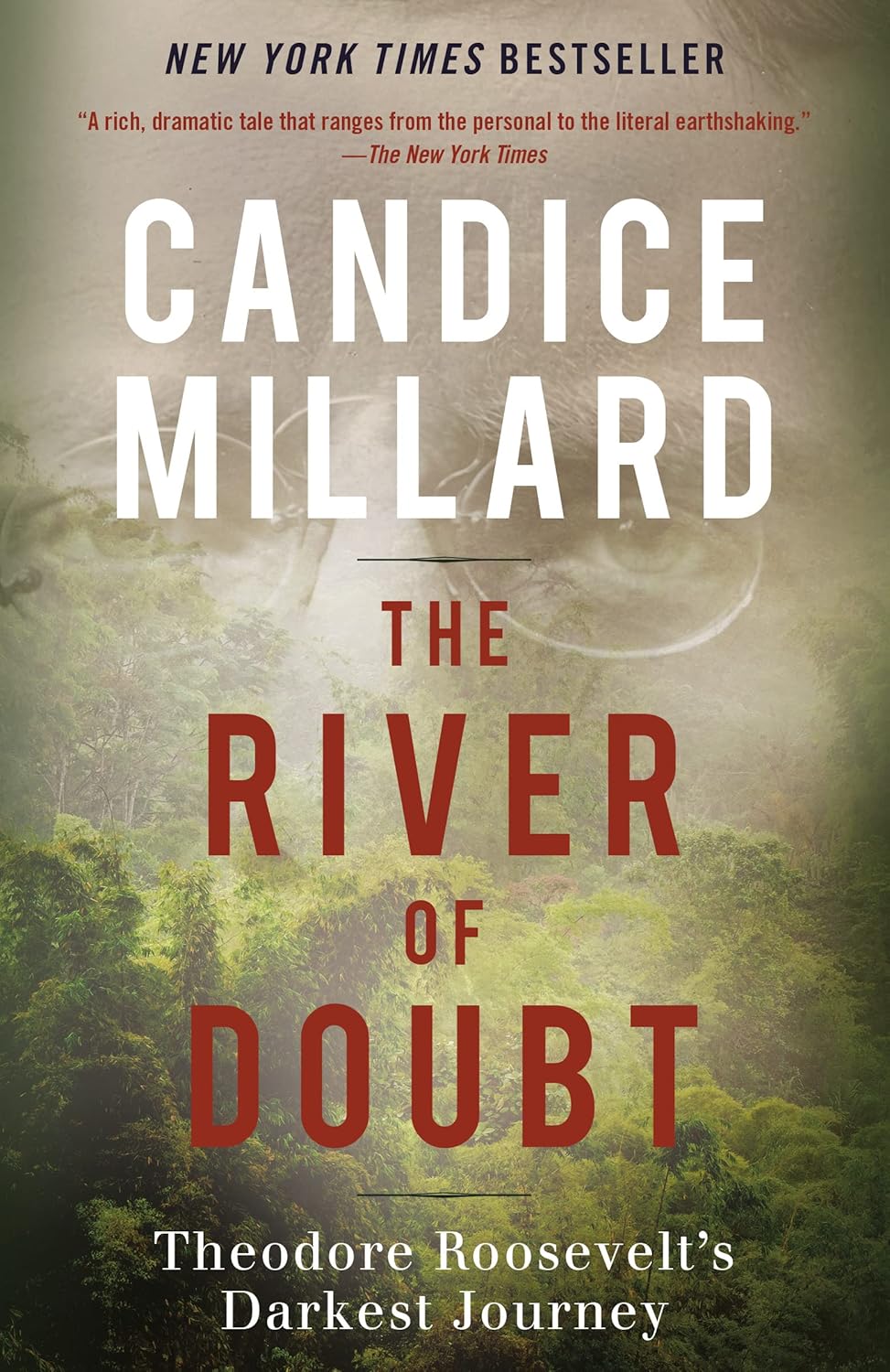
The River of Doubt: Theodore Roosevelt’s Darkest Journey (2005) by Candice Millard
I love Teddy Roosevelt (full disclosure), and had read several academic biographies about him before picking up Candice Millard’s “The River of Doubt,” her popular narrative on the former president’s generally forgotten 1914 expedition in the Amazon. I’m glad I did, as Millard delivers a fast-paced and engaging history of a truly remarkable event in…
 What's Tim Reading Now?