Category: Colonial America
-
Colonial America: A Very Short Introduction (2013) by Alan Taylor
American Colonies: The Settling of North America (2001) by Alan Taylor is a sweeping and authoritative narrative of the European colonization of the Americas from 1492 to 1830. A decade later, the UC Davis historian distilled that expansive work into Colonial America: A Very Short Introduction (2013), part of Oxford’s acclaimed series of concise scholarly…
-
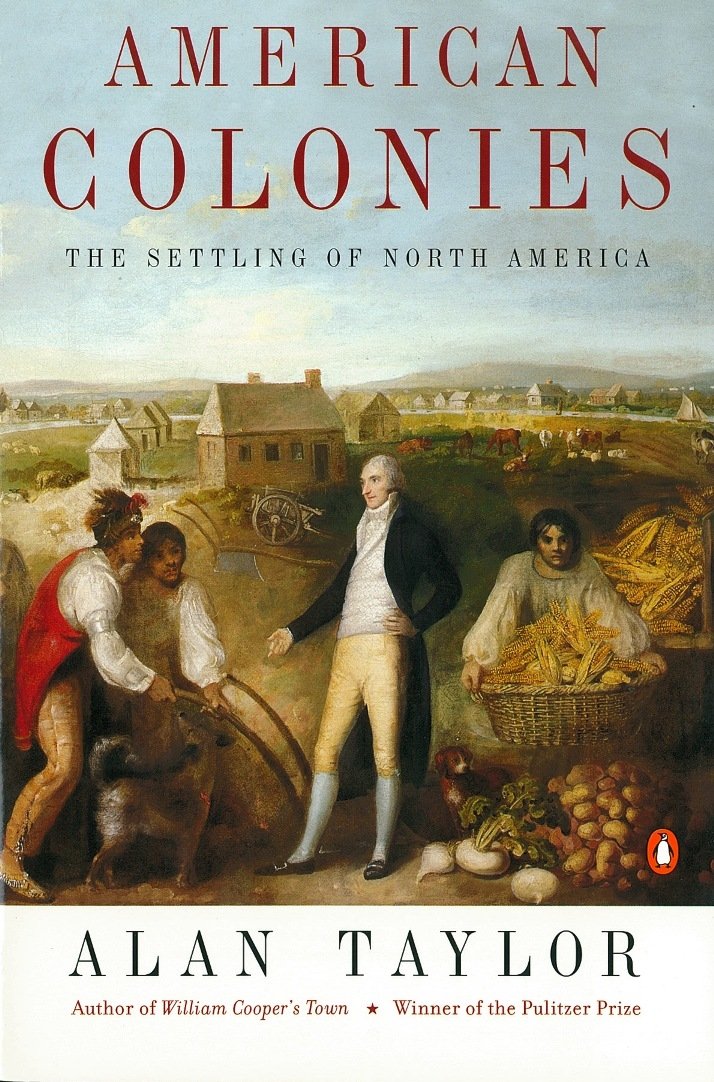
American Colonies: The Settling of North America (2001) by Alan Taylor
Each year I choose a broad historical subject to immerse myself in and, if possible, come close to mastering. In 2024 it was the Italian Renaissance; the year before, the Industrial Revolution. In 2025 I turned to early colonial America. Of the dozen or so books I read – ranging from accounts of the Spanish…
-

Valley of Discord: Church and Society Along the Connecticut River, 1636-1725 (1976) by Paul R. Lucas
Paul R. Lucas’s Valley of Discord stands as a compelling corrective to the mid-twentieth-century tendency among historians to treat early New England’s Puritan society as a harmonious, monolithic community of like-minded settlers dedicated to a shared religious mission. Lucas argues that, far from an orderly cultural consensus, the Connecticut River valley was a crucible of…
-
The Barbarous Years: The Peopling of British North America, 1600–1675 (2012) by Bernard Bailyn
Bernard Bailyn’s The Barbarous Years: The Peopling of British North America, 1600–1675 (2012) is something of a reset on how we should think about early American settlement. His core insights, which he develops through “studies within stories,” run against the tidy, teleological “origins of the United States” story. In short, Bailyn claims that early American…
-
The First Frontier: Life in Colonial America (1966) by John C. Miller
John C. Miller’s The First Frontier: Life in Colonial America (1966) is a tightly argued synthesis that reframes early American history by shifting attention away from elites, institutions, and ideology toward ordinary life on the colonial frontier. Its originality lies more in emphasis and perspective than in overturning established interpretations. Americans have always put a…
-
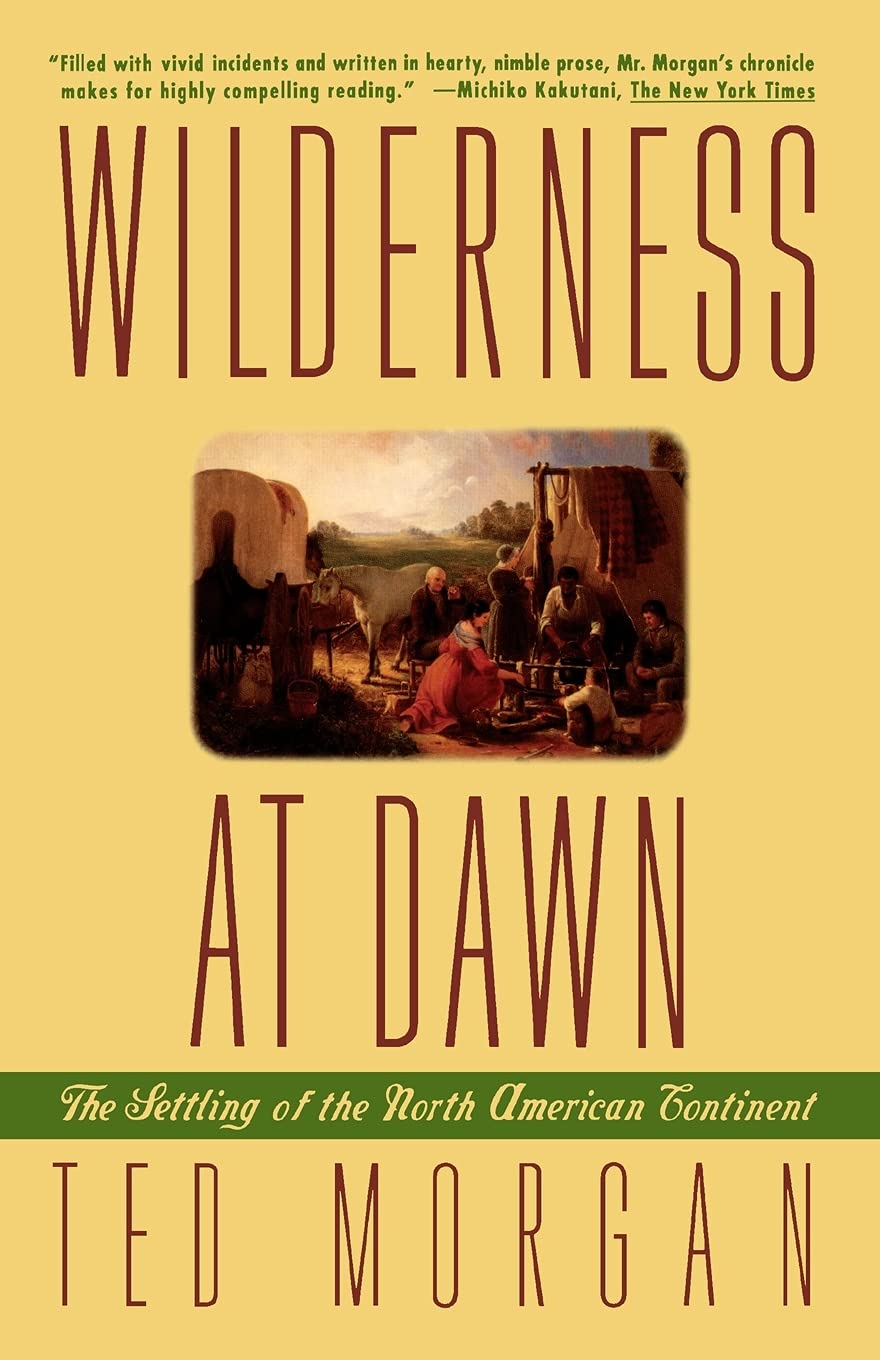
Wilderness At Dawn: The Settling of the North American Continent (1993) by Ted Morgan
French-American biographer, journalist, and historian Ted Morgan was born Count Sanche Charles Armand Gabriel de Gramont in Geneva in 1932. He became an American citizen in 1977, renouncing his French noble titles and adopting the Americanized name “Ted Morgan,” an anagram of “de Gramont.” His 91-year life was a full one – ranging from service…
-
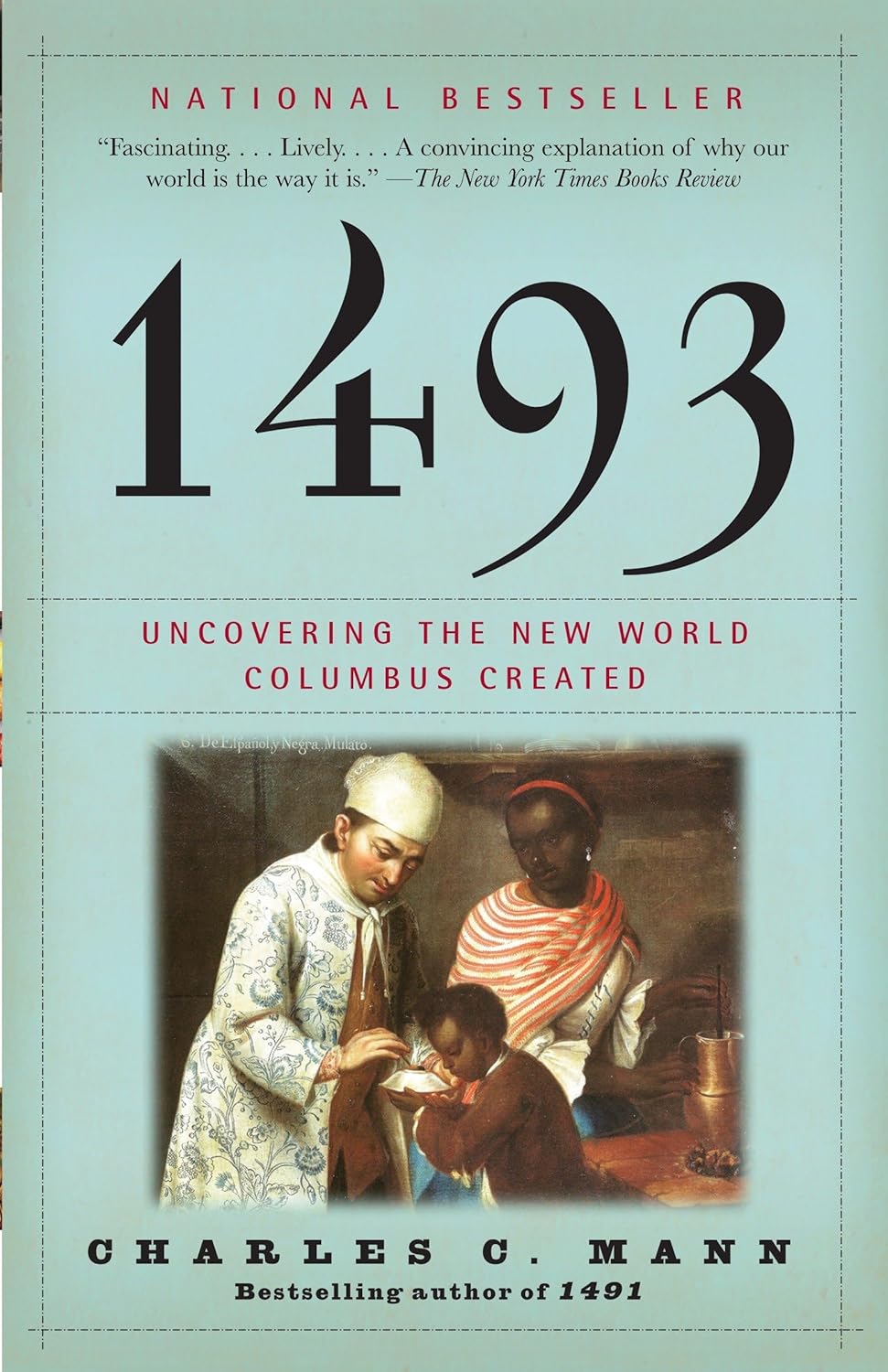
1493: Uncovering the New World Columbus Created (2011) by Charles C. Mann
In 1493: Uncovering the New World Columbus Created (2011), Charles C. Mann examines how the voyages of Columbus set in motion one of the most transformative events in human history – the creation of the Homogocene, a truly globalized, borderless world. Building on the foundation of his earlier work 1491 (2005) and Arthur Crosby’s seminal…
-
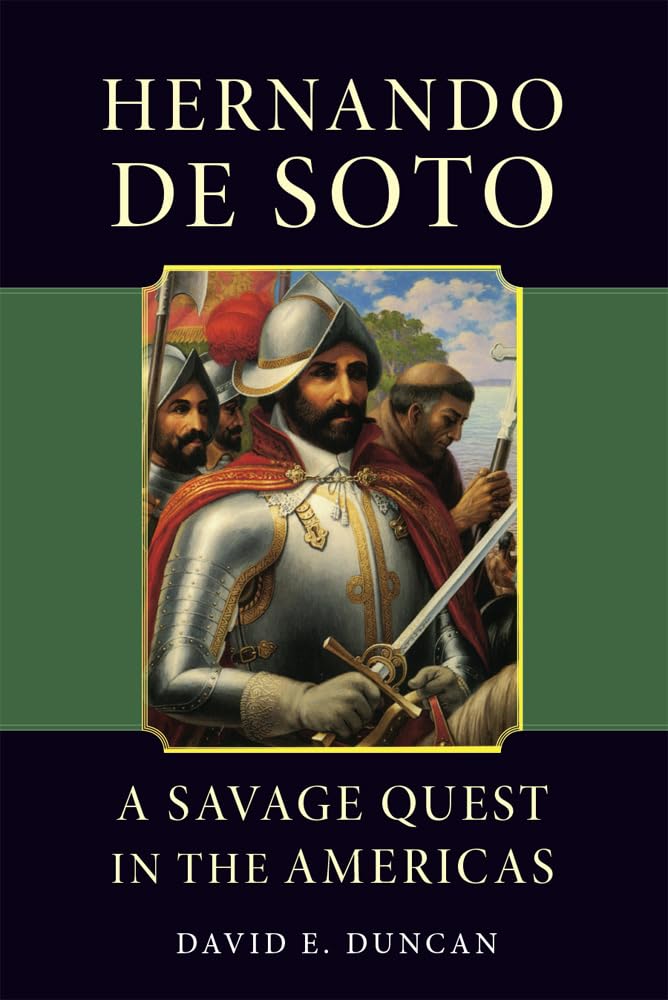
Hernando De Soto: A Savage Quest in the Americas (1997) by David Ewing Duncan
Few figures from the Age of Discovery embody both ambition and brutality as starkly as Hernando de Soto (1500-1542), the conquistador who carved a bloody path through the southeast of North America in search of gold and glory. In Hernando de Soto: A Savage Quest in the Americas (1997), David Ewing Duncan strips away the…
-
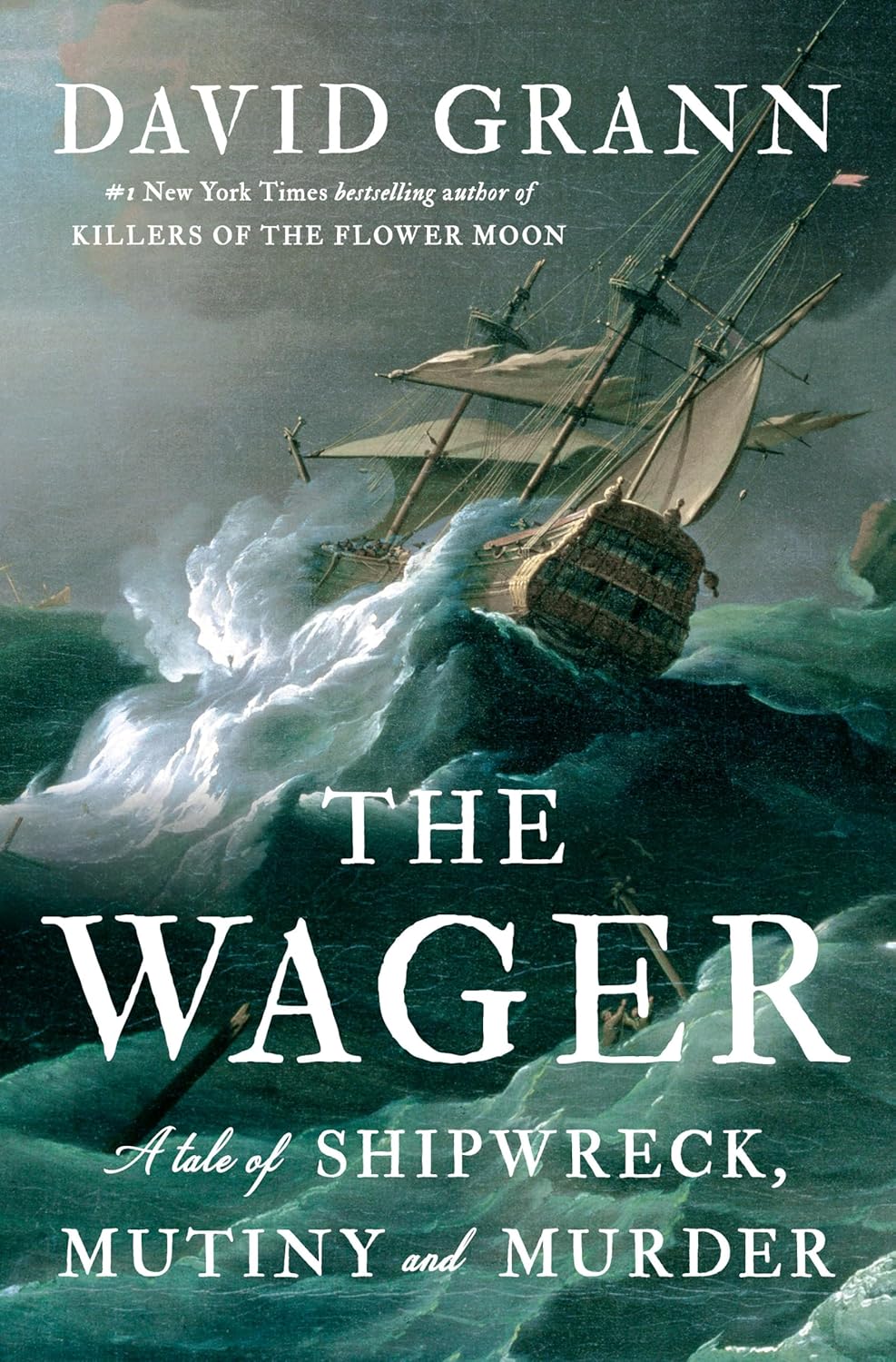
The Wager: A Tale of Shipwreck, Mutiny and Murder (2023) by David Grann
David Grann’s The Wager: A Tale of Shipwreck, Mutiny and Murder has been a publishing phenomenon, especially for an historical non-fiction account of an event that happened 300 years ago. Since its initial release in 2023, the book has dominated bestseller lists, sold more than a million copies worldwide, and cemented Grann’s reputation as one…
 What's Tim Reading Now?