Category: Artists
-
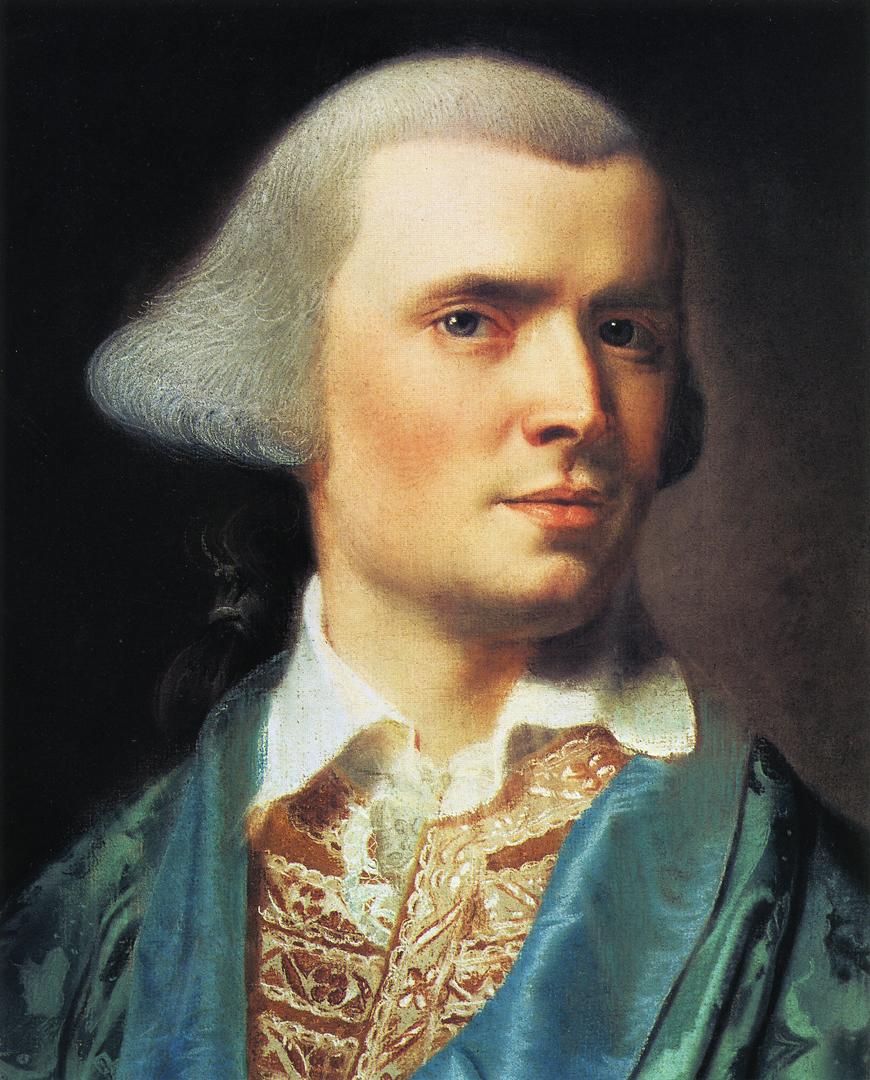
The World of Copley: 1738-1815 (1970) by Alfred Frankenstein
John Singleton Copley stands as the foremost American artist of the eighteenth century. At a time when Americans were widely regarded in Europe as provincial brutes, he nonetheless earned an honored place among the leading artists of the continent. His life was divided almost evenly between two worlds: the first thirty-seven years in Boston, and…
-
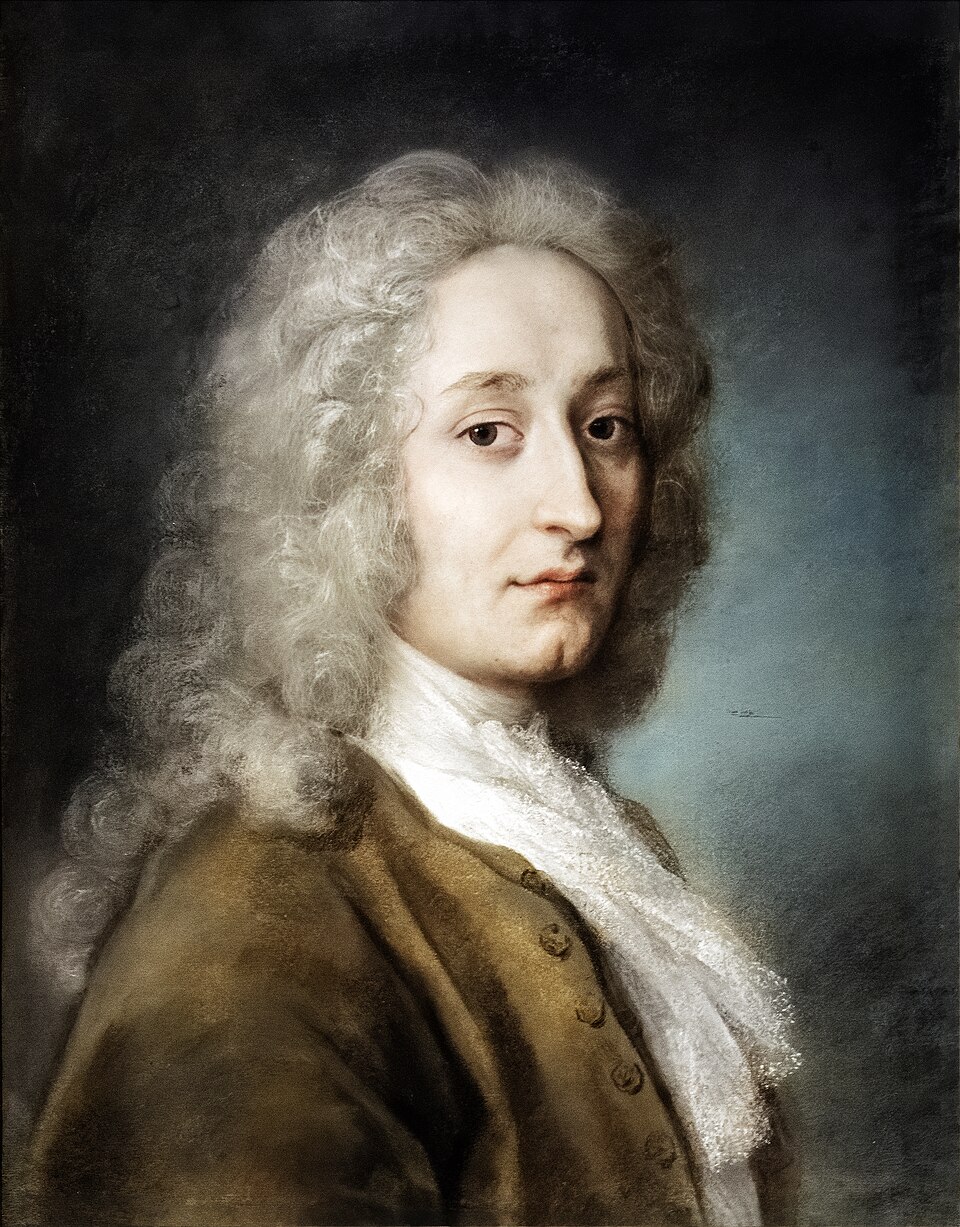
The World of Watteau (1967) by Pierre Schneider
The Sun King, Louis XIV, died in 1715 after 70 years on the throne. In partnership with his aide Jean-Baptiste Colbert, he set out to establish royal control over all aspects of life. Rigid regulations and etiquette dominated all aspects of French life in the late seventeenth century, including art. The Royal Academy of Painting…
-
Seven Centuries of Art: Survey and Index (1970) by H.W. Janson et al.
Seven Centuries of Art: Survey and Index, the capstone volume of the classic Time-Life Library of Art, is best understood as a grand connective tissue – an effort to show how Western art evolved not as a sequence of isolated geniuses, but as a long conversation across time. Rather than focusing on the twenty-eight individual…
-
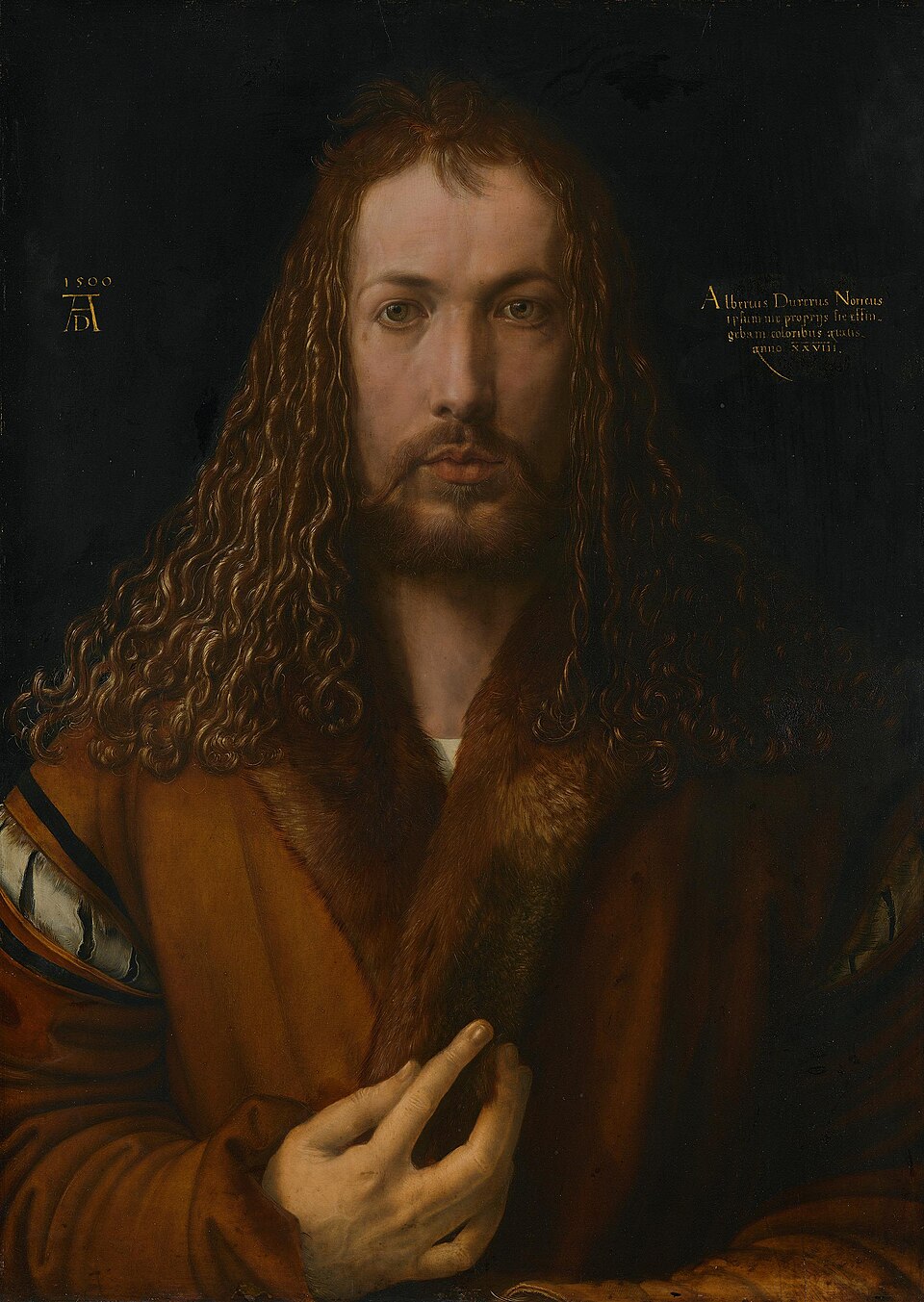
The World of Dürer: 1471-1528 (1967) by Francis Russell
Born the son of a Nuremberg goldsmith, Albrecht Dürer learned the demanding art of engraving with a burin at an early age, a discipline that trained both his hand and his eye. His talent was quickly recognized, and he was apprenticed to the painter Michael Wolgemut, who would become a second father and introduce him…
-

The World of Titian: 1488-1576 (1968) by Jay Williams
Titian – born Tiziano Vecellio in a small village in the Dolomites northeast of Venice – was the most prominent, versatile, and long-lived of all sixteenth-century Venetian artists. He arrived in Venice in 1497 as a nine-year-old apprentice, when the city was still at the height of its economic and cultural power and its art…
-

The World of Giotto: 1267-1337 (1967) by Sarel Eimerl
Before Giotto, art had been largely decorative or dogmatic; he revealed that it could also be a shared human experience – something to look at rather than look up to. He infused his paintings with a newfound sense of humanity, setting his figures in natural, emotionally resonant scenes. Inspired by the philosophy of the Franciscans,…
-

The World of Velazquez: 1599-1660 (1969) by Dale Brown
One of the greatest Spanish painters of all time, Diego Valazquez served at the court of Philip IV (r. 1621-1665), a man six years his junior, for four decades. He came to Madrid in 1622 under the patronage of Count Olivares, young King Philip IV’s First Minister. Philip and Olivares were opposites: weak, lazy and…
-
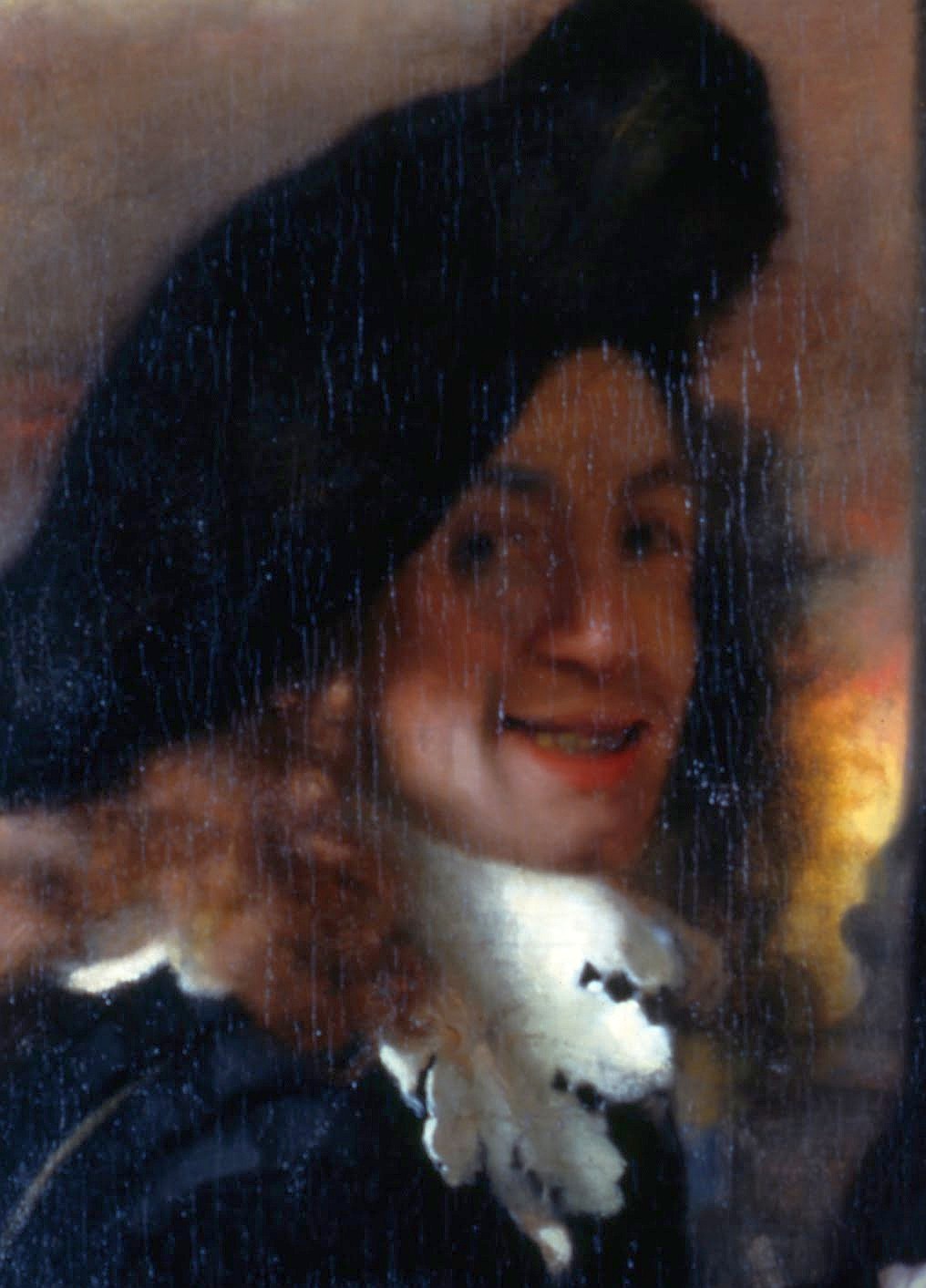
The World of Vermeer: 1632-1675 (1967) by Hans Koning
o little is known about Jan Vermeer, his goals and influences. He died unknown, penniless with 8 minor children, at age 43 and remained forgotten for 200 years. Today he is known as the “Sphinx of Delft,” a sobriquet attached to him by the French art critic Thore-Burger, who rediscovered his genius in the 1860s…
-
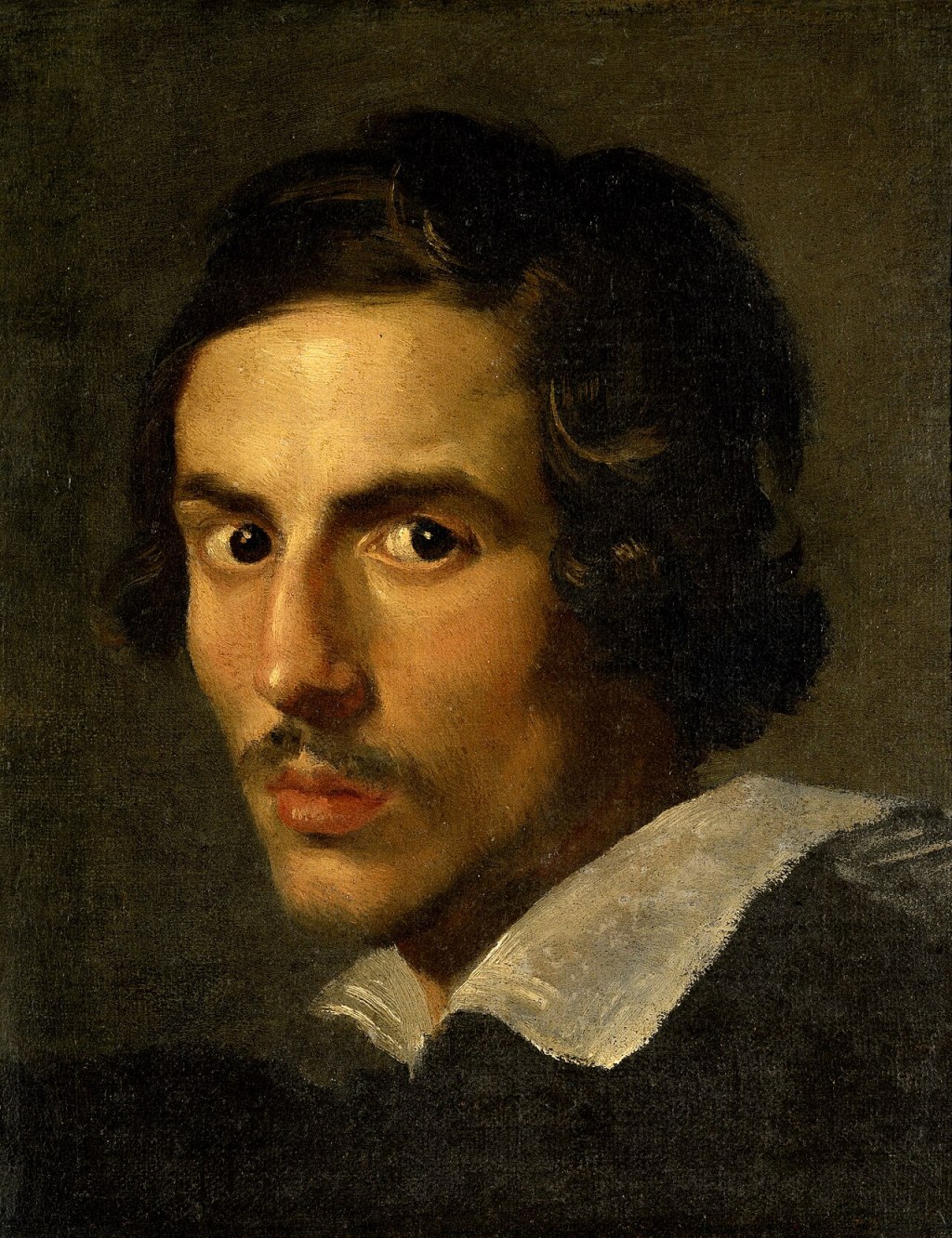
The World of Bernini: 1598-1680 (1965) by Robert Wallace
Bernini was a child prodigy and the greatest artist (possibly the greatest man) of his day, internationally famous by age 35, possessing the virtuosity of Leonardo and Michelangelo. He left an extensive and indelible mark on Rome, the only city he ever knew, especially St Peter’s Basilica, completed in 1626, where Bernini was responsible for…
 What's Tim Reading Now?