Category: American Revolution
-
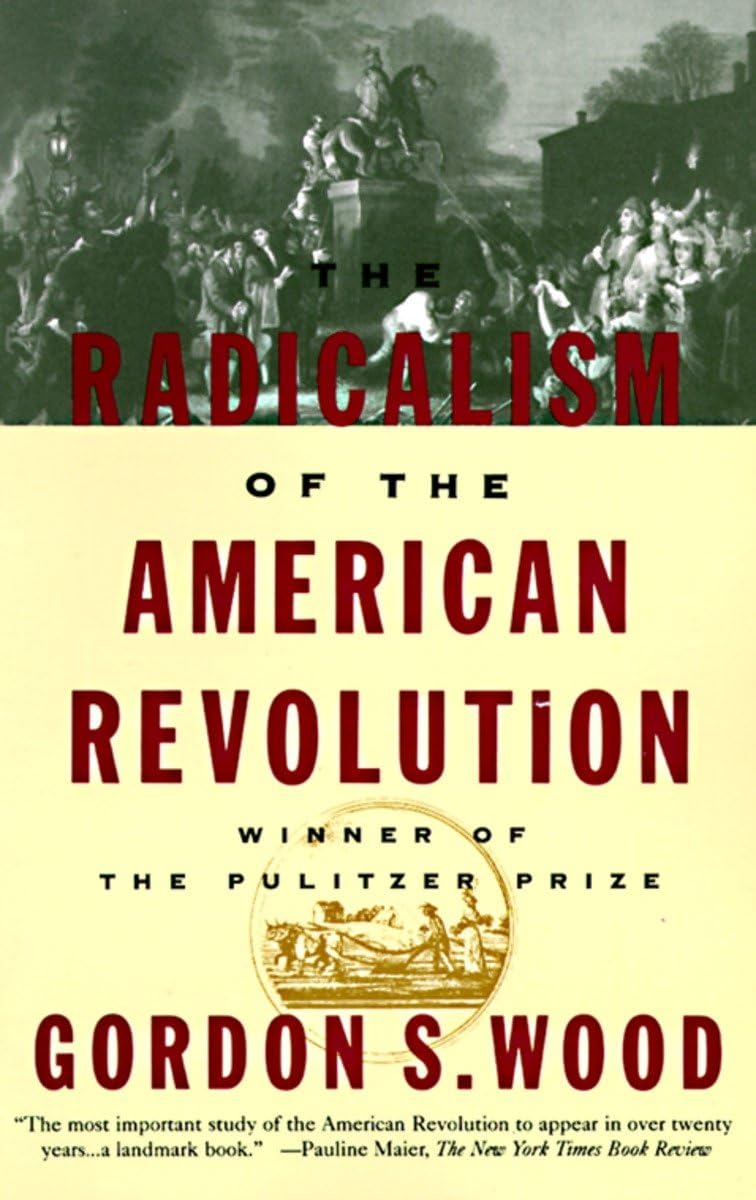
The Radicalism of the American Revolution (1991) by Gordon Wood
Other historians, such as Arthur Schlesinger, have argued that the revolution had its impetus in the preservation of society, not its transformation, which is what usually defines “revolutions.” Wood claims that this assertion is misguided and limited. He concedes that the American Revolution was unique among national revolutions, but that doesn’t make it any less…
-
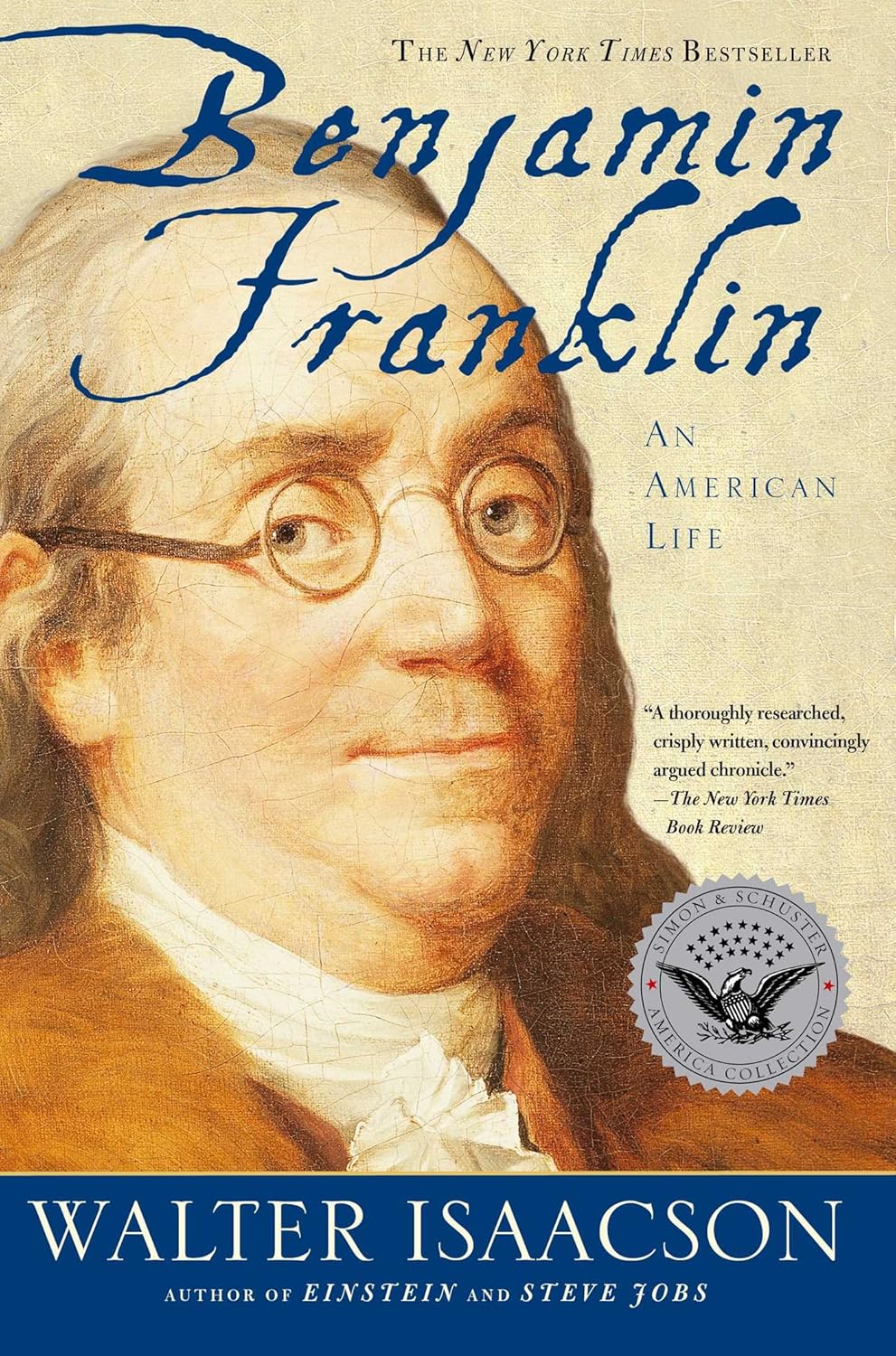
Benjamin Franklin: An American Life (2003) by Walter Isaacson
Many years back I endeavored to read a full-length biography on each of the Founding Fathers. For most, I had multiple options and several had undisputed “definitive” single volumes available, such as McCullough on Adams and Chernow on Hamilton. For Benjamin Franklin, Carl Van Doren’s 1939 Pulitzer Prize-winner was still considered the best, but I…
-
A People Numerous and Armed: Reflections on the Military Struggle for American Independence (1976) by John Shy
“A People Numerous & Armed” is a collection of twelve essays written by John Shy in the late 1960s and 1970s when he was an up-and-coming historian at the University of Michigan. In his own estimation, the themes that unite the varied pieces are “that war changes society, that strategy and military policy are aspects…
-
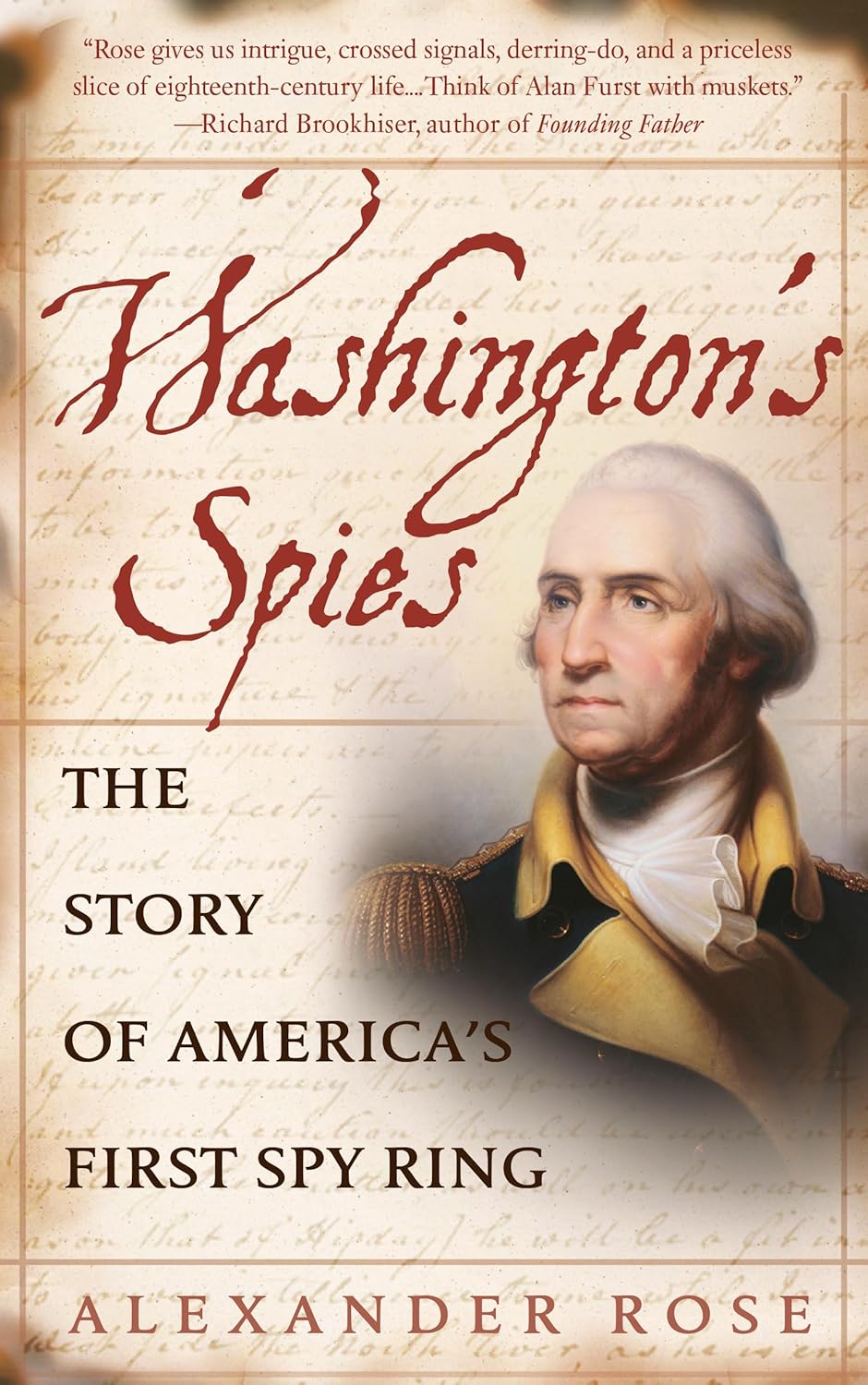
Washington’s Spies: The Story of America’s First Spy Ring (2006) by Alexander Rose
I suppose many prospective readers of “Washington’s Spies” will also be enthusiastic viewers of the AMC Original Series “Turn,” which is loosely based on the book. The key word, readers will find, is “loosely.” The core cast of characters in “Washington’s Spies” will be familiar to any faithful watcher of “Turn”: The Yale educated intelligence…
-
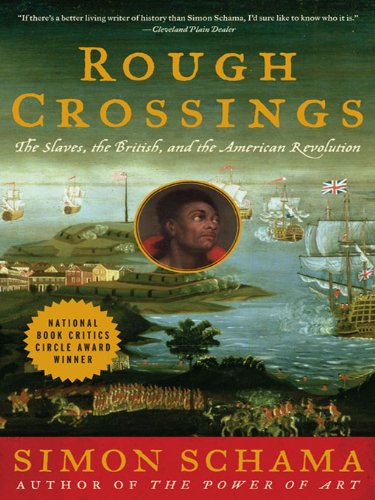
Rough Crossings: The Slaves, the British, and the American Revolution (2007) by Simon Schama
For far too long the African-American experience has not been fully or accurately captured in American history books. At the time of the American Revolution, 20% of the 2.5 million people in the colonies were black. In the plantation provinces, such as Virginia, that proportion could be as high as 40%. Of the roughly 500,000…
-
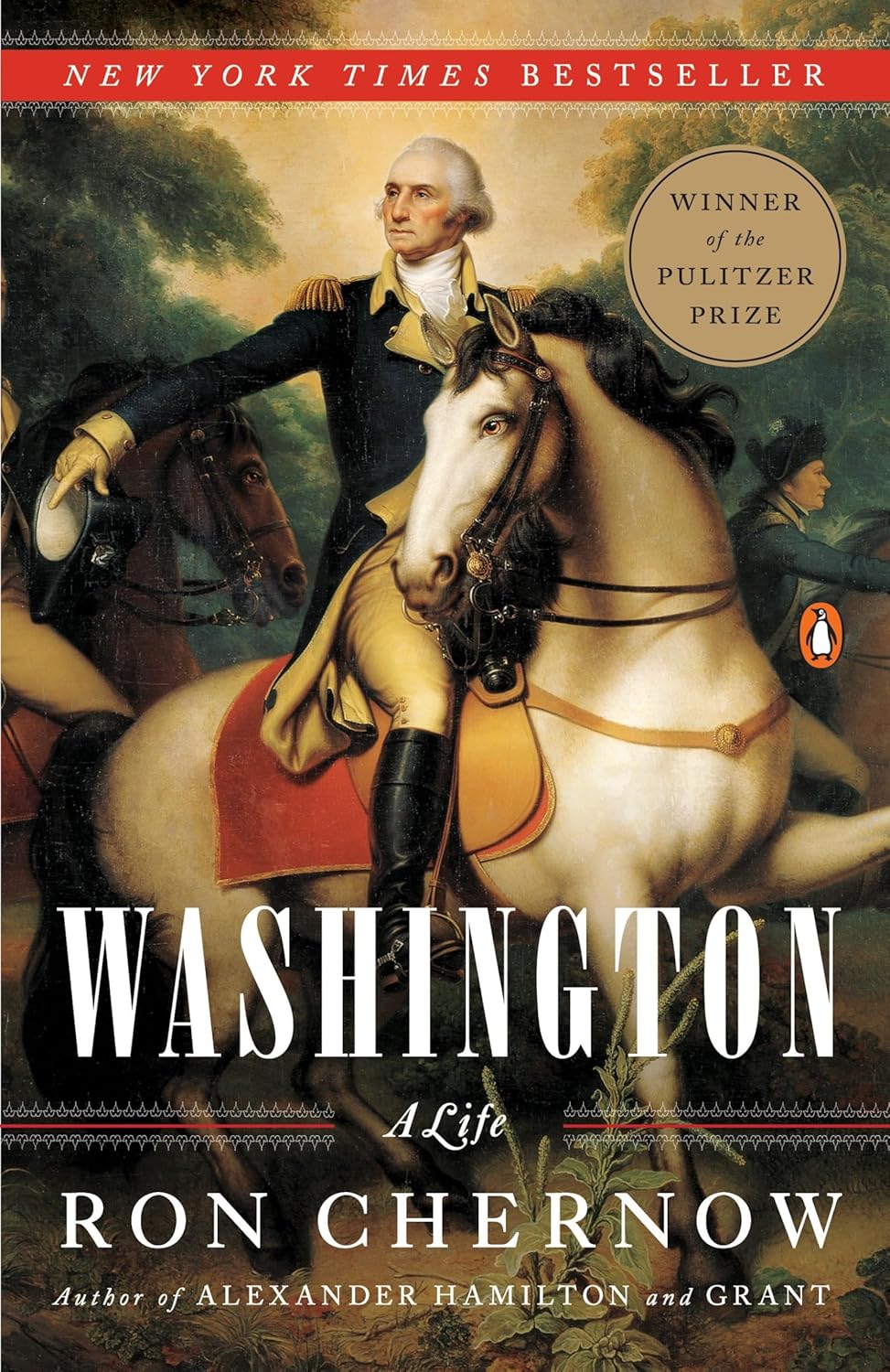
Washington: A Life (2010) by Ron Chernow
The year 2020 is a rough time to be a slaveholding Founding Father. As the mob indiscriminately tears down statues across America, I would argue there is no better time to read a book like this, an honest, richly textured Pulitzer Prize-winning biography from the celebrated Ron Chernow that brilliantly puts George Washington’s enormous contributions…
-
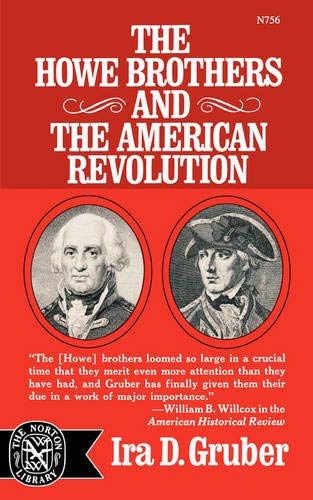
Howe Brothers and the American Revolution (1975) by Ira D. Gruber
At the beginning of 1776, the British government was spoiling for a fight. Ira Gruber’s “The Howe Brothers and the American Revolution” tells the story of the opening chapter in the war when British success in smashing the rebellion seemed all but foreordained. “Why, indeed,” Gruber asks, “did [the Howe brothers] have no more success…
-

Valiant Ambition: George Washington, Benedict Arnold, and the Fate of the American Revolution (2016) by Nathaniel Philbrick
Nathaniel Philbrick is one of this country’s very best popular narrative historians. In “Valiant Ambition: George Washington, Benedict Arnold, and the Fate of the American Revolution” he delivers another fast-paced and insightful history of the “Glorious Cause.” Although Philbrick’s story focuses on the dramatic role played by Benedict Arnold (and to a lesser degree George…
-
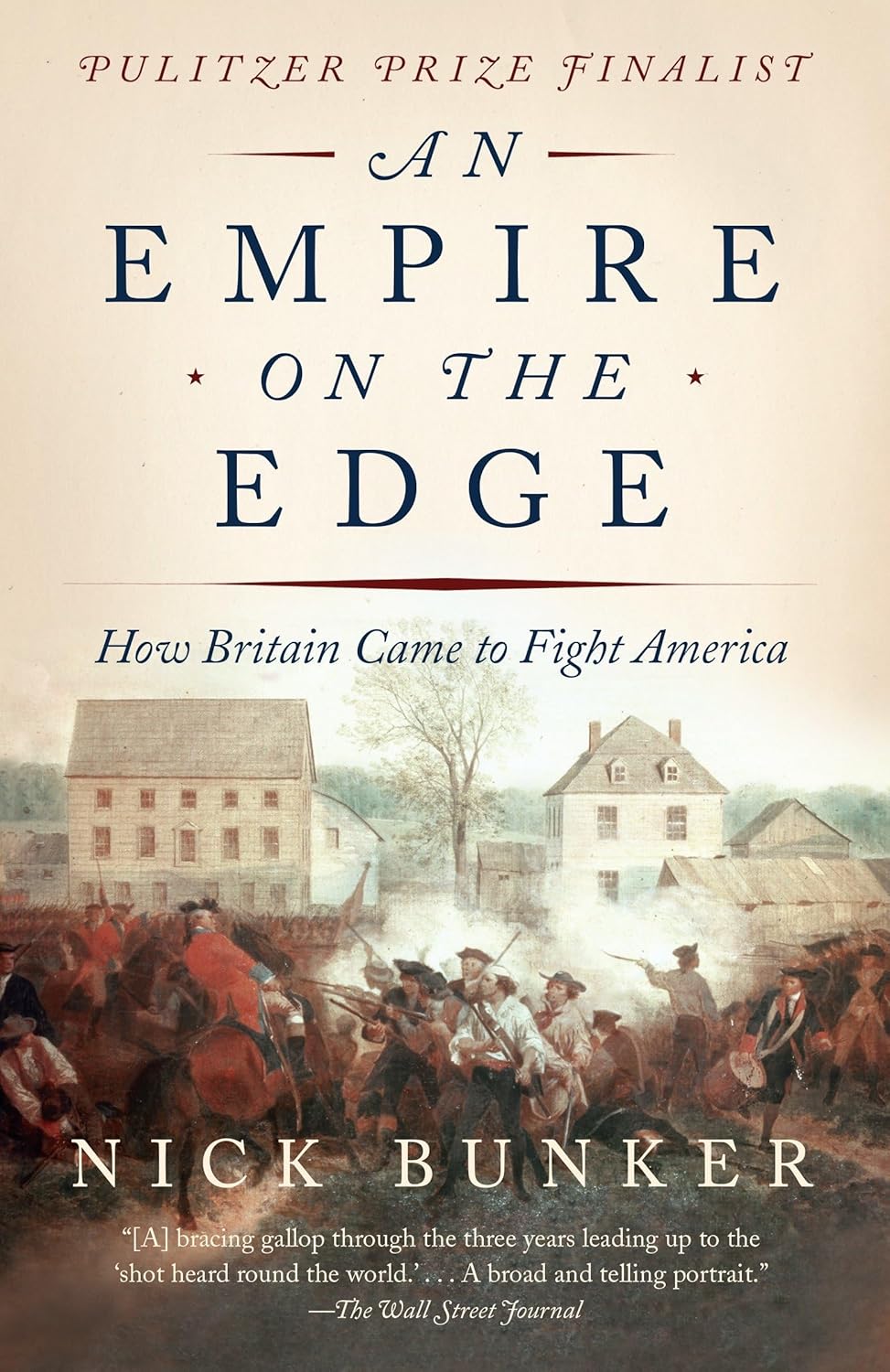
An Empire on the Edge: How Britain Came to Fight for America (2014) by Nick Bunker
The events leading up to the American Revolution have been endlessly debated. In “An Empire on the Edge: How Britain Came to Fight for America,” journalist-turned-historian Nick Bunker lays out a crisp narrative that argues, it seems to me, that the conflict between mother country and colonies was more or less unavoidable by 1775. The…
 What's Tim Reading Now?